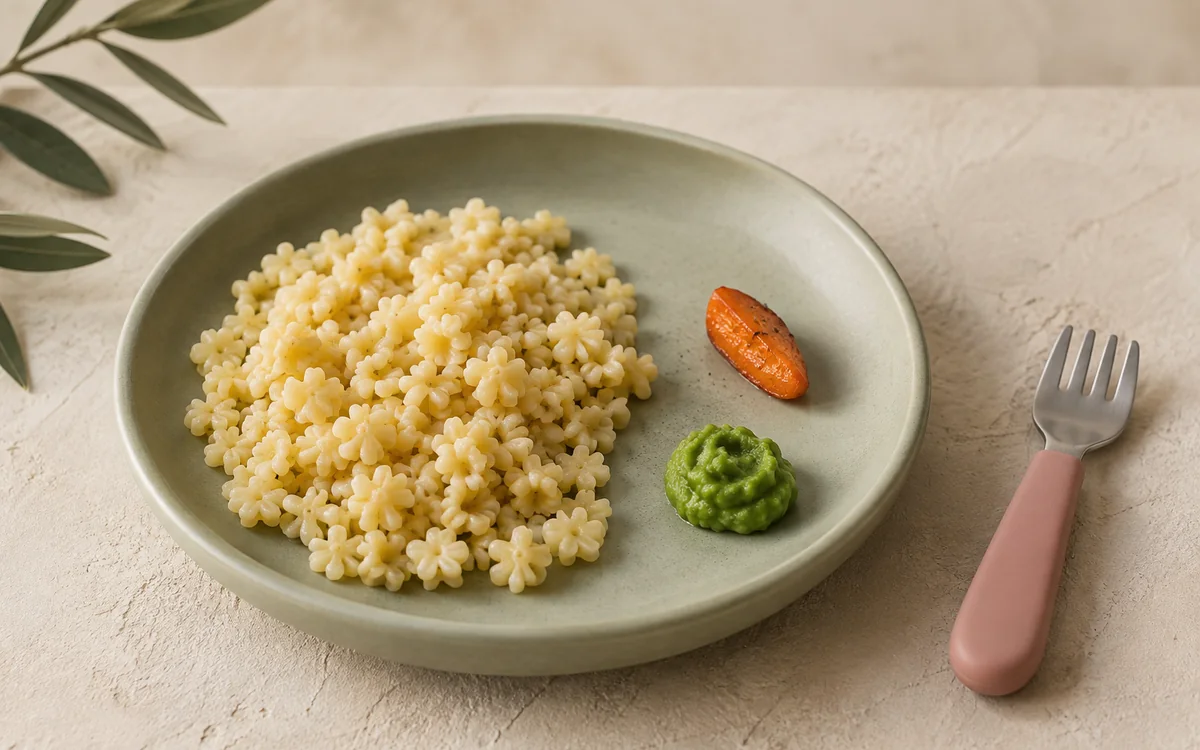
The short answer: no, refusing meat is not a diagnosis
No. A child refusing meat does not by itself prove iron deficiency. Meat is a rich, readily absorbed source, but it is not the only source: children can obtain iron from poultry, fish and eggs, and from lentils, beans, chickpeas, fortified cereals and some vegetables. Conversely, a child who sometimes eats meat may still be at risk if total intake is low, needs are higher, milk or drinks displace meals, or there is blood loss or an absorption problem [1, 2].
Iron is needed to make haemoglobin, which carries oxygen, and it supports growth and brain function. Deficiency develops in stages: iron stores can fall before haemoglobin drops and clear anaemia appears. That is why one food, the child's appearance or one symptom cannot settle the question [1, 5]. The useful question is not simply, 'Does the child eat meat?' It is which iron sources the child actually eats across the week, whether variety is appropriate for age, and whether growth and activity follow a reassuring pattern. Assessment starts with the whole day, after which a clinician can decide whether testing, a food adjustment or observation is appropriate [1, 5, 10].
What makes iron deficiency more likely?
Age, growth speed and feeding pattern all matter. Once complementary foods begin, an infant needs age-appropriate iron sources; a child born preterm or at low birth weight may have different needs; and an adolescent in a growth spurt, especially after menstruation starts, needs assessment suited to that life stage [1, 2, 10, 11]. Risk also rises when the food list becomes extremely narrow and excludes several groups, when milk or juice is sipped throughout the day, or when a child eats tiny amounts without structured meals. For broader detail about symptoms, stages and tests, read Iron deficiency in children: symptoms, tests and treatment; that page complements this focused answer and does not replace an assessment of your child [8, 9, 11].
Some factors cannot be reduced to diet: recurrent bleeding, a digestive condition affecting absorption, chronic inflammation or a particular medical history may change the assessment [1]. Conversely, refusing one food while accepting varied alternatives and growing steadily does not automatically equal deficiency. Record what the child actually consumes rather than relying on memory. The phrase 'eats nothing' sometimes hides several useful small meals and sometimes hides heavy dependence on one drink. Those details help the clinician make a more accurate decision [8, 9].
Iron sources without red meat
If 'meat' means red meat, poultry, fish and eggs may be acceptable alternatives, depending on the child's age, chewing ability and known allergies. If all animal sources are refused, options include lentils, beans, chickpeas, tofu, and iron-fortified breakfast cereals or flour, depending on the label of the available product. Nuts and seeds can contribute too, but they need an age-safe form, such as a smooth paste, because whole pieces can be a choking hazard [1, 2, 3].
Iron from plant sources is absorbed less readily than haem iron from meat, so planning matters. Pair pulses or fortified grains with a vitamin C food such as tomato, pepper, orange or strawberries to help the absorption of non-haem iron. The meal need not be large or elaborate: lentil soup with tomato, beans with pepper, or fortified cereal with fruit are practical choices when their texture is safe for the child's age [1, 2]. If the family follows a fully vegan pattern, iron is only one part of the picture; Plant-based eating for children and vitamin B12 explains why vitamin B12 needs a reliable source and separate planning [12].
Read fortified-cereal labels because iron content differs between products; do not assume every biscuit or children's cereal is fortified equally. Offer the food as an ordinary part of a meal, not as medicine that must be finished. Variety across the week matters more than success with one plate, and a clinician or qualified dietitian can review adequacy when the list is very limited [1, 3].
Plan the day instead of chasing one bite of meat
Instead of making the goal 'finish a piece of meat', choose a calmer target: include an age-appropriate iron source in one or more meals across the day, alongside a familiar accepted food. Set predictable meals and snacks, with water between them rather than constant sipping on filling drinks. Offer a very small amount of a new food beside a safe food, without prolonged bargaining, screens or chasing with a spoon. The adult decides what, when and where food is offered; the child decides whether and how much to eat from what is available [4, 8, 9].
If milk occupies much of the day, do not remove it randomly and do not treat it as a complete meal replacement. For three days, record the timing and amount of milk and other drinks, what was offered, and what was actually eaten. A record separates the impression that the child 'eats nothing' from a pattern that can be adjusted. Child drinking too much milk: appetite and iron risk covers that issue in detail without repeating it here [3, 9, 10]. The goal is gradual variety and a sustainable routine, not a perfect meal every day [4, 8].
Keep meals brief, with a recognisable beginning and end, and sit together when possible. Do not use severe hunger to make the child 'give in', and do not produce endless alternatives after each refusal. If nothing is eaten, close the meal calmly and offer the next planned eating opportunity on schedule. Routine protects natural hunger and fullness cues and reduces mealtime conflict [4, 9].
Respond calmly, while recognising genuine feeding difficulty
Selective eating is common, particularly in early childhood, and a child may need to see, touch and smell a food many times before accepting it. Repeat exposure without pressure, and alter presentation or texture safely: a soft meatball, shredded chicken, smooth lentils or chickpeas in a texture the child can manage. Let the child help wash or stir ingredients when developmentally appropriate, and eat together so the food appears as an ordinary part of the meal. Pressure, force or bribery with sweets can increase distress without teaching lasting acceptance [4, 8].
However, not every refusal is ordinary fussiness. Coughing or choking during meals, frequent vomiting, very prolonged meals, inability to manage an age-appropriate texture, or a food list that keeps shrinking can indicate a feeding difficulty that needs medical and feeding-skill assessment, not simply another recipe [9]. If the broader issue is appetite, Children's appetite: when to worry and when it is normal helps distinguish normal variation from signs that merit assessment, without assuming iron is the only possible cause [8, 9].
Notice the difference between disliking flavour and being unable to manage texture. A child who accepts mince but refuses pieces may be struggling with chewing skill or dry texture rather than rejecting the protein itself. Home adjustments have limits: recurrent choking, a wet voice after swallowing or obvious fatigue during meals warrants specialist assessment [9].
When do symptoms make testing reasonable?
Pallor, tiredness, reduced activity, headaches, difficulty concentrating, faster breathing with exertion, or cravings for non-food items such as ice or soil may direct a clinician towards iron deficiency or anaemia, but none is specific to iron. Poor sleep, infection or another nutrient deficiency can look similar, while some children with low stores have no obvious symptoms [1, 6, 10]. Dark circles, poor appetite or refusal of meat therefore cannot diagnose deficiency.
The clinician reviews age, birth history, growth, milk intake, dietary variety, bleeding, digestive symptoms, medicines and family history before selecting tests. A full blood count provides haemoglobin and red-cell indices, while ferritin helps assess stores; however, ferritin can rise during inflammation, so it must be interpreted in clinical context and sometimes alongside other markers [1, 5]. Avoid ordering a random panel or interpreting one laboratory-app flag in isolation. Individual decisions, especially for infants or children with chronic illness, belong with the treating paediatric clinician [5, 11].
If testing confirms deficiency, the next step is not only choosing a dose; the cause matters so the problem does not simply return. The clinician considers low intake, higher requirements, blood loss and possible absorption problems. Follow-up checks response and revisits both diet and stores at an appropriate interval [1, 5].
Signs that need faster care, and why iron is not a trial remedy
Seek urgent medical assessment if the child has difficulty breathing at rest, faints or nearly faints, is profoundly lethargic or difficult to wake, has an obviously racing heartbeat, develops marked pallor rapidly, has ongoing bleeding, vomits blood, or passes black tarry stool when not taking prescribed iron. Choking or turning blue during eating, or being unable to drink and maintain hydration, is also not ordinary selectivity and needs prompt care [6, 9]. Urgency depends on severity and the child's condition; if you are unsure, contact local emergency services.
Do not start therapeutic iron syrup or drops simply because meat is refused. A treatment dose is calculated from weight, clinical status and formulation, and not every anaemia is caused by iron deficiency. Excess iron can poison a child; abdominal pain, vomiting, diarrhoea, drowsiness or altered alertness after possible ingestion require immediate emergency or poison-centre advice, even if symptoms temporarily settle [7]. Keep every supplement locked in its original container, completely out of reach. Balanced food is a safe starting point; a supplement is a treatment that requires diagnosis, dosing and follow-up [1, 7].
If prescribed iron causes constipation, abdominal discomfort or a stool-colour change, do not stop treatment or double a dose yourself. Contact the clinician to review administration and formulation, and report every other medicine or supplement. Managing a side effect is entirely different from possible excess ingestion; suspected poisoning must not wait for a routine appointment [1, 7].
The next step: bring a clear picture, not just the worry
If the child is active, growth is steady, and several non-meat iron sources are accepted, the sensible starting point is usually improving variety and observing calmly, not assuming disease. Prepare a three-day record of meals, snacks, drinks and approximate amounts, noting accepted foods, refused textures and any symptoms. Bring previous weight and height measurements, laboratory results and a list of supplements. This helps the clinician distinguish ordinary selectivity, possible deficiency and a feeding difficulty requiring different support [4, 8, 9].
If refusal persists, the list is extremely limited, growth or activity changes, or concerning signs appear, you can book a paediatric consultation to review growth, dietary history and examination and decide whether testing is indicated. At the La Rose paediatric clinic, a useful assessment puts testing and supplementation in the context of the individual child and produces realistic food steps without promises or blame. Final decisions about investigations and treatment remain with the treating clinician after assessment [1, 5, 9].