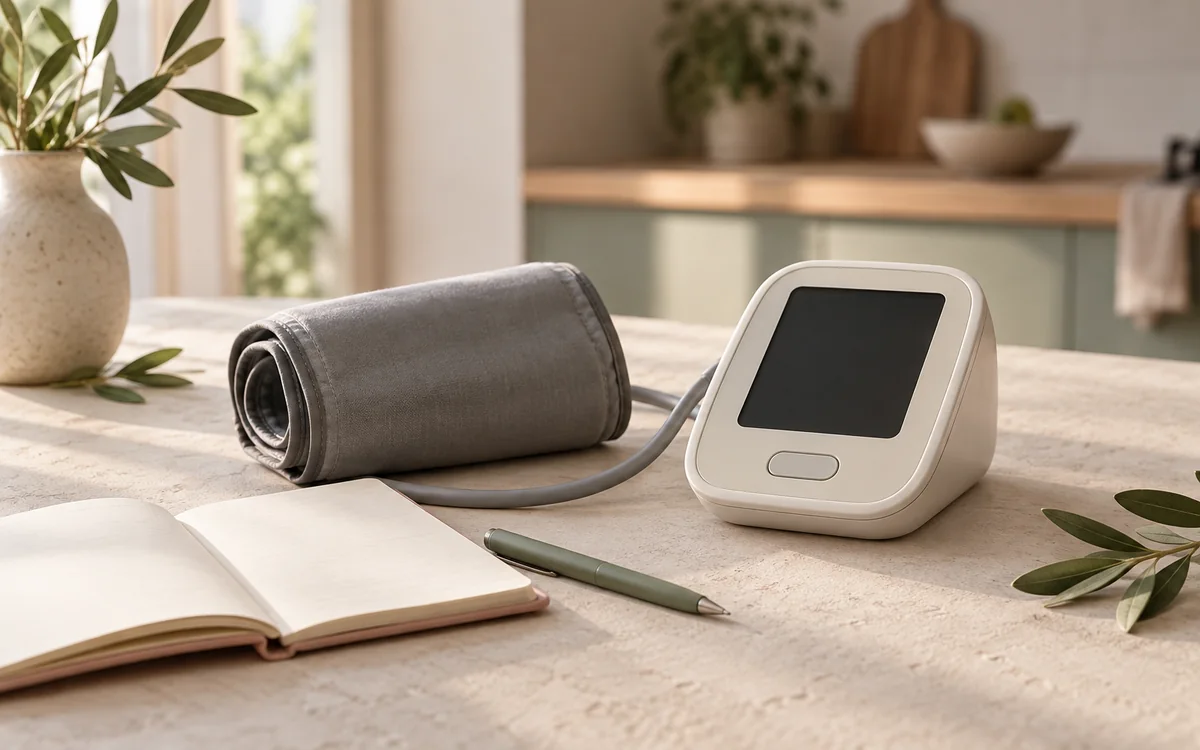
One reading is information, not a self-diagnosis
A reading of 140/90 or higher should not be ignored, but it does not automatically mean you should diagnose yourself with hypertension from a pharmacy machine, a home device or an anxious visit. Blood pressure varies with rest, pain, anxiety, exertion, caffeine and measurement technique. The Saudi Ministry of Health describes diagnosis as bringing together health history and readings across two or three separate visits, while NICE explains that a raised clinic reading is repeated in a structured way and may be confirmed with ambulatory or home measurement. [1, 3]
A pattern does not mean waiting for months without follow-up, or dismissing a worrying number. It means collecting data that can answer a specific question: Is elevation sustained outside that moment? Is there a difference between clinic and home? Are there illnesses, medicines or symptoms that change the priority of assessment? High blood pressure often has no clear symptoms, so feeling well does not prove that everything is normal. [1, 4]
Make the measurement worth interpreting
Before building anxiety or a decision around a number, ask about measurement quality: Was the device appropriate and reliable? Did the cuff fit the arm? Did you sit quietly with back and arm supported? Did you avoid talking during the reading? Official guidance stresses that position, rest and arm support affect the result. The Saudi Food and Drug Authority advises resting about five minutes first, avoiding caffeine and smoking for at least 30 minutes, preferring an upper-arm device, checking the cuff size and taking two or three readings a couple of minutes apart. Do not compare a number taken after stairs, coffee or an argument with an average collected under similar conditions. [2, 3, 5]
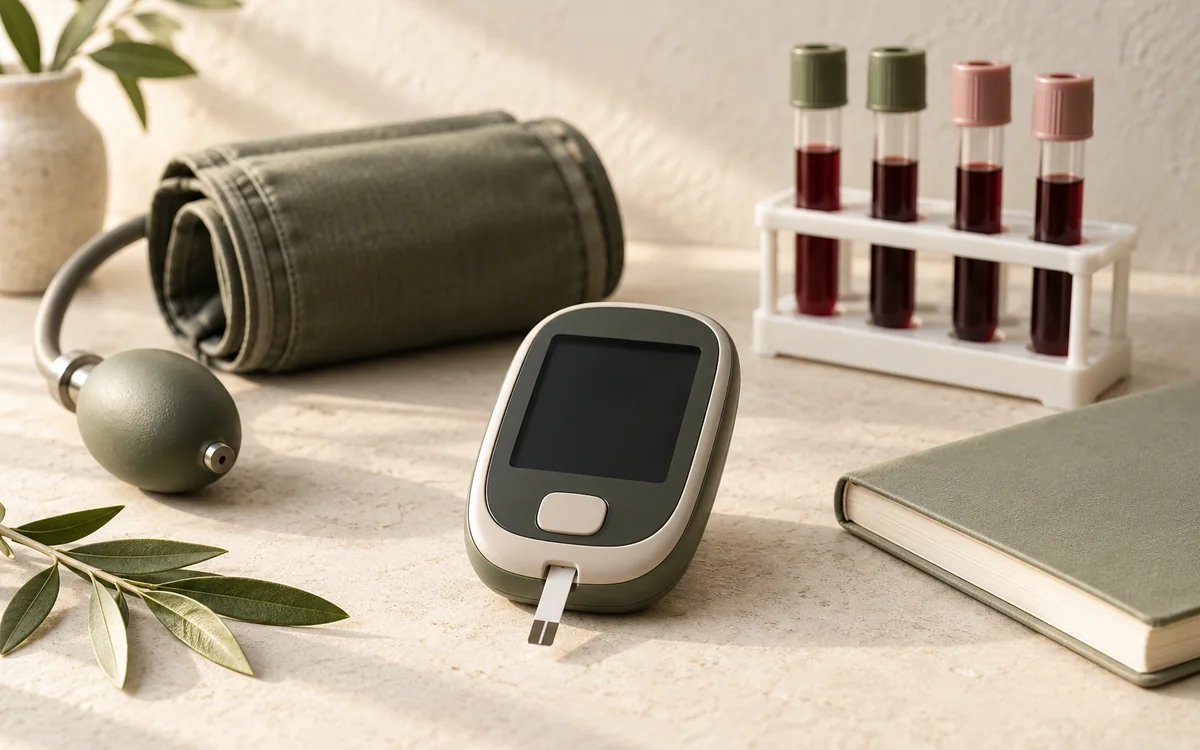
At an initial assessment, pressure may be measured in both arms and repeated if there is an important difference. Do not try to correct a high result by holding your breath or repeating it ten times within minutes. Record the time, circumstances and symptoms, and bring the device or its name to the appointment if you use it at home. A home device is useful for establishing a pattern, but it does not replace examination or a discussion of its accuracy with a clinician. [2, 3, 6]
Home and ambulatory records complement the visit
If the team asks for home measurement, agree on the device, times and number of days rather than measuring whenever anxiety rises. NICE notes that ambulatory monitoring may confirm a diagnosis and home monitoring is an alternative when that is unsuitable; the average from a structured set matters, not the highest or lowest value you choose. Ask how the record will be sent, who will review it and what would change the plan. [3]
Record whether you took your usual medicine and whether there was acute illness, pain, dizziness or a fainting episode with each reading. Do not change or stop a blood-pressure dose because of one result unless your team has given you individual written instructions. Since diabetes, kidney and heart status can change the pressure goal and plan, the whole-health diabetes review explains why a pressure result should not be interpreted alone for people living with diabetes. [1, 3, 4]
Blood pressure is part of the wider health picture
Once a pattern is confirmed, assessment is not limited to naming the number. A clinician reviews smoking, family history, diabetes, kidney status, lipids, weight and medicines that can affect pressure, then decides whether blood tests or other investigations are useful. That does not mean every person needs every test or that high pressure has one obvious cause. History, examination and results determine the appropriate question for each case. [1, 4, 7]
Diabetes, known kidney disease or known heart disease can change the follow-up plan and appropriate goal, so mention these conditions and do not separate a pressure visit from your other medicines. If a cholesterol report is the concern, understanding cholesterol results and the next step explains why one reading does not define the whole risk. [1, 4, 8]
Do not alter treatment for one isolated number
Reducing salt, suitable activity, sleep, stopping tobacco and a weight plan may be part of managing pressure, but they are not substitutes for assessing repeated high readings or for stopping prescribed medicine. Treatment and the pressure goal are individualised with other illnesses, the risk of dizziness or low pressure, and current medicines. Taking a prescribed treatment does not mean a reading never needs review, and a better reading does not mean you should stop it independently. [1, 4, 10]
Mention a new medicine, supplement or repeated pain medicine, and mention fasting, vomiting, diarrhoea or dizziness on standing. These details can change plan safety, especially when pressure occurs with diabetes or kidney problems. The record is meant to make the conversation more precise, not to push you into experimenting with doses at home. [1, 3, 4]
When should you not wait for a home log or routine appointment?
A pattern matters for routine diagnosis, but warning signs are not an invitation to wait until several days of measurement are complete. A very high reading with chest pain, breathlessness, sudden weakness or numbness, speech or visual change, confusion, an unusual severe headache, vomiting or clear deterioration needs urgent assessment according to severity. These signs do not establish one cause, but they are not situations for changing salt intake or medicine at home. [4, 8, 9]
If there are no severe signs but readings are repeatedly high, contact the team rather than ignoring them or searching for one reassuring number among many measurements. Bring the log and device if possible, and note symptoms and new medicines. If dizziness on standing or fainting occurs, mention that too because pressure interpretation is not always about elevation alone. [1, 3, 4]
Record changes, not just numbers
Use the record to identify what should be mentioned, not to decide on your own that treatment succeeded or failed. Add weight change, leg swelling, palpitations, a new headache, an illness episode, severe sleep disruption or a new medicine. These details do not diagnose hypertension by themselves, but they may explain why a clinician asks for a different measurement or earlier review. Keep units and dates clear, and do not delete readings that worried you. [1, 3, 6]
If home and clinic results differ, that is useful information rather than proof that one device is lying. A clinician may suggest ambulatory measurement or recheck technique, device and health context. What matters is that the complete record reaches the person reviewing it, not that you search for an average that fits what you expected. [3, 4, 6] Before heading to your appointment, see how photographing medicine boxes prepares a reliable list.
Leave the visit with clear questions
Ask: Do we need confirmation with home or ambulatory measurement? How do you want the readings recorded? What is the average pattern rather than today’s number? Is the device and cuff appropriate? Which sign means I should contact you sooner? Write the answers beside medicine names and doses. This is more useful than measuring repeatedly without a review plan. [1, 2, 3]
Do not compare your plan with that of a relative with a different age, medicine list or health conditions. A useful result is not merely knowing whether a number is “high”; it is knowing how it was collected, which question it answered, the next step and whom to contact if symptoms change. If you want someone to review the log with you and set a clear plan, you can book a visit at La Rose and bring the device and readings. [1, 3, 6]