
After a Diverticulitis Flare: Which Phase Are We Talking About?
This article is for adults who have been assessed by a clinician and diagnosed with an acute diverticulitis episode. It covers the period after that episode: when to start eating, how to advance, and how to return to a stable pattern. It is not about diagnosing new abdominal pain and it does not replace an examination. Diverticula are small pouches in the colon wall. Having them without inflammation is diverticulosis; when they become inflamed or infected, the condition is diverticulitis. The difference matters because advice for quiet diverticulosis is not the same as advice during an active flare [4, 10].
If you have severe or persistent pain, fever, vomiting or bleeding, do not start a diet experiment and wait. Seek urgent assessment [4, 7]. This article also does not cover children, pregnancy, or people with immunodeficiency, advanced kidney disease or advanced heart disease without their team's involvement. If your situation is complex, the food plan needs an individual assessment, not a general rule [2, 6].
Before Changing Food: Get Assessed and Diagnosed
Acute diverticulitis is not a condition that a diet alone resolves. Some mild cases improve without antibiotics, but that decision belongs to a clinician after reviewing symptoms, examination and sometimes imaging and blood tests; it is not something to decide from an article [2, 4, 6]. If you were prescribed an antibiotic, painkiller or other treatment, follow it and do not stop because you feel better. New severe pain with fever, vomiting, distension, or absolute constipation with no passing of gas is not a cue to try bland food; it is a cue to seek assessment [4, 7].
Food can support comfort and nutrition here, but it does not treat the infection or prevent complications on its own [2, 6]. It is also important to review your medicines, especially non-steroidal anti-inflammatory painkillers and opioid painkillers, because they can increase the risk of complications; any change is a decision for your clinician [4, 7]. Do not stop a prescribed medicine yourself, and do not swap it for a suggestion from a pharmacist or another patient.
Three Different Phases: Flare, Recovery and Prevention
Keep three phases separate. The first is the active flare: constant pain, often in the left lower abdomen, sometimes with fever or a change in bowel habit. The second is recovery, when symptoms settle and the clinician allows the diet to advance. The third is the stable period, when the aim is adequate nutrition and lowering recurrence risk [2, 4]. People often confuse them, either staying on low-fibre food for months or returning to a full mixed diet before symptoms settle. Neither is necessary.
Prolonged restriction without a reason can reduce fibre, energy and nutrients, and it does not protect you from the next episode [4, 5]. At the same time, returning to a full diet before inflammation settles can increase discomfort and make it hard to tell what is improving. Ask your clinician which phase you are in and what signs should make you advance or slow down [2, 3]. The answer depends on severity, complications and the symptoms you have now.
Why No 24- or 48-Hour Timetable Fits Everyone
There is no single rule that everyone must stay on clear liquids for 24 or 48 hours, and no rule that everyone must remain on low-fibre food for a full week. Professional guidance differs in detail because severity, complications, age, chronic conditions and medicines change the plan [2, 3, 8]. Some evidence and recommendations find that many people tolerate a light or even a more liberal diet in uncomplicated cases, while others are more comfortable with liquids or simple food for the first day or two [2, 3, 8].
What suits you is not automatically what suits someone else. The important point is that the decision belongs to the clinician who has assessed you, and that you contact them if you cannot advance [2]. Do not compare yourself with someone who had surgery, complicated disease, or has already been recovering for a week; those are different situations. The practical question is not what everyone else does. It is what plan fits your severity and current symptoms, and what should change if you improve or worsen.
Starting to Eat: Liquids or Light Food?
If your clinician advises liquids, this usually means clear fluids for a short period for comfort, not a long fast. Drink water, weak tea and strained broth, and diluted juice if allowed. The aim is to avoid dehydration, especially with vomiting, diarrhoea or fever [2, 6]. When pain and bloating ease, start small amounts of soft, low-fibre food: white rice, boiled potato, plain pasta, white toast, boiled egg, or grilled chicken or fish without heavy spice. Eat slowly, in small portions, and stop if pain increases [8, 9].
You do not have to stay on liquids until you feel perfect; early advancement is acceptable if tolerated, and excessive delay can weaken your intake [2, 3]. The practical rule is one small step, observe, then continue or step back according to your body and your clinician's advice. If you cannot drink enough or you keep vomiting, that is not the time to try a new food; that is the time to ask for help [4, 7].
How to Advance Food Without Rushing or Staying Restricted
Advancing food is not a race. Try one small new meal and watch your symptoms over the next few hours. If pain and bloating are stable or better, continue gradually. If severe pain returns, or you feel nauseated or vomit, or bloating increases, step back and ask your clinician [2, 3]. Do not increase both the amount of food and the fibre on the same day, so you can tell what changed. Also do not confuse mild discomfort after eating with flare pain; constant or worsening pain with fever is not a normal sign of progress [4, 7].
If 3 to 5 days pass and you still cannot move from liquids to soft food, do not wait another week; contact your team promptly because the situation may need review [2]. The goal is adequate nutrition without overloading the abdomen, not a perfect menu. Slow improvement is not failure; some people need longer, and what matters is that the direction is toward recovery rather than deterioration.
Low Fibre: Temporary Symptom Relief, Not a Lifelong Diet
Low-fibre eating during recovery is a temporary tool to reduce bloating and gas and make eating easier; it is not a lifelong diet. Fibre is found in wholegrains, legumes, vegetables, fruit with skin, nuts and seeds, and a clinician may ask you to reduce it briefly during a flare [8, 9]. The problem is that people often stay on the low-fibre version for weeks or months, so fruit, vegetables and legumes fall away, which affects overall nutrition and bowel regularity [4, 5].
Once symptoms settle and your clinician agrees, start bringing fibre back gradually, one type every few days, with enough fluid [4, 5]. If you have a known stricture or persistent symptoms, the adjustment may take longer or need a different plan, and that is a clinical decision [2, 4]. Do not assume that lower fibre is always better; fibre is part of a healthy pattern, and the issue is timing and speed, not fibre itself.
Practical Egyptian Meal Examples for the First Recovery Days
These are examples to make the idea concrete, not a prescription for everyone. A simple breakfast: a boiled egg with white toast and weak tea. Lunch: white rice with boiled or grilled chicken without chilli, plus boiled potato or well-cooked courgette. A light dinner: pasta with a simple tomato sauce without much onion or garlic, or grilled fish with rice. If a particular food causes bloating, do not declare it permanently forbidden; note it and discuss it at follow-up [8, 9].
Use safe drinking water, cook food well, and avoid very fatty, very spicy or large meals in the first days. The aim is to eat enough without overloading the abdomen, not to find a food that treats inflammation [2, 6]. If you have diabetes, high blood pressure or kidney disease, these examples may need adjustment to your plan, so ask your team before relying on them [2, 6].
Fluids and Protein: The Part People Forget When They Fear Food
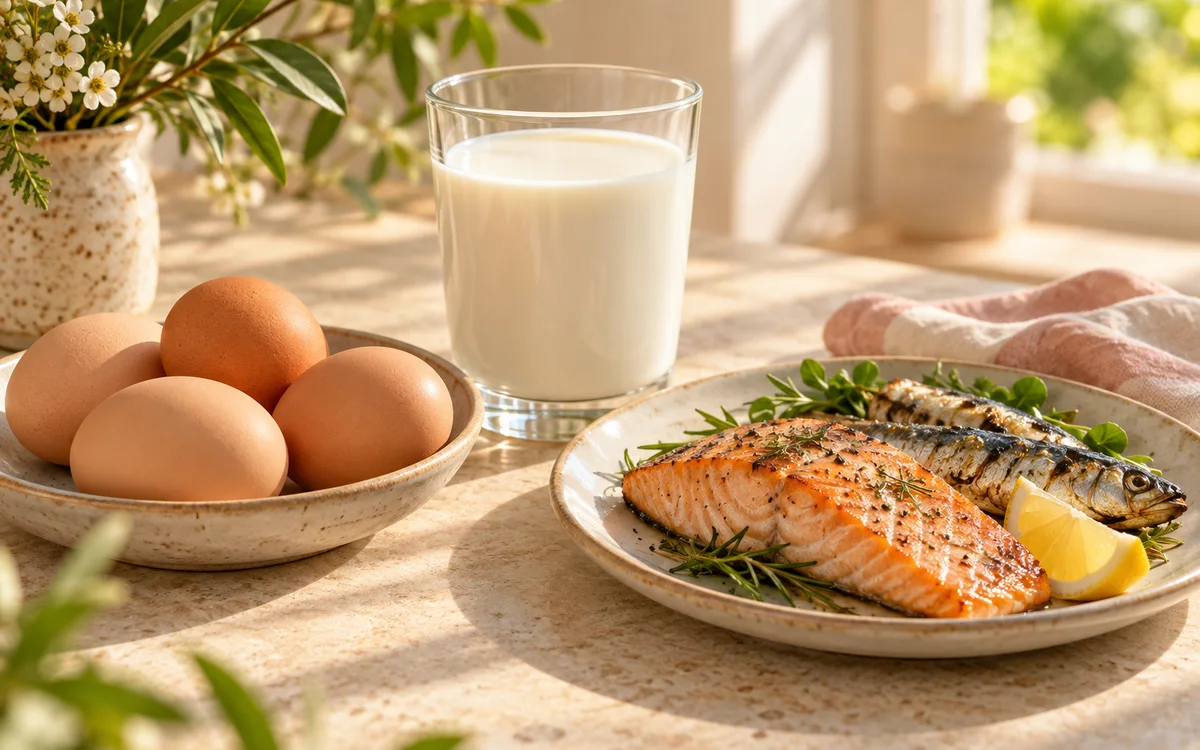
Fluids matter, especially if symptoms include diarrhoea, vomiting or fever. Drink through the day rather than waiting until you are very thirsty. If your clinician prescribed oral rehydration solution, follow the written instructions; if you cannot keep fluids down or keep vomiting, seek help [6, 7]. Protein helps replace what illness and poor appetite have cost: eggs, chicken, fish, milk or yoghurt if tolerated, and legumes once fibre returns. Do not try to catch up in one day; spread protein across small meals [8].
If you have kidney disease, heart disease, diabetes or take diuretics, do not change your fluid amount on your own; ask your clinician [2, 6]. The aim is to stay comfortable and not excessively thirsty, with normal urine, not to drink a fixed amount that is the same for everyone. If appetite stays poor, weight falls quickly, or you cannot eat enough, that calls for nutrition follow-up and medical review [5, 6].
Bringing Fibre Back: Gradually and With Enough Fluid
Fibre should return gradually, not all at once. Start with well-cooked vegetables and soft fruit without skin, then fruit with skin, wholegrains and legumes in small amounts [4, 5]. Add one type every few days and drink enough fluid, because a rapid fibre increase without fluid can cause bloating and constipation [4, 5]. Guidance notes that the benefit of increasing fibre may take several weeks and that a high-fibre diet should be maintained for life if tolerated [4].
Do not expect every increase to feel comfortable from day one; mild bloating can occur and settle with adaptation. But severe or persistent pain or vomiting is not a normal part of adaptation and needs assessment [2, 7]. If food fibre is difficult, discuss alternatives or a supplement with your clinician rather than starting one yourself [4]. If you increase fibre while drinking little fluid, the likely result is bloating and constipation, not improvement.
After Recovery: A Long-Term Pattern, Not a List of Bans
After recovery, the goal is a healthy, varied pattern, not a list of forbidden foods. ACG 2026 recommends a healthy diet rich in fruit, vegetables, wholegrains and legumes, with less red and processed meat and fewer sweets, as part of reducing recurrence risk, but the recommendation rests on limited evidence and is not a guarantee [1, 2]. At the same time, KASID 2026 states that the evidence is insufficient to recommend fibre specifically as a confirmed way to prevent recurrence, although a high-fibre pattern is beneficial for general health [3].
The practical message: choose a healthy, sustainable pattern, build fibre gradually, and do not treat it as guaranteed protection. Physical activity, a healthy weight, stopping smoking and limiting unnecessary painkillers are also mentioned in risk reduction, and your medicines should be reviewed with your clinician [1, 2, 4]. Do not start supplements, probiotics or preventive antibiotics on your own; current guidance does not routinely recommend them for recurrence prevention [2, 3].
Nuts, Seeds and Corn: Permanently Forbidden?
Nuts, seeds and corn attract a lot of fear, but modern guidance does not recommend a permanent ban. ACG 2026 says a healthy diet can be followed without avoiding nuts, seeds, corn or popcorn, and NICE says there is no need to avoid seeds, nuts, popcorn or fruit skins [1, 4]. NIDDK also notes that recent research does not support these foods being harmful for most people [5].
Why do some people react? The cause may be bloating, personal sensitivity or active symptoms, not a seed entering a pouch and causing inflammation. During a flare, or with a known stricture, a clinician may modify texture temporarily, but that is an exception, not a permanent rule [2, 3]. If you tolerate them, do not avoid them out of fear; if they upset you, discuss the reason rather than simply banning the food. Chewing well and keeping portions moderate are practical habits, but they are not a guarantee against a flare.
Signs That Should Stop the Food Experiment and Prompt Urgent Assessment
Some signs do not belong at home or in a diet experiment. Seek urgent assessment or emergency care if pain worsens or becomes constant and severe, or you develop fever, persistent vomiting, inability to keep fluids down, or marked distension with no passing of gas or stool [4, 7]. Blood in the stool or heavy bleeding, severe pain with a rigid tender abdomen, fainting or dizziness, confusion, rapid breathing or reduced urine also need urgent assessment [4, 6, 7].
If symptoms improve and then return, do not decide to close the subject; it is a time to review with a clinician, because inflammation may persist, a complication may have developed, or another cause may be present [2, 4]. Diet is not a substitute for imaging, examination or treatment when your clinician decides they are needed. If there is bleeding from the rectum, even a small amount, have it reviewed medically rather than only changing your food [6, 7].
Preparing for Follow-Up: Questions and Helpful Links
At follow-up, ask: which phase am I in? When should I increase fibre? What signs should make me come back? Do I need a colonoscopy after this episode, and when? Which medicines should be reviewed, especially painkillers? [1, 4]. Bring a note of foods you tolerate and foods that upset you, plus available test and imaging results. If symptoms persist after they should have settled, ask for assessment of other causes instead of continuing to restrict food on your own [2, 4].
If you need help building a balanced plan, you can read the guide to the clinical nutrition doctor vs dietitian, start with the guide to stomach pain after eating if symptoms follow meals, read blood in stool if bleeding is the worry, or read chronic constipation in adults if bowel movements have become difficult. You can use the booking page to arrange a review with the appropriate team, without delaying urgent symptoms [1, 2, 4].