Normal blood sugar levels: the numbers first
Normal fasting laboratory glucose is below 100 mg/dL after at least 8 hours without calories, while a formal 2-hour oral glucose tolerance test is normal below 140 mg/dL. A normal laboratory A1C is below 5.7%; there is no single context-free normal random-glucose number that diagnoses everyone [1, 2]. These are diagnostic thresholds for nonpregnant adults, not universal treatment goals for people who already have diabetes [1]. If your fasting or after-meal result differs, first check the test name: a reading two hours after your own breakfast is not the same as the laboratory tolerance test after a measured glucose drink. A finger-stick meter helps with monitoring but does not replace laboratory testing for diagnosis [1, 8]. Write down when you last ate or drank, medicines and any symptoms beside the number. If you want your report reviewed in Maadi, Book your appointment with a clinician and confirm the available time when booking.
Fasting glucose: normal, prediabetes and diabetes
Normal fasting plasma glucose is below 100 mg/dL. A result from 100 to 125 mg/dL is in the prediabetes range; 126 mg/dL or higher reaches the diabetes diagnostic range when confirmed according to diagnostic rules [1, 3]. Fasting means at least 8 hours without food or calorie-containing drinks; water is allowed. The test is often done in the morning after an overnight fast. Do not deliberately alter the fasting period to obtain a better-looking number [1]. If you use insulin or another medicine that can cause a low, ask your care team for your own preparation instructions instead of withholding or changing treatment yourself. A result near a threshold needs interpretation alongside symptoms, age and earlier tests; prediabetes is not diagnosed by how you feel after eating [1, 3]. Keep the complete report because units, reference interval and sample method can matter. A home meter's fasting reading does not replace laboratory plasma glucose when the question is diagnosis [1, 9].
Two-hour glucose: a tolerance test is not a meal
In a formal oral glucose tolerance test, the lab measures glucose two hours after a specified glucose drink. Below 140 mg/dL is normal, 140 to 199 mg/dL is the prediabetes range, and 200 mg/dL or higher reaches the diabetes diagnostic range when appropriately confirmed [1, 3]. These cutoffs belong to the standardised tolerance test, not any reading after lunch or breakfast. Ordinary meals differ in carbohydrate and fat content and in when eating begins, so the test's cutoffs cannot simply be applied to a home meal [1]. If the report only says two hours after eating, ask whether it was a formal glucose challenge or monitoring after an ordinary meal. That distinction prevents false reassurance and needless alarm. Someone who already has diabetes may check after-meal glucose for monitoring, using a different treatment goal agreed with the team [7]. Record when the meal began, when you tested and which medicines you took. When results disagree, the clinician may repeat a test or compare a different diagnostic method [1, 3].
Random glucose: when 200 mg/dL matters
Random glucose is measured without requiring a fast, so its value depends partly on recent food. Under diagnostic guidance, a random laboratory plasma glucose of 200 mg/dL or higher together with classic high-glucose symptoms, such as marked thirst, frequent urination and unexplained weight loss, can establish diabetes. The same number without those symptoms is not automatically a final diagnosis [1, 3]. There is no accepted random-glucose prediabetes band comparable to fasting or tolerance-test ranges. Nor can every random result be labelled normal or abnormal without knowing the meal, timing, symptoms and method. Seek prompt care if severe symptoms or rapid deterioration occur rather than waiting for a routine test. If a home reading is unexpectedly high while you feel well, wash and dry your hands, repeat it with a valid strip as instructed for your meter, and discuss laboratory testing with a clinician [8, 9]. The early diabetes symptoms and tests guide explains when symptoms call for timely investigation instead of scattered checks [2].
A1C: the longer-term picture
A1C below 5.7% is normal; 5.7% to 6.4% is the prediabetes range; 6.5% or above is in the diabetes diagnostic range when appropriately confirmed [1, 2]. The test reflects average glucose over roughly the previous two to three months and does not itself require fasting. It cannot show whether a particular meal caused a spike or whether a low occurred [5, 11]. Results can mislead when red blood cells or haemoglobin are affected, including some anaemias, after a transfusion and in pregnancy. A clinician may then favour another glucose test [5, 11]. Do not compare an A1C percentage with a mg/dL reading as if they were the same measurement. If an A1C result seems at odds with home readings, bring both for review rather than keeping only the reassuring number. The A1C test guide explains the test's limits and follow-up in greater depth. This article places it beside fasting and tolerance testing so the overall picture is easier to read [1, 5].
Why one reading usually does not diagnose diabetes
Unless high glucose is unequivocal with classic symptoms or a hyperglycaemic crisis, diagnosis generally requires a second confirmatory result, either from the same test or another appropriate test [1, 3]. Acute illness, meal timing, test differences and preparation can affect a result. A fasting value of 102 mg/dL or A1C of 5.8% therefore prompts a discussion about risk and follow-up, rather than a final judgment from one snapshot [1]. Prediabetes indicates higher risk and warrants a workable plan and monitoring, but it does not mean everyone automatically needs medicine. The question does prediabetes need medicine? goes into that decision before you choose a supplement or drug online [3]. A normal result also may not settle the matter if you have convincing symptoms or risk factors; a clinician may choose another type of test or a suitable repeat date. One normal finger-stick check does not rule out chronic disease. Keep the separate questions of diagnosis and monitoring an established treatment clear, because each has different tools and interpretation [1, 8].
Diabetes treatment targets are not diagnostic cutoffs
If you already have diabetes, your team sets monitoring goals according to age, medicines, hypoglycaemia risk and other conditions. For many nonpregnant adults, ADA general targets are 80 to 130 mg/dL before a meal, below 180 mg/dL one to two hours after the meal begins, and A1C below 7%; your own goals may be higher or lower [6, 7]. Do not compare a treatment target before a meal with the diagnostic fasting cutoff below 100 mg/dL and conclude that care has failed. They answer different questions. For some people, preventing lows matters more than chasing a lower number [6]. Keep readings with meal time, activity, medicine and symptoms; a contextual series is more useful than one surprising value. If you take insulin or a medicine that can cause lows, ask for a written plan for low readings [4]. Do not alter treatment on your own to reach an online target, because a safe change depends on the medicine and your day-to-day circumstances [6, 7].
Low blood sugar: the 70 mg/dL threshold and symptoms
Glucose below 70 mg/dL is considered low and deserves attention; below 54 mg/dL is a more serious low. Shaking, sweating, hunger, palpitations, dizziness and poor concentration may occur, with confusion or loss of consciousness as the condition worsens [4]. Lows particularly matter for people using insulin or certain diabetes medicines. A delayed meal or activity beyond the usual plan can contribute [4]. If you are awake and able to swallow, follow the low-glucose treatment plan supplied by your team. If swallowing is unsafe or consciousness is lost, seek emergency help immediately and give nothing by mouth. Do not dismiss low-glucose symptoms just because a meter displays an implausible number; check hands and strips and repeat the test when possible without delaying necessary help [4, 9]. Recurrent low readings in someone who takes no diabetes treatment also deserve medical assessment of the cause, rather than only eating something sweet each time.
Home meter technique and pregnancy
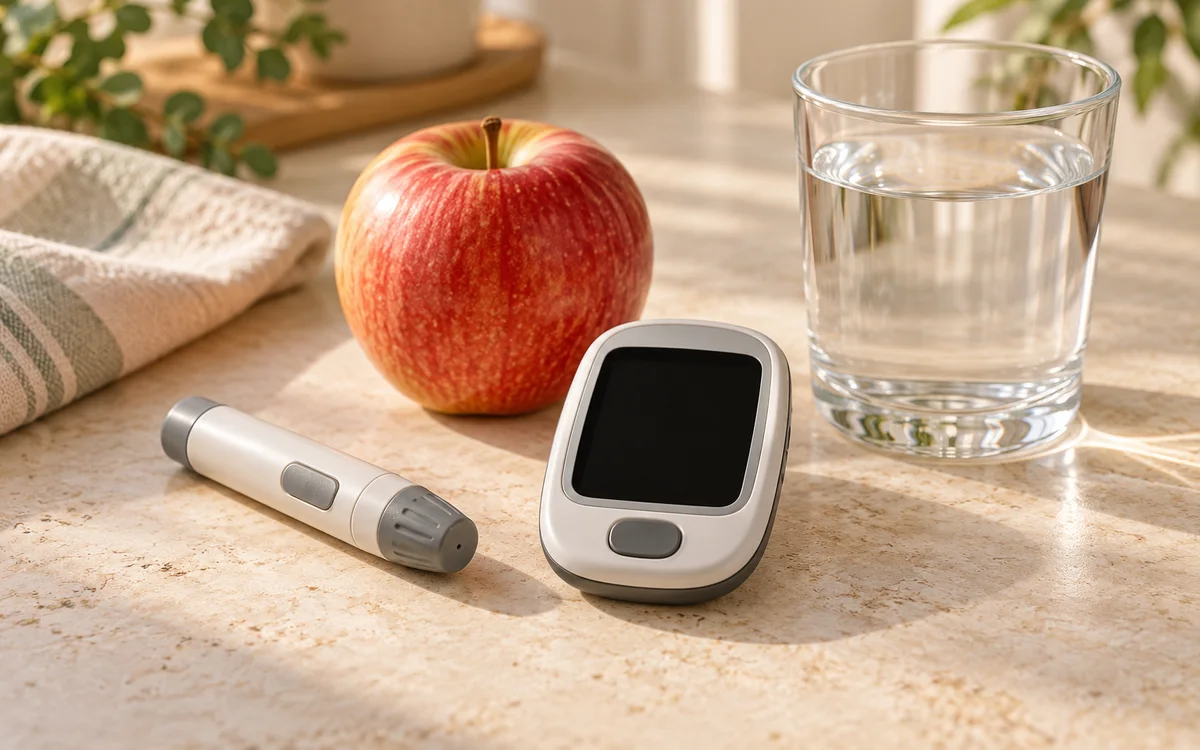
Before using a meter, wash and dry your hands, use the correct unexpired strip and follow the device instructions. Food residue on fingers or damaged strips can distort a reading [8, 9]. Record whether the check was fasting, before a meal or a defined time after the meal began. If the number does not fit how you feel, repeat it after reviewing the steps, while seeking urgent help if symptoms are severe. A home meter is a monitoring tool, not the sole way to diagnose prediabetes or diabetes [1, 8]. Pregnancy is different: it has its own testing approach and treatment targets. Do not automatically apply the nonpregnant adult ranges in this guide [10]. Arrange early follow-up if a high reading appears in pregnancy or if you have diabetes and are planning pregnancy. The separate normal glucose and high insulin question explains why an insulin level does not replace accepted diagnostic glucose criteria [1].
Reviewing glucose results and nutrition in Maadi
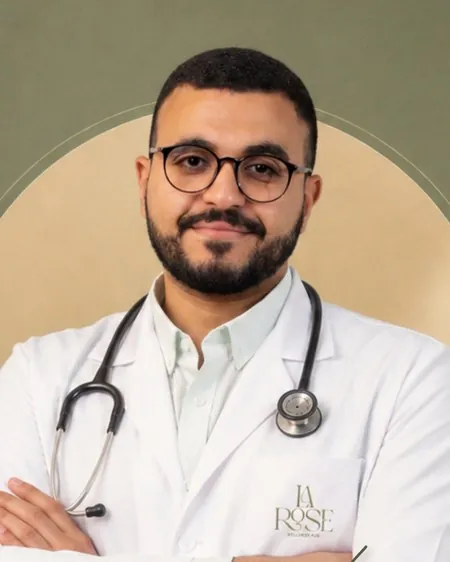
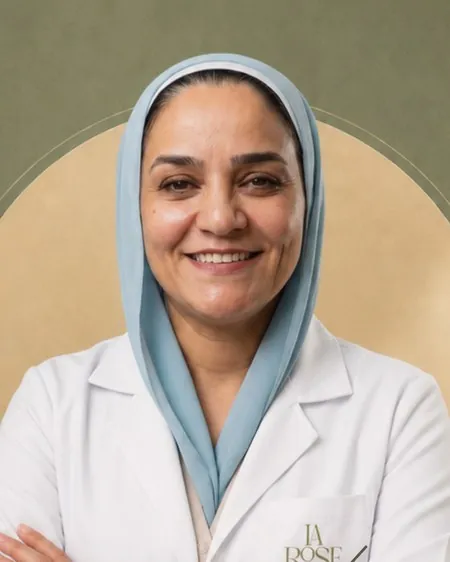
Bring the original laboratory reports, fasting time, medicine list and a log of any home readings if results conflict or fall into a prediabetes or diabetes range. At La Rose in New Maadi, Dr Mohab Ashraf Fouad can review them on Saturday from 4 to 7 pm. Clinical nutrition can be discussed with Dr Shimaa Fouad in Maadi on Saturday, Monday and Tuesday from 3 to 8 pm. The address is 14 Al Mokhtar Street, off Al Nasr Street, behind QNB Bank; confirm the schedule when booking. The next step might be a confirmatory test, an eating and activity plan suited to your circumstances, or adjustment of existing follow-up. That depends on the type of result and your symptoms [1, 3, 7]. Marked thirst with vomiting, confusion or rapid deterioration needs urgent assessment rather than a routine slot. The diabetes doctor in Maadi page has service details. The aim is to understand a number in context, not pronounce a diagnosis from an incomplete screenshot. To book, call or WhatsApp 010 4066 1893, or use the booking page.