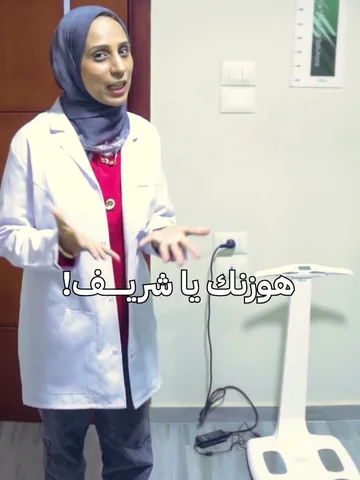
In this video, clinical nutritionist Dr. Shaimaa Fouad delivers a motivating call to action, urging patients to stop scrolling and delaying essential health decisions. Emphasizing that personal energy, cognitive focus, and overall vitality deserve a science-backed clinical strategy, she outlines the structured care pathway provided at La Rose clinics. The process initiates with comprehensive medical evaluations and InBody body composition analysis to identify root contributors like insulin resistance or hormonal imbalances. Patients receive individualized therapeutic nutrition plans alongside close weekly monitoring, ensuring continuous support until target health and weight milestones are sustainably achieved.
Key points
Stop postponing wellness goals and initiate a structured medical plan.
Comprehensive clinical evaluation and InBody analysis reveal root causes.
Tailored nutrition programs designed to optimize energy without starvation.
Continuous weekly medical supervision until reaching healthy targets.
Clinical nutritionist Dr. Shaimaa Fouad outlines a medical weight loss program from the first step. It begins with medical assessment and an InBody composition assessment to explore contributors such as insulin resistance or hormonal issues instead of relying on random dieting.
After assessment, the personalised diet plan is shaped around the person’s routine without starvation, with weekly follow-up to review adherence, response and needed adjustments. This is the practical role of a clinical nutrition consultation in the video: not a fixed sheet, but a plan that responds to data, symptoms and goals.
The visit usually reviews health history, eating, symptoms and body measurements, then decides whether tests would help. The video describes starting with medical assessment and an InBody scan rather than a fixed diet sheet. See the first-visit guide for more detail.
It depends on your goals, health history, medicines and related problems. A clinical nutrition doctor can connect weight management with medical assessment, while a dietitian may focus on food planning within their scope. Read the guide to choosing between them.
Yes, some people may suit a structured plan using assessment, nutrition and follow-up without injections, but the route depends on health and goals. The video says the plan follows assessment rather than assuming one treatment. See the non-injection medical weight-loss guide.
An InBody assessment adds information about body composition and can help follow fat and lean-mass trends, but it does not replace an examination or act as a stand-alone diagnosis. The clinician interprets it with symptoms and history and adjusts the plan when needed.
A practical guide explaining the difference between a clinical nutrition doctor and a dietitian: medical scopes, chronic disease decisions, and clinic visits.
A first weight-management visit is more than a number on the scale. Learn what is discussed and measured, when tests help, and how to prepare for an assessment shaped around your health and circumstances.
Can you lose weight without injections? Learn how to build a structured medical plan using clinical assessment, blood tests, balanced nutrition, and body composition monitoring.