Why the Sixth Month Marks a Critical Turning Point in Infant Iron Needs
During the final trimester of pregnancy, a developing baby builds up an essential supply of iron transferred across the placenta from the mother. This reserve typically sustains rapid growth and red blood cell production for the first four to six months of life [1, 10]. Human breast milk remains the optimal nutritional foundation for young infants; although its absolute iron concentration is relatively modest compared to iron-fortified formulas, its bioavailability is exceptionally high, reaching approximately 50% absorption due to natural lactoferrin and the gut environment [1, 2, 12]. However, by approximately six months of age, these innate iron stores become substantially depleted while the infant's body weight doubles and lean muscle mass expands. This elevates daily dietary iron requirements to approximately 11 mg per day, a demand that milk feedings alone can no longer satisfy [1, 4, 10].
Iron is far more than a building block for red blood cell hemoglobin and oxygen delivery. It is an essential mineral required for brain nerve insulation (myelination) and the production of key brain chemicals like dopamine and serotonin that regulate cognitive focus, motor coordination, and temperament [3, 10, 12]. Long-standing iron insufficiency throughout this critical developmental window can compromise long-term learning and motor development, even before circulating hemoglobin drops enough to trigger overt clinical anemia [3, 10]. For this reason, modern clinical feeding guidelines from the World Health Organization and the American Academy of Pediatrics prioritize nutrient-dense, iron-rich complementary foods right from the introduction of solids [1, 4]. Parents are encouraged to implement responsive feeding cues, honouring the infant's natural hunger and fullness signals without pressure or forced feeding [1, 4].
Heme Iron Animal Sources: Safely Introducing Meat, Poultry, and Eggs
Dietary iron exists in two primary forms: heme iron, derived from hemoglobin and myoglobin in animal meat, and non-heme iron, found predominantly in plant sources and fortified foods. Heme iron demonstrates superior infant bioavailability, with gut absorption rates ranging from 15% to 35%, and its uptake remains largely undisturbed by dietary blockers such as phytates or polyphenols [1, 13, 14]. Consequently, contemporary pediatric nutrition guidelines actively encourage introducing thoroughly cooked red meat and poultry early in complementary feeding, overturning historical misconceptions that restricted first solids to plain rice cereals or starchy root purees [1, 5, 14].
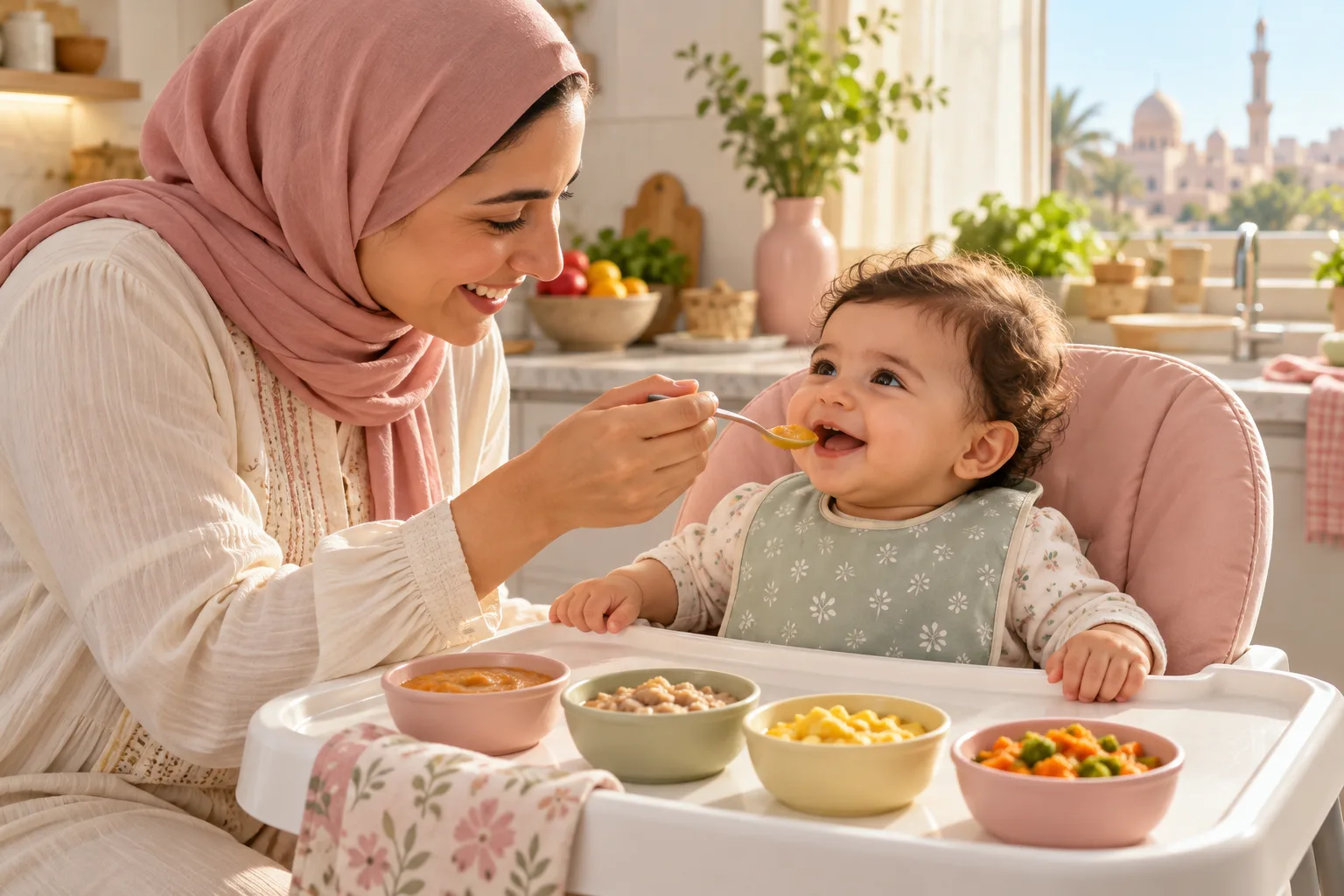
To safely prepare red meat for infants aged 6 to 8 months, lean beef or lamb should be stewed or boiled until completely tender and falling apart, then pureed in a blender with unsalted cooking broth or expressed breast milk until an entirely smooth, velvety paste without stringy fibers is achieved [5, 6, 14]. Poultry constitutes another stellar choice; chicken thighs and dark meat provide significantly more bioavailable iron than breast meat and blend easily into a moist, spoon-ready consistency [13, 14]. Whole eggs provide an accessible, nutrient-dense package; hard-boiled egg yolk delivers iron, zinc, and dietary choline for brain growth, which can be mashed smoothly with a drop of warm water or milk [5, 9, 14].
Fresh poultry or calf liver contains extraordinarily dense concentrations of heme iron and bioavailable zinc, but its clinical use demands careful parental moderation [5, 6]. Because animal liver also concentrates exceptionally high amounts of vitamin A (retinol), chronic excessive intake risks liver accumulation and childhood toxicity. The established clinical rule is to offer no more than one small teaspoon of thoroughly cooked, pureed liver once every one to two weeks, avoiding routine daily administration [5, 6, 13]. Thorough cooking remains essential for all animal products: runny eggs, undercooked meats, or raw preparations are strictly prohibited to prevent dangerous pediatric foodborne infections such as Salmonella [6, 9].
Plant-Based Non-Heme Iron and Absorption Synergy: Boosting Bioavailability with Vitamin C
Plant-based dietary sources deliver non-heme iron and represent accessible, economical staples in family households. Key non-heme sources for babies include yellow and brown lentils, soft chickpeas, white navy beans, ground rolled oats, iron-fortified infant cereals, and smooth tahini prepared from 100% pure hulled sesame seeds [1, 12, 13]. However, the physiological challenge of non-heme iron lies in its modest baseline bioavailability, frequently averaging only 2% to 8% in the infant intestine. This constraint arises because plants naturally contain phytates, polyphenols, and oxalates that bind ferric (Fe3+) iron into insoluble complexes, impeding absorption across the gut lining [12, 13, 15].
This nutritional hurdle is readily overcome through nutrient synergy by coupling plant-based meals with ascorbic acid, known as vitamin C [8, 13]. Ascorbic acid reduces ferric iron to its soluble ferrous (Fe2+) state while forming stable compounds in the intestine, thereby counteracting the blocking action of phytates and multiplying non-heme iron absorption three- to fourfold within the very same meal [8, 13, 15]. Caregivers do not require artificial supplements to accomplish this; natural, developmentally suitable fruits and vegetables easily provide ample ascorbic acid [8, 14].
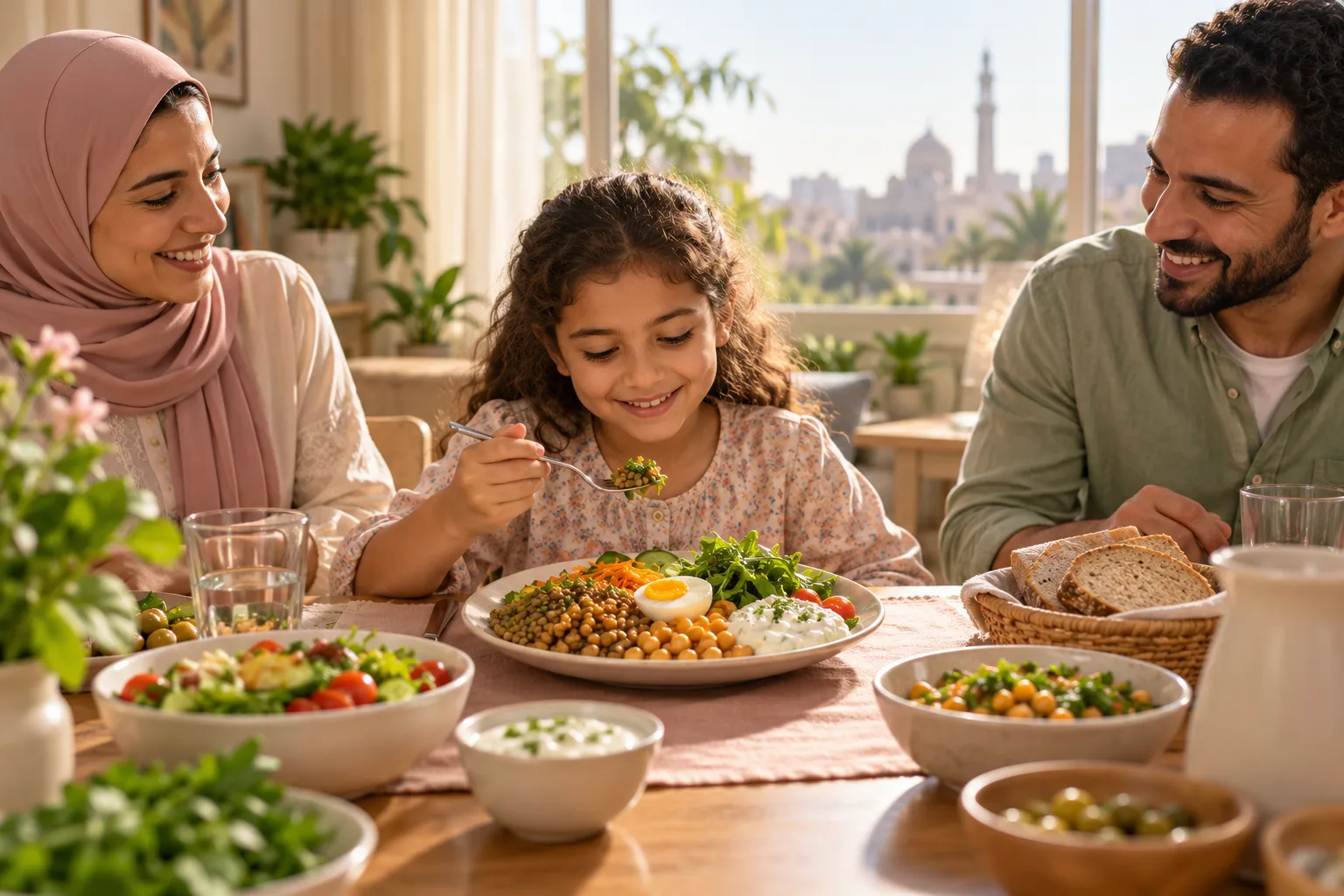
Practical pairings illustrate this synergy in daily feeding: when offering a bowl of well-cooked, silky pureed yellow lentils, add a tiny drop of fresh lemon juice or a spoonful of stewed sweet tomato puree [8, 13, 14]. Similarly, when preparing warm rolled oats or iron-fortified infant porridge, blend in mashed seedless guava, pureed ripe strawberries, mild sweet red bell pepper puree, or sweet orange pulp [8, 14]. As your child progresses beyond infancy, their dietary repertoire broadens into comprehensive family-style iron selections across everyday meals [1, 13].
Common Feeding Errors That Impair Iron Absorption: Cow's Milk and Prohibited Drinks
Conversely, several widespread complementary feeding errors can inadvertently sabotage infant iron status and prevent optimal nutrient use. Foremost among these pitfalls is introducing unmodified whole cow's or buffalo milk as a primary beverage before twelve months of age [1, 7, 11]. Unmodified cow's milk contains negligible elemental iron with exceedingly poor absorption [7, 11]. Crucially, intact cow's milk proteins induce subclinical gut irritation and microscopic occult bleeding in immature infant gut lining, continuously depleting circulating iron reserves while excess calcium and minerals overtax undeveloped infant kidneys and compete with iron transporters [1, 7, 11].
A secondary common misstep is routinely pairing large servings of dairy products, such as whole-milk yogurt or mild cheeses, directly with plant-based non-heme iron meals. High concentrations of dietary calcium directly compete with ferrous iron for uptake via divalent metal transporter 1 (DMT1) across the intestinal wall [7, 11, 13]. While modest portions of plain pasteurized whole yogurt or low-sodium cottage cheese represent wholesome independent snacks after six months, spacing dairy feeds by one to two hours away from key iron-focused meals optimizes intestinal absorption [7, 11].
Another harmful traditional practice observed in some households is offering sips of black tea, sugary herbal infusions, or sweetened juices to soothe an infant. Tea leaves contain rich concentrations of polyphenolic tannins that bind dietary iron into unabsorbable forms, depressing absorption by upwards of 70%, while caffeine causes needless neurological excitation [6, 7]. Similarly, commercial fruit juices and excessive sweet drinks flood the infant's limited stomach capacity with simple sugars, blunting appetite for calorie-dense, iron-rich meats and legumes necessary for steady growth [6, 7, 14].
Developmental Texture Progression and Choking Prevention: From Smooth Puree to Soft Finger Foods
Infant complementary feeding involves far more than tracking dietary milligrams of iron; it represents an essential motor learning process that progresses month by month alongside jaw movement and swallowing coordination [4, 5, 12]. At the onset of complementary feeding between 6 and 7 months, pureed meats, legumes, and fortified grains must feature a silky, entirely uniform texture without lumps, allowing the infant to smoothly swallow without gagging or breathing distress [4, 5, 14]. Once this initial milestone is mastered, continuing purees indefinitely is counterproductive; between 8 and 9 months, advancing toward thick, fork-mashed textures with soft, swallowable micro-lumps and finely minced moist meats encourages active tongue movement and jaw chewing [5, 12, 14].
As infants reach 10 to 12 months, neuromuscular maturation yields the developmental pincer grasp, allowing them to self-feed soft finger foods safely [4, 5, 14]. Appropriate iron-rich finger foods include tender, braised ground beef meatballs that collapse easily when pressed between adult fingertips, paper-thin shreds of moist stewed chicken thigh, soft quartered hard-boiled eggs, and steamed sweet potato batons cooked to a buttery tenderness [4, 5, 6]. For additional guidance on successfully bridging these textured phases without prompting food refusal, parents can review safe texture progression for children [5, 14].
Choking anxiety is the most prevalent parental barrier when advancing food textures, making the distinction between protective gagging and true airway choking paramount [4, 5, 6]. Gagging is a normal, noisy reflex mediated by sensors on the tongue that forcefully pushes food forward; the infant coughs, sputters, turns red, and successfully clears the airway while vocalizing and breathing normally, requiring calm parental watching rather than panicked finger sweeping [4, 5]. In sharp contrast, true airway choking is completely silent: foreign material wedges within the airway, extinguishing airflow so the child cannot cough, vocalize, or cry, while facial tissues rapidly shift to pallor or blueness, an acute life-threatening emergency demanding immediate back blows and chest thrusts [4, 6]. To prevent choking, high-risk physical foods are strictly avoided under 12 months: whole nuts, whole round grapes, uncut cherry tomatoes, hard raw carrots or apple wedges, popcorn, and tough chunks of unminced meat [6, 14].
Safely Introducing Major Allergens Alongside Iron-Rich First Foods
A notable reality of infant feeding is that premier natural sources of bioavailable iron and zinc overlap with the major recognized food allergens, including whole eggs, fish, sesame (tahini), and legumes such as soy and peanuts [1, 5, 9]. For decades, outdated advice suggested delaying allergenic foods until age one or beyond; however, modern immunological trials have definitively reversed this stance. Current evidence demonstrates that delaying allergenic introductions beyond six months actually heightens the risk of food sensitization, whereas proactive, timely introduction between 6 and 12 months fosters mucosal oral immune tolerance [1, 4, 9].
To introduce potentially allergenic iron sources with utmost safety, caregivers should strictly apply the single-food rule. Introduce only one new recognized allergen at a time, preferably during the morning or early afternoon so the infant remains awake and closely observed by parents for several hours, rather than right before bedtime [5, 9, 14]. Begin with an exploratory micro-dose (such as one-quarter teaspoon of thoroughly cooked, mashed whole egg or well-diluted pure sesame tahini stirred into vegetable puree) and maintain that specific food for 48 to 72 hours without introducing another novel ingredient to isolate clinical responses accurately [5, 9].
Caregivers must be equipped to distinguish genuine allergic reactions from harmless skin irritation. Immediate allergic reactions manifest within minutes up to two hours post-ingestion, presenting with widespread hives, acute swelling of the face or lips, projectile vomiting, profuse watery diarrhea, or severe respiratory symptoms like stridor, wheezing, and pronounced lethargy [9, 14]. Conversely, localized redness around the mouth following contact with acidic foods such as tomatoes or citrus is merely superficial contact irritation rather than systemic allergy [9]. If true allergic signs emerge, the food must be suspended immediately, and prompt pediatric consultation is required to arrange definitive assessment [5, 9].
Age-Staged Daily Meal Plans: Practical Iron-Rich Menus from the Egyptian Kitchen
Translating paediatric nutritional principles into workable daily home meals requires realistic structuring tailored to the infant's expanding digestive capacity, without reliance on specialty commercial preparations; wholesome domestic staples provide abundant iron [1, 2, 4]. For infants aged 6 to 8 months, breast milk or infant formula remains the caloric mainstay, with solid complementary feeds starting at one to two modest meals daily, offering two to three spoonfuls per sitting [2, 4, 14]. A sample schedule: morning breastfeed, followed mid-morning by smooth iron-fortified oat porridge blended with mashed ripe guava or stewed apple; mid-afternoon lunch features silky pureed chicken thigh stewed with zucchini and carrot, moistened with unsalted broth [1, 4, 8].
Between 8 and 10 months, the feeding regimen expands to two or three structured meals possessing thicker fork-mashed textures, supplemented by an optional nutrient-dense snack [2, 4, 14]. A representative daily menu: breakfast consists of a mashed hard-boiled egg yolk folded with a drizzle of extra virgin olive oil or mashed avocado; lunch delivers thick, fork-crushed yellow lentil stew prepared with stewed tomato puree and a drop of fresh lemon juice to maximize iron absorption; dinner features iron-fortified multi-grain cereal mixed with mashed baked sweet potato and stewed pear puree [4, 8, 14].
By 10 to 12 months, the infant actively transitions toward modified family table foods, comfortably handling three balanced daily meals plus one or two wholesome finger-food snacks alongside on-demand milk feedings [1, 2, 14]. A representative menu: breakfast includes soft scrambled whole egg ribbons paired with peeled ripe tomato quarters; lunch provides tender, softly stewed ground beef meatballs simmered in mild unspiced tomato broth alongside steamed zucchini batons and fork-mashed potato; dinner offers peeled, mashed brown fava beans or lentils folded with a teaspoon of pure sesame tahini and freshly squeezed lemon [1, 4, 8, 14]. Caregivers should remain reassured that infant appetite naturally fluctuates day to day with teething and developmental spurts; consistent offering of iron-dense options without coercion is the clinical priority [1, 2].
When Food is Not Enough: Anemia Warning Signs and Pediatric Care at La Rose
Notwithstanding the foundational role of complementary nutrition in preventing micronutrient depletion, distinguishing between dietary prevention and clinical management of established iron deficiency is vital [1, 3, 10]. Once an infant's physiological iron stores are exhausted and frank iron deficiency anemia develops, gut absorption from dietary foods alone cannot restore depleted bone marrow and liver ferritin reserves quickly enough to safeguard accelerating brain development [3, 10, 15]. In such clinical scenarios, therapeutic elemental iron supplementation, administered under precise paediatric calculation and supervision, becomes an absolute medical necessity [3, 10].
Caregivers must remain alert to red-flag symptoms warranting prompt clinical evaluation: persistent pallor across the inner eyelids, lips, or nail beds; uncharacteristic lethargy, tiredness, and diminished social engagement; shortness of breath or rapid fatigue during active feeds; chronic poor appetite and persistent refusal of solids; unexplained irritability, disrupted sleep, or flattening of the infant's growth trajectory and head circumference percentiles [3, 10, 11]. For detailed clinical insights into laboratory investigations and medical protocols, caregivers can review symptoms and diagnosis of iron deficiency in children [3, 10].
We strongly caution against self-prescribing over-the-counter pediatric iron drops without formal professional guidance. Pediatric therapeutic iron dosages are calculated precisely according to the infant's exact weight in kilograms and laboratory indices; empirical overdosing carries severe risks of stomach irritation and potentially fatal acute iron toxicity [10, 15]. At La Rose Wellness Hub, the medical team provides thorough developmental, anthropometric, and nutritional appraisals, coordinating targeted diagnostic tests such as complete blood counts (CBC) and serum ferritin when indicated, while tailoring individualized dietary strategies to ensure your child thrives safely [1, 3, 15]. For non-urgent concerns, you can book a consultation with the medical team.