Vegetarian dietary patterns and child growth: evidence on safety and requirements
Parental interest in plant-based and vegetarian meals for children has grown considerably in recent years, whether motivated by health benefits, environmental concerns, or family dietary philosophies [4, 8, 11]. Trusted public health authorities, including the World Health Organization and the UK National Health Service, affirm that a thoughtfully planned vegetarian diet can provide all the essential nutrients needed to support healthy physical growth and brain development throughout infancy, childhood, and adolescence [1, 2, 4, 11]. However, feeding a growing child on plant-based foods is physically quite different from adult dietary habits: growing children have much higher energy and micronutrient needs per kilogram of body weight, yet they have smaller stomachs that limit how much food they can comfortably eat in a single meal [1, 2, 9, 11].
It is clinically important from the outset to understand the difference between a lacto-ovo vegetarian diet (which includes dairy foods and eggs) and a strict vegan diet that excludes all animal-derived foods entirely [4, 8, 11]. A child who consumes dairy products and eggs easily receives high-quality complete proteins along with generous amounts of dietary vitamin B12, absorbable calcium, and vitamin D, making nutritional balance straightforward and adaptable within ordinary family meals [4, 8, 11]. In contrast, a strict vegan eating pattern requires careful, continuing nutritional attention and organized planning to replace nutrients that are completely missing from unfortified plant foods (foremost among them vitamin B12), alongside close attention to providing enough daily energy and calories [2, 9, 10, 11].
One of the main physical hurdles in pediatric plant-based nutrition is that young children can feel full too early because of the sheer physical bulk and high fiber content of whole plant foods [1, 2, 11]. While dietary fiber offers clear benefits for healthy bowels and long-term metabolic health, too much rough fiber can fill up a child's small stomach before their caloric and protein requirements are fully met, which can slow down their growth curve [1, 7, 11]. For this reason, modern pediatric nutrition guidelines highlight including calorie-dense, nutrient-rich foods in young children's daily routines (such as sesame tahini, smooth peanut butter, extra-virgin olive oil, and mashed avocado) alongside well-cooked, easy-to-digest beans and enriched grains [1, 2, 4, 11].
Protein for the vegetarian child: ensuring quality and amino acid adequacy
Many parents wonder whether a vegetarian child can get enough dietary protein to build muscle, support tissue healing, and maintain a healthy immune system [4, 8, 11]. Modern nutritional research shows that true isolated protein deficiency is extraordinarily rare in vegetarian children whose diets provide enough total daily calories from a variety of whole foods [4, 8]. Proteins are built from amino acids, nine of which are considered essential because the human body cannot produce them on its own [8]. While animal foods like eggs and dairy supply all essential amino acids in balanced proportions that are easy to absorb, individual plant proteins often have lower amounts of one or two specific amino acids, such as lysine in grains or methionine in legumes [4, 8].
Older dietary advice claimed that plant proteins had to be strictly combined at every single meal (such as always eating rice and lentils together on the same fork) to create a complete protein [8]. Modern nutritional science has thoroughly replaced this outdated belief: the human body maintains a temporary pool of free amino acids that it continuously recycles throughout the day, which means that eating a varied selection of plant protein sources over the whole day is completely sufficient to meet all essential amino acid needs [8, 11].
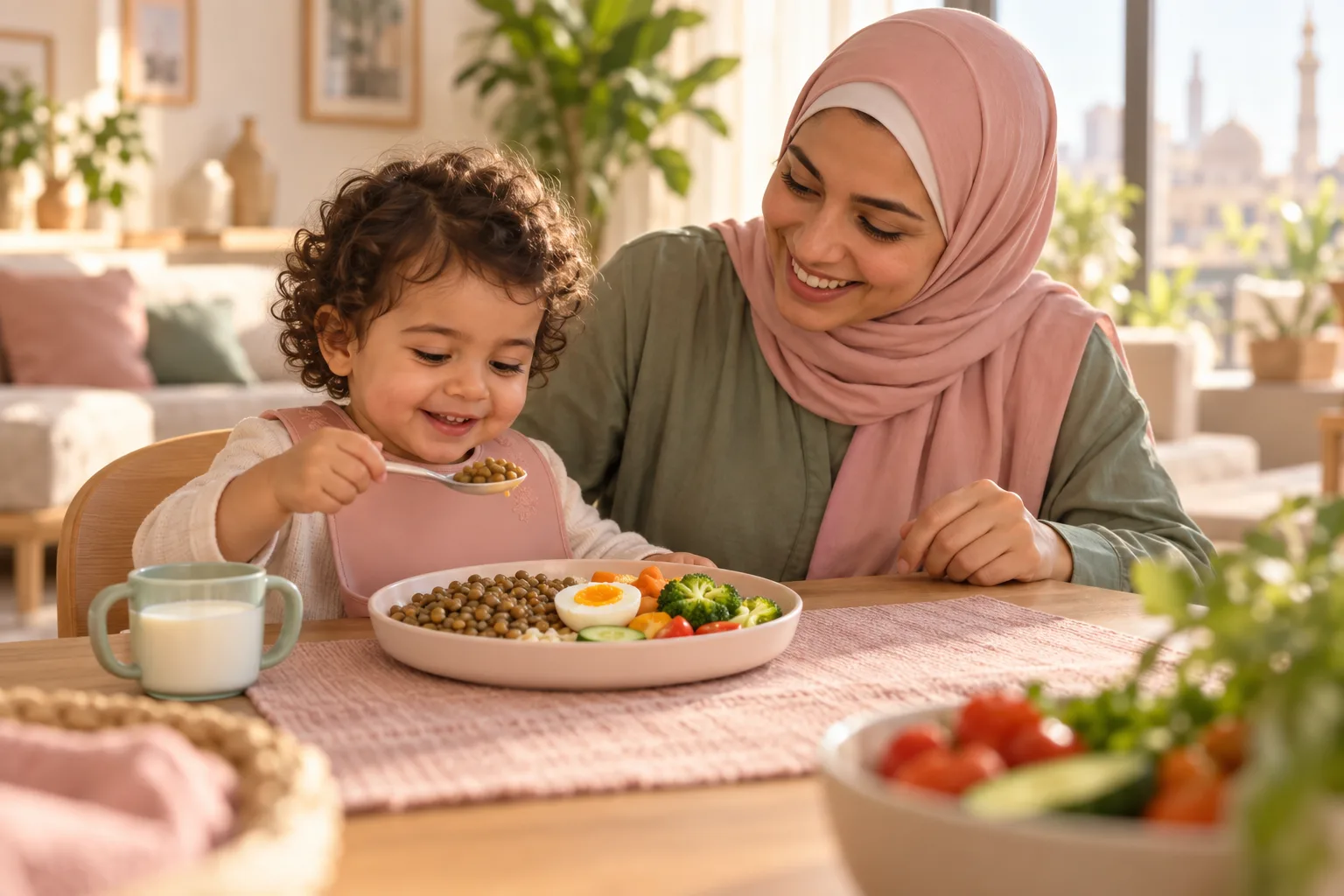
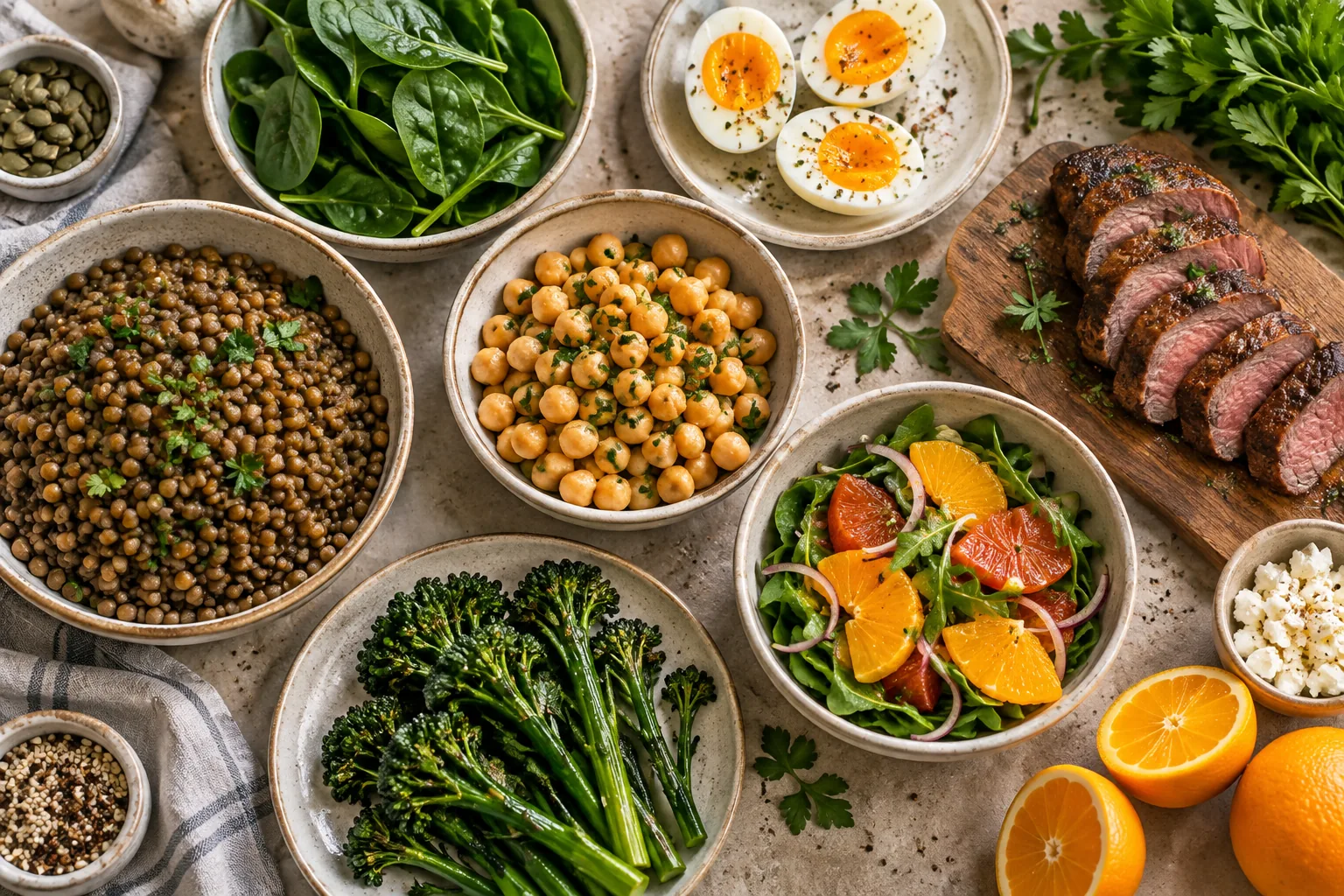
Traditional everyday foodways provide wonderful, accessible plant protein staples that fit easily into a child's daily menu [4, 8]. Outstanding plant protein staples include legumes such as mashed stewed fava beans (foul medames), brown and yellow lentils, chickpeas, black-eyed peas, and white kidney beans, complemented by nutrient-rich grains like rolled oats, cracked freekeh, and whole-wheat baladi bread, as well as ground seeds and nuts like sesame tahini and natural peanut butter [1, 4, 8]. For children following a lacto-ovo pattern, a single boiled egg or a serving of whole-milk plain yogurt provides a concentrated source of easy-to-digest, complete reference protein [4, 8]. To understand adult plant-based protein principles and how they differ from pediatric growth demands, you can review our consultation on adult vegetarian nutrition [8].
Iron for vegetarian children: mastering non-heme absorption and preventing anaemia
Dietary iron is a fundamental mineral required for healthy child brain development, learning, and making hemoglobin to carry oxygen throughout growing organs and the brain [1, 5, 12]. In food, iron comes in two distinct forms: heme iron, found exclusively in animal flesh like meat, poultry, and fish, which boasts a consistently high absorption rate; and non-heme iron, found in plant tissues, eggs, and fortified products [4, 5, 8]. Plant iron absorption is inherently lower and physiologically sensitive to meal composition in the gut: specific dietary factors can amplify absorption two- to three-fold, whereas inhibitory ligands can markedly impair uptake [4, 5, 8, 12].
Top plant sources of iron for children include brown and red lentils, chickpeas, fava beans, dark leafy greens like molokhia and spinach, broccoli, unsweetened dried fruits like raisins, prunes, and dried apricots, carob or date molasses, and iron-fortified whole cereals [4, 5, 8]. The single most potent strategy for maximizing non-heme iron bioavailability is pairing plant iron with a rich source of ascorbic acid (vitamin C) within the exact same meal [4, 5, 8]. Vitamin C changes plant iron into a more soluble form that passes smoothly through intestinal transport channels into the body [5, 8]. In daily cooking, this is easily accomplished by squeezing fresh lemon juice over stewed beans or lentil soup, serving slices of sweet bell pepper or fresh tomatoes alongside grains, or offering orange wedges, strawberries, or mandarins as part of the meal [4, 5, 8].
Conversely, untreated cereal brans and legumes contain phytic acid (phytates), while tea contains polyphenolic tannins, both of which bind non-heme iron into insoluble luminal complexes that escape absorption [4, 5, 12]. To minimize phytate inhibition, parents can practice traditional culinary preparations: soaking dried beans overnight, rinsing them thoroughly before boiling, and utilizing traditional sourdough fermentation for baladi breads [4, 8, 12]. Furthermore, high concentrations of dietary calcium present in bovine milk compete directly with iron for divalent metal transporters; consequently, a very common mistake is giving young children large cups of cow's milk directly with meals [4, 5, 12]. Separating dairy drinks from primary iron-rich meals by an interval of one to two hours preserves absorption efficiency [4, 5, 12]. For additional food lists and baseline guidance, consult our overview on iron-rich food for children [5].
Vitamin B12 for the vegetarian child: the essential priority that cannot be neglected
Vitamin B12 (cobalamin) is without doubt the single most important nutrient to watch in plant-based nutrition for children [6, 9, 10, 11]. This water-soluble vitamin is vital for helping red blood cells mature, building and protecting the nerve coverings in the brain, and copying cellular DNA as your child grows [6, 10, 11]. A basic biological reality is that unfortified plant foods (grains, beans, vegetables, fruits, and seeds) contain zero active vitamin B12; this vitamin is produced only by specialized bacteria in animal digestive tracts or through controlled laboratory fermentation [4, 6, 9, 10].
Parents should be cautious about popular myths claiming that spirulina, sea algae, or unfortified fermented foods can supply enough dietary B12 for children [6, 10, 11]. Lab analyses have repeatedly proven that these plants contain inactive lookalikes (pseudovitamin B12) that the human body cannot use, and which may even block true cobalamin from being absorbed in the gut [6, 10, 11]. For children following a strict vegan diet, getting a dependable daily amount from fortified foods (such as plant milks and breakfast cereals clearly labeled with B12) or age-appropriate supplements prescribed by a pediatrician is needed rather than optional [2, 6, 9, 10, 11]. Even among vegetarian children who eat eggs and dairy, if they consume them only occasionally, checking their cobalamin status remains essential [4, 6, 11].
The real danger of vitamin B12 deficiency in babies and young children is that nerve symptoms often appear quietly before classic signs of anemia show up on a blood count [6, 9, 10]. Early signs in infants and young children include unusual tiredness, poor feeding, floppy muscles (low muscle tone), poor weight gain, and worrying loss of milestones they had already mastered, such as sitting up, babbling, or smiling socially [6, 9, 10]. While catching a deficiency early and treating it with supervised medical supplements brings quick recovery, leaving it untreated for a long time can lead to permanent delays in learning and development [6, 9, 10, 12]. For broader principles on cobalamin physiology, read our update on vitamin B12 in plant-based eating [10].
Balanced vegetarian meals for children: practical ideas from the family kitchen
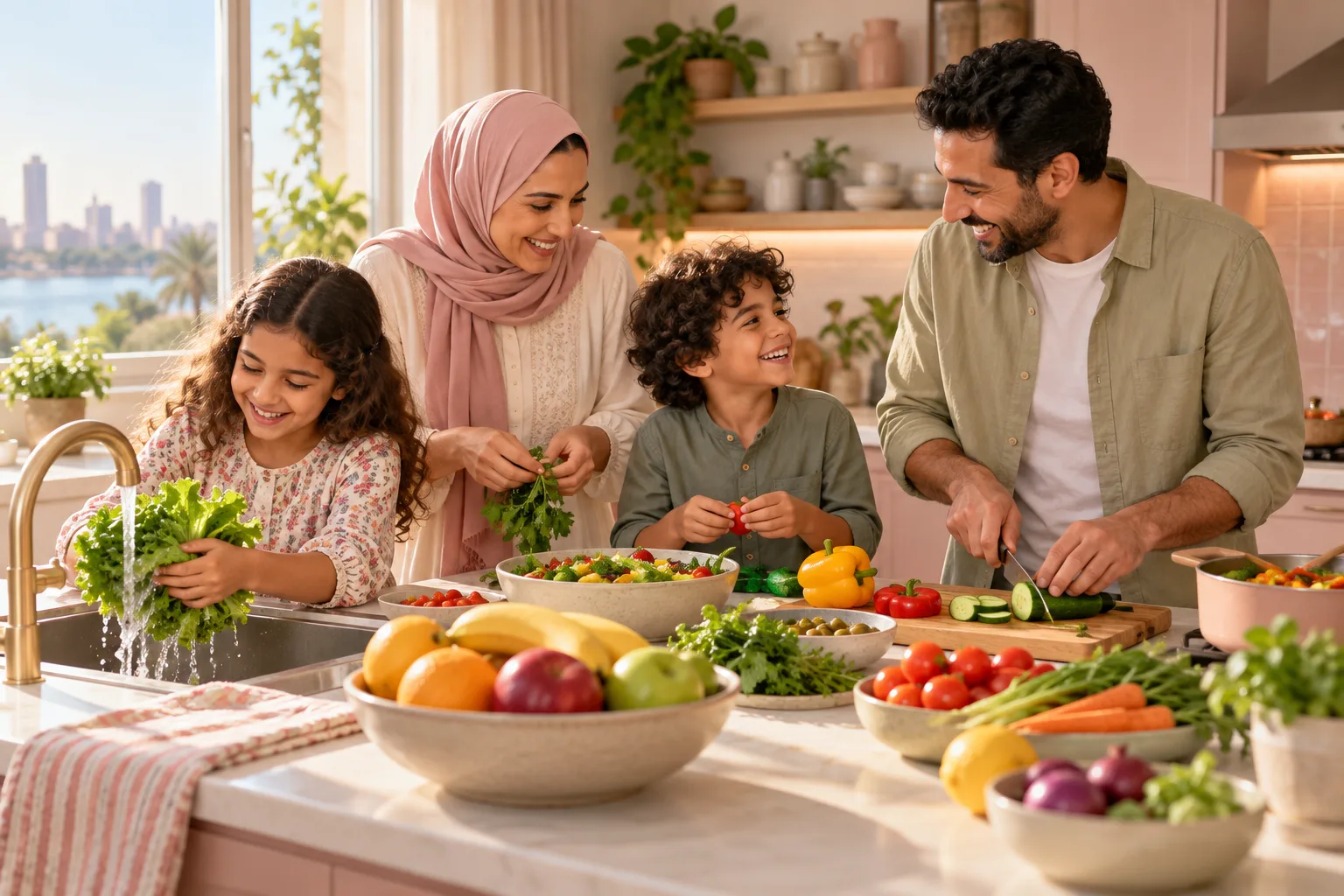
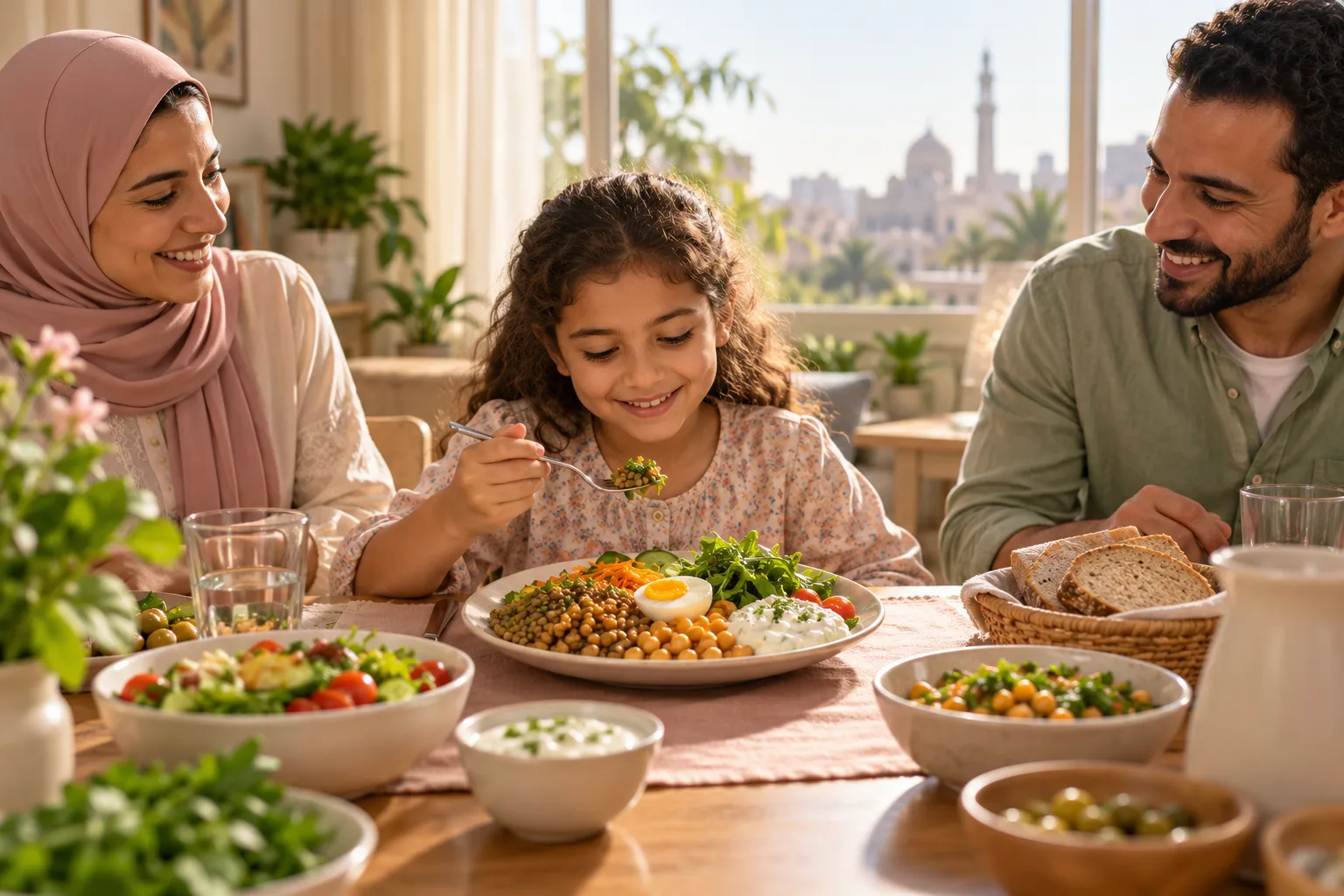
Putting together balanced, nourishing vegetarian meals for children does not require specialty imported groceries or expensive processed fake meats; traditional family cooking provides a wonderful foundation for feeding your child when prepared with care and balance [1, 4, 8]. The main goal is making sure that each main meal pairs a good source of plant protein with slow-release complex carbohydrates for steady energy, a fresh fruit or vegetable rich in vitamin C, and healthy dietary fats to add calories and help your child absorb fat-soluble vitamins [1, 2, 4, 8].
For breakfast, a classic bowl of warm stewed fava beans (foul medames), peeled and mashed with extra-virgin olive oil, cumin, and a generous squeeze of fresh lemon juice, served with traditional whole-wheat baladi flatbread and sliced cucumbers and tomatoes, makes a balanced meal combining plant protein, iron, vitamin C, and healthy fiber [4, 8]. Another nourishing morning choice is warm rolled oatmeal cooked with whole milk (or fortified plant milk providing calcium and B12), stirred with a spoonful of smooth peanut butter and topped with sliced bananas or fresh strawberries [1, 4, 8]. If your child eats eggs, scrambled eggs cooked with diced tomatoes, bell peppers, and olive oil provide easy-to-digest complete protein and essential nutrients [4, 8].
For family lunches, everyday favorites like Egyptian koshari offer a great balance of amino acids: mixing brown lentils and chickpeas with rice and pasta, paired with a fresh tomato, pepper, and lemon salad, delivers varied protein and boosts iron absorption in a dish kids love [4, 8]. Similarly, comforting yellow lentil soup made with pureed carrots and courgettes, topped with fresh lemon juice and toasted whole-grain bread, or a warm vegetable casserole stewed with white beans or chickpeas, offers satisfying meals without needing to cook separate dishes for your child [1, 4, 8]. For morning or afternoon snacks, you can offer sliced apples or soft carrot sticks dipped in sesame tahini, smooth peanut butter, or fresh seasonal fruit [1, 2, 4]. To apply similar principles to the rest of the household, read about protecting protein and iron in vegetarian eating.
Red-flag warning signs and growth monitoring: when clinical review is required
Protecting the nutritional health of a vegetarian child relies on regularly checking their physical growth and developmental milestones [3, 7, 11, 12]. The single most reliable sign that your child is getting enough nutrition is not a single scale reading taken on one afternoon, but tracking their growth curve over time on validated World Health Organization growth charts for age, weight, and height [3, 7, 12]. A thriving child follows their own steady growth curve; slowing down, not gaining weight over several months, or crossing downward across two major centile spaces (faltering growth) is a clear sign that a doctor should check their calorie and nutrient intake [3, 7, 12].
Certain clinical warning signs need prompt medical evaluation rather than waiting [5, 6, 7, 12]. Signs that can point to anemia or missing nutrients include noticeable pale skin on the face, inner eyelids, or palms, unexplained fatigue, low energy during playtime, frequent complaints of dizziness, or pica (craving non-food items like ice, clay, chalk, or dirt) [5, 12]. In addition, nerve warning signs (such as tingling, shakiness, weak or floppy muscles, and any plateau or loss of previously learned skills) are red flags that require urgent medical checks to exclude serious cobalamin deficiency [6, 10, 12].
Routine outpatient checkups help protect your child's nutrition before health problems develop [7, 11, 12]. Regular pediatric visits (recommended twice a year in infants and toddlers, and once a year in older school-aged children) allow doctors to record accurate growth measurements, review weekly meal patterns, and check for nutrient gaps before any deficit arises [3, 7, 12]. To explore how clinicians evaluate trajectory curves over time, refer to our clinical guide on child growth is a trajectory, not a single scale reading [3].
Specialist clinical assessment and child health care at La Rose Clinics
When your family chooses a vegetarian or plant-based diet for your child, partnering with experienced pediatric nutrition specialists gives you peace of mind and a clear, evidence-based plan [2, 4, 11, 12]. A formal clinical check starts with a detailed review of your child's meals: understanding your family's food choices, seeing how much dairy or fortified food your child eats, checking any home supplements, and measuring weight, height, and head size (for children under two years) plotted on WHO growth charts [3, 7, 11, 12].
Guided by the physical exam, the doctor decides whether selective blood tests are needed, avoiding unnecessary blood draws while carefully checking children on strict vegan diets or those showing slower growth [5, 6, 12]. Helpful tests can include a complete blood count (CBC), ferritin to check iron stores, serum cobalamin (B12), and in unclear cases, cellular tests like methylmalonic acid (MMA) or homocysteine, alongside 25-hydroxyvitamin D and calcium [5, 6, 11, 12]. If your child needs supplements, exact doses and liquids are calculated for their age and weight, avoiding unsupervised over-the-counter multivitamin or iron syrups that could pose accidental poisoning risks [5, 12].
At La Rose Clinics in Maadi, Dr. Alyaa Abu Taleb, Consultant Pediatrician and Clinical Nutritionist, delivers comprehensive medical and dietary care for children on plant-based dietary patterns and families planning a vegetarian transition. The clinic's philosophy emphasizes collaborative, non-judgmental parental guidance focused on constructing realistic, culturally aligned meal structures that ensure full caloric, protein, iron, and cobalamin adequacy to nourish ongoing growth, cognitive vitality, and immune health. When you seek scientific clarity and clinical oversight for your child's nutrition, you can book a consultation with the medical team to establish a tailored pediatric care pathway.