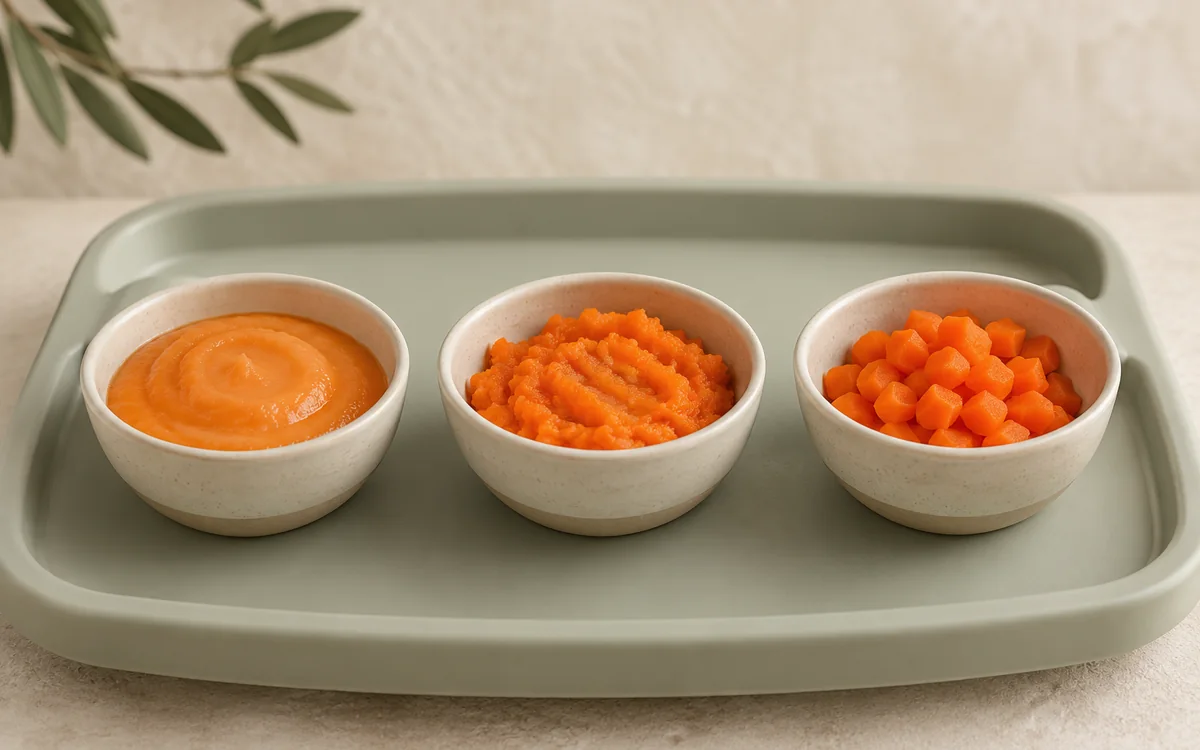
What is a texture bridge, and what is it for?
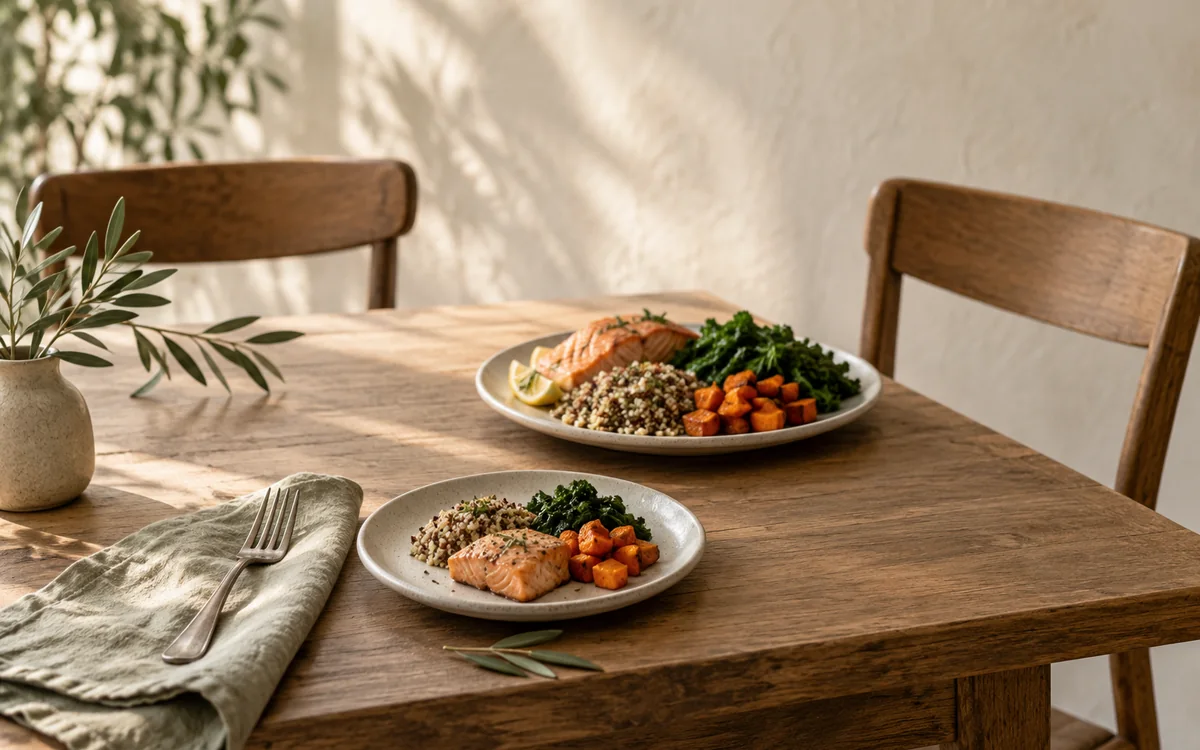
A texture bridge is a simple way to bring an unfamiliar food closer to one a child already knows and accepts. Instead of moving from crisp potatoes straight to a completely soft boiled vegetable, choose a smaller step: one tiny piece of roasted vegetable that is crisp outside and soft inside, served beside the accepted potatoes. A bridge can use texture, shape, colour or flavour; this guide concentrates on mouthfeel. The American Academy of Pediatrics describes using a familiar quality to move toward a related food as a “food bridge” and advises small servings and repeated opportunities without a battle. [3]
The aim is not to trick a child into swallowing something unnoticed, and it does not promise that a food will be liked after a fixed number of attempts. It reduces the size of the change: keep the crunch while changing the vegetable, or keep the smoothness while changing the flavour, then take another step after acceptance. Exposure may begin with tolerating the food on the table, then on a side plate, followed by touching, smelling or licking before any bite. Responsive-feeding guidance supports noticing the child's cues and helping calmly without force, so eating remains a safe learning experience. [1, 8, 9]
A texture bridge is one small tool within a balanced eating routine, not a stand-alone treatment for every refusal. If the real problem is pain, difficulty chewing or swallowing, fear after choking, or affected growth, similarity between two foods will not remove the cause. The child needs assessment rather than a more forceful repetition of the experiment. [2, 6]
Start with an accepted food and change only one feature
Begin with close observation rather than a broad statement such as “my child dislikes vegetables.” List the foods the child accepts and ask what they share: dry or moist, smooth or lumpy, hot or cold, a consistent colour, or a particular shape. A child may accept crisp apple but reject cooked apple because it feels different, or accept smooth yoghurt but refuse the same yoghurt with fruit pieces. This is not proof of laziness or defiance. Texture is a real part of eating, and refusal may communicate a sensory, skill or fear-related issue that deserves understanding. [6, 7]
Once the starting point is clear, change only one feature where possible. If the child accepts potato fingers, try a vegetable finger with roughly the same thickness and roasting method, not a vegetable purée with a different smell, colour, temperature and mouthfeel all at once. If a smooth creamy soup is accepted, one spoonful of another smooth soup with a related flavour may be the first step; a slight change in taste or thickness can follow later. There is no single correct sequence for every child. These are ways to think, and each choice must fit the child's age and chewing skill. [3, 6, 7]
Make the first portion extremely small so its presence is not overwhelming, and place it beside a familiar food within the ordinary meal. Do not remove every accepted food at once or withhold the familiar item to force the new one. Practical guidance for selective eating supports continuing to offer variety alongside something accepted, without producing a rescue meal after each refusal. For the broader approach to a very short food list, the guide to managing fussy eating explains daily and meal structure without repeating the bridge method covered here. [3, 8, 9]
Offer the bridge without pressure, rewards or surprises
Place the bridge food beside the familiar item, name it simply if the child asks, and then leave the decision with the child. Avoid “take one bite for me,” counting mouthfuls, or promising a sweet for swallowing. Pressure and punishment can connect the food and table with tension, while a reward makes the sweet food the prize and the unfamiliar one an unpleasant task. The adult chooses what is served, when and where, and provides a calm, safe setting; the child decides whether and how much to eat from what is available. [3, 8, 9]
Treat stages of familiarity as progress without turning them into a test. A neutral description such as “this is crisp outside” is more useful than “this is delicious; you must like it.” If the child touches it and leaves it, avoid sarcasm or visible disappointment. If the answer is no, clear the plate at the normal end of the meal and offer an appropriate step on another day. Pediatric resources explain that acceptance can require many attempts, but a number is neither a deadline nor a reason to persist through pain, choking or panic. [3, 7, 8]
Do not repeatedly hide the ingredient inside a favourite food while claiming it is absent. Adding ingredients for nutrition can be an ordinary part of cooking, but a learning exposure requires the child to see and recognise the food so trust remains intact. Do not use hunger as leverage either. Keep meals and snacks broadly predictable and reduce continuous grazing that blunts natural appetite, without deprivation or punitive delay. Responsive feeding combines calm boundaries with respect for hunger and fullness cues; it does not mean an unstructured day. [1, 3, 9]
Build a small ladder and adjust it to the child's response
Think of the bridge as a flexible ladder, not one leap. For a child who accepts crisp potatoes, a sequence might be: tolerate one roasted vegetable piece on a side plate, touch it, break it and hear the crunch, lick it, take a tiny bite that can be removed if uncomfortable, and later chew and swallow when ready. Another child may begin with smooth food: plain yoghurt, then a related colour or flavour, a small change in thickness, and eventually tiny soft pieces if age and skill allow. Not every child needs every step or the same order. [3, 6, 7]
Keep what the child tolerates steady and alter one thing. If a new colour is difficult, keep texture and flavour familiar. If thickness is the target, preserve the taste and temperature. Repeat the step calmly on different days, not every hour or in every dish, and keep an accepted item available. If distress rises, move back to an easier step instead of increasing pressure. The aim is to expand safety gradually, not to make the child demonstrate obedience or finish a portion. [1, 3, 8]
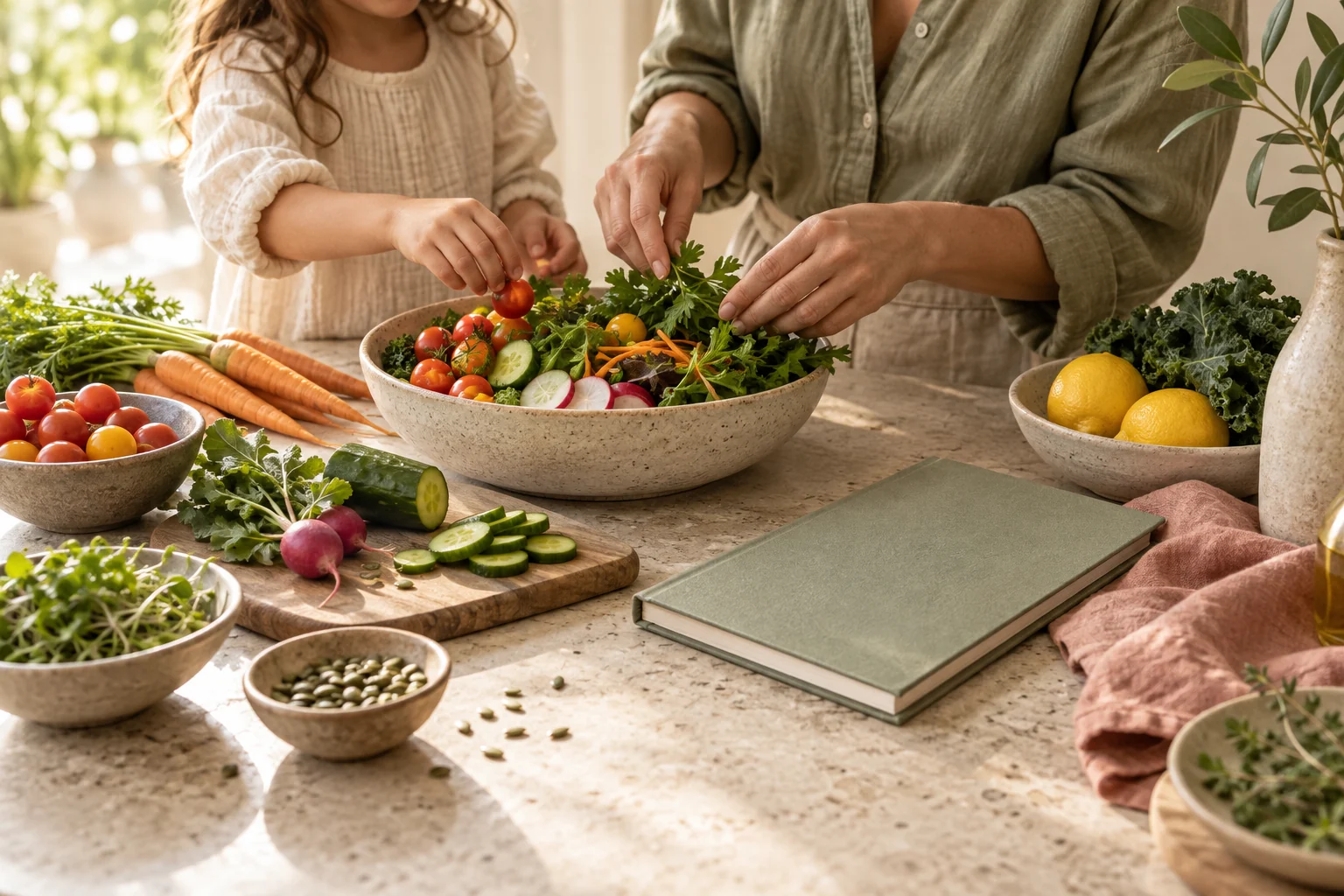
Participation away from the act of eating can help without a demand to swallow. The child can wash a vegetable, place it on a tray, choose between two safe shapes, or help set the table. Adults model the food naturally rather than performing exaggerated enjoyment. Praise a specific action such as “you placed it calmly on your plate,” not the child's body or love expressed through a bite. If the bridge does not move despite calm attempts, neither you nor the child has failed. Reconsider whether the step is too large and whether pain, a skill difficulty or strong sensory sensitivity needs professional help. [6, 7, 9]
Texture must fit age and chewing skill, not appearance alone
A similar shape does not make a food safe. A very hard vegetable stick may resemble a potato finger but be difficult for a young child, while whole nuts, popcorn, or firm round pieces can present a choking hazard. Prepare size and texture for the child's age and development, and ensure the child is seated, alert and supervised by an adult while eating. Do not ask a child to walk, run or laugh with food in the mouth. If the child already has instructions for modified textures or thickened liquids, do not change that plan through a home bridge without the treating team. [1, 6]
An infant beginning complementary feeding has different needs from a preschool or school-age child. The World Health Organization describes 6–23 months as an important period for learning to accept foods, using age-appropriate and responsive feeding. The responsive complementary feeding guide covers timing, texture and safe progression in greater detail; use it instead of applying an older child's examples to an infant. The aim is neither to delay every texture because mess feels worrying nor to advance texture before the skill is ready. [1]
Gagging is not the same as choking. Gagging is commonly a protective response with sound or coughing while the child can breathe; airway obstruction may be silent, with inability to cough or breathe and a colour change. That is an emergency requiring immediate action and emergency services according to local guidance, and caregivers should learn choking first aid from an accredited provider. After a true choking event or recurrent coughing with food, do not repeat the same texture as practice; arrange assessment of swallowing and safety. [6]
Common mistakes and how to recognise progress
A common mistake is turning the bridge into a rapid series of changes: crisp today, puréed tomorrow, then a large portion, with insistence on tasting every time. Renaming or concealing the ingredient is not a bridge, and offering it when the child is exhausted or already full makes learning harder. Choose an ordinary time with an appropriate appetite, a tiny serving and a familiar food, then repeat one step before increasing difficulty. Do not compare siblings; learning pace, texture sensitivity and oral skill differ. [3, 6, 8, 9]
Progress is not limited to swallowing a piece. The child may sit with less tension, tolerate the food on the plate, touch instead of throwing it, or accept a small change in shape. Record the offered step, texture, flavour and general atmosphere if useful, but avoid a scorecard that makes the child feel watched. Look at direction over weeks, not the outcome of one meal. If the list is stable, growth and activity are reassuring, and tension is easing, gradual practice can continue. A growth chart contributes to the whole picture; it is not a diagnosis from one measurement. [4, 7]
If appetite is low across the day, or meal timing and drinks are affecting hunger, that question is broader than texture. The children's appetite guide explains normal variation and how appetite relates to growth and symptoms, while this page remains focused on moving between textures. Do not start supplements or an appetite stimulant because bridging is slow. A supplement cannot teach chewing or treat pain or fear. Nutrient deficiency and the need for testing are judged from dietary history, growth and examination, not refusal of one item. [5, 10, 11]
When should home practice stop for an assessment?
Arrange timely assessment if the child coughs or chokes during meals, develops a wet voice after swallowing, pockets food in the cheek, takes an exhausting length of time to eat, or depends on textures below the expected developmental level. Recurrent vomiting, mouth or abdominal pain, troublesome reflux, painful constipation, or persistent diarrhoea can make refusal a way of avoiding an unpleasant experience. A rapidly shrinking list, intense fear of swallowing, or withdrawal from school and social occasions because of food also deserves a broader view than ordinary picky-eating advice. [2, 6, 10]
Consider growth, energy and hydration alongside texture. Weight loss, a clear slowing of the growth trajectory, pallor and fatigue, dependence on a drink or supplement to meet needs, or long-term exclusion of whole food groups may indicate nutritional effect. These signs do not prove iron deficiency or a feeding disorder by themselves, but they justify pediatric and nutrition review. The consensus framework for pediatric feeding disorder considers four domains: medical, nutritional, feeding skill and psychosocial. The appropriate team therefore depends on the child's difficulty, and not every child needs the same tests or referrals. [2, 5, 6, 11]
Breathing difficulty or colour change while eating, inability to cough or make a sound, profound lethargy, clear dehydration, repeated vomiting that prevents fluids, blood in vomit or stool, or constant severe pain requires urgent care according to severity. Do not wait for a routine appointment or test another texture in the presence of these signs. Decisions about investigations, texture modification or referral for swallowing expertise remain with the treating clinician and team after assessing the child. [6, 10]
Prepare useful information and choose the right next step
If assessment is needed, record several ordinary days: accepted foods, refused textures, meal duration, drinks and snacks, and what happens during an attempt. Note whether refusal began after illness or a choking event, and whether coughing, vomiting, pain or constipation occurs. Bring the growth record, earlier measurements, and names of medicines and supplements. A brief video of chewing or a sign that occurs during eating may help if recorded safely, but never recreate a choking episode or force the child for a recording. [4, 6]
A sound assessment reviews growth and development, mouth and teeth, abdomen and bowel pattern, accepted textures, biting, chewing and swallowing skills, and the mealtime environment. Tests are not routine for every child who rejects a texture; the clinician selects them when history, examination or growth points to a specific question. The plan may adjust the bridge step, treat pain or constipation, add nutrition support, or refer to swallowing expertise or a multidisciplinary team. There is no promise of a fixed pace, and follow-up considers safety, variety, growth and distress rather than mouthful counts alone. [2, 5, 6]
If texture refusal persists, the list is narrowing, or any warning feature is present, you can begin by requesting a paediatric and nutrition appointment at the clinic. Mention coughing, choking or weight loss when booking so the appropriate pathway can be considered, and do not use an appointment as a substitute for urgent care when breathing or hydration is affected. The aim is to distinguish a learning stage that needs calm progression from a medical or skill problem requiring targeted care, then build a step that fits the child and family. [2, 6]