Why consistency in method beats chasing millimetres
Many people measure their waist with a tape every few days, only to find a different number each time, which creates immense frustration and confusion [8, 9]. The medical reality is that discrepancies between consecutive readings usually stem from the measurement technique itself rather than a real change in body fat; moving the tape a single centimetre up or down, or pulling the stomach in instead of relaxing, shifts the reading instantly [8, 9]. A review by Verweij and colleagues found that reported measurement error for waist circumference ranged from 0.7 cm to as much as 15 cm across studies, and recommended a uniform protocol, training and repeated measurements [8]. That is why adhering to one standardized, repeatable method is the foundation that gives the number genuine clinical value [1, 8].
The World Health Organization and the consensus statement from the International Atherosclerosis Society led by Ross emphasize that waist circumference serves as a vital sign in clinical practice to track abdominal adiposity and cardiometabolic risk [1, 7]. Abdominal fat consists of two depots: subcutaneous fat directly beneath the skin, and deep visceral fat surrounding the liver and intestines [1, 7]. Visceral fat carries the greatest health risks because it releases pro-inflammatory cytokines that disrupt insulin sensitivity and blood pressure regulation [3, 7]. Waist circumference is a useful, if approximate, marker of this visceral fat; when adopting healthier lifestyle habits, a steady reduction in waist centimetres across weeks usually signals cardiometabolic improvement even if the standard bathroom scale barely budges [6, 7]. Maintaining strict consistency in your steps ensures that every centimetre lost reflects authentic biological progress rather than an artefact of posture [8, 9].
The measurement site: choose one clear landmark and stick to it
The first practical step to achieve repeatable readings is to choose one anatomical landmark and never alter it [1, 2, 11]. Scientific literature describes several validated protocols for waist location: the World Health Organization recommends measuring at the midpoint between the lower margin of the last palpable rib and the top of the iliac crest at the mid-axillary line [1]. In contrast, the US National Heart, Lung, and Blood Institute (NHLBI) protocol measures directly at the level of the upper border of the iliac crest [2]. Furthermore, many individuals at home measure at the level of the umbilicus because it provides an unmistakable visual landmark that is easy to identify unassisted [9, 11]. A review by Lee and colleagues (in children and adolescents) showed that the measurement site changes both the number and how it relates to abdominal fat, so readings from different sites should not be compared [11].
The clinical takeaway is not that one protocol is magical while others are flawed, but that unwavering consistency is paramount; measuring at the navel this week and above the hip bone next week creates an illusion of centimetre fluctuation that mimics fat gain or loss [8, 11]. In a study by Barrios and colleagues, mothers who watched a short instructional video and measured themselves at home produced readings that agreed well with trained technicians [9]. If you undergo clinic body scans, the visceral fat score, waist and InBody guide explains how to read the two numbers together; a study by Xu and colleagues found that the visceral fat estimate from bioelectrical impedance has limited accuracy compared with CT, so a consistently taken tape reading adds useful context [12]. Choose the landmark that suits you (ideally the midpoint between ribs and pelvis or at the navel) and record it in your tracking log so you never switch sites [1, 9].
The correct measurement protocol: posture, breathing, and tape tension
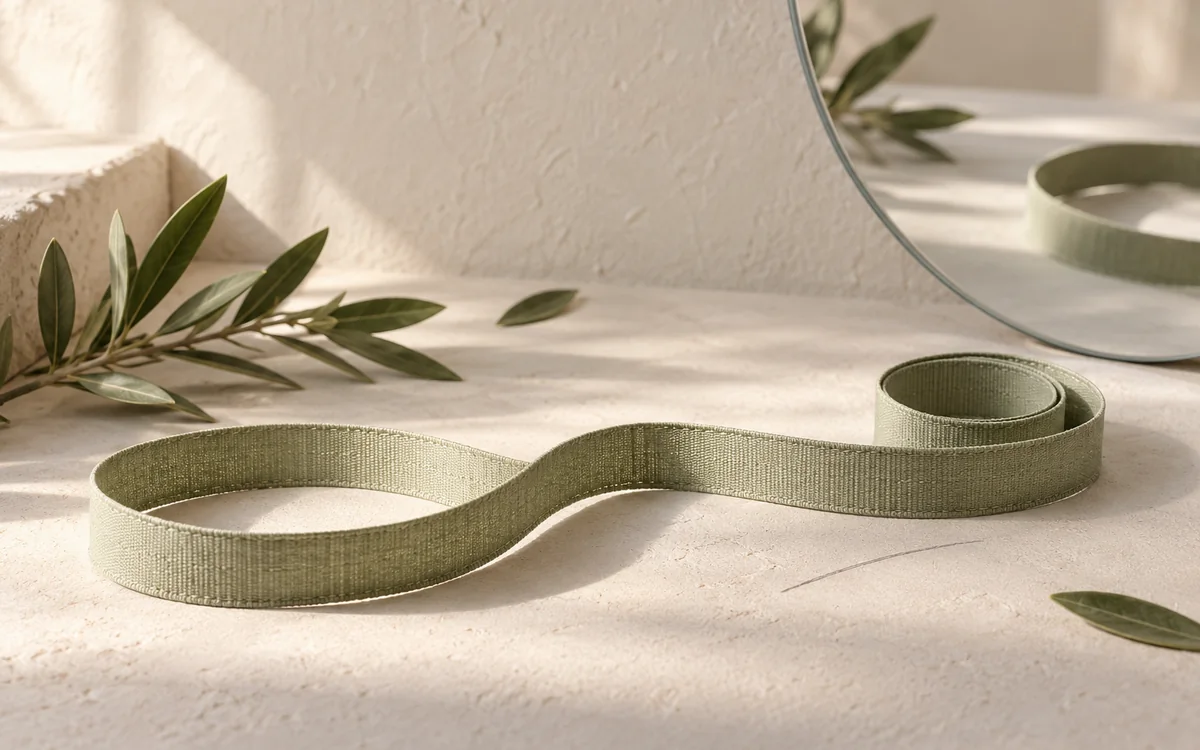
To get an accurate, repeatable waist measurement each time, follow these steps in precise clinical sequence [1, 2, 9]. First, stand erect on a level surface with your feet together or shoulder-width apart, distributing your weight equally across both feet without leaning to one side [1, 2]. Measure directly on bare skin or over very thin undergarments; avoid measuring over jeans, trousers or waistbands, as fabric bulk distorts the reading [1, 8]. Second, wrap a flexible measuring tape around your torso so that it remains completely horizontal and parallel to the floor from front to back; use a full-length mirror to check that the tape has not sagged or twisted across your back, which artificially inflates circumference [1, 9].
Third, and most importantly: master your breathing and abdominal posture [1, 2]. Never pull your stomach in to achieve a smaller number, and do not deliberately push it out; relax, take a normal breath, and read the tape at the very end of a gentle, natural exhalation before inhaling again [1, 2, 9]. Fourth, tape tension: the tape must rest snugly against the skin without compressing the underlying soft tissues or causing an indentation [1, 2]. Fifth, record the measurement and repeat it a few seconds later; if the two readings differ by more than one centimetre, take a third reading and calculate their average [1, 8]. This simple duplicate check eliminates hurried mistakes and confirms that your recorded number is reliable [8, 9].
Timing and frequency: when to measure and how often per month
One of the most common pitfalls is measuring waist circumference every morning or multiple times across a single day; the human body is dynamic, and abdominal volume fluctuates naturally over hours due to food intake, hydration and digestive gas [3, 8]. Furthermore, meals with elevated sodium provoke temporary fluid retention, increasing measurements without adding an ounce of fat [3, 8]. The optimal time to measure is early morning, shortly after waking and emptying your bladder, before having breakfast or drinking large volumes of fluids [8, 9]. Standardising this morning window removes confounding daytime variables and ensures a fair, valid comparison over time [8, 9].
Regarding frequency, checking waist circumference once every two to four weeks (or monthly) is entirely sufficient and medically ideal for tracking fat loss [6, 8, 9]. Visceral fat reduction requires physiological time to manifest, and meaningful tissue changes do not occur overnight. If you step on the scale and feel disappointed by a stationary number, the measurements are shrinking but the scale is unchanged resource explains how physical activity and balanced nutrition preserve muscle mass while burning waistline fat, keeping total weight stable while your clothes loosen significantly [6, 7]. Keep your attention focused on the overarching trend across one to two months rather than stressing over minor daily fluctuations [6, 8].
How to interpret the numbers: waist cutoffs and waist-to-height ratio
Once you measure your waist and obtain a number in centimetres, how do you interpret its clinical meaning? International guidelines from the World Health Organization and the US National Institutes of Health establish standardized risk thresholds [1, 2]. For men, a waist circumference of 94 cm or greater indicates increased cardiometabolic risk, while exceeding 102 cm denotes substantially elevated cardiovascular and metabolic risk [1, 2]. For non-pregnant women, a waist measurement of 80 cm marks increased risk, and exceeding 88 cm indicates substantially heightened risk [1, 2]. These benchmarks alert clinicians to screen for features of metabolic syndrome, including fasting blood glucose, lipid profiles and blood pressure [3, 5].
In addition to absolute waist measurements, another highly effective and intuitive metric is the waist-to-height ratio (WHtR) [4, 10]. Dr Margaret Ashwell and colleagues established a memorable public health rule: “Keep your waist circumference to less than half your height” [4, 10]. For example, an individual who is 170 cm tall should maintain a waist circumference under 85 cm, preserving a ratio below 0.5 [10]. The UK National Institute for Health and Care Excellence (NICE) recommends waist-to-height ratio because it is easy to calculate, accounts for height and gives an indication of central fat [4]. To appreciate how waist circumference fits into the broader picture of your body composition, the body composition is not the scale article outlines how tape measurements and clinical bioimpedance testing work together to guide your wellness goals [7, 10, 12].
Common measuring mistakes and signs that require medical evaluation
Several common technical mistakes undermine measurement accuracy and prompt misleading conclusions; among the most frequent is using an old, stretched cloth tape measure, which lengthens over time and produces an artificially small reading [8, 9]. It is far better to use a non-stretch flexible vinyl or fibreglass measuring tape [9]. Another mistake is looking down at your abdomen while measuring; bending forward changes your posture and tends to shift the tape. Instead, look straight ahead into a mirror while maintaining upright posture [1, 9]. Furthermore, avoid measuring immediately after intense workouts or after chugging water, as this can change the reading temporarily and breaks your consistent measuring conditions [8].
Crucially, you must distinguish gradual changes in abdominal fat from clinical alarm features that mandate prompt medical evaluation [3, 5, 7]. If you notice a sudden, rapid expansion in abdominal girth over days or a few weeks, or if your abdomen feels tightly distended and fluid-filled alongside swelling in your legs and ankles, this may indicate ascites or severe systemic fluid retention involving the liver, heart or kidneys [3, 5]. Moreover, if abdominal distension pairs with severe persistent pain, recurrent vomiting, jaundice of the eyes and skin, or unintentional rapid weight loss across the rest of your body, seek prompt clinical evaluation rather than relying on home tape tracking [3, 5, 7].
Your next step: log your measurements and seek specialist evaluation
To transform this tip into a rewarding health habit, take your first step today: get a flexible, non-stretch vinyl measuring tape, select a comfortable anatomical landmark such as the midpoint between ribs and pelvis or at the navel, and take a quick reference photograph of where the tape sits to save on your phone [8, 9]. Set a recurring reminder once every two to four weeks early in the morning, and record the date and number in a notebook or mobile app [8, 9]. Remember that the goal is never daily obsession, but observing the long-term trend across months; every centimetre reduced through balanced nutrition and regular physical activity translates into meaningful cardiovascular and metabolic protection against visceral adiposity [6, 7, 10].
If your waist circumference exceeds recommended thresholds, or if you carry a family history of diabetes, hypertension or dyslipidaemia, partnering with a specialized clinical team makes a profound difference. The first weight-management visit guide details what to expect during a comprehensive clinical assessment, including physical examinations, metabolic labs and body composition analysis to tailor a sustainable plan [3, 6, 7]. At La Rose Clinics, you can request a nutrition and weight-management consultation to begin an individualized, medically supervised lifestyle and nutritional program, with prompt medical evaluation for any red-flag symptoms, ensuring you achieve a healthy weight and protective waistline safely and sustainably [1, 2, 6, 7].