Wegovy Pill: The Direct Answer on Oral Semaglutide Tablets
The Wegovy pill refers to the once-daily oral tablet formulation of semaglutide designed for chronic weight management alongside a reduced-calorie diet and increased physical activity [1, 2]. It utilises the same active peptide found in weekly Wegovy subcutaneous injections, acting on GLP-1 receptors in the brain to curb appetite, delay gastric emptying, and promote fullness after smaller meals [1, 14]. At La Rose Clinics in New Maadi and the Fifth Settlement, our clinical nutrition and weight management teams provide comprehensive medical evaluations to determine the most appropriate treatment pathway, and you can Book your appointment to begin your structured assessment.
Public interest in oral formulations has surged because taking a daily tablet appears far more convenient than administering a weekly subcutaneous needle for many individuals. However, the clinical realities require careful understanding. Therapeutic peptides are fragile protein-like molecules that historically could not be administered orally, as digestive enzymes and strong gastric acid rapidly break them down before absorption can occur [7, 9]. Engineering oral semaglutide demanded an innovative absorption enhancer along with rigorous morning administration rules, meaning daily tablets involve a completely different commitment compared with taking ordinary nutritional capsules.
Differences Between the Wegovy Pill and Weekly Injections
Comparing oral tablets to weekly injections involves far more than simply deciding between swallowing a pill and enduring a needle prick, as each route presents distinct pharmacological dynamics and daily requirements [1, 6]. Wegovy subcutaneous injections are administered once weekly into the abdomen, thigh, or upper arm, offering exceptionally consistent systemic bioavailability across seven full days without any regard to meals or water intake [1, 6]. Conversely, daily oral semaglutide requires strict adherence every morning; the tablet must be swallowed immediately upon waking on an entirely empty stomach with a minimal volume of plain water, followed by a mandatory fasting interval of at least 30 minutes [2, 5].
Systemic bioavailability of oral peptides is inherently modest and displays considerable variability between different people and even within the same individual from day to day [9]. Swallowing the tablet with a full tumbler of fluid or eating even a tiny snack before the designated interval expires severely degrades absorption, rendering the therapy ineffective. Meanwhile, gastrointestinal adverse effects such as nausea, diarrhea, constipation, and dyspepsia occur with both routes because they are mediated by the same receptor pathways, although daily fluctuations can vary based on dosage titration [4, 6]. You can examine these therapy comparisons in our comprehensive analysis of differences between Ozempic, Wegovy and Mounjaro to appreciate how various generations of medication perform.
SNAC Absorption Technology and Strict Morning Rules
The biochemical breakthrough permitting semaglutide to be ingested as a tablet is the co-formulation with an absorption carrier called SNAC, or salcaprozate sodium [2, 9]. This carrier operates as a temporary molecular shield: upon entering the gastric cavity, SNAC rapidly dissolves and transiently raises the local pH in the microscopic microenvironment surrounding the tablet, neutralising gastric acid and inactivating digestive enzymes like pepsin [2, 9]. Simultaneously, it facilitates a reversible fluidisation of the gastric mucosal epithelial membrane, enabling intact semaglutide molecules to cross directly through stomach cells into the local bloodstream before moving downward [9].
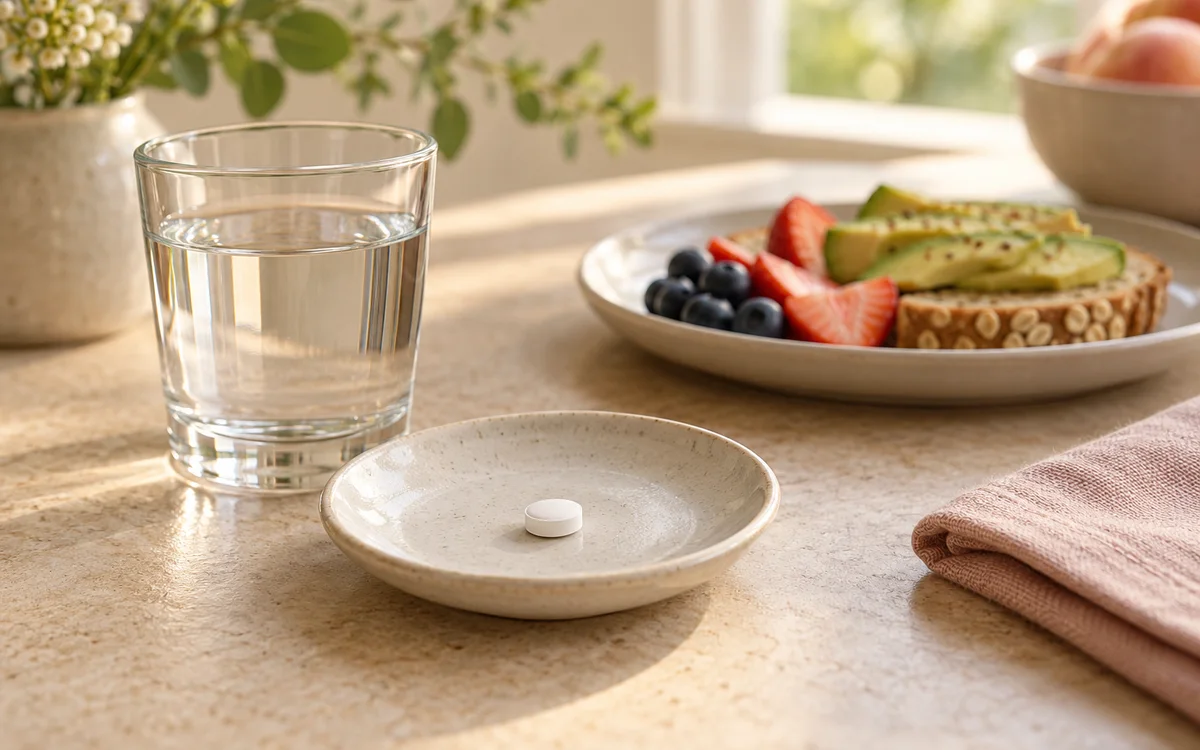
This delicate absorption mechanism is easily disrupted by external liquids or food matter, which is why regulatory authorities enforce strict administration protocols [2, 5]: 1. Ingest the tablet immediately upon waking, on an entirely empty stomach that has received no food or fluids overnight. 2. Swallow the tablet whole without chewing, crushing, or breaking, accompanied only by a small sip of plain water (no more than 120 ml). 3. Maintain strict fasting for at least 30 minutes before consuming breakfast, tea, coffee, or any other oral medications.
Drinking large glasses of water disperses the SNAC concentration and sweeps it away from gastric tissues, while having morning coffee or tea with milk immediately destroys the local environment and ruins bioavailability [2, 5]. We outline these clinical nuances within our detailed guide to GLP-1 weight loss medications so patients understand the mechanics behind every directive.
Rybelsus Versus the Wegovy Pill: What Clinical Trials Show
A frequent source of patient confusion is the distinction between two commercial formulations of oral semaglutide: Rybelsus and the high-dose Wegovy tablet [2, 3, 4]. Rybelsus was the first oral GLP-1 receptor agonist authorized by the US FDA and European Medicines Agency, but its specific indication is improving glycaemic control in adults with type 2 diabetes at standard metabolic dosages [2, 3]. Throughout the extensive PIONEER clinical trial programme in diabetes, Rybelsus demonstrated effective HbA1c reductions alongside modest secondary weight loss, yet it was never calibrated as a dedicated high-potency anti-obesity therapy [11].
In contrast, dedicated obesity development programmes evaluated oral semaglutide at significantly higher maintenance strengths, culminated in the landmark OASIS 1 trial published in The Lancet [10]. Enrolling 667 adults with obesity or overweight without type 2 diabetes, the trial demonstrated that a high-strength once-daily oral dose achieved an estimated mean weight reduction of 15.1% at week 68, compared to 2.4% for placebo [10]. Furthermore, 85% of individuals taking oral semaglutide achieved a weight loss of 5% or greater, with more than one-third attaining a 20% or greater reduction in total body weight [10]. These findings confirm that an oral tablet can clinically rival weekly subcutaneous injections, provided the correct obesity dosage is administered and morning fasting rules are rigorously maintained [4, 10].
Availability in Egypt and Dangers of Unregulated Slimming Pills
The regulatory landscape in Egypt demands complete transparency and clinical honesty to shield patients from deceptive claims across digital platforms [7, 12]. Within legitimate Egyptian pharmacies, the only officially registered and available oral semaglutide product is Rybelsus, which is licensed strictly under physician prescription for managing type 2 diabetes [2, 3]. Dedicated high-strength Wegovy tablets intended specifically for chronic obesity management remain in international regulatory rollout stages and are not standardly registered or marketed for retail distribution in Egypt [7, 12].
A grave danger arises from unregulated online vendors and social media pages promoting purported imported Wegovy tablets without medical oversight. International health authorities and the US FDA have repeatedly cautioned that unverified peptide products purchased online are frequently counterfeited, improperly stored, compounded with unauthorised chemical salts, or spiked with banned stimulant substances like sibutramine that cause severe cardiovascular distress [12]. We urge readers to review legitimate options through our overview of licensed weight loss medications in Egypt, and to study the critical warnings documented in dangers of unknown slimming pills because your metabolic health must never be compromised by unverified grey-market formulations.
Side Effects and Practical Guidance for Egyptian Daily Life
Practical experience with oral semaglutide involves navigating common gastrointestinal side effects, which emerge primarily during the initial treatment phases and dose escalation [2, 5]. The most frequent complaints include nausea, transient vomiting, diarrhea, constipation, dyspepsia, and abdominal fullness [5, 6]. To alleviate these symptoms, clinical guidance advises eating smaller meal portions, avoiding fried or intensely greasy Egyptian dishes, pausing intake at the very first sensation of fullness, and drinking adequate plain water steadily throughout the afternoon and evening once morning fasting concludes [2, 5].
Everyday Egyptian lifestyle habits introduce specific considerations that require thoughtful planning with your physician: 1. Morning coffee and breakfast rituals: Many people in Cairo instinctively reach for morning tea with milk or Turkish coffee; using oral semaglutide demands drinking merely a small sip of plain water, delaying hot beverages and breakfast for at least 30 to 60 minutes [2, 5]. 2. Synchronising concurrent medications: Individuals with hypothyroidism taking levothyroxine, which also mandates an empty stomach, must coordinate closely with their endocrinologist to separate tablet ingestion times and prevent impaired absorption [2, 5]. 3. Managing summer climate and hydration: Intense summer heat elevates dehydration risks if vomiting or loose stools occur, potentially placing strain on renal function unless fluids are diligently replenished [2, 7]. 4. Fasting during Ramadan: The substantial shift in eating hours between Iftar and Suhur requires an individualized medical plan to establish a reliable fasting stomach interval without causing metabolic distress [2, 3].
Pharmacological research into next-generation multi-receptor peptides is accelerating rapidly, and you can explore emerging discoveries in our overview of what is known about retatrutide.
Clinical Eligibility, Stopping Rules, and Emergency Red Flags
Initiating modern medical weight loss therapy is never an informal consumer choice, but a clinical intervention governed by rigorous international criteria [1, 8, 13]. Eligibility is conventionally restricted to adults with a body mass index (BMI) of 30 kg/m² or higher, or 27 kg/m² or higher in the presence of weight-related health comorbidities such as hypertension, obstructive sleep apnoea, or dyslipidaemia [1, 14]. Crucially, the UK National Institute for Health and Care Excellence (NICE) in technology appraisal TA875 recommends reducing these BMI thresholds by 2.5 kg/m² for individuals of Middle Eastern family backgrounds, recognizing that elevated cardiometabolic risks manifest at lower body weights in these populations [8].
Clinical guidelines also enforce a decisive stopping rule: if a patient fails to lose at least 5% of their baseline body weight after 6 months on the optimal maintenance dose, clinicians should discontinue the medication and re-evaluate the therapeutic strategy [8]. Furthermore, semaglutide is strictly contraindicated during pregnancy, planning pregnancy, breastfeeding, and in anyone with a personal or family history of medullary thyroid carcinoma or Multiple Endocrine Neoplasia syndrome type 2 [1, 2].
Certain red flag symptoms mandate immediate presentation to an emergency department rather than waiting for a routine clinic appointment [2, 5, 7]: 1. Severe, unremitting upper abdominal pain radiating through to the back, accompanied by nausea or vomiting, indicating potential acute pancreatitis. 2. Inability to retain oral fluids due to persistent vomiting, marked dizziness, or oliguria pointing towards acute dehydration and renal vulnerability. 3. Intense pain in the right upper quadrant of the abdomen accompanied by pyrexia or scleral jaundice, raising suspicion of acute gallbladder disease. 4. Severe systemic hypersensitivity manifestations including facial angioedema, tongue swelling, or acute respiratory difficulty.
Weight Management and Clinical Nutrition at La Rose Maadi and Fifth Settlement
At La Rose Clinics, weight management is treated as an integrated medical discipline aimed at resolving root metabolic drivers rather than seeking short-lived fixes [13, 14]. Our clinical nutrition team features Dr Shimaa Fouad, a clinical nutritionist, therapeutic dietetics specialist and member of ESPEN, who is available at our New Maadi branch on Saturday, Monday, and Tuesday from 3 to 8 pm, and at our Fifth Settlement branch on Wednesday from 3:30 to 8 pm. The team also includes Dr Alyaa Saeed Aboutaleb, clinical nutrition and obesity specialist from the National Nutrition Institute, practising at our Maadi branch on Saturday and Monday from 2 to 7 pm.
Our welcoming facilities serve patients across two accessible Cairo locations: - New Maadi Branch: 14 El-Mokhtar St, off El-Nasr St, behind QNB Bank, New Maadi. - Fifth Settlement Branch: CMC Medical Mall, 4th floor, North 90th Street, behind the Air Force Specialized Hospital.
A standard consultation involves full body composition analysis, review of baseline metabolic blood tests, lifestyle planning, and expert guidance regarding licensed medications or clinical metabolic protocols. To arrange a consultation, call or send a WhatsApp message to 010 4066 1893, noting that doctor schedules are subject to occasional changes confirmed upon booking, and for any cost queries send a WhatsApp message. You can also explore our companion evaluation of weekly therapies and local monitoring standards within our Wegovy guide in Egypt for complete clinical perspective.