Where can you find a sleeve alternative in Fifth Settlement?
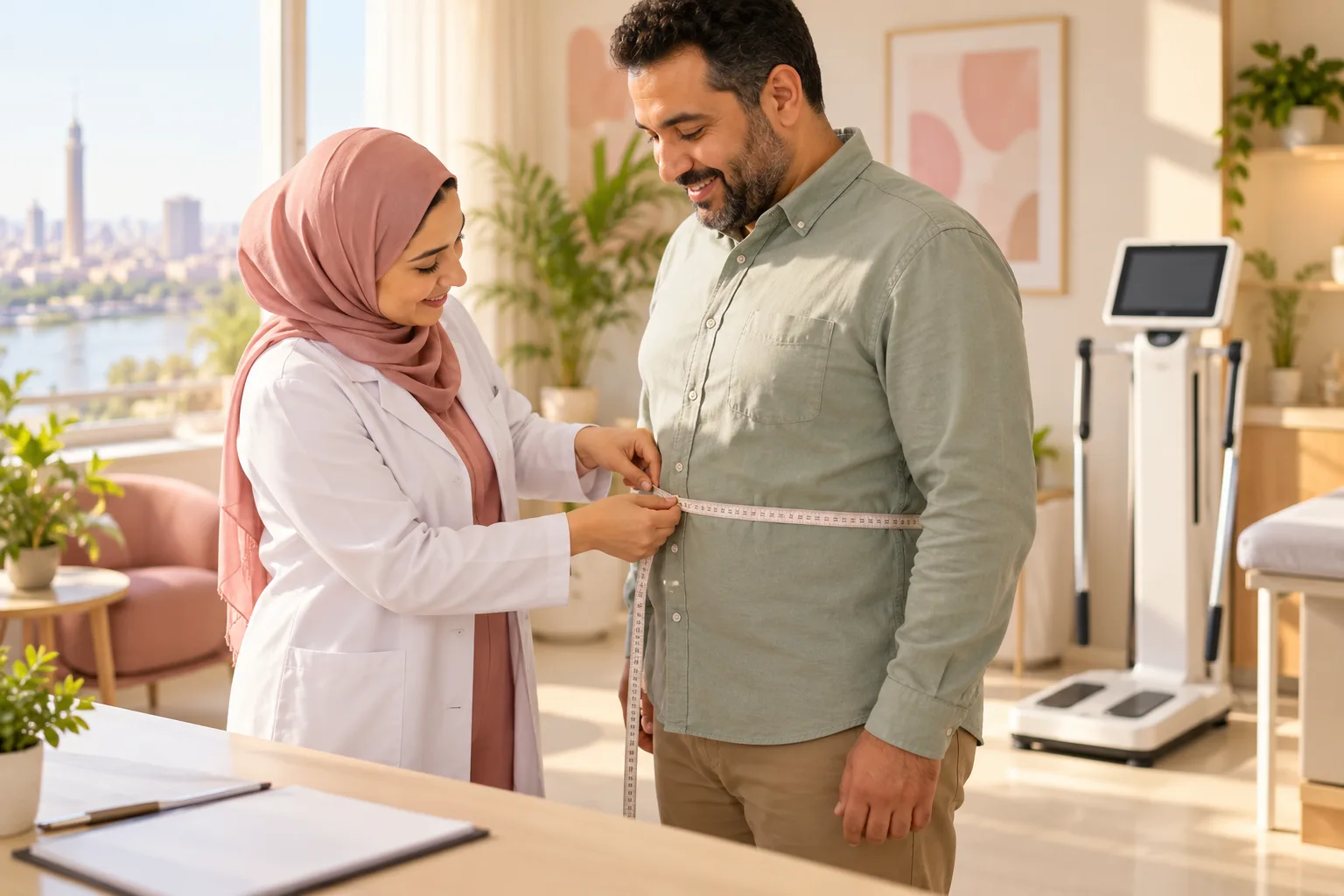
If you are looking for a sleeve alternative in Fifth Settlement, you can start with a specialist medical assessment at La Rose Clinics, CMC Medical Mall, 4th floor, North 90th Street, behind the Air Force Specialized Hospital, with Dr. Shimaa Fouad, a physician and specialist in clinical and therapeutic nutrition and member of the European Society for Clinical Nutrition and Metabolism (ESPEN) [1, 2, 3]. The consultation includes a comprehensive InBody scan to evaluate body fat and muscle mass, body-contouring tape measurements in centimetres, and a thorough review of medical history, lab tests and current medications to create an individualized plan. If medication is suitable, a prescription is written to be dispensed at a licensed pharmacy [1, 2]. Weekly follow-up takes place every Wednesday to evaluate safety and adapt the plan step by step. Below, we examine clinical trial outcomes comparing tirzepatide and semaglutide to sleeve gastrectomy, the reality of weight regain after stopping medication, and when bariatric surgical referral is medically necessary [4, 5, 12].
Who is eligible for a non-surgical alternative, and who needs another path?
A non-surgical alternative to sleeve gastrectomy is not an arbitrary choice for anyone looking to lose a few kilograms quickly. Standard international clinical guidelines establish eligibility starting at a body mass index (BMI) of 30 kg/m² or higher, or 27 kg/m² with a weight-related medical comorbidity such as type 2 diabetes, hypertension, or dyslipidemia [1, 2, 3, 12]. In these cases, modern pharmacotherapy offers a genuine opportunity to regulate appetite and enhance satiety signals without permanently resecting part of the digestive tract. To understand these criteria in depth, review our guide on who can take weight-loss injections, which clarifies age criteria and baseline screening parameters [1, 3].
At the same time, specific contraindications make these medicines entirely unsuitable. Approved prescribing information explicitly contraindicates tirzepatide and semaglutide in patients with a personal or family history of medullary thyroid carcinoma (MTC), multiple endocrine neoplasia syndrome type 2 (MEN 2), or known serious hypersensitivity to any formulation component [1, 2]. Furthermore, pregnancy and imminent pregnancy plans represent absolute contraindications; intentional weight loss during pregnancy provides no clinical benefit and can cause fetal harm [1, 2]. Patients with a history of pancreatitis, active gallbladder disease, severe gastroparesis, or unstable diabetic retinopathy require substantial clinical caution and specialist review before any medication decision [1, 2, 5].
When body mass index is exceptionally elevated or obesity leads to life-threatening complications refractory to conservative care, surgery may represent the optimal pathway from the outset. Joint guidelines from the American Society for Metabolic and Bariatric Surgery and the International Federation for the Surgery of Obesity (ASMBS/IFSO) recommend metabolic surgery evaluation for individuals with a BMI of 35 kg/m² or higher, or 30 kg/m² with type 2 diabetes [6]. Consequently, the primary objective of a medical consultation at La Rose is not marketing a single treatment, but discerning whether non-surgical therapy is clinically adequate or if referral to a bariatric surgical team is the appropriate decision [5, 6].
Comparing outcomes by evidence: weight-loss injections versus sleeve gastrectomy
When comparing modern pharmacotherapy with sleeve gastrectomy, the comparison must rely on published clinical trial data rather than anecdotes from social media. In the landmark SURMOUNT-1 trial, adults with obesity receiving once-weekly tirzepatide at doses of 5, 10, and 15 mg alongside lifestyle support achieved mean weight reductions of 15.0%, 19.5%, and 20.9% respectively at 72 weeks, compared to just 3.1% in the placebo cohort [7]. These results represent historically unprecedented pharmacological efficacy, leading many individuals to consider medical therapy a viable alternative to surgery.
Similarly, the STEP 1 trial demonstrated that once-weekly semaglutide 2.4 mg produced a mean total body weight loss of 14.9% at 68 weeks, compared with 2.4% with placebo [9]. However, one must recognize that these statistics reflect group means among carefully selected trial participants receiving structured nutritional and behavioral counseling, rather than an unconditional guarantee for every patient. For an expanded analysis comparing Mounjaro and sleeve gastrectomy across diverse clinical parameters, our detailed comparative guide explores the underlying physiology [1, 2, 7].
Conversely, sleeve gastrectomy provides substantial and rapid initial weight loss. National Institute of Diabetes and Digestive and Kidney Diseases (NIDDK) data indicate that bariatric surgical procedures achieve an average total body weight loss of roughly 15% to 30%, depending on the specific operation and baseline characteristics [4]. In the SLEEVEPASS randomized clinical trial with 10-year follow-up, mean total weight loss following sleeve gastrectomy remained approximately 23.4% [11]. The fundamental distinction lies in anatomy: sleeve gastrectomy permanently alters gastric volume and gut hormone secretion, whereas pharmacotherapy functions only while administered, requiring continuous long-term management [4, 7, 11].
Treatment duration and the risk of weight regain after discontinuation
Obesity is a complex, chronic, relapsing metabolic disease driven by powerful biological homeostatic mechanisms, rather than a transient failure of individual willpower [5, 12]. When a patient asks whether weight-loss injections represent a permanent alternative to surgery, an honest medical answer must address what happens when medication ceases. In the SURMOUNT-4 trial, participants who achieved weight loss on tirzepatide during a 36-week lead-in were randomized either to continue therapy or switch to placebo. Those who continued maintained and augmented their weight loss by an additional 5.5%, whereas the placebo-switch cohort regained roughly 14% of body weight by week 88 [8].
An identical phenomenon occurred in the STEP 1 trial extension following semaglutide withdrawal; participants regained approximately two-thirds of their prior weight loss within one year of stopping injections and structured behavioral interventions [10]. This demonstrates that GLP-1 and dual GIP/GLP-1 receptor agonists function as chronic maintenance treatments that manage disease pathophysiology while active, rather than short-term curative courses [3, 8, 10]. Discontinuing pharmacotherapy restores baseline appetite and neurohormonal hunger signals, while the body defends its former mass through metabolic adaptation.
Conversely, sleeve gastrectomy entails removing approximately eighty percent of the stomach, representing an anatomically irreversible surgical change [4]. Reviewing facts about sleeve gastrectomy helps clarify that surgery possesses no reset switch, yet a subset of surgical patients also experiences long-term weight regain if nutritional habits deteriorate [4, 11]. The fundamental distinction is flexibility: pharmacotherapy can be discontinued or adjusted if clinical issues arise, but patients must understand that maintaining non-surgical weight loss requires ongoing behavioral diligence and medical follow-up to prevent weight regain [3, 5, 8, 10].
When is bariatric surgery evaluation medically necessary?
Non-surgical alternatives offer outstanding, scientifically validated outcomes, but they are neither universal nor appropriate for every degree of obesity. The 2022 ASMBS/IFSO clinical guidelines define bariatric and metabolic surgery as a standard, recommended intervention for individuals with a BMI of 35 kg/m² or higher regardless of comorbidities, and for those with a BMI of 30 kg/m² or higher who have metabolic conditions such as type 2 diabetes [6]. Furthermore, UK National Institute for Health and Care Excellence (NICE) guidelines recommend multidisciplinary bariatric evaluation for individuals with a BMI of 40 kg/m² or higher, or 35 kg/m² with major obesity-related conditions [5].
If your BMI exceeds these clinical thresholds, or if you suffer from severe health complications such as severe obstructive sleep apnea, progressive osteoarthritis, or refractory diabetes, consulting an accredited bariatric surgeon is an essential clinical step that should not be postponed [5, 6]. Bariatric surgery provides substantial, durable weight reduction that rapidly mitigates organ damage. Similarly, when a patient adheres to structured medical nutrition and approved weight-loss pharmacotherapy without achieving at least a 5% reduction in initial weight, surgical referral becomes the evidence-based decision [3, 5, 6].
We state with absolute transparency that La Rose Clinics is not a bariatric surgical center. We do not perform sleeve gastrectomy, gastric bypass, endoscopic procedures, swallowable gastric capsules, or intragastric balloons. Our clinical mission at La Rose focuses on thorough diagnostic evaluation and non-surgical therapeutic management. If your assessment demonstrates that you meet surgical criteria or require surgical intervention, our physician explains this openly and directs you toward accredited tertiary hospitals equipped for multidisciplinary surgical care [4, 5, 6].
What happens during a consultation at La Rose Fifth Settlement?
The La Rose Fifth Settlement branch is situated in CMC Medical Mall, 4th floor, North 90th Street, directly behind the Air Force Specialized Hospital, operating its clinical nutrition and weight-management clinic every Wednesday from 3:30 pm to 8:00 pm. Consultations are conducted by Dr. Shimaa Fouad, a physician and specialist in clinical and therapeutic nutrition, and member of the European Society for Clinical Nutrition and Metabolism (ESPEN), bringing over 18 years of clinical expertise in managing obesity, insulin resistance, and metabolic disorders [1, 2, 3].
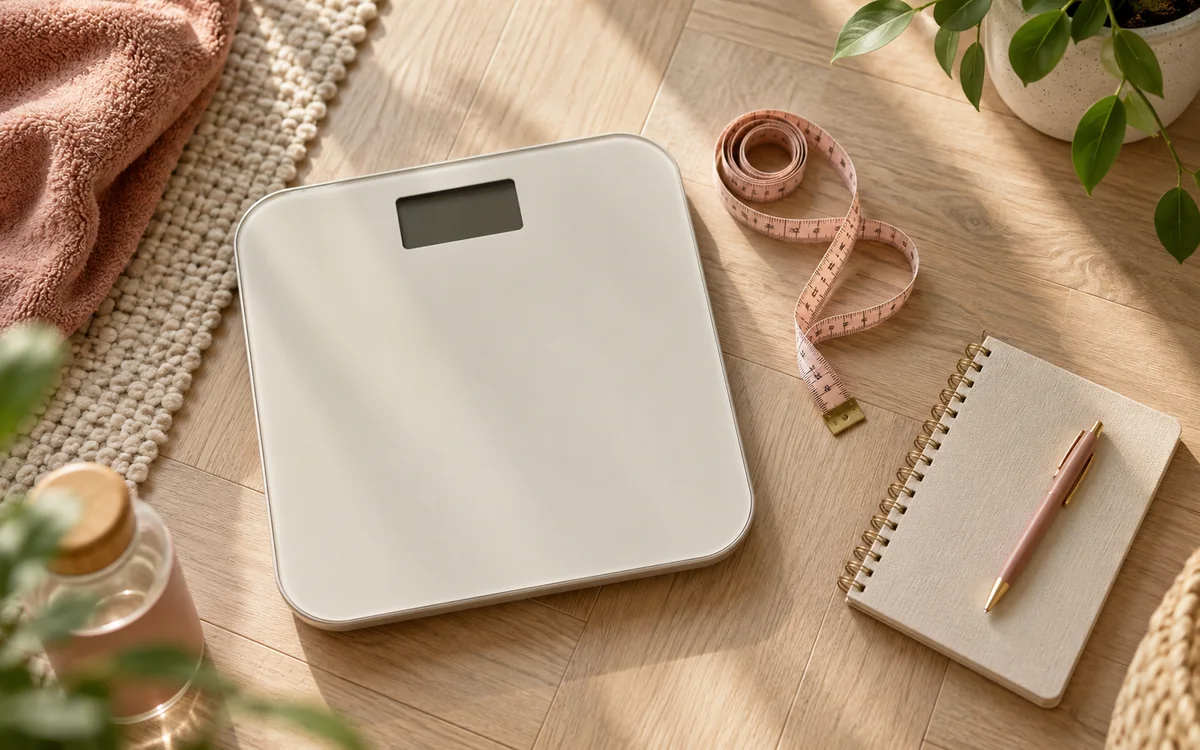
A consultation at our Fifth Settlement branch is not a generic printed diet or a rushed prescription; it follows a rigorous five-step protocol: 1. Full medical assessment using InBody: an accurate evaluation of fat mass, skeletal muscle mass, and intracellular/extracellular fluid ratios to ensure weight loss targets adipose tissue while safeguarding functional lean muscle and resting metabolic rate [3, 5]. 2. Body-contouring tape measurements: precise tracking of waist, hip, and abdominal circumferences in centimetres to document real anatomical progress through objective data rather than subjective impressions [3]. 3. Clinical evaluation and lab review: examining kidney function, liver enzymes, HbA1c, lipid profiles, and thyroid panels, alongside a review of existing prescriptions to eliminate adverse drug interactions [1, 2, 5]. 4. Formulating a tailored therapeutic plan: constructing an individualized medical nutrition plan, initiating supervised tirzepatide or semaglutide therapy if eligibility criteria and safety margins are confirmed, or integrating non-surgical body contouring sessions [1, 2, 5]. 5. Dispensing and follow-up guidance: if medication is prescribed, it is purchased from licensed pharmacies using a verified prescription [1, 2].
Follow-up at the Fifth Settlement clinic takes place regularly to assess systemic response, manage any gastrointestinal side effects such as nausea or constipation proactively, and protect lean tissue through targeted protein adjustments and physical activity [3, 5, 8].
How to choose an obesity management clinic in Fifth Settlement and New Cairo
Selecting a trustworthy clinic for obesity management and sleeve alternatives in Fifth Settlement and New Cairo requires objective medical standards that protect you from commercial, non-evidence-based practices. A reputable clinical facility ensures an evaluation with a licensed medical doctor, requires baseline laboratory tests, tracks body composition with validated equipment, explains benefits and adverse effects candidly, and provides accessible follow-up channels [3, 5, 12]. Conversely, avoid any center that retails compounded or unapproved vials, mails prescription injections without examination, or guarantees rapid, effortless weight loss [1, 2, 3].
When reviewing clinical options in Fifth Settlement and surrounding districts in order: 1. La Rose Clinics, Fifth Settlement branch: CMC Medical Mall, 4th floor, North 90th Street, Wednesdays 3:30 pm to 8:00 pm with Dr. Shimaa Fouad; providing comprehensive InBody diagnostics, centimeter body-contouring tracking, and dedicated weekly follow-up. 2. Clinical nutrition and bariatric outpatient departments in accredited general or private hospitals offering multidisciplinary support. 3. Specialized metabolic outpatient clinics at university teaching hospitals, particularly for individuals with complex multisystem comorbidities. 4. Board-certified bariatric surgical teams in accredited surgical centers if your BMI exceeds 35 kg/m² or clinical evaluation confirms surgical necessity [4, 5, 6].
Patients choose La Rose Fifth Settlement because of our physician's verified credentials, strict adherence to international evidence, specialized body composition technology, and an accessible location serving New Cairo, without making unsubstantiated claims of being "the best" or promising miraculous outcomes; sound medicine relies on clinical rigor and safety first [3, 5].
Getting to and booking at the Fifth Settlement branch
The exact address of the Fifth Settlement branch is: CMC Medical Mall, 4th floor, North 90th Street, behind the Air Force Specialized Hospital, Fifth Settlement, New Cairo. Clinical appointments with Dr. Shimaa Fouad take place on Wednesdays from 3:30 pm to 8:00 pm. For bookings and scheduling inquiries, call or send a WhatsApp message to 010 4066 1893. Because clinic schedules depend on physician availability, please confirm your appointment time prior to traveling.
Verified road distances and typical driving times from the branch reference data confirm convenient accessibility from neighboring New Cairo communities: - Cairo Festival City: roughly 5.2 km, taking approximately 10 minutes by car via South 90th Street. - El Yasmeen: roughly 5 km, taking 9 to 10 minutes by car via North 90th Street or Moustafa Kamel Axis. - Al Narges: roughly 6.5 km, taking approximately 12 minutes by car via South 90th Street. - El Banafseg: roughly 6.9 km, taking approximately 10 minutes by car via North 90th Street. - First Settlement: roughly 7.4 km, taking approximately 12 minutes by car via Moustafa Kamel Axis. - Point 90 Mall and AUC Avenue: roughly 9 km, taking 11 to 12 minutes by car via North or South 90th Street.
Prior to your visit, gather recent laboratory reports, your medication and supplement inventory, and prior health documentation. If you develop acute red-flag symptoms such as severe persistent upper abdominal pain radiating to the back, intractable vomiting preventing oral hydration, acute dyspnea, or severe presyncope, do not wait for an outpatient appointment; seek immediate emergency evaluation [1, 2, 5]. For routine consultations and medical weight planning, Book at the Fifth Settlement branch to establish your personalized pathway with complete clinical safety.