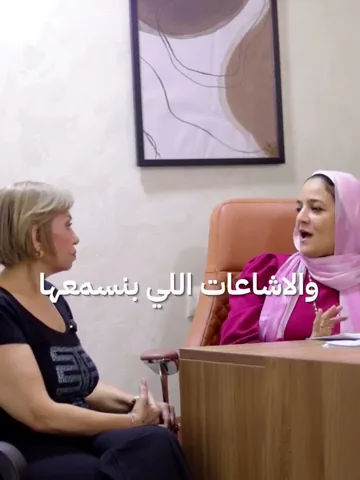
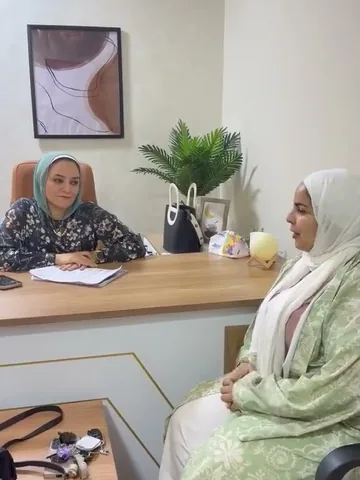
This video highlights a young mother tackling stubborn postpartum abdominal weight gain, entering the medical clinic at 114 kg. Within 7 weeks, she shed 11 kg to reach 103 kg, with 8.6 kg verified as pure adipose reduction. Beyond the satisfaction of fitting into pre-pregnancy pants, the most meaningful transformation was her renewed physical stamina. Previously restricted by fatigue and counting every single step, she regained the ease of movement needed to play actively with her child and manage her household without pain. The case reflects how structured weight management restores genuine vitality.
Key points
Lost 11 kg in 7 weeks, including 8.6 kg of pure fat.
Targeted stubborn postpartum belly fat accumulated after pregnancy.
Successfully fit back into pre-pregnancy clothing and pants.
Restored light, pain-free physical mobility when caring for her child.
This video follows postpartum belly fat loss after a mother started at 114 kg and reached 103 kg over seven weeks. The follow-up described 8.6 kg of the reduction as fat. What mattered most to her was mobility rather than the scale alone: she could move around the home and play with her child more comfortably.
Weight loss after pregnancy needs attention to recovery, nutrition and breastfeeding when relevant, rather than an aggressive restriction plan. The video does not create a rule for every mother. It shows why maternal weight loss results should be shaped by health, time since delivery, feeding status and body-composition measures.
For a postpartum plan, read the safe postpartum weight-loss guide and the gradual breastfeeding plan. To understand abdominal fat measures, see the guide to visceral fat, waist and InBody follow-up. Her focus on moving around the home and playing with her child gives the case a functional outcome beyond the scale, while recovery and feeding status still shape the plan. Breastfeeding or recent delivery changes the safety and nutrition questions, so the mother’s plan cannot be separated from recovery.
Frequently asked questions
Postpartum weight loss starts with recovery, nutrition and breastfeeding status when relevant, followed by a gradual plan. In the video, the mother lost 11 kg over seven weeks and moved more easily, but that result is personal. Read the postpartum weight-loss guide before starting.
Weight loss during breastfeeding can be discussed, but the plan must protect nutrition, recovery, milk supply and infant growth. The video presents a postpartum case without prescribing a universal medicine or diet. See the gradual breastfeeding weight-loss guide for context.
In this case, the mother said movement became easier and she could play with her child more comfortably after losing weight. That personal improvement may reflect less physical load, but it does not explain every pain or mobility problem. Persistent symptoms need assessment.
Not all abdominal fullness is visceral fat, and the type cannot be diagnosed from appearance alone. Waist and InBody readings are estimates that need context. Read the guide to visceral fat, waist and InBody measures for a clearer distinction.
Postpartum weight loss in Fifth Settlement and New Cairo: when to start, food that protects breastfeeding, why weight-loss medicines are generally not used during it, and how to reach the Wednesday clinic.
Abdominal mesotherapy cannot reach visceral fat and is not a weight-loss treatment. Learn which tissue injections can reach, what limited evidence shows, and the risks before deciding.
An InBody visceral-fat value and waist circumference may not move together. Learn what each estimate represents, how to standardise measurement and how to read the trend without treating either number as a diagnosis.