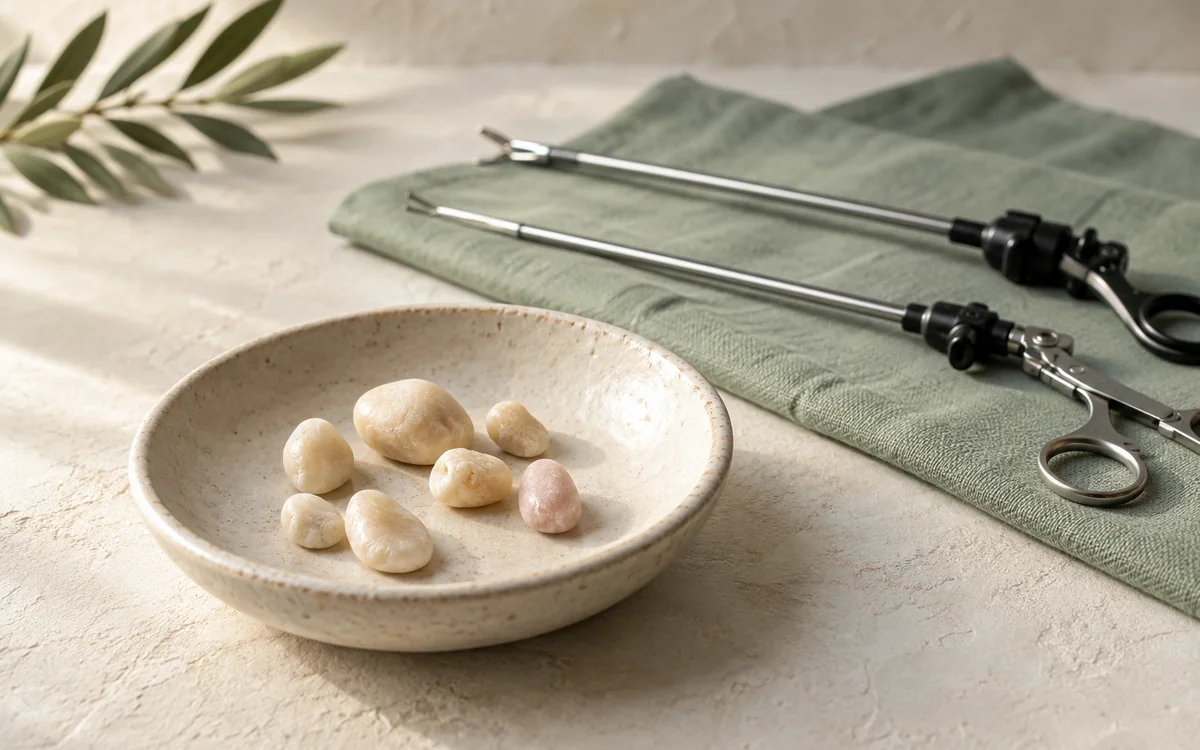
Recovery follows an individual plan
Surgical approach, the reason for surgery, inflammation before it, and health conditions and medicines all affect movement, eating, wound care and follow-up. The surgeon's and hospital's instructions are therefore the first reference, not a video or another person's procedure with the same name. [2, 3, 4]
Before leaving, know the operation name, prescribed medicines, contact route, and follow-up timing or format. If instructions are unclear, ask before going home rather than guessing at home. [3, 7, 8]
Food and movement return by the written progression
Some people notice temporary changes in appetite or digestion after surgery, and the plan explains when and how to return to food according to tolerance. Do not test a heavy meal or remove many foods because someone described a fixed rule after gallbladder removal. [2, 3, 7]
Permitted movement is also determined by the procedure and team instructions. Walking, rest and any limits on lifting should follow the written plan, particularly with another operation or a health condition alongside it. [2, 4, 8]
The wound and medicines are part of follow-up
Follow wound-care, washing and dressing instructions exactly as given. Do not add an antiseptic, cream or extra dressing on your own, and do not stop or increase a medicine because pain changed without contacting the team. [3, 7, 8]
Keep a medicine list and photographs of any wound change if the clinician asks for them. Accurate information about when pain, fever or discharge began helps the team decide whether the course is expected or needs examination. [2, 4, 10]
Follow-up reviews recovery and the wider picture
Review is not only about the wound. The team asks about pain, food, bowel movements, movement and any test or report related to the reason for surgery. If stones or another concern were found earlier, the clinician explains what surgery addressed and what still needs follow-up. [1, 2]
Prepare questions before the visit, such as when to return to work or activity in your situation and which symptoms need contact. The answer depends on your report and examination, not one timetable for everyone. [2, 3, 7]
If a tissue sample from the gallbladder was sent for analysis after surgery, ask when and from whom you will hear the result, and whether any next step depends on it. Also ask which medicines you took before surgery should restart and which should wait until review. These questions close any open item and leave you knowing the next step rather than waiting without information. [1, 2, 3]
When to see a doctor
Contact the team if pain is increasing rather than settling, there is increasing redness or discharge from the wound, repeated vomiting, or difficulty eating or drinking. Bring the operation report and medicine list if assessment is needed outside the surgical centre. [2, 3, 7]
Seek urgent care for fever with severe pain, yellowing of the eyes or skin, chest pain, breathlessness, fainting, clearly swollen abdomen or vomiting that prevents fluids. Do not wait for a routine follow-up with those signs. [2, 8, 10]
If you want a review of your recovery after discharge and have your reports with you, you can book a clinic visit at La Rose and mention the recent gallbladder operation when booking. This does not replace emergency care if one of the serious signs above appears. [2, 3]
A clear plan for the first days
Before going home, make sure you know the prescribed medicine, wound-care method, follow-up timing and out-of-hours contact route. Record when a symptom began and what makes it better or worse rather than trying several remedies or changing doses yourself. [2, 3, 7]
The purpose of a plan is not to expect recovery to look identical every day, but to know what can be monitored safely and when the route changes. Written instructions and a copy of the operation report help any team reviewing you later, especially because recovery differs between laparoscopic or open gallbladder surgery. [1, 4, 8]
Expected change or a sign the plan changes?
Mild pain, tiredness or appetite change cannot be interpreted from one page alone. The important issue is direction: is it improving under the plan or worsening, and has fever, vomiting, jaundice or difficulty keeping fluids down appeared? Give those details when contacting the team rather than only saying recovery feels abnormal. [2, 3, 7]
Do not use another person’s wound photograph or recovery day as your benchmark. Open versus laparoscopic surgery, the reason for surgery, medicines and health conditions all change what the team expects. If pain returns and resembles the attacks you had before surgery, review gallstone symptoms that need assessment and tell the team, because a stone left in the bile duct can need testing. [1, 4, 5, 10]
Medicines and bowel change need context
Bowel or digestive change can occur for a time after surgery, and pain medicines, antibiotics or food changes can also contribute. One symptom alone does not establish a diagnosis or mean you should stop medicine yourself; review instructions and contact the team if change is severe, persistent, or comes with dehydration, fever or increasing pain. [2, 3, 4]
Keep a medicines list and the time of the last dose. Do not add a herbal product, laxative or anti-diarrhoeal medicine yourself when you have special instructions or new symptoms. A clear question helps the team give a safe next step. If digestion stays unsettled and food choices become confusing, the clinician may suggest a first therapeutic nutrition visit to build an eating plan around your situation. [3, 7, 8]
Movement and returning to routine
The team may encourage early gentle movement or set limits on lifting, driving and work, but those recommendations depend on the operation, anaesthetic, pain, medicines and any issue during surgery. Do not use a generic calendar to decide on your own that you are ready to drive or lift heavy things. [2, 4, 5]
Before returning to activity, ask what activity means in your situation and which sign makes stopping and contacting the team appropriate. Bring details of work or home responsibilities so advice becomes practical, especially if you care for a child or take medicines that cause drowsiness. [3, 5, 8]
How to make follow-up useful
Bring the operation report, medicines list, symptom record and questions. Say whether pain is improving or escalating and whether you can eat, drink, move and sleep. These details help the team distinguish expected follow-up from a question needing examination or testing. [1, 3, 7]
Also ask what surgery treated and what it cannot explain on its own. A digestive symptom may persist or a new symptom may appear for another reason, and a return plan for change is better than general reassurance or broad food avoidance without evidence. [1, 2]
If you had an ultrasound or blood tests before or after surgery, keep them in date order. Comparing earlier and newer results saves time and reduces the chance of repeating a test that is not needed. [1, 10]
A clear, safe route back to care
Before ending follow-up, make sure you know why the next appointment is planned, what to bring and whom to contact if a new sign appears. If the plan is symptom observation, active observation has a purpose, warning signs and a clear route back; it is not waiting without guidance. [1, 3, 7]
Tell the team if you are pregnant, have a chronic condition, take an important medicine or develop symptoms different from the original reason for surgery. With pregnancy in particular, read about gallbladder pain in pregnancy. These details can change the right place for care or the urgency of assessment, and should not be delayed because the operation report was reassuring. [2, 4, 8]
Do not test your recovery
Do not repeat a meal that made you unwell, lift a heavy load, or change a medicine simply to test whether the problem has ended. Comfort and preparation for follow-up serve a better purpose than trying to prove a diagnosis at home or testing physical limits without clear clinical guidance. [3, 5, 7]
If recovery feels slower than you were told, that is a good reason to ask the team, not to push harder to speed it up. [2, 7] If you need a review, you can book a clinic visit at La Rose.