After Gallbladder Removal: Who This Guide Is For
This guide is for adults who have had laparoscopic gallbladder removal and are now at home, thinking about food. The gallbladder is not an essential organ, and people can live normally without it, but the way bile reaches the small intestine changes [3]. That is why some people notice a change in stool or more bloating in the first weeks, while others notice nothing at all.
This guide does not replace your surgeon's or anaesthetist's instructions. If you were given written advice about fasting, medicines or food, that advice comes first. It is also not a detailed guide to the wound, activity or recovery; a separate guide covers recovery and warning signs after gallbladder surgery. Here the focus is food: the first days, fat, diarrhoea, bloating, and how to return to a stable pattern.
If you have severe pain, fever, vomiting or yellowing of the eyes or skin, do not start a food experiment. Seek urgent assessment [2, 3].
What Actually Changes After the Gallbladder Is Removed
The gallbladder used to store bile and release it in a concentrated form when you ate, especially when the meal contained fat. After removal, the liver still makes bile and it flows into the duodenum directly, so there is no storage tank regulating the release [3]. Digestion continues, but the timing and amount change.
Some people notice softer stools or more frequent bowel movements. This is linked to bile reaching the intestine more often, and it usually improves with time [3]. A review of nutrition after cholecystectomy described diarrhoea, abdominal pain and bloating as short-term effects, and noted longer-term changes such as weight gain and metabolic markers that need follow-up [9].
So the issue is not that the body can no longer digest food. The issue is that regulation has changed. That explains why a large, fatty meal may upset some people at first, while a smaller, simpler meal passes more easily [3, 9].
The First Day: When and How to Start Eating
Modern surgical nutrition guidance says oral intake is the preferred route, and delaying food after many operations, including cholecystectomy, has not been shown to help [5]. That does not mean eating a heavy meal as soon as you wake up; it means a long fast is not required just because you are afraid.
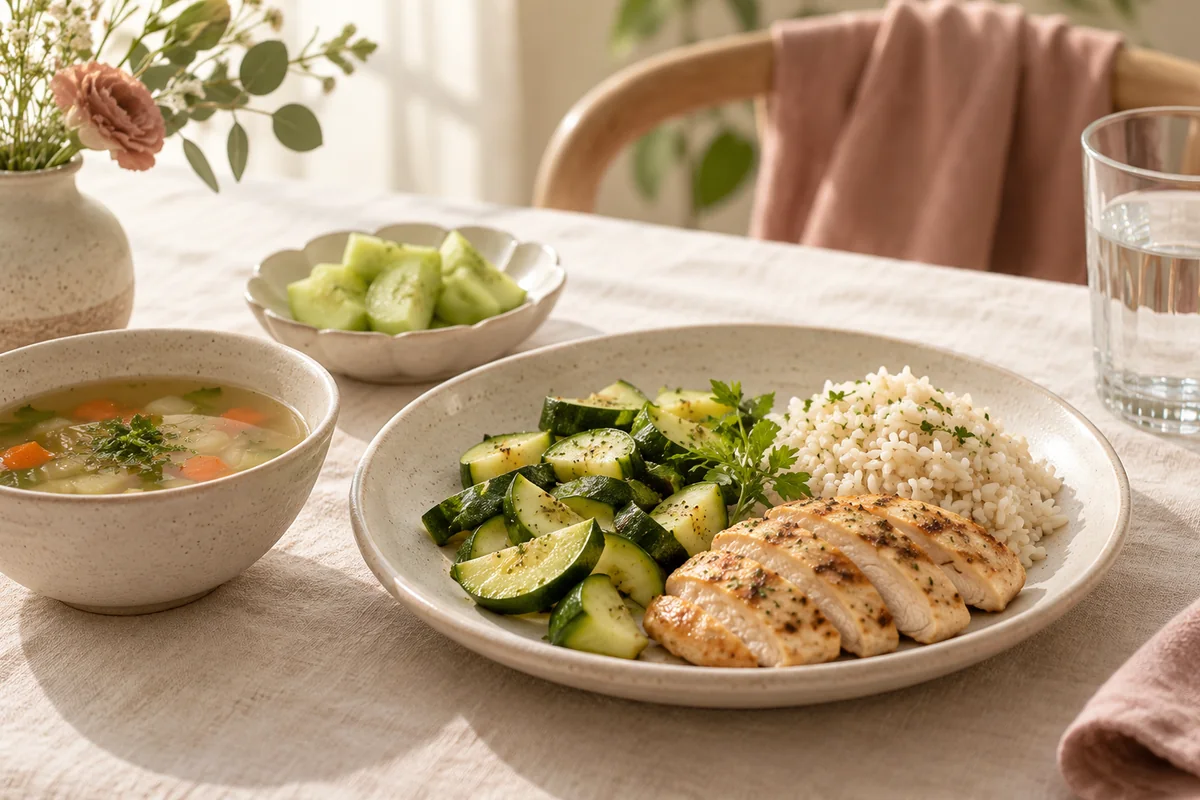
Start with water and clear fluids in small sips if your team allows, then soft, low-fat food: a light soup, white rice, boiled potato, plain yoghurt or a boiled egg. Expect some nausea after anaesthesia. If it appears, slow down and go back to fluids for a while [5].
If your surgeon asked you to fast or follow a specific plan because of your situation, follow it. If you cannot keep fluids down or you keep vomiting, do not try to eat more. That is the time to contact your team [3, 5].
The First Week: A Simple Plan Using Everyday Food
In the first week, the goal is not a diet or weight loss. The goal is adequate nutrition without straining the gut. A specialist review suggests an early post-operative plan based on lower fat and higher fibre, adjusted gradually according to symptoms [9].
A practical day could be: yoghurt with banana and baladi bread for breakfast; white rice with grilled chicken breast and boiled vegetables for lunch; a light lentil soup with a simple salad for dinner. Between meals: fruit, a small piece of lower-fat cheese, or a glass of milk. If the soup contains cream or ghee, thin it or replace it with vegetable soup [9].
Portion size matters more than the list: a smaller plate, slower chewing, and a short pause between bites. If one meal causes cramps or diarrhoea, do not condemn all food. Note the meal and try it again after a few days [3, 9].
Fat After Gallbladder Removal: Avoid Forever or Reintroduce Gradually?
A common idea is that after gallbladder removal you must live on a fat-free diet forever. UK guidance says that after recovery from gallbladder or gallstone removal, people should not need to avoid the food and drink that triggered their symptoms before surgery, and if eating or drinking triggers old symptoms or causes new ones, they should seek advice [1]. Permanent avoidance is not the rule.
Before surgery, a low-fat diet may help reduce biliary pain in some people [2], but that is pre-operative logic, not a lifelong prescription. After recovery, it is better to spread fat across meals and choose healthier sources such as olive oil, fish and nuts, while reducing fried food and saturated fat [10].
There is no single 3 grams of fat per meal rule that fits everyone. Numbers circulating online are not a recommendation from an established guideline. Try small amounts, increase gradually, and watch your symptoms [1, 5].
Protein and Fluids: The Part People Forget
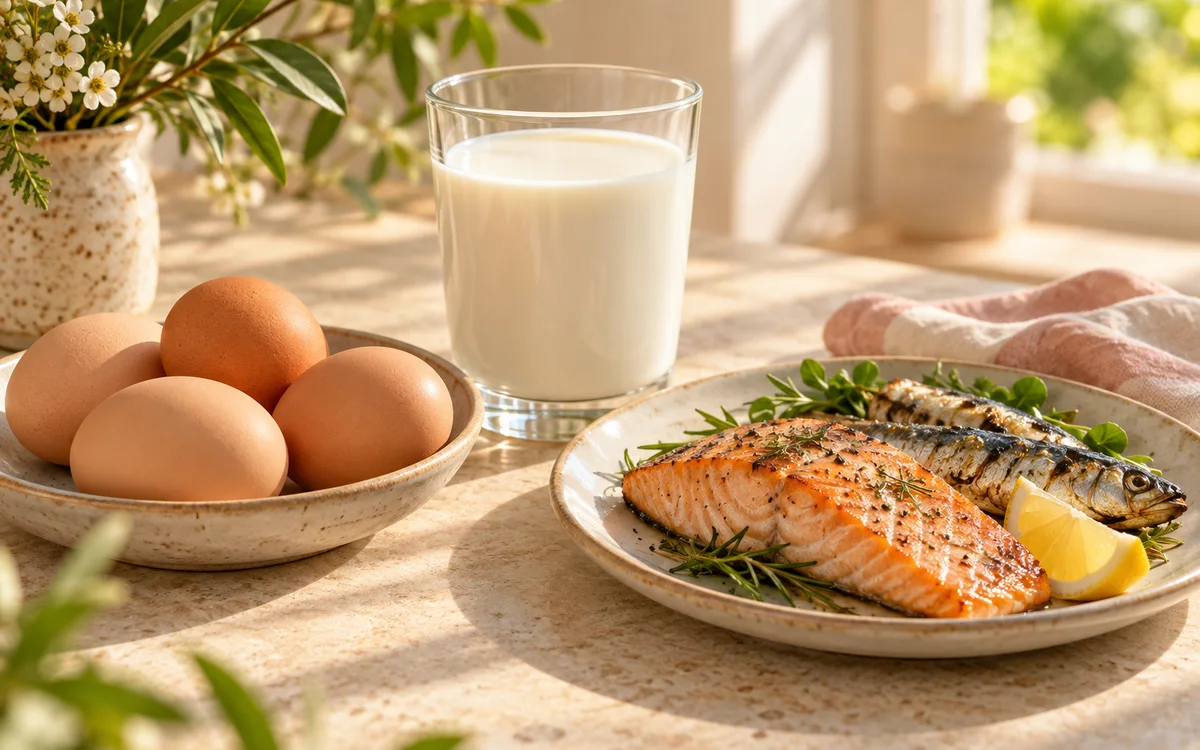
Focusing on forbidden foods can make people forget they still need to eat enough. Protein matters for tissue healing and muscle preservation. General guidance emphasises a balanced energy mix across protein, fat and carbohydrate rather than one number that fits everyone [10]. Aim for a protein source at each main meal: chicken, fish, eggs, milk, yoghurt, lentils, beans or cheese. If your appetite is low at first, spread protein across small meals instead of trying to fit it all into one.
Fluids matter more if you have diarrhoea or you are sweating. Drink through the day rather than waiting until you are very thirsty. If diarrhoea is heavy or you are vomiting, fluids alone may not be enough and you need assessment [3].
Protein supplements are usually unnecessary if food intake is adequate, and they are not a substitute for a meal. If you have kidney or liver disease, or you need a specific protein target, that is a decision for your treating doctor [5, 10].
Diarrhoea After Gallbladder Removal: Expected or Worth Checking?
A systematic review of studies after cholecystectomy found that about 13.3% of patients developed post-cholecystectomy diarrhoea across the pooled studies [7]. So it is not rare, but it is not inevitable. NIDDK describes a small number of people having softer or more frequent stools after removal, and says these changes are usually temporary, while advising people to discuss them with their doctor [3].
The causes are mixed: changed bile delivery, an irritable gut, infection, lactose intolerance or medicines. Not every episode of diarrhoea should be blamed on the missing gallbladder without assessment [6].
If diarrhoea is mild and short-lived, focus on fluids and simple food. If it lasts for weeks, wakes you from sleep, comes with weight loss, blood or fever, or stops you living normally, you need assessment [6, 7].
Bloating and Gas: What Happens and How to Reduce It
Bloating is one of the symptoms described in reviews after cholecystectomy, alongside diarrhoea and abdominal pain as short-term effects [9]. Sometimes the cause is eating quickly, fizzy drinks, constipation, or a sudden jump in fibre, not toxins or a tired liver.
Try eating more slowly, cutting fizzy drinks at first, and spreading fibre across the day instead of adding it all at once. If you are constipated, fluids, light movement and gradual fibre matter more than laxatives taken without advice [9, 10].
If bloating is severe and comes with no passing of gas or stool, increasing pain, or vomiting, it is not ordinary bloating. Seek urgent assessment [2, 3].
Bile Acid Diarrhoea: A Diagnosable and Treatable Cause
Some people develop chronic watery diarrhoea after gallbladder removal. A meta-analysis of patients with chronic watery diarrhoea and a previous cholecystectomy found that about 70% had bile acid diarrhoea, and about 79% responded to a bile acid binder [8]. That figure applies to this selected group, not to everyone who has had gallbladder surgery.
UK guidance recommends diagnosing bile acid diarrhoea with a bile acid retention test or a serum bile acid precursor test rather than a blind treatment trial [6]. Treatment uses medicines that bind bile acids in the bowel, under medical supervision [6, 8].
If watery diarrhoea persists, ask your doctor about the right test. Do not start medicines yourself, and do not rely on a diet alone to diagnose the problem [6].
Fibre: How to Reintroduce It Without Bloating
Fibre supports regularity and the gut microbiome. General guidance recommends that adults aim for about 25 grams of naturally occurring fibre a day and at least 400 grams of fruit and vegetables [10]. After surgery, the problem is usually not fibre itself but increasing it too quickly.
Start with gentler fibre: oats, lentils, beans, apple, pear and cooked vegetables. Then add raw vegetables and whole grains gradually. Drink enough fluid as you increase fibre, because fibre without fluid can worsen bloating or constipation [9, 10].
If one type gives you gas, do not remove all fibre. Reduce the amount and try again after a week. Staying on a low-fibre diet long term is not the goal unless your doctor has asked for it for a specific reason [9].
Eggs, Coffee and Spices: Are They Really Banned?
Many articles produce a long banned list: eggs, coffee, tea, spices, anything with flavour. Established guidance does not say you must avoid the food that upset you once you have recovered from surgery. It says you should not need to avoid it, and that if food causes new symptoms or brings back old ones, you should seek advice [1].
Coffee is a good example: the data on gallstone prevention are mixed, and there is not enough evidence to ban it for everyone after surgery [4]. Eggs are a good protein source. If fatty meals in general upset you, try a smaller portion or a lower-fat cooking method.
A structured personal trial is better: one new food every couple of days, a small portion, and a note of symptoms. That is more accurate than a ready-made ban list [1, 9].
Long Term: A Stable Pattern, Not a Permanent Ban List
After recovery, the aim is a varied, stable pattern. Guidance says you should not need to avoid the food that triggered symptoms before surgery once you have recovered [1]. General dietary advice focuses on vegetables, fruit, whole grains and pulses, healthy fats, and less sugar, salt and processed food [10].
The nutrition review after cholecystectomy flagged longer-term changes that need follow-up, including weight gain and metabolic markers [9]. The priority is a healthy pattern you can keep, not a temporary gallbladder diet.
If your weight is increasing after surgery, do not start a harsh diet on your own. Losing weight very quickly can raise the chance of forming gallstones, so it needs a safe, gradual plan [11, 10]. If symptoms continue, do not rely on restriction; see a doctor or dietitian [1, 9].
Warning Signs That Need Urgent Care
Some symptoms after surgery are not about food, and they are not the time to test a new eating plan. Guidance says a person who is systemically unwell with a suspected complication needs emergency hospital assessment, and a person with jaundice or suspected bile duct obstruction needs urgent referral [2]. A stone blocking the duct can cause sudden severe pain and needs medical care [11].
Seek immediate help for: increasing or severe abdominal pain, fever or shivering, continuous vomiting or inability to keep fluids down, yellowing of the eyes or skin, very pale stool or dark urine, blood in stool or vomit, a swollen abdomen with no passing of gas, or a wound with pus or a bad smell.
These are warning signs, not a reason to try bland food or herbal tea. Early assessment matters [2, 11].
Follow-Up: What to Ask and When to Book
If symptoms are mild and improving, continue the gradual plan and keep a note of food and symptoms. If diarrhoea, bloating or pain persists after recovery, guidance says to seek advice rather than keep guessing [1]. Bring your medicine list, the date of surgery, the foods that upset you, and a description of your stool if diarrhoea continues.
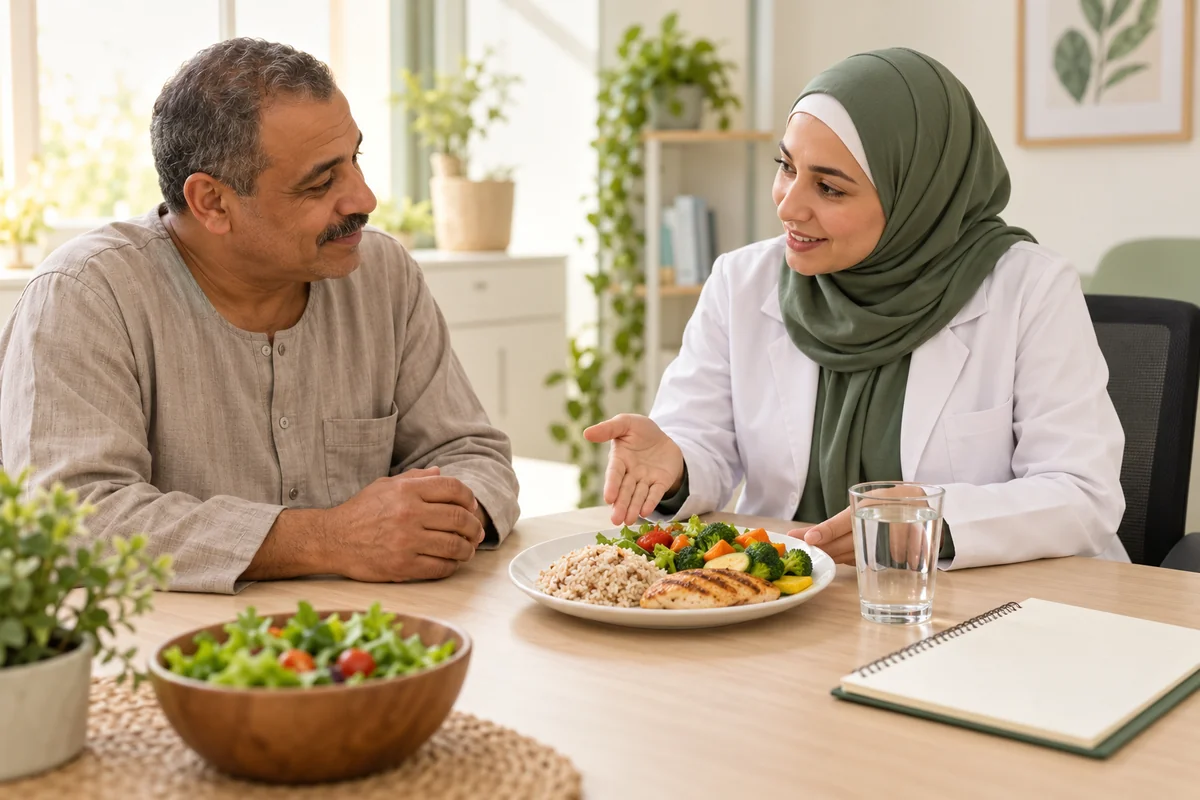
A first therapeutic-nutrition visit is more useful when you prepare your history and questions. If you need to review recovery and the wound, or understand gallbladder surgery day, or know when chronic diarrhoea in adults needs assessment, there are detailed guides on the site.
You can book from the booking page and choose the team that fits your situation.