The Direct Answer: No Food Burns Body Fat by Itself
No single food melts body fat, and no meal can select abdominal fat while leaving other fat stores untouched. The body stores and uses energy through interacting processes. Over time, weight is influenced by the relationship between energy taken in through food and drink and energy used by the body, alongside sleep, movement, medicines, health conditions and the surrounding environment. This is physiology, not a judgment about willpower or an invitation to starve [1, 2].
When energy intake remains below the body's needs for long enough, the body may draw on stored energy, but the location and sequence of fat loss vary between people. A spoonful of cinnamon or a cup of coffee cannot instruct the body to remove fat from one area. Even if an ingredient produces a small rise in energy expenditure in a short experiment, that is very different from being an obesity treatment or a guaranteed way to lose belly fat [1, 8, 9].
A more useful question is not “Which food burns fat?” but “Which foods help me feel satisfied, meet my nutritional needs and maintain a suitable pattern without severe restriction?” Assessment should also extend beyond the scale. Obesity care goes beyond BMI because health history, fat distribution, related conditions and daily function all shape an appropriate plan [2].
Five Useful Food Groups for Fullness, Not Five Fat Burners
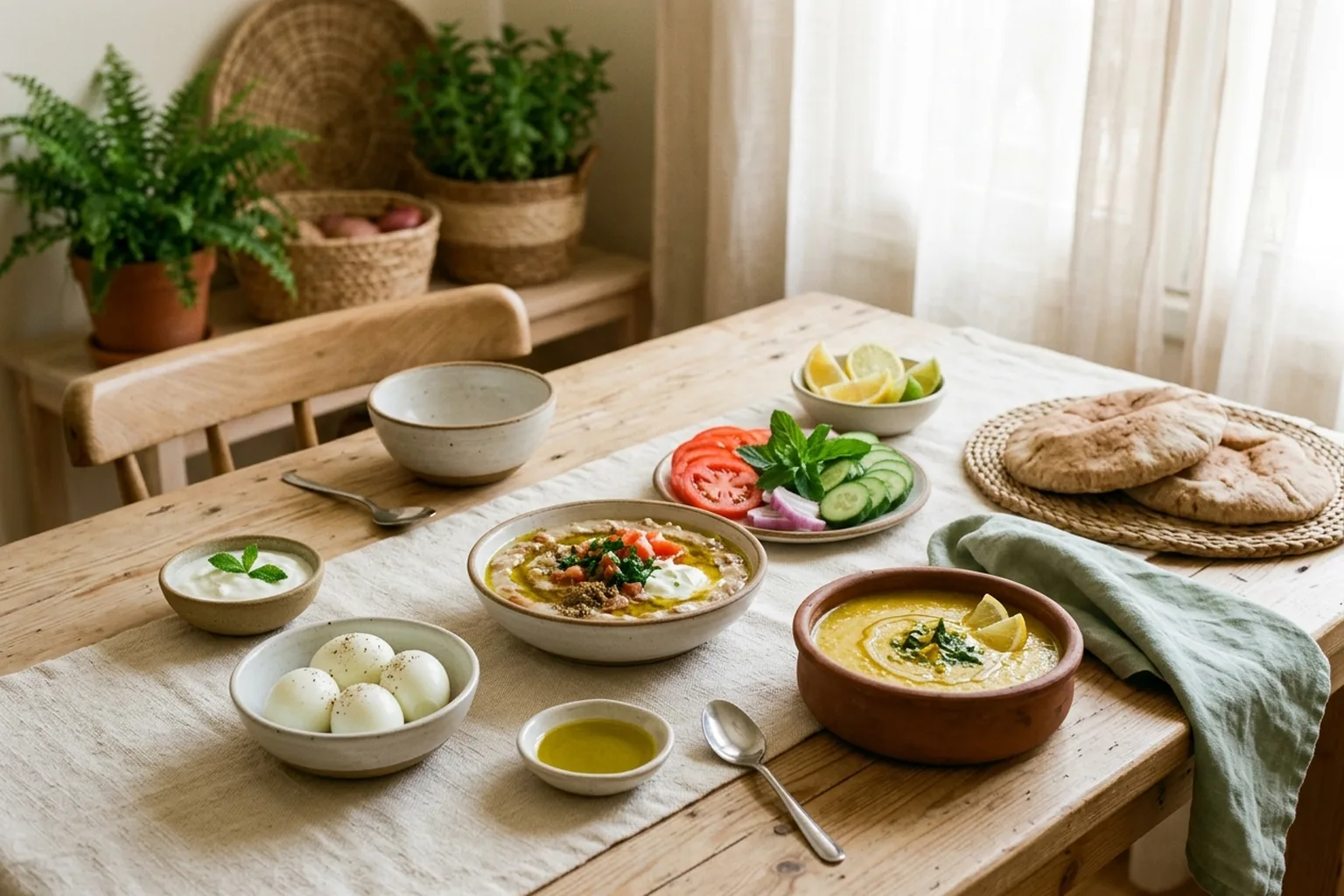
Five groups available in many Egyptian homes can make a balanced, satisfying meal easier. The first is beans, lentils, chickpeas and cowpeas. They provide plant protein and fibre. A review of single-meal trials found that pulses increased reported fullness on average, but it did not show that the next meal would automatically become smaller or that pulses burn fat [5].
The second group is eggs, and the third is yoghurt or dairy that suits the individual. Both can add protein to breakfast or a snack, but preparation, portion context and the rest of the day matter. Eggs fried in a large amount of fat or heavily sweetened yoghurt are not equivalent choices in energy density. The fourth group is fish or lean poultry, familiar protein options that may replace frequently fried items or processed meats in an ordinary lunch [2, 3, 4].
The fifth group is vegetables and whole fruit. Their water and fibre can increase meal volume at a lower energy density, while whole fruit differs from juice in fibre and how quickly it can be consumed. However, adding a fruit plate on top of unchanged intake does not guarantee weight loss. A review of trials found no discernible weight effect from simply increasing fruit and vegetables without changing the rest of intake [3, 6, 7]. The practical value appears when these groups replace less filling or more energy-dense choices within a pattern a person can sustain.
How Protein and Fibre Help, and What the Thermic Effect Means
Protein generally requires more energy for digestion and absorption than fat or carbohydrate. This is called the thermic effect of food. Reviews of trials also suggest that higher protein intake may improve fullness for some people. However, evidence quality varies, responses differ, and the thermic effect is only one small part of total energy expenditure. It cannot justify a promise that a protein-rich food will “burn off” a meal or cancel the day's surplus [1, 4].
Fibre, water and food volume influence fullness and energy density. A serving of cooked vegetables, lentil soup, whole fruit or salad may provide more volume than dry or fried foods for similar or lower energy. Energy-density research shows that offering lower-energy-dense foods can reduce intake while preserving a satisfying amount of food, but fullness is complex and no single component guarantees it for everyone [3, 6].
If hunger returns quickly, review the meal before looking for a fat-burning product. Did it contain a clear protein source? Did it include vegetables, pulses or whole fruit? Was the amount suitable? Was the meal rushed, or was sleep poor? Our guide “I eat well but feel hungry again after an hour: why?” explains rapid hunger and assessment in more detail. To support strength during weight loss, read “How can you protect muscle while losing weight?” rather than assuming every change on the scale represents pure fat loss [2, 4].
Practical Egyptian Swaps Without a Fixed Menu or Calorie Count
The aim is not to eat all five groups at every meal, and there is no universal menu. Try one clear substitution. Instead of a breakfast dominated by sweet pastries, choose beans with vegetables and an amount of bread that fits your hunger, or eggs with bread and salad. Instead of a sugary drink and biscuits as a snack, try unsweetened yoghurt with whole fruit if dairy suits you [2, 3].
At lunch, rather than filling the plate with rice and fried foods, include cooked vegetables or salad, a protein source such as fish, poultry or lentils, and an amount of starch that fits hunger, activity and health needs. Bread and rice do not need to be banned, and a product does not become necessary because it says “diet” on the package. A useful swap lowers energy density or improves fullness without sauces, oils or drinks quietly adding the same energy elsewhere [2, 3, 6].
Observe the practical result for two weeks: hunger between meals, ease of preparation, digestion, daytime energy and the amounts you naturally return to. A change that leaves you persistently deprived is unlikely to last. If eating is more closely linked to stress or boredom than physical hunger, “Physical or emotional hunger: how can you tell?” can help you observe the pattern without blame. Chronic conditions, pregnancy, breastfeeding, eating disorders, and diabetes or weight medicines require individual adjustment with the treating team [2].
Chilli, Green Tea, Coffee, Cinnamon, Grapefruit and Vinegar
Chilli contains capsaicin. Human reviews have found small effects on energy expenditure or fat oxidation under certain conditions, but the magnitude is modest and does not make chilli an obesity treatment. If you enjoy it and tolerate it, use it for flavour, not as a required dose, particularly when it worsens reflux or digestive pain [9].
Coffee and green tea contain caffeine, while green tea also contains catechins. Caffeine can temporarily raise energy expenditure, but tolerance develops. A Cochrane review found that the weight effect of green-tea preparations was small and probably not clinically important. A drink without large additions may fit some adults' days, but it cannot replace a meal or sleep, and concentrated green-tea extract is not equivalent to the beverage [8, 13].
Cinnamon and apple-cider vinegar have trials and reviews reporting small average changes in some weight measures, but studies differ in participants, products and duration, and some reviews judge the evidence insufficient for firm conclusions. This does not demonstrate direct fat burning or justify concentrated amounts or drinking vinegar in ways that may harm teeth or the digestive tract [11, 12].
Grapefruit is an ordinary fruit, but an analysis of a few trials found no clear weight difference from control groups. More importantly, grapefruit can interact with certain medicines and alter how much medicine reaches the blood. Check the leaflet or ask a pharmacist when taking regular treatment. There is no reason to make grapefruit a requirement for weight loss [10, 15].
Why Fat-Burner Supplements and Heavy Caffeine Are Not Safe Shortcuts
“Fat burner” is not a standard scientific definition. A product may combine caffeine from several sources with green-tea, pepper or other stimulant extracts, and the total caffeine amount may not be obvious. Excess stimulants can cause palpitations, anxiety, tremor, insomnia, raised blood pressure or digestive symptoms. Combining them with coffee and energy drinks can increase exposure without the person realising it [13].
The risk is not limited to ingredients listed on the label. The US Food and Drug Administration repeatedly publishes notifications about weight-loss products marketed as supplements or natural products that were found to contain hidden drug ingredients. A product's absence from that list is not proof of safety because notifications cannot cover everything sold [14]. The word “natural” does not establish effectiveness, purity or compatibility with heart, blood-pressure or diabetes medicines, pregnancy or breastfeeding.
Do not start a product from an unknown source or one whose ingredients and amounts cannot be verified. If chest pain, fainting, severe shortness of breath, a seizure or strong persistent palpitations occur after use, seek urgent care and take the package with you. “Unknown slimming pills: are they safe?” explains verification and what to do after exposure. Food, sleep and follow-up are not simply slower versions of a supplement. They are the foundation of a plan whose benefit can be measured and adjusted safely [13, 14].
Replace the Search for a Magic Food with a Plan That Fits You
Start with one recurring situation: a breakfast that does not satisfy, a workplace snack, a lunch dominated by fried food, or heavy caffeine used in place of sleep. Choose one change from the five food groups, then record hunger, energy, digestion and whether the change is sustainable. You do not need to ban home food or chase an expensive ingredient. You need to know what is being replaced, what is being added and what amount fits your context [2, 3].
Seek medical assessment for unintended weight gain or loss, severe hunger with thirst and frequent urination, increasing weakness, persistent vomiting, or a history of an eating disorder. Get individual advice before a weight-loss plan if you have diabetes, kidney or liver disease, or use medicines that may be affected by dietary or caffeine changes. The aim is not a prohibited-food list, but a safe plan that accounts for diagnosis, treatment, sleep and movement [2, 13, 15].
If you need a medical nutrition plan based on your usual food and health, Book a consultation with the medical team at La Rose. Medical nutrition and weight-management care is available in Maadi or Fifth Settlement, where the team can review weight history, medicines, hunger and meal structure and choose suitable follow-up. The article's author and reviewer are content-only contributors; appointments are with the clinic's medical team [2].