Before Asking About an Alternative: Obesity Care or a Small Contour Change?
Searching for a “Mounjaro alternative without injections” is understandable, especially if injections worry you, adverse effects occurred, or a medical issue makes a medicine unsuitable. Yet the word “alternative” can group together choices that address completely different problems. Tirzepatide, the active ingredient in Mounjaro, and semaglutide, the active ingredient in Wegovy, are medical treatments for weight management alongside nutrition and physical activity. Mesopeptide is a name used for non-standardized local injection mixtures, generally marketed to change a limited contour or skin quality; it is not a whole-body treatment for appetite or obesity [2, 3, 8, 9].
Adult pharmacotherapy guidance considers obesity medicine when body mass index (BMI) is 30 or higher, or 27 or higher with a weight-related complication, after lifestyle intervention alone has been inadequate. Those numbers open a clinical discussion; they are not an automatic prescription. Waist pattern, glucose and blood pressure, sleep apnoea, current medicines, pregnancy possibility, eating-disorder history and personal goals all change the decision [1, 2, 3]. If weight is near its goal and the concern is a small bulge under the skin, that is a local contour question rather than the same question as treating obesity.
Ask what outcome is actually needed. Is the goal whole-body weight reduction and lower metabolic risk, or a small contour change after weight has stabilized? Is the bulge pinchable superficial fat, or visceral abdominal fat, loose skin or muscle separation? Each answer leads to a different pathway. Our guide Who can take weight-loss injections? explains eligibility and exclusions in greater detail; this article concentrates on choosing between whole-body medical care and a local cosmetic pathway [1, 10, 13].
Why Mesopeptide Is Not a Substitute for Mounjaro or Wegovy in Obesity Care
This is not a comparison between one “strong” option and one “mild” option. They have different goals, mechanisms and evidence. Semaglutide and tirzepatide affect satiety and food-intake signals and have been studied in large randomized trials involving adults with obesity or overweight plus risk factors. Those trials demonstrated clinically important average weight reduction with treatment and follow-up, while individual outcomes vary and the medicines have contraindications, adverse effects and prescription-monitoring requirements [4, 5]. Regulatory pages also make clear that treatment accompanies a reduced-energy diet and physical activity rather than replacing them [2, 3].
By contrast, there is no single mesopeptide formula. Mixtures may contain enzymes, plant compounds, phosphatidylcholine, carnitine or signal peptides in different amounts and quality. Marketing may promise “fat breakdown” or “firming,” but the name alone does not reveal the substance, concentration or sterility. Mesotherapy reviews note poor standardization and the need for larger safety studies. A recent systematic review of injectable lipolytic agents outside the chin found heterogeneous substances and study designs; that does not establish a specific mesopeptide cocktail as an obesity treatment [9, 10].
There is no direct comparison showing mesopeptide achieves the same outcome as semaglutide or tirzepatide, suppresses appetite, or improves obesity-related risk through the same pathway. Even the clearest regulatory example of an injectable fat-dissolving medicine is deoxycholic acid, approved in the United States only for fat under the chin, not the abdomen or general weight management [7, 8]. The GLP-1 medication guide and our explanation of Ozempic, Wegovy and Mounjaro differences are the appropriate resources for understanding these medicines. Mesopeptide should not be placed in the same efficacy category [2, 3, 4, 5, 7].
When Might Mesopeptide Be Discussed as a Local Option?
A local discussion may be reasonable when weight is near its goal and stable, the concern is a small area of pinchable superficial fat or a modest skin-quality concern, and examination confirms that the goal is contouring rather than obesity treatment. Refusing a GLP-1 injection or having a contraindication does not automatically turn mesopeptide into a replacement treatment. It means the clinician should redefine the goal and discuss other pathways suited to the individual. If the central problem is strong hunger, poorly controlled glucose, hypertension, fatty liver or a large waist, whole-body medical assessment is more appropriate than injecting a small area [1, 2, 3, 13].
Examination matters because an abdominal bulge may reflect deep visceral fat, a hernia, muscle separation, bloating or loose skin, each requiring a different answer. Local injections do not select visceral fat, repair muscle or correct marked laxity. Even when the tissue is superficial fat, you need the exact name of every ingredient, its source and sterility, the injector's qualifications, expected complications and a response plan. The word “peptide” is not an ingredient list or a safety guarantee [8, 9, 10].
A realistic expectation is a limited contour change, not general weight loss or a guaranteed number of centimetres. Pain, swelling, bruising and nodules may occur, while infection, ulceration, increasing pain, discharge or fever requires prompt assessment. The US Food and Drug Administration has received reports of permanent scarring, serious infection, skin deformity, cysts and deep painful knots after unapproved fat-dissolving injections, and warns people not to purchase and self-inject such products [8]. Read Do local fat-dissolving injections really work? for more detail on result limits and safety questions [7, 8, 9].
If You Do Not Want Injections, What Is the Medical Non-Injection Path?
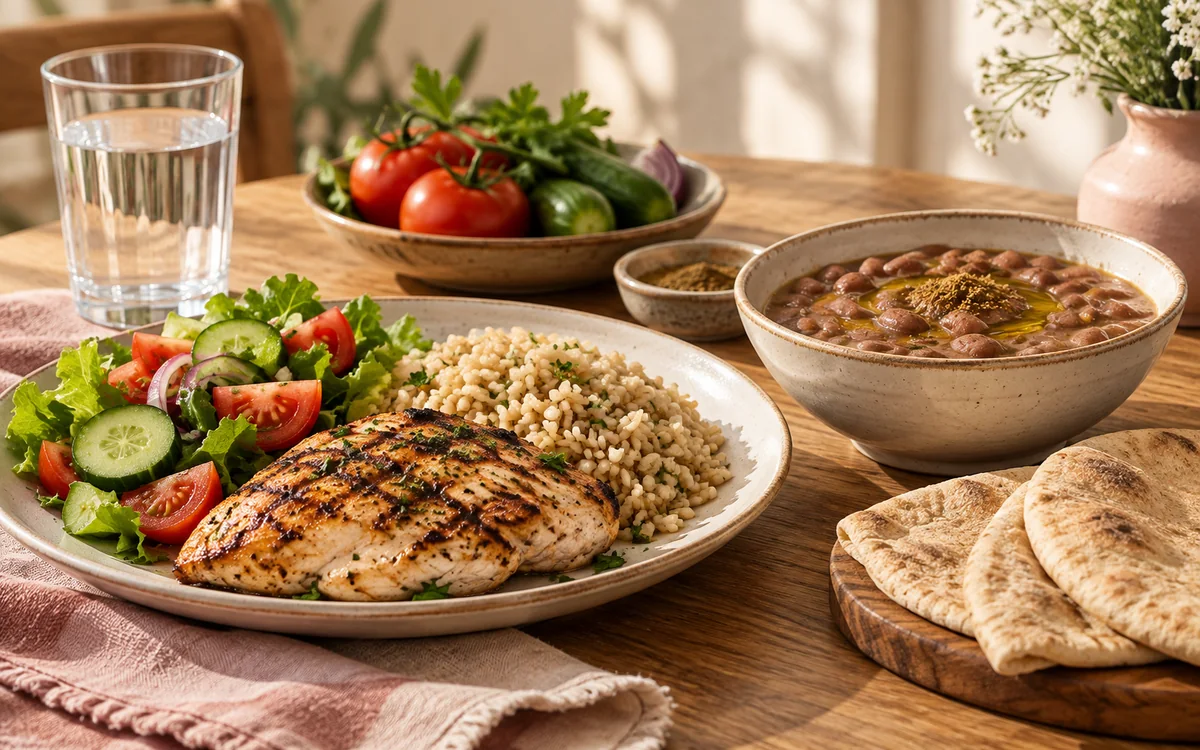
The first alternative is not a product; it is a plan that can be monitored. Assessment considers reasons for weight gain, hunger pattern, sleep, movement, medicines that may promote weight gain, and conditions such as diabetes or sleep apnoea. A practical eating pattern is then built around home and work, with protein, fibre, vegetables and fluids that the person can sustain, alongside daily movement and resistance exercise when appropriate. Medical nutrition therapy is not a fixed sheet. Guidance emphasizes tailoring it to health, preferences and goals, then reviewing trends rather than reacting to one scale reading [6, 13].
If behavioural care alone is insufficient and the person meets criteria for pharmacotherapy, a clinician may discuss prescription tablets. Classes include an intestinal fat-absorption inhibitor or centrally acting combinations that influence appetite and satiety; some health systems also authorize other oral treatments for defined indications. No class suits everyone. Blood-pressure history, seizures, depression, gallbladder, liver and kidney health, pregnancy, other medicines and local authorization all change the choice. Guidelines also differ in the strength of recommendations for individual classes. A tablet name is therefore not a treatment plan, and medicines should not be started or switched without the prescriber [1].
If needle fear is the main concern, ask about administration and support before excluding an otherwise suitable treatment. If adverse effects are the concern, the clinician can review the diagnosis, escalation, eating, fluids and medicine; this does not mean treatment must continue, but it avoids replacing a studied option with an unknown product. If medicines are unsuitable or unwanted, nutrition, activity, sleep and behavioural support remain genuine treatment, even when progress is slower. The goal is a plan that reduces health risk and protects function, not a substitute carrying the same promise as an advertisement [1, 6, 13].
Berberine Is Not Natural Ozempic: Be Wary of Unknown Alternatives
Berberine is a plant-derived compound studied mainly as an oral supplement. A recent systematic review of randomized trials found small average differences in body weight, BMI and waist circumference while highlighting reporting quality and bias concerns in the evidence. That is far from demonstrating equivalence to semaglutide or tirzepatide, and it does not show that local berberine injections suppress appetite or treat obesity. “Natural Ozempic” is a marketing description, not a scientific category [4, 5, 11].
“Natural” does not mean safe for everyone. Supplements may interact with diabetes, blood-pressure, anticoagulant and other medicines, and their quality and concentration can vary. Likewise, placing berberine, carnitine, an enzyme or a peptide in a mesopeptide mixture does not transfer findings from oral studies to intradermal or subcutaneous injection. Route, concentration and formulation change absorption and safety, and evidence does not support calling such a mixture an appetite treatment [9, 10, 11].
The larger danger is a product sold as a “Mounjaro alternative” or “natural slimming” aid without reliable ingredients or clear authorization. The US Food and Drug Administration warns that some weight-loss pills, teas and supplements sold online or in stores have contained hidden and dangerous drug ingredients, and absence from a warning list does not prove safety [12]. Do not buy an unknown pen, ampoule or capsule, and never self-inject a purchased substance. Ask for the active ingredient, regulator, authorized indication, product source and monitoring plan. A promise of rapid loss without assessment or behavioural change is a warning sign, not an advantage [8, 12].
Can Weight Care and Local Contouring Be Combined? Sequence Matters
A person may need medical weight care first and, after weight reduction and a stable trend, still have a small superficial bulge or concern about skin appearance. A separate contour assessment can then be considered. Mesopeptide, if selected by a clinician after reviewing ingredients and risks, remains a limited cosmetic step. It is not a required add-on for everyone using Mounjaro or Wegovy and does not prevent weight regain [1, 8, 9, 10].
Sequencing prevents false expectations. If contouring is performed while weight is still changing rapidly, the shape may change again. If very low food intake is causing loss of strength or muscle, reviewing nutrition and function takes priority over adding a local procedure. Suitable protein, meal distribution and resistance exercise can support muscle and general health, but cannot guarantee preservation of fat in one area or automatically tighten skin. How to protect muscle while losing weight explains this pathway without turning it into a cosmetic promise [6, 13].
Before any local injection, tell the clinician about pregnancy or breastfeeding, allergies, active infection or inflamed skin, bleeding problems, anticoagulants, immune conditions, uncontrolled diabetes and previous procedures. Discuss the complete name of every ingredient, evidence for the proposed route, and who would manage infection, a persistent nodule or an allergic reaction. Deoxycholic acid itself has a narrow approved use under the chin and known warnings; adding other ingredients does not automatically make a mixture safer or stronger [7, 8, 9]. Seek emergency care immediately for breathing difficulty or rapid swelling of the face or tongue after an injection. Increasing pain, fever, discharge, skin-colour change or a persistent painful lump needs prompt assessment [8, 9].
A Practical Decision: Match the Path to the Problem, Not the Trend
If you have obesity or overweight with a health complication, start with a comprehensive weight-management assessment. Discuss nutrition, activity and sleep, whether prescription medicine is appropriate, and whether you prefer an injection or need to discuss an oral class. If weight is near its goal and stable and the concern is a small superficial area, discuss a separate local contour assessment with full knowledge of the formulation and evidence limits. If it is unclear whether the issue is superficial fat, visceral fat, loose skin or muscle, do not choose a procedure before examination [1, 6, 10, 13].
Bring a medicine and supplement list, your weight-treatment history, diagnoses and recent results, and describe exactly what concerns you: appetite, total weight, waist size or one small contour. Explain why you do not want injections, whether because of needle fear, adverse effects, planned pregnancy or personal preference. The reason itself may change the safest alternative. Do not stop semaglutide or tirzepatide, or start a supplement or replacement tablet, on your own [1, 2, 3, 12].
The medical team at La Rose can assess whether you need a nutrition and weight-management plan, an appropriate prescription pathway, or discussion of a local contour option such as mesopeptide after assessment. Consultations are available in Maadi, or in Fifth Settlement on Wednesday. La Rose offers mesopeptide after assessment as a local option, not as an equivalent replacement for Mounjaro or Wegovy. If you want to begin with a clearly defined goal and medical review, you can book a weight-management assessment with the medical team at La Rose [1, 8, 13].