What are haemorrhoids, and how do internal and external piles differ?
Haemorrhoids, also called piles, are vascular cushions and supporting tissue around the anus and at the end of the rectum. Symptoms develop when this tissue becomes enlarged, inflamed or displaced. Internal haemorrhoids form inside the anal canal and lower rectum, while external haemorrhoids form beneath the skin around the anal opening. Their location matters because sensation and the usual symptom pattern differ [1, 2].
Internal haemorrhoids commonly present with bright-red bleeding during a bowel movement or with tissue that protrudes through the anus. An internal haemorrhoid that has not prolapsed is usually painless because it lies in an area less sensitive to pain. Prolapsed tissue may cause a lump, a feeling of fullness, mucus, irritation or difficulty cleaning. Finding internal haemorrhoids does not prove that every episode of blood comes from them, which is a central safety point [1, 2, 10].
External haemorrhoids lie under sensitive skin, so they may cause itching, swelling, aching or a tender lump. If a clot develops within one, the lump can become firm and extremely painful quite suddenly and may look bluish. This is a thrombosed external haemorrhoid and deserves early assessment when pain is severe. The word piles is not a complete diagnosis: location, the appearance of blood, pain and the duration of symptoms all matter [1, 2, 8, 10].
Typical haemorrhoid symptoms and bleeding patterns
The classic pattern of internal haemorrhoid bleeding is bright-red blood on toilet paper, streaks on the outside of the stool, or pink-to-red toilet water after a bowel movement. It may occur without pain. Dark blood, black stool, blood mixed through the stool, or bloody diarrhoea is a different pattern and should not be assigned to haemorrhoids without assessment. Even bright-red blood has other possible causes, so colour helps describe the event but does not settle the diagnosis [2, 6, 8].
Itching or irritation around the anus may accompany mucus, moisture, friction or excessive cleaning. A lump that appears with defecation and returns on its own, or must be gently reduced, can be a prolapsed internal haemorrhoid. By contrast, sharp cutting pain during a bowel movement, especially after hard stool, points more toward an anal fissure, although fissures and haemorrhoids can coexist. Constant pain with fever, pus or spreading swelling is not a typical picture of uncomplicated piles and needs prompt assessment [2, 3, 6].
Before an appointment, note the colour and position of the blood, how often it happened, and whether constipation, diarrhoea, a lump, itching, mucus, dizziness, abdominal pain, unexplained weight loss or a new bowel-habit change is present. These details are more useful than trying to diagnose yourself from a photograph. If you take an anticoagulant or aspirin, do not stop it by yourself; tell the clinician because the medicine can increase bleeding or affect the assessment plan [3, 6, 11].
Constipation, straining and toilet time: how are they linked to piles?
Chronic constipation, hard stool and straining increase pressure on the tissues around the anus. Long periods sitting on the toilet extend that pressure, even when the delay is caused by using a phone rather than difficulty passing stool. A low-fibre diet can make stool harder and straining more likely. Chronic diarrhoea may also contribute through repeated bowel movements and irritation. Pregnancy, ageing and frequent heavy lifting are recognised factors as well [1, 2, 10].
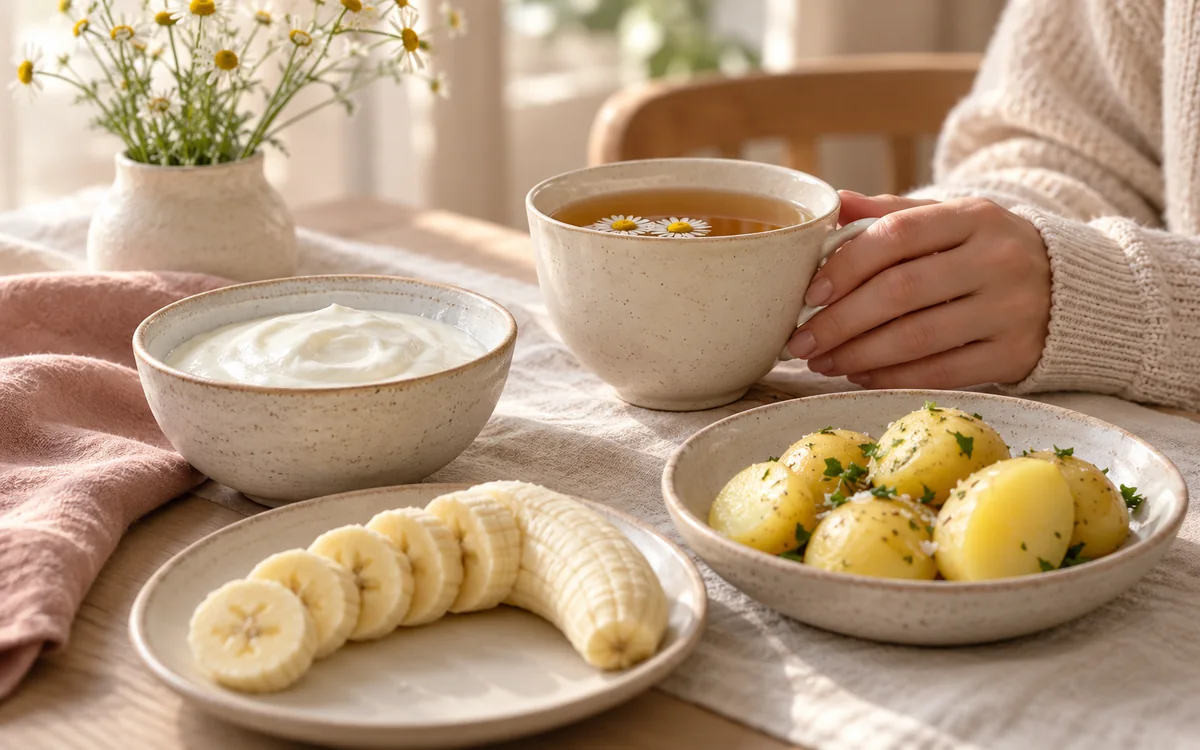
This association does not mean that constipation inevitably causes haemorrhoids or that treating constipation alone will remove every lump or explain every bleed. The practical aim is soft, easy-to-pass stool without straining and no unnecessary time on the toilet. Fibre should be increased gradually because a sudden increase may cause gas and bloating. Appropriate fluid intake depends on general health, particularly when kidney or heart disease is present, so an individual fluid plan may need clinical advice [4, 9, 11].
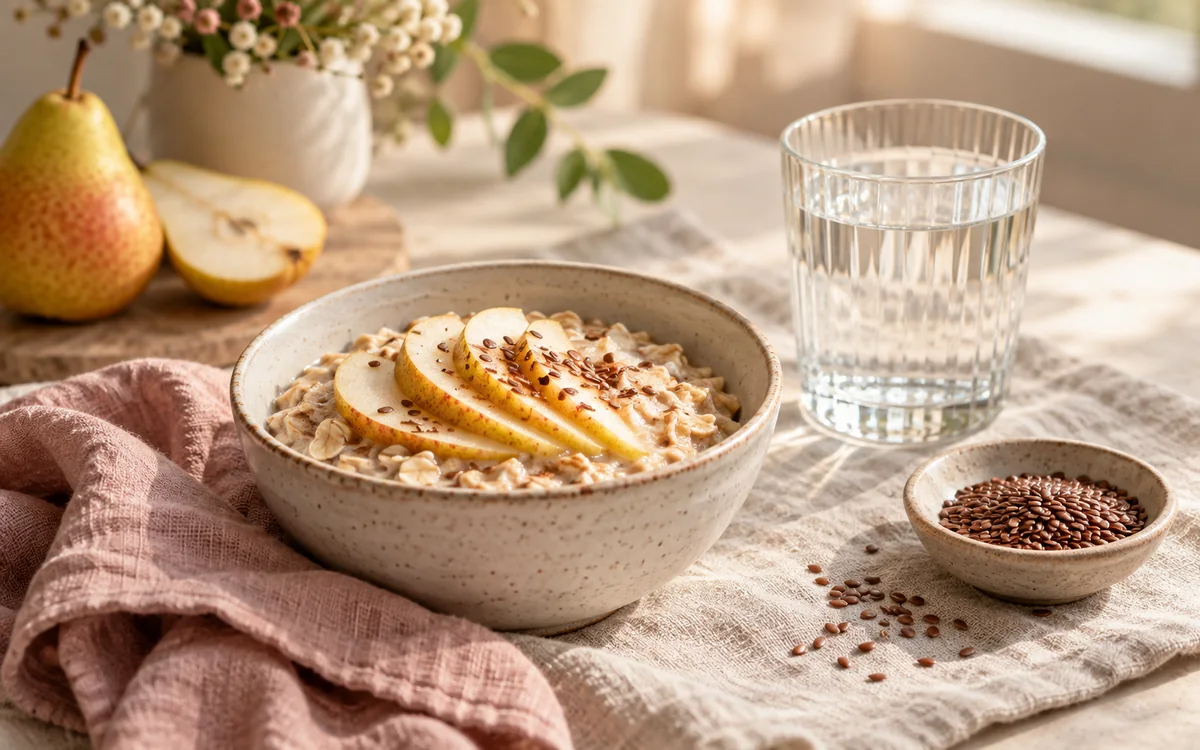
Respond to the natural urge to open your bowels and avoid prolonged forceful attempts when nothing happens. Regular movement and meals containing vegetables, fruit, whole grains and pulses can support bowel regularity. Constipation that persists, starts suddenly, comes with vomiting or marked distension, or repeatedly requires laxatives deserves evaluation of its cause rather than another cycle of haemorrhoid cream. It is unsafe to start or escalate a laxative without advice when severe pain or possible obstruction is present [2, 4, 11].
Rectal bleeding is not always haemorrhoids
Haemorrhoids are a very common cause of anal symptoms, but they are not the only cause. Anal fissure, inflammation of the rectum or colon, Crohn's disease, ulcerative colitis, colorectal polyps and colorectal cancer can all cause bleeding. Medicines that reduce clotting may make a small source bleed more. A palpable lump or itching is not conclusive either, because skin disorders, infections and other anal lesions can produce similar complaints [2, 6, 10].
There is an important difference between a previously examined bleed that returns in exactly the same pattern and bleeding that is new or changing. Even if haemorrhoids were diagnosed before, persistent new bleeding, a larger amount, blood mixed through stool, or accompanying new symptoms require review. Successful haemorrhoid treatment in the past does not guarantee that blood months or years later has the same cause. Diagnosis based only on colour or age can delay another treatable condition [2, 6, 7].
Irritable bowel syndrome can involve pain related to defecation and a change in stool frequency or form, but it should not be used to explain rectal bleeding. If the main pattern is pain, bloating and altered bowel habit without alarm features, the dedicated IBS pages cover that assessment. The point here is simpler: blood is a separate symptom that should be described and clinically reviewed according to age and associated features, rather than automatically filed under IBS or piles [6, 7].
When is bleeding urgent, and how do age and alarm features matter?
Seek urgent care if bleeding will not stop, the amount is large enough to turn the toilet water red or produce large clots, or it accompanies marked dizziness, fainting, weakness or breathlessness. Severe anal pain with bleeding, especially alongside abdominal pain, diarrhoea or fever, also needs prompt assessment. Black tarry stool or dark blood may represent bleeding higher in the digestive tract and is not the usual pattern of haemorrhoids [4, 6].
Features that warrant a timely appointment include recurrent or persistent bleeding, unusual fatigue or anaemia, unintentional weight loss, an abdominal lump or pain, a persistent new change in bowel habit, blood mixed with stool, or an important family history of colorectal cancer. A rectal mass, unexplained anal mass or anal ulceration must be assessed rather than covered with cream. None of these features proves cancer, but each changes the urgency and investigation pathway [6, 7].
NICE recommends faecal immunochemical testing (FIT) to guide the suspected colorectal cancer pathway in adults aged 50 or over with unexplained rectal bleeding. It also recommends FIT for adults under 50 when rectal bleeding occurs with unexplained abdominal pain or weight loss. A change in bowel habit, iron-deficiency anaemia and an abdominal mass have defined assessment pathways too. A rectal mass or an unexplained anal mass or ulceration may require referral without waiting for FIT. These are clinical pathway rules, not a home test, and they do not mean that everyone who sees blood immediately needs colonoscopy [7].
How are symptoms assessed, and does every bleed need colonoscopy?
Assessment begins with a precise history: timing and appearance of bleeding, pain, bowel habit, medicines, diet, laxative or enema use, medical conditions and family history. The clinician may examine the abdomen and the skin around the anus, then perform a lubricated, gloved digital rectal examination. This looks for external haemorrhoids, a clot, fissure, inflammation, a mass or blood and helps determine the next step [3, 9].
Internal haemorrhoids may be too soft to feel with a finger, so the clinician may use a small anoscope to inspect the anal canal and lower rectum. This is different from a full colonoscopy. The decision to examine the whole colon depends on the symptom pattern, age, colorectal cancer risk factors, examination findings, relevant tests such as a blood count or FIT, and whether another cause must be excluded. Visible haemorrhoids do not prevent evaluation of the rest of the colon when the history indicates it [3, 7, 9, 10].
Not every spot of blood requires colonoscopy, and one normal examination does not end follow-up if bleeding persists. The clinician selects a test to answer a defined question and may start with local examination and laboratory tests or arrange colonoscopy according to the complete picture. If colonoscopy is advised, the preparation page covers food, fluids and medicines, while the comparison page explains the difference between gastroscopy and colonoscopy. Do not stop anticoagulant or diabetes medicine, and do not begin bowel preparation without individual instructions [3, 7, 9]. If a colonoscopy is planned, read about colonoscopy preparation and questions to ask.
Safe home measures and when medical treatment enters the plan
When symptoms are mild and no alarm feature is present, first measures usually focus on softening stool and reducing pressure: increase fibre gradually, drink an amount appropriate for your health, avoid straining and avoid prolonged toilet sitting. A plain warm bath may ease discomfort and irritation. Clean gently without vigorous rubbing or perfumed wipes, then pat the area dry. These measures address factors that aggravate symptoms; they do not establish the source of bleeding [4, 5, 9].
Non-prescription creams or suppositories may briefly relieve mild itching or pain, but ingredients vary and some can irritate the skin. NIDDK advises medical review if a product has not relieved symptoms within one week or causes a rash or dryness. Do not use a topical steroid longer than recommended, and do not apply folk mixtures or caustic substances to sensitive skin. Most importantly, a cream is not a substitute for assessment of rectal bleeding [2, 4, 9].
If bleeding or prolapse persists, office treatments for internal haemorrhoids include rubber-band ligation, injection treatment and coagulation; selection depends on type, grade and general health. A very painful thrombosed external haemorrhoid may benefit from early assessment so a clinician can discuss appropriate options. Surgery is reserved for some large, recurrent or treatment-resistant haemorrhoids, not every case. Never attempt to band, puncture or drain a lump yourself [4, 9, 10, 11].
The next step without embarrassment or delay
Bleeding or pain in this area may feel embarrassing, but these complaints are routine in clinical care, and delaying assessment can prolong anxiety or treatment. If blood has appeared for the first time, keeps returning or does not fit a clear pattern, start with medical assessment rather than assuming piles. Bring a medicine list, especially anticoagulants, and note symptom duration, the appearance of blood and any bowel-habit change. This makes the appointment more focused and useful [3, 6].
The medical team at La Rose can review the history and symptoms and decide whether simple measures, local examination, tests or referral for broader investigation are appropriate. The clinic has branches in Maadi and Fifth Settlement, New Cairo. Individual assessment matters because the same word, piles, may be used for mild internal bleeding, a painful external clot, a fissure or a completely different condition [2, 3].
If bleeding is heavy or continuous, or there is fainting, severe dizziness, black stool, fever with intense pain, or substantial abdominal pain, do not wait for a routine clinic appointment; seek urgent care. Otherwise, book a consultation and base the decision on an actual assessment rather than a tried cream or a diagnosis from a photograph. The aim is not to cause alarm but to identify the right cause and take the right step at the right time [4, 6, 7].