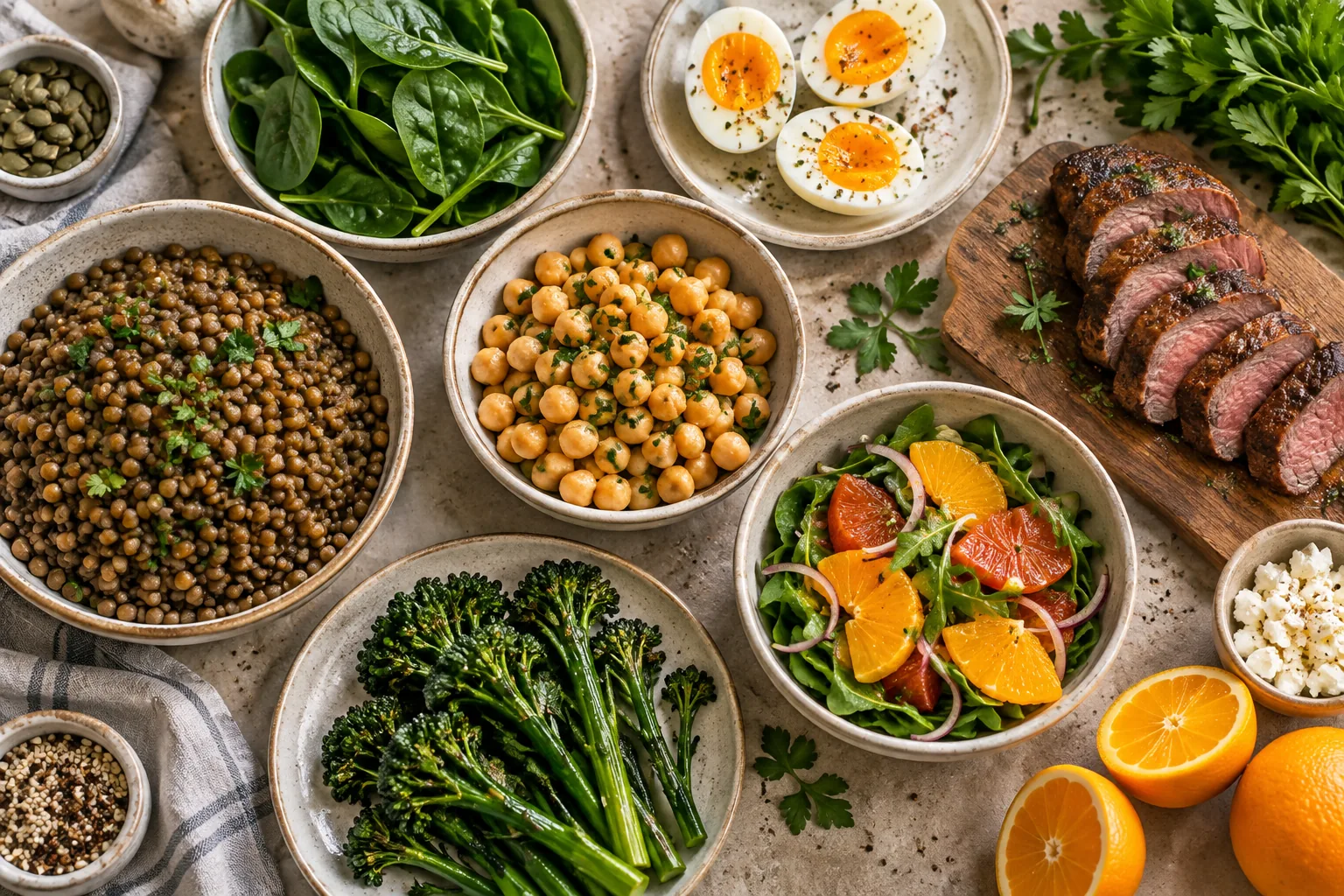
Underweight or naturally lean? Understanding the growth curve before changing meals
Many parents experience deep anxiety when their child appears noticeably leaner than peers at nursery or school, or when relatives repeatedly comment on visible ribs or slender limbs [3, 9, 10]. However, specialized paediatric evaluation demonstrates that visible thinness does not automatically signify malnutrition or an underlying medical pathology; children possess diverse genetic body builds and metabolic rates just as adults do [3, 9, 10]. A child who displays energetic play, meets developmental and cognitive milestones on time, and tracks steadily along their own established growth curve (even if that trajectory runs along the 5th or 10th percentile) is frequently an entirely healthy child fulfilling their genetic potential without requiring aggressive interventions to force weight gain [1, 3, 5, 9].
In contrast, true clinical faltering growth (historically termed failure to thrive) is defined by a significant, objective deviation away from the child's expected developmental trajectory [1, 3, 5, 9]. This occurs when a child's plotted growth curve crosses two or more major percentile lines downwards across serial measurements (for example, falling from the 50th percentile down below the 10th percentile), when weight remains completely static across multiple months during periods of expected rapid growth, or when body mass index (BMI) for age falls below the 2nd or 3rd percentile [1, 3, 5, 9]. This critical clinical distinction cannot be established by eye or by isolated domestic weigh-ins; it requires precise serial measurements of weight, length or height, and head circumference, systematically plotted on standardized World Health Organization (WHO) or Centers for Disease Control and Prevention (CDC) sex- and age-specific growth charts [1, 3, 10].
Consequently, the vital first step before modifying a child's diet or attempting to boost caloric intake is establishing whether their growth trajectory is truly faltering under medical review [1, 3, 9, 10]. Growth is an ongoing longitudinal movie rather than an isolated snapshot, and the overarching clinical objective is supporting the child's individual genetic trajectory, neurodevelopment, and lean tissue accrual, rather than chasing arbitrary scale numbers to satisfy social comparisons or alleviate unfounded parental anxiety [3, 9, 10].
Eating well but not gaining weight: when to investigate medical causes and malabsorption
One of the most perplexing presentations encountered in clinical practice is the parent who reports: 'My child eats substantial portions, yet their weight never budges.' When dietary intake appears generous yet weight remains static or continues to decline, simply loading the child's plate with larger portions will not resolve the issue. The underlying breakdown frequently resides in the gastrointestinal tract's inability to digest, absorb, and assimilate those nutrients into the bloodstream and tissues, a clinical state termed malabsorption [5, 6, 7, 11].
A diverse spectrum of organic paediatric pathologies can impair intestinal absorption or accelerate metabolic expenditure [5, 6, 7]. Chief among these is coeliac disease, an immune reaction triggered by dietary gluten in wheat, barley, and rye, which causes progressive damage to small intestinal villi essential for absorbing fats, iron, and fat-soluble vitamins [7, 8]. Other recognized causes include non-IgE-mediated cow's milk protein allergy inducing chronic bowel inflammation, common endemic intestinal parasitic infections such as Giardia lamblia that physically coat the gut lining, and exocrine pancreatic insufficiency characteristic of cystic fibrosis [5, 7, 10]. Less commonly, chronic inflammatory bowel diseases impair mucosal uptake [5, 7]. Alternatively, hypermetabolic conditions (such as congenital heart defects, chronic respiratory insufficiency, or pediatric hyperthyroidism) markedly elevate basal metabolic demands beyond what standard intake can meet [5, 6, 11].
Specific clinical features strongly suggest that faltering weight is driven by an underlying organic malabsorptive disorder rather than insufficient dietary provision [5, 6, 7, 8, 11]. Key warning clues include chronic or recurrent diarrhoea, unusually bulky, pale, foul-smelling stools that appear greasy or float, persistent abdominal distension contrasting with wasted gluteal muscles and limbs, recurrent unexplained vomiting, refractory iron-deficiency anaemia, and secondary slowing of linear height velocity [5, 6, 7, 8, 11]. When any of these clinical indicators appear, comprehensive paediatric medical evaluation (including targeted serological, stool, and sweat testing where indicated) is essential before attempting empirical dietary modifications that cannot succeed without addressing the primary disease [1, 5, 11].
The smart fortification principle: increasing energy density without enlarging plate size
Once clinical assessment confirms that a child requires nutritional support to rebuild weight reserves after excluding organic diseases, well-meaning caregivers frequently commit the tactical error of drastically enlarging serving portions [2, 4, 11]. Anatomically and physiologically, infants and toddlers have small stomach volumes roughly equivalent to the size of their own clenched fist [2, 4, 11]. Confronting a child with an overflowing, intimidating mound of food provokes immediate sensory overwhelm, stimulates early satiety reflexes, and predictably triggers stubborn mealtime refusal and emotional confrontations [2, 11, 12].
The evidence-based paediatric strategy is 'smart food fortification' or energy-density enrichment [1, 2, 4, 13]. This methodology operates on a straightforward physiological principle: markedly boosting the caloric and nutrient concentration of familiar meals within the exact same plate volume that the child already accepts comfortably [1, 2, 4]. By systematically incorporating concentrated sources of healthy fats, high-quality proteins, and micronutrients into every spoonful, each bite delivers substantially greater energetic yield, ensuring the child receives adequate daily energy despite eating modest physical volumes tailored to their stomach capacity [1, 2, 4, 13].
It is clinically vital to distinguish wholesome nutrient-dense fortification from resorting to 'empty calories' [2, 4, 14]. Desperate to see the scale advance, families often succumb to offering commercial biscuits, chocolates, carbonated beverages, packaged crisps, and deep-fried fast food under the assumption that any calorie is beneficial [2, 4, 14]. This practice is profoundly counterproductive: ultra-processed refined sugars and industrial trans-fats spike blood glucose rapidly and blunt biological hunger signals for subsequent meals, promote dental caries, establish adverse taste preferences, and deliver negligible iron, zinc, or calcium necessary for skeletal and neurodevelopmental growth [2, 4, 14]. The clinical goal is constructing functional lean body mass, bone mineral density, and immune resilience through nutrient-dense whole foods, rather than depositing unwholesome adipose tissue [1, 2, 4]. For a simple practical routine, see how to enrich one meal for weight gain.
Calorie-dense foods and healthy fats: practical options for daily family meals
Healthy fats are the foundation of boosting calories for children, because each gram of fat provides nine calories, more than double the energy from carbohydrates or proteins (four calories per gram) [1, 2, 4]. Familiar Mediterranean and Middle Eastern staples are easy, nutritious choices: extra virgin olive oil is full of healthy fats and natural antioxidants; stirring one to two teaspoons into warm lentil soup, mashed potatoes, fava beans (ful), or vegetable purees adds 50 to 90 calories without making the meal bigger or heavy [1, 2, 4]. Pure sesame tahini is another powerhouse that gives calorie-dense healthy fats, calcium, and plant iron; a spoonful stirs easily into lentils, hummus, or yogurt [1, 2, 4]. Unsalted butter or ghee can also be melted in small amounts over hot rice, scrambled eggs, or warm oatmeal [2, 4].
Full-fat dairy is an excellent source of energy, high-quality protein, and bone minerals [1, 2, 4]. Low-fat and skimmed dairy should be avoided in underweight children under age five. Instead, use full-fat Greek yogurt, labneh, pasteurized whole cow's milk, and grated whole-milk cheese (like Cheddar or Mozzarella) melted into pasta dishes, soups, or warm vegetables [1, 2, 4]. For animal proteins, eggs cooked in butter or olive oil supply complete amino acids, choline, and fat-soluble vitamins; egg yolks can also be mashed into potatoes. Well-cooked minced beef, shredded chicken, and mashed legumes like chickpeas and red lentils supply concentrated protein and iron, especially with a squeeze of fresh lemon to help iron absorption [2, 4, 11].
Nut and seed butters, such as smooth peanut or almond butter, provide plenty of calories along with healthy fats and vitamin E. However, there is an important safety rule: whole nuts and thick clumps of nut butter should never be given to children under five years because of the danger of choking [2, 4]. The safe way is to whisk a teaspoon of smooth, runny nut butter into warm milk, hot porridge, or a fruit smoothie [2, 4]. In addition, nutrient-rich fruits offer healthy carbohydrates and potassium: ripe avocado mashes easily onto toast, ripe bananas give potassium, soaked date purees naturally sweeten puddings without refined sugar, and baked sweet potatoes with butter make a warm, nourishing afternoon snack [2, 4].
Ending mealtime battles: why force-feeding and chasing with a spoon fail
When caregivers watch an underweight child pick at food, mealtimes frequently deteriorate into emotionally charged battlegrounds characterized by coercive tactics: physically prising open the mouth, pleading for 'one more bite for mummy,' offering confectionery bribes, pursuing the child room to room with a bowl, or immobilizing them before smartphone screens to achieve passive swallowing [1, 9, 11, 12]. Although these behaviours stem from authentic parental concern and maternal dedication, extensive paediatric research demonstrates that feeding pressure is profoundly counterproductive, actively worsening food refusal and stalling weight gain [1, 11, 12].
From a biological standpoint, central appetite regulation in the brain is closely linked to nervous system tone and psychological stress [1, 11, 12]. When a young child experiences mealtime intimidation, anxiety, or shouting, their physiological stress response releases elevated cortisol and adrenaline [1, 11, 12]. This stress surge directly inhibits digestive motility, suppresses digestive secretions, and chemically shuts down biological appetite [1, 11, 12]. Over time, the dining environment and highchair become conditioned triggers for dread, stomach upset, and power struggles, transforming feeding from an innate bodily pleasure into an adversarial struggle where the child exercises autonomy via the only mechanism within their control: clamping their lips tightly shut [1, 11, 12].
The globally recognized gold standard for resolving feeding conflict is the Satter Division of Responsibility in Feeding (sDOR) framework [1, 11, 12]. This evidence-based model establishes clear, practical boundaries: parents own the responsibilities of deciding 'what' is served (wholesome, familiar, energy-fortified family foods), 'when' food is offered (a predictable schedule of three meals and two structured snacks spaced 2.5 to 3 hours apart without continuous between-meal grazing), and 'where' eating occurs (seated together at the family table in a calm environment devoid of screens or toy distractions) [1, 11, 12]. In contrast, the child holds sole responsibility for deciding 'whether' to eat and 'how much' to consume from the foods presented [1, 11, 12]. When the threat of coercion is removed, internal defensiveness subsides, allowing the child's natural hunger signals to re-emerge and energy-fortified meals to fulfill their restorative purpose [1, 11, 12].
The milk and juice trap: how excessive liquids displace solid nutrition
A common pattern in underweight toddlers and picky eaters is drinking lots of liquid calories instead of eating solid food [1, 2, 11]. When a child refuses a meal, worried parents often offer large bottles of cow's milk, juice cartons, or sweet drinks, reassuring themselves with the thought: 'At least they are getting some nourishment' [1, 2, 11]. However, this well-meaning habit traps families in a common problem known as liquid displacement [1, 2, 11].
Paediatric guidelines from the NHS and international nutrition groups recommend that whole cow's milk for children aged twelve months and older should be limited to about 350 to 500 millilitres (12 to 16 ounces) a day [1, 2, 11]. When toddlers drink 800 to 1,200 millilitres of milk in a single day, that large volume fills their small stomach and delivers fast liquid calories that blunt hunger cues, completely pushing out their appetite for solid meals rich in iron, zinc, healthy carbohydrates, and fiber [1, 2, 11].
Drinking too much cow's milk is also the leading dietary cause of iron-deficiency anaemia in young children [1, 2, 11]. Cow's milk has almost no usable iron, its high calcium and casein block iron absorption in the gut, and in sensitive children, too much milk protein can cause hidden, tiny amounts of intestinal bleeding [1, 2, 11]. Low iron itself directly reduces appetite, energy, and mood, creating a difficult cycle where poor appetite leads to more milk drinking, which worsens anaemia and growth issues [1, 2, 11]. Packaged juices and sweet drinks cause similar trouble, overloading the gut with simple sugars that trigger toddler diarrhea and tooth decay without building healthy muscle [2, 4, 11]. The golden rule is simple: water is the main drink between meals, while whole milk is kept to the end of meals or served at planned sit-down snacks [1, 2].
The myth of appetite stimulants: why over-the-counter syrups carry real risks
Exhausted by protracted mealtime conflict and desperate for tangible weight progress, families frequently query retail pharmacies or social media parent communities seeking commercial appetite stimulant syrups [5, 9, 11]. In Egypt and the wider region, over-the-counter syrups formulated with cyproheptadine (a sedating antihistamine possessing anti-serotonergic properties) are widely and inappropriately administered to healthy toddlers and school-age children without medical oversight [5, 9, 11]. International paediatric societies and clinical pharmacologists unequivocally caution that prescribing or administering central chemical appetite stimulants as a routine solution for paediatric underweight is scientifically unsound and hazardous [5, 9, 11].
Cyproheptadine readily crosses into the brain to alter hypothalamic hunger pathways [5, 9, 11]. While the antagonism of 5-HT2 receptors may temporarily drive increased appetite, the drug incurs substantial central neurological adverse effects: profound daytime drowsiness, cognitive blunting that interferes with early learning, emotional instability, and in susceptible children, paradoxical excitation manifesting as severe irritability, behavioural agitation, and nightmares [5, 9, 11]. Crucially, the transient weight gain observed during cyproheptadine administration is largely driven by fluid retention rather than structural musculoskeletal growth; almost invariably, the child suffers rapid rebound weight loss the moment the medication is withdrawn, leaving the underlying feeding dynamic completely unaddressed [5, 9, 11].
Even more hazardous are unlicensed compounded tonics and unregulated herbal remedies marketed under alluring names for child weight gain, which have repeatedly been shown upon analytical testing to contain covert synthetic corticosteroids such as dexamethasone [5, 11]. Unsupervised corticosteroid exposure in paediatric patients induces catastrophic endocrine harm, including swollen moon-face appearance, high blood pressure, glucose dysregulation, secondary adrenal suppression, permanent stunting of linear bone growth, and severe immunocompromise [5, 11]. The paediatric consensus remains definitive: there is no single medicine that solves childhood underweight. Authentic, durable appetite restoration requires evaluating biological deficiencies (such as replenishing verified iron deficits), dismantling coercive mealtime friction, and systematically enriching natural whole foods [1, 2, 11, 14].
Red-flag warning signs and when to consult the medical team at La Rose
While most cases of slow weight gain improve with food fortification at home and calmer mealtime habits, parents must stay alert for clinical red flags that mandate prompt medical investigation by a paediatrician [1, 5, 6, 7, 9, 11]. Critical alarm symptoms include: sudden, involuntary weight loss; dropping down across two or more major percentile lines on standard growth curves; persistent daily vomiting, especially bilious or projectile emesis; chronic diarrhoea persisting beyond two weeks; visible blood or mucus in stool; marked pallor accompanied by profound lethargy; and regression of previously mastered gross motor, cognitive, or language milestones [1, 5, 6, 7, 9, 11].
When growth faltering persists despite disciplined, structured domestic food fortification, international clinical guidance, including recommendations from NICE and the European Society for Paediatric Gastroenterology, Hepatology and Nutrition (ESPGHAN), endorses the targeted implementation of paediatric Oral Nutritional Supplements (ONS) [1, 13]. These specialized medical formulations provide a calibrated energy density (typically 1.0 to 1.5 kcal/mL) incorporating balanced high-biological-value proteins, essential fatty acids, and complete micronutrient profiles [1, 13]. However, ONS therapy must be prescribed, titrated, and monitored under the direct oversight of a paediatrician or clinical paediatric dietitian; it is strategically positioned after meals or at bedtime to prevent displacing family meal intake, serving as a time-limited clinical bridge until physiological catch-up growth is achieved [1, 13].
At La Rose Clinics in Maadi, the medical team delivers comprehensive, evidence-based clinical assessments for infants, children, and adolescents presenting with faltering weight, selective eating, or complex nutritional challenges. Clinical visits incorporate precise anthropometric plotting across longitudinal WHO growth standards, exhaustive dietary intake auditing, structured physical examinations to rule out gastrointestinal or systemic disorders, and tailored, family-centred nutritional regimens designed to enrich daily meals without coercion or household tension. When you require dependable clinical clarity and an evidence-based roadmap to support your child's healthy growth trajectory, Book a consultation with the medical team to initiate your specialized evaluation.