The idea in plain terms: one small addition to a dependable meal
If your appetite is small and you are trying to gain weight, you may enlarge every plate or force down large meals. A bigger volume can make you full early and leave the rest of the day harder. Instead, choose a meal you eat most days and tolerate well, then add one ingredient that concentrates energy and useful nutrients. Depending on the meal and your health needs, that might be tahini, olive oil, cheese, full-fat yogurt, milk powder stirred into food, avocado, or ground nuts. Healthy weight-gain guidance supports gradual change, smaller frequent meals, and nutritious higher-energy additions instead of relying only on sweets or sugary drinks [1, 2, 3].
This is not a complete treatment plan or a formula for everyone. It is a structured experiment for an adult who can swallow safely, has no medical reason to avoid the ingredient, and needs a gentler way to raise intake. Fortifying food means putting more energy or protein into roughly the same volume; that is different from simply making the plate larger. Energy density describes the energy in a given weight of food and is influenced especially by fat and water, so a concentrated addition can change a meal without creating a huge portion [8, 9]. If your weight is falling without intent or you have eaten almost nothing for a prolonged period, do not treat this step as a substitute for assessment; the reason needs to be understood first [3, 5, 7].
Before adding anything, check that the goal fits you
Not everyone who sees themselves as slim needs to gain weight, and low weight is not always caused by eating too little. For adults, a BMI below 18.5 is categorised as underweight, but BMI is a screening measure rather than a diagnosis; it must be read alongside weight history, strength, symptoms, health conditions, and body composition [6]. Someone whose weight has been stable for years, with good energy and a varied diet, is different from someone whose clothes have quickly become loose, appetite has disappeared, or strength has declined. A sensible goal is therefore not an arbitrary number but a direction agreed with a clinician or dietitian when there is a clear reason to gain.
Before trying this, ask: has weight fallen without a change in food or activity? Do I have persistent diarrhoea, vomiting, pain, trouble swallowing, palpitations, increased thirst or urination, fever, a persistent cough, marked fatigue, or low mood? Did I start a new medicine? Is food restriction tied to intense fear of weight or emotional distress? Unintentional loss has digestive, hormonal, psychological, medication-related, and other possible causes, and it needs assessment rather than being covered up with food additions [5, 12]. For the broader strategy around gradual gain and appetite stimulants, read Healthy weight gain: should you take an appetite stimulant?; that page addresses the overall decision, while this guide stays focused on carrying out the one-meal step [1, 2].
Choose the right anchor meal
An anchor meal is a meal that already exists in your real day, not an ideal meal on paper. Choose something you eat four or five times a week, at a calm time, and that usually sits comfortably. Breakfast can work if you wake hungry; lunch can work if it is your most dependable meal; a light evening meal can work if mornings are difficult. Do not choose your hardest meal or the time when you are usually rushed or tense. The plan needs to be repeatable, because repeating one modest change gives clearer information than one very large eating day followed by several inconsistent days [1, 2].
Note what the meal contains before changing it: a carbohydrate food such as bread, rice, or potato; a protein source such as eggs, beans, lentils, cheese, chicken, or fish; and whatever vegetables or fruit are present. Every plate need not be perfect, but the addition should not push protein and produce out of the rest of the day. Nutrition-support guidance stresses that total intake should remain a balanced mixture of energy, protein, fibre, vitamins, and minerals; raising energy alone is not enough if overall food quality is poor [3]. If drinks blunt your appetite, try having most fluids between meals rather than immediately before the anchor meal while still drinking enough across the day; this is a practical trial, not a universal rule [1, 2].
Match one addition to the meal
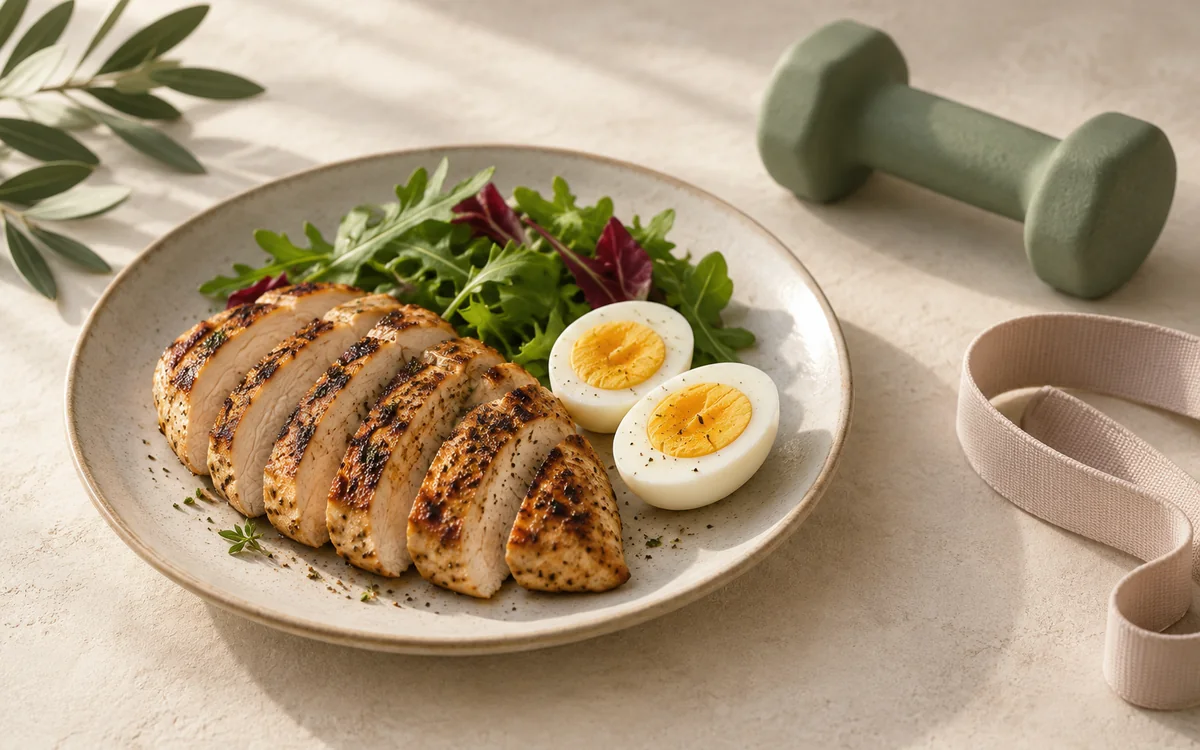
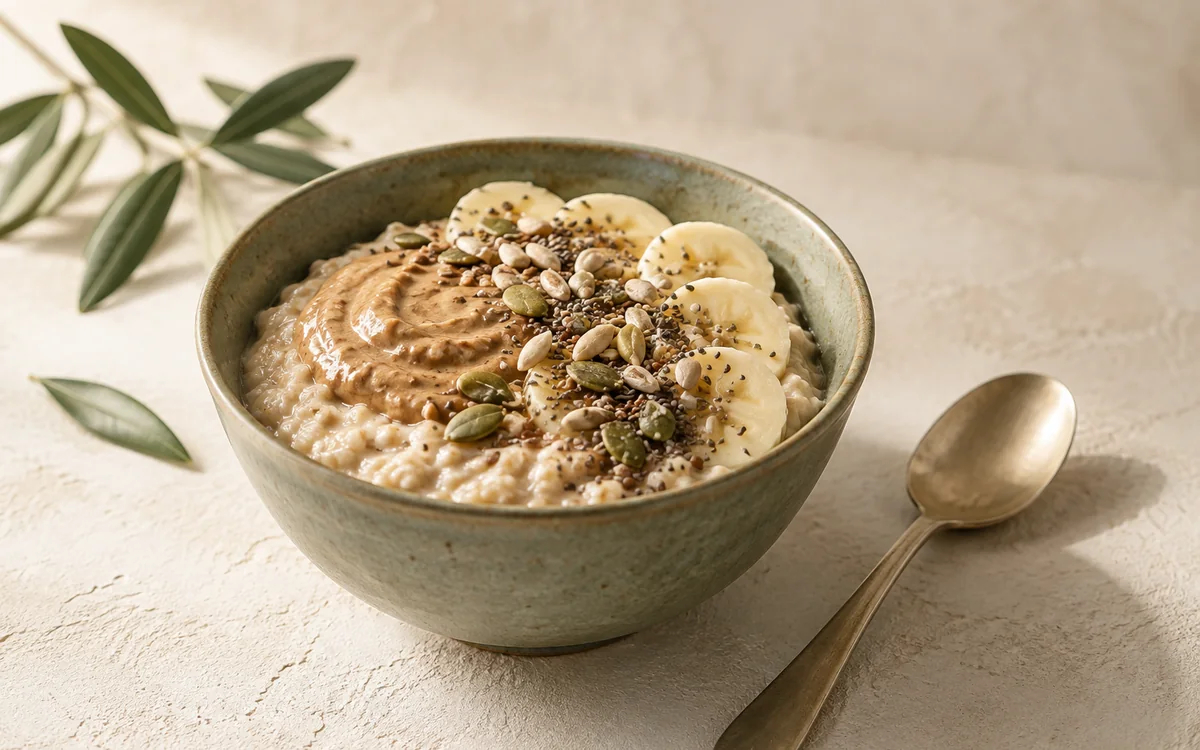
Start with only one addition so you can judge its taste and its effect on fullness and digestion. With beans or hummus, that might be tahini or olive oil. With eggs or potatoes, it might be cheese or full-fat labneh. With oats or yogurt, it might be milk powder, nut butter, or ground nuts. With rice or pasta, it might be oil, a yogurt-based sauce, cheese, or a small extra amount of the protein food. In a sandwich, avocado, cheese, or tahini may fit the filling. NHS hospital dietetic guidance uses the same principle of fortifying familiar foods with additions such as cheese, milk powder, or suitable fats to raise energy and protein without doubling volume [9].
The addition must fit the whole meal. Oil raises energy but does not add protein or a broad range of nutrients; cheese, yogurt, or milk powder can add both energy and protein but may not suit milk allergy, intolerance, or certain medical instructions. Tahini and nuts are nutritious and concentrated, but sesame, tree nuts, and peanuts are major allergens. Read labels and never test a food you know you are allergic to; lip or tongue swelling, wheezing, breathing difficulty, severe dizziness, or fainting after eating requires immediate emergency action [11]. If you have advanced kidney or liver disease, diabetes requiring precise management, swallowing difficulty, or a prescribed therapeutic diet, let your clinician or dietitian choose the addition and amount [3].
Test it for seven days and record what matters
Put the addition into the same meal for about a week without changing five other things at once. You do not need kitchen scales or complicated calculations. About two hours after the meal, write four brief observations: whether you finished it, whether fullness felt comfortable or unpleasant, whether bloating, pain, diarrhoea, or nausea appeared, and whether you could eat normally for the rest of the day or the addition suppressed later appetite. You can rate fullness or symptoms from zero to ten, but consistency matters more than precision. Successful fortification raises intake and remains repeatable without displacing other meals or causing persistent symptoms [2, 3, 9].
Do not judge progress from one day's weight; fluid, salt, timing, and bowel movements all shift the number. If you monitor, use the same scale under similar conditions once or twice weekly and look at the trend over several weeks alongside energy, strength, and ability to eat. Advance gradually: if the week felt comfortable and the goal still makes sense, keep the addition or discuss a second small addition in another meal. If you feel full after only a few bites, stay full for hours, or develop nausea, vomiting, or major bloating, do not force the amount; persistent early satiety can occur with disorders of stomach movement and deserves assessment [4]. Resistance exercise may also support muscle, but its type and volume should fit your health; general adult guidance includes muscle-strengthening activity on two days each week [1, 2, 10].
When should you not manage this experiment alone?
Pause the home experiment and arrange prompt assessment if weight is falling without intent, appetite has been low for a while, clothes have become loose, strength has declined, wounds heal slowly, or you are often tired or cold. Undernutrition can occur even when BMI is not low, so weight trajectory and symptoms matter [5, 7]. Seek urgent care rather than waiting for a meal adjustment if you have sudden severe abdominal pain, blood or coffee-ground material in vomit, persistent vomiting, fainting, breathing difficulty, clear dehydration, or a severe allergic reaction [4, 11]. Pain or difficulty on swallowing, coughing or choking with food, and a feeling that food is stuck require swallowing assessment before the texture is fortified at random [3].
There is another important precaution: if you have eaten very little or almost nothing for several days, or are severely underweight, do not make a large sudden increase on your own. NICE guidance explains that restarting nutrition after prolonged low intake may require a cautious beginning and monitoring of fluids, electrolytes, and vitamins under clinical supervision, and it defines factors associated with refeeding risk [3]. If you are unsure whether low weight runs in the family or reflects illness, read Is being underweight inherited or caused by illness? to prepare your weight history and symptoms for assessment instead of ordering random tests. Children, pregnant people, frail older adults, and anyone recovering from surgery or acute illness need an individual plan; this guide is aimed mainly at a stable adult who can eat and swallow safely [2, 3, 5].
The next step: turn your observations into a suitable plan
After a week, review the result calmly. If the addition was acceptable, caused no symptoms, and did not cancel later meals, you have found a small habit that may be sustainable. If it felt heavy, try a smaller amount or a different addition after checking allergies and medical instructions. If intake or the longer trend has not changed, do not stack additions indefinitely; revisit the goal, the rest of the meals, protein, activity, sleep, and any symptoms. Nutrition support is matched to need, the underlying condition, and tolerance, then reviewed as progress changes; it is not simply a fixed list of foods [3].
Bring a few weights taken under similar conditions, a photo or description of the anchor meal, the addition and its approximate amount, and your fullness and digestion notes to the appointment. A clinical assessment can review the weight trajectory, medicines, symptoms, eating pattern, and individual needs before deciding whether food fortification is enough or whether a cause needs testing or another intervention [2, 3, 5]. If you need structured help, you can request a clinical nutrition appointment to discuss your observations and choose a suitable next step. The aim is not a promise of a particular number on the scale; it is a safe, workable plan that changes with your response and your treating clinician's or dietitian's advice.