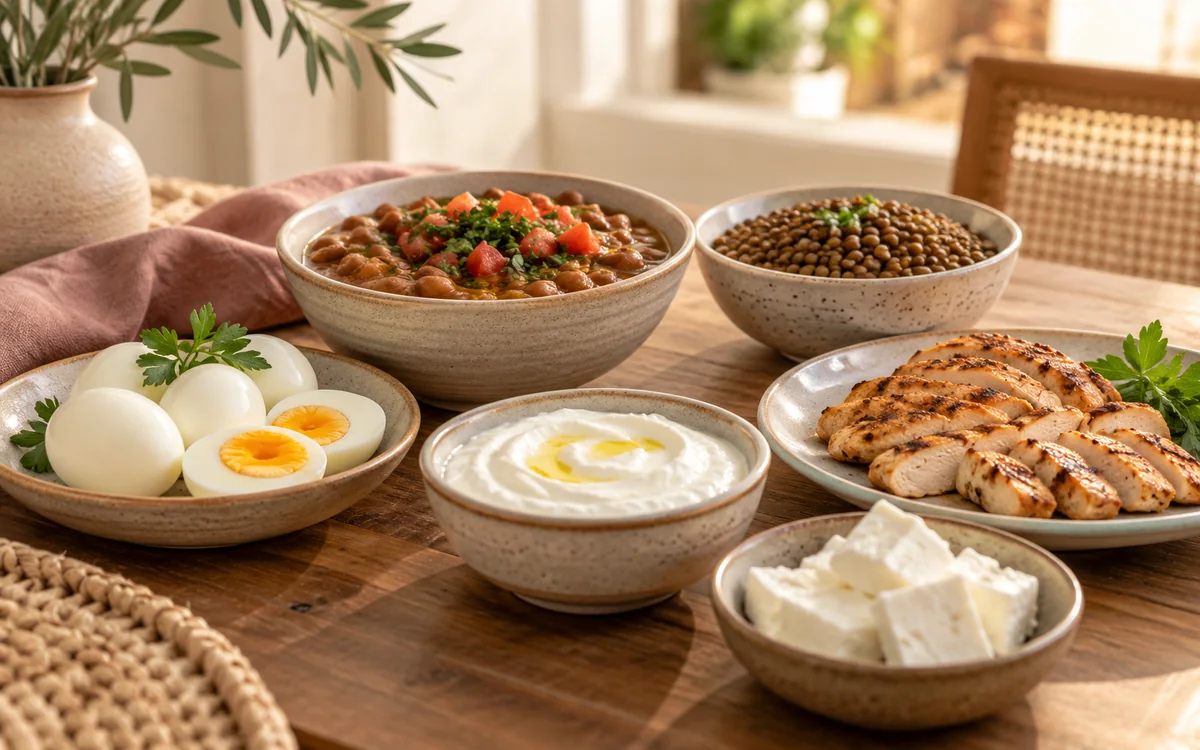
This video addresses the long-standing belief that eating high amounts of meat and protein causes kidney damage or renal failure. When consuming a protein-rich meal, the kidneys naturally increase their glomerular filtration rate and excrete urea, which represents a healthy physiological adaptation rather than organ stress. Meta-analyses demonstrate that healthy kidneys easily manage dietary protein without long-term harm. Restricting dietary protein is medically indicated only for individuals already diagnosed with chronic kidney disease under specialist supervision. Viewers learn that maintaining kidney health requires drinking at least 2 liters of water daily, particularly during fasting, and that post-meal sugary desserts pose a much greater metabolic risk than dietary protein.
Key points
Increased filtration rate after protein meals is a normal kidney function.
Extensive research confirms high protein is safe for individuals with healthy kidneys.
Protein intake restrictions apply specifically to chronic kidney disease patients.
Maintaining at least 2 liters of water daily protects kidneys far more than cutting protein.
This video reviews the familiar claim that protein or meat damages healthy kidneys. After a protein-containing meal, the kidneys may increase filtration and excrete urea, which is a normal physiological response and not automatically evidence of injury. To understand the tests used to assess kidney function, see the guide to creatinine, urea and filtration rate.
The important distinction is between a person with healthy kidneys and someone who already has chronic kidney disease or reduced kidney function. In the latter situation, a clinician may set a personal protein target based on the diagnosis and laboratory results; cutting protein severely on your own is not the message. The video also connects fasting with adequate hydration and contrasts post-iftar sweets with protein as a dietary concern.
If you are searching does protein harm kidneys, the video explains the GFR response to protein and why a temporary rise in filtration after eating is not the same as kidney failure. If you train, food choice, portion and preparation still matter. This high-protein foods guide explains how protein can support fullness without treating it as a stand-alone fat burner.
The discussion of Ramadan hydration water intake is part of everyday care, while the warning about sugar versus protein health focuses on excess sweets after meals. Anyone with diagnosed kidney disease, abnormal tests or concerning symptoms should speak with a clinician before changing food or fluid intake. You can book an appointment at the Maadi, Fifth Settlement or Sheikh Zayed branch.
Frequently asked questions
The video explains that healthy kidneys can handle dietary protein, and a higher filtration rate after a protein meal is a normal response rather than proof of damage or kidney failure. The situation is different for diagnosed chronic kidney disease, when a clinician should set the appropriate protein amount. This kidney-function guide explains the assessment.
Protein reduction is considered when a person already has chronic kidney disease or reduced kidney function, not simply because they ate a protein-rich meal. The clinician uses the diagnosis and test results to set the plan. This kidney-function testing guide explains why the numbers are read together.
Yes. The video describes a temporary increase in filtration after a protein meal, along with urea excretion. In a healthy person this is a normal physiological response, not a diagnosis of kidney damage. Any abnormal result still needs interpretation alongside the person’s history and other tests. This protein foods guide adds meal context.
The video highlights excessive post-iftar sweets as an important dietary concern, but it does not replace an individual assessment of protein needs. Review the overall sugar and portion pattern, stay adequately hydrated during Ramadan, and ask a clinician for guidance if you have kidney disease.
Flank pain or blood in urine can occur with a stone, but neither proves the diagnosis. Learn when care is urgent and how clinicians choose ultrasound, CT and laboratory tests.
Protein can support fullness and lean-mass retention, but it does not burn fat by itself. Explore seven everyday choices and see how cooking, portions and the rest of the plate change the meal.