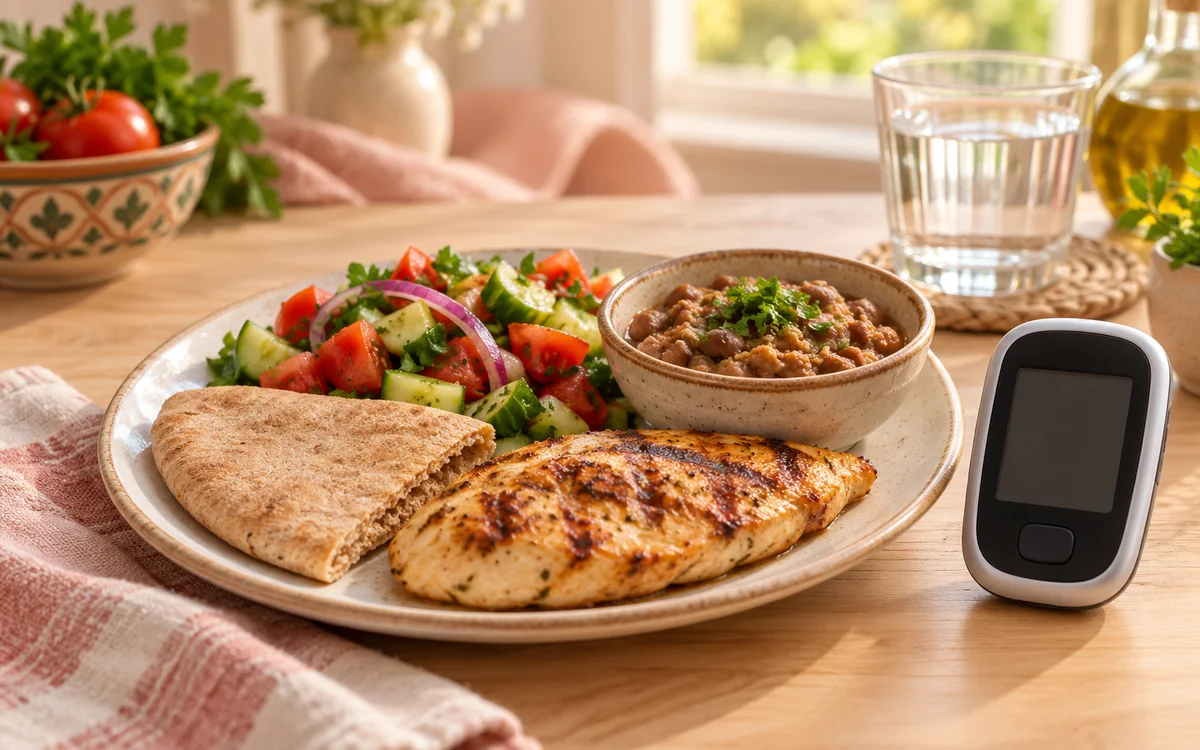
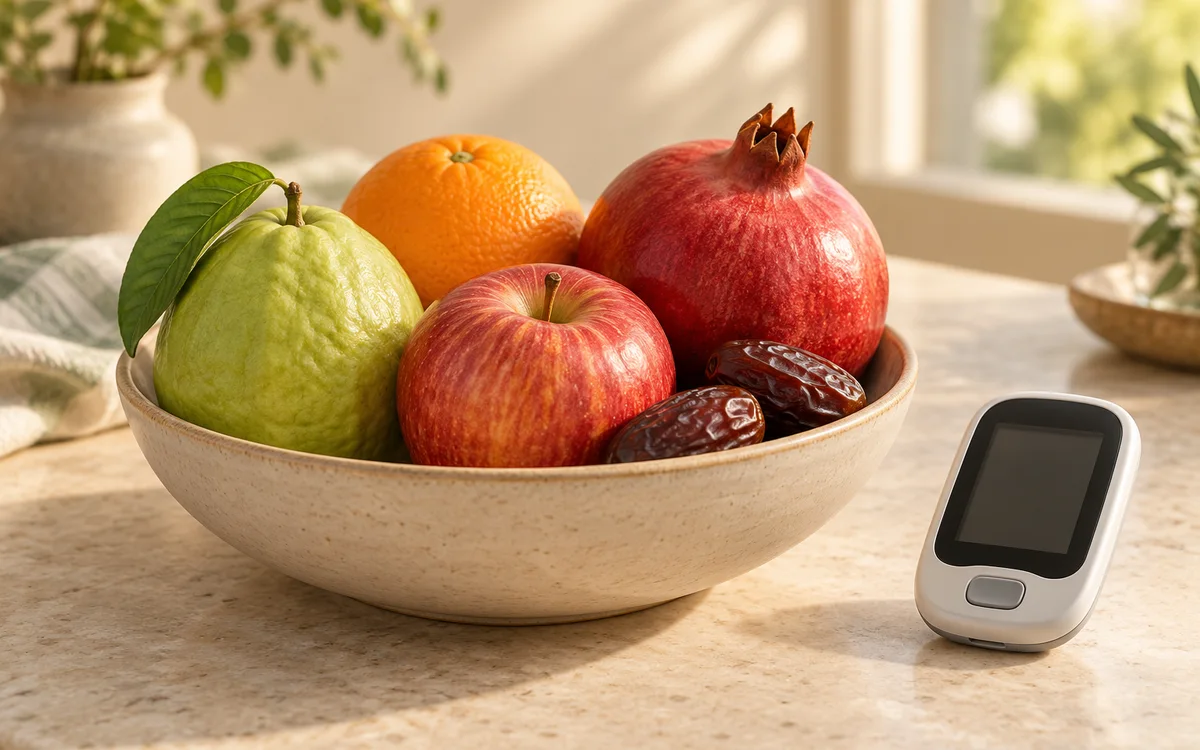
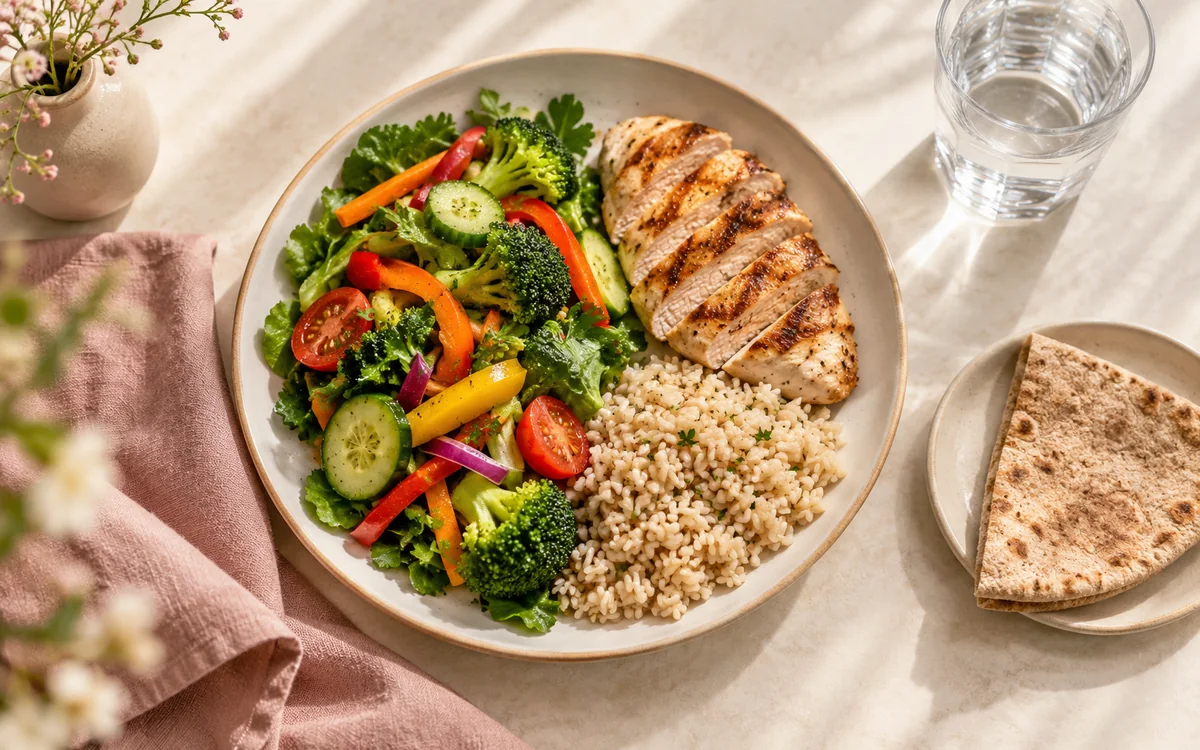
This video explores the glycemic impact of common daily foods, illustrating the distinction between items that cause rapid blood glucose spikes and those that promote steady metabolic stability. Liquid options, including freshly squeezed fruit juices like orange juice, along with refined carbohydrates like mashed potatoes, trigger sudden surges in blood sugar due to rapid digestion and lack of intact dietary fiber. Conversely, non-starchy vegetables such as cucumbers, arugula, lettuce, and tomatoes, paired with clean protein sources like eggs, tuna, and fish, and healthy fats like olive oil and cheese, maintain stable glucose levels. Understanding these nutritional differences allows individuals managing diabetes and insulin resistance to design balanced plates sustainably.
Key points
Fruit juices elevate blood sugar far faster than whole fresh fruits.
Fast-digesting starches like mashed potatoes cause sudden glucose spikes.
Leafy greens, cucumbers, and tomatoes maintain steady blood sugar levels.
Lean proteins and healthy fats like fish and olive oil prevent spikes.
This video uses familiar foods to explain foods that spike blood sugar and foods with a lower immediate effect. Whole orange, orange juice, cucumber, eggs, lettuce, tuna, rocket, cheese, fish, olive oil, mashed potato, tomato, and zucchini do not all affect glucose in the same way. The difference between whole fruit and juice, as well as the food type, amount, and preparation, can change the body’s response.
The point is not to create one permanent list of foods that are forbidden or foods that never raise glucose for everyone. If you have diabetes or insulin resistance, understanding a meal’s effect can help with portions and combinations, but response varies with health status and treatment. Meal planning may need a doctor or dietitian, especially when medicines that affect glucose are involved.
For practical planning, read this Egyptian diabetic diet guide and compare whole fruit with juice in the fruits for diabetics guide. The video addresses foods that spike blood sugar, low glycemic foods for diabetes, blood glucose response to fruit juice, and insulin resistance meal choices without absolute food rules.
Frequently asked questions
The effect depends on food type, portion, preparation, and the person’s response. The video gives mashed potato and orange juice as examples that can raise glucose, while cucumber, eggs, and vegetables generally have a lower direct effect. See this Egyptian diabetic diet guide for meal structure.
The video distinguishes juice from whole fruit because the form and concentration can change the response. The appropriate portion depends on the person, so one general rule cannot replace an individual plan. This fruit and juice guide for diabetes explains the difference.
The video identifies mashed potato as a food that can raise glucose, but the effect depends on portion, the rest of the meal, and the person’s response. If you have diabetes or insulin resistance, fit the portion into a suitable plan rather than automatically banning all carbohydrates.
There is no single diet for every person. A useful plan balances food type, portions, meal timing, medicines, and health status. This diabetic diet guide using Egyptian food gives practical structure, while an individual plan should be set by the clinician.
A practical guide to eating with diabetes using Egyptian food: the plate method, carbohydrate awareness, a sample day, snacks, Ramadan, low sugar warnings and why an individual plan matters.
You can eat fruit if you have diabetes. See portions for familiar Egyptian fruits, why whole fruit differs from juice, and how to track your blood sugar.
Eating for insulin resistance is not a forbidden-food list and does not require eliminating carbohydrates. This guide turns medical principles into a practical Egyptian plate with vegetables, protein and higher-fibre carbohydrate, including breakfast, lunch and eating-out examples.