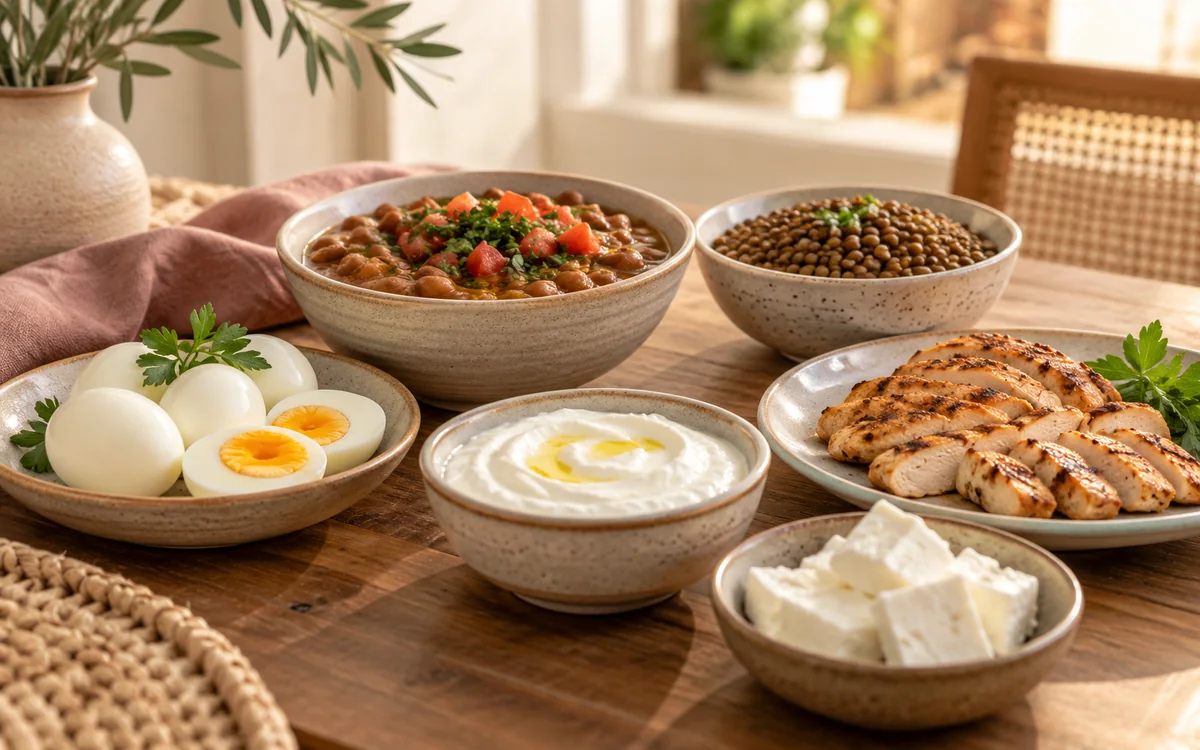
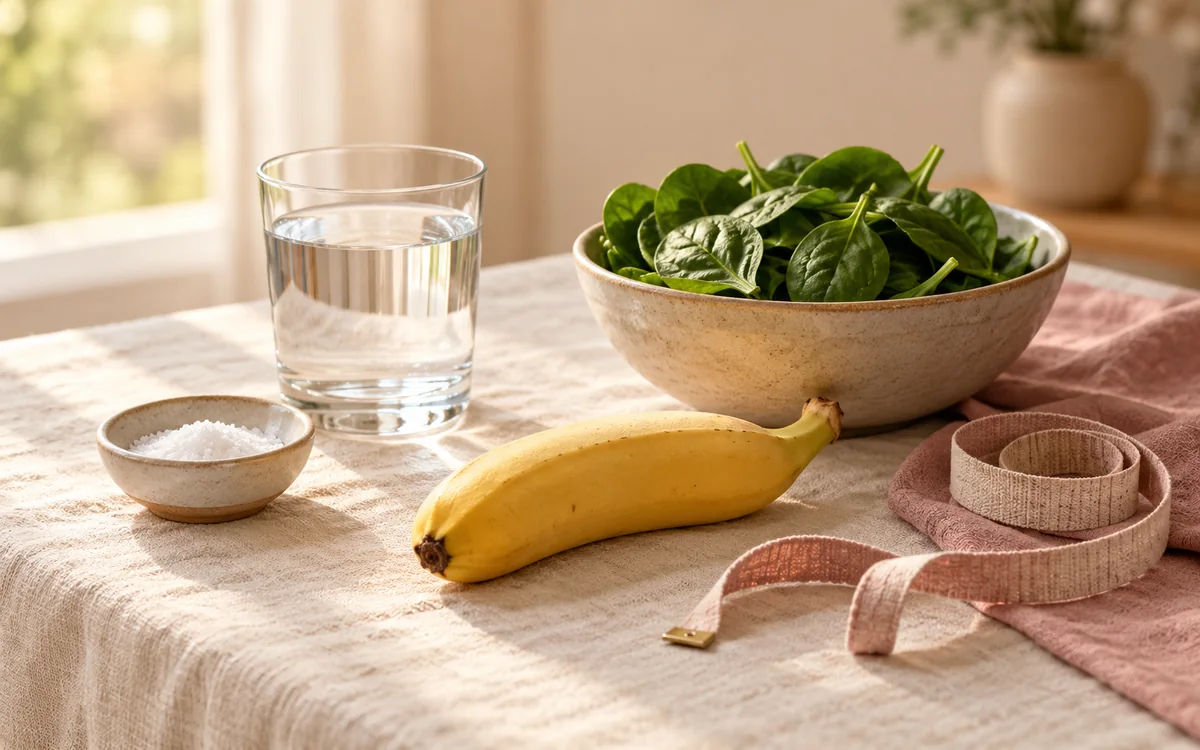
This video offers practical guidance on sustaining an ideal body weight after completing a weight-loss phase, helping individuals avoid regaining lost fat. A successful nutritional approach is not a temporary regimen that ends with resuming former unhealthy habits, but a lasting evolution in daily lifestyle. To protect results, viewers must continue prioritizing lean dietary protein to keep hunger hormones balanced, consume plenty of fresh fibrous vegetables, and treat whole fruit as a controlled dessert rather than an open snack. Eliminating sugar-sweetened beverages on a steady basis and tracking essential vitamin levels prevents metabolic slowdown, while abandoning self-blame maintains motivation.
Key points
Consistently eating sufficient protein prevents sudden hunger spikes and sugar cravings.
Vegetables provide essential satiety, while fruits should serve as controlled desserts.
This video explains why maintenance after dieting does not end when you reach a target number. A successful diet changes daily habits, so returning to old patterns can bring weight back. Continuing with appropriate protein, vegetables and fruit while limiting sugar and soft drinks supports a routine that can last. This high-protein foods guide explains protein’s role in fullness.
You will review protein for satiety and maintenance, the filling role of vegetables, and why fruit is treated as a modest dessert rather than an open-ended snack. The video also encourages tracking vitamins and avoiding the idea that one unplanned day cancels the plan. Preventing fat regain after dieting is about habits you can continue, not temporary deprivation.
The video is relevant to someone who has reached a goal and wants to keep it without guilt. If a day goes off plan, return to your routine rather than using punishment or starvation, and ask for help if maintenance remains difficult. You can book an appointment at the Maadi, Fifth Settlement or Sheikh Zayed branch.
Frequently asked questions
Continue core habits from the diet, especially appropriate protein and vegetables, while limiting sugar and soft drinks and keeping portions in view. The video frames maintenance as a lifestyle rather than a short phase followed by old habits. This protein guide explains fullness.
Not every quick scale change is fat; fluids, salt and meal timing can shift the number. The video emphasizes the longer pattern, while this water-retention guide explains the distinction. Track the trend rather than judging one day.
The video links protein with fullness because reducing it may leave you hungrier and more likely to want sugar or refined carbohydrates. Needs vary with health and activity, so the goal is a balanced sustainable pattern rather than increasing protein randomly. This calorie guide adds planning context.
Return to your regular routine without guilt or punitive fasting. The video encourages continuing the basic habits instead of treating one day as the end of the plan. If lapses repeat or maintenance is difficult, review portions and routine with a nutrition professional.
How to work out BMR, TDEE, activity factor and a sensible deficit with a worked example, how to track Egyptian foods, deal with plateaus, and who should start with a specialist.
Protein can support fullness and lean-mass retention, but it does not burn fat by itself. Explore seven everyday choices and see how cooking, portions and the rest of the plate change the meal.
A rapid scale change does not automatically mean fat gain, and “water weight” is not a diagnosis. Learn how timing, symptoms and swelling patterns guide safe monitoring and medical care.