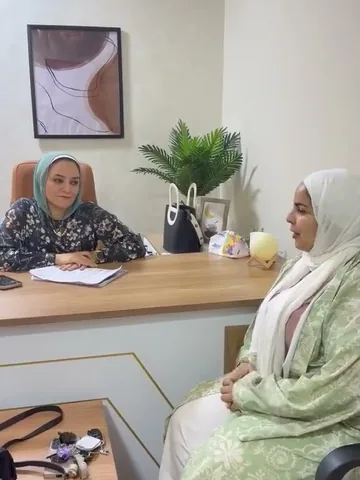
This video chronicles an inspiring patient story about overcoming skepticism and medication anxiety after years of unsuccessful dieting. With a personalized medical protocol using non-surgical sleeve alternatives, she achieved a 17 kg reduction in two and a half months, progressing from 104 kg down to 87 kg. Beyond the physical transformation on the scale, the substantial weight reduction relieved debilitating lower back strain, allowing her to walk and perform routine daily activities comfortably. Careful dose pacing minimized potential gastrointestinal adverse reactions while preserving her core muscle mass throughout the journey.
Key points
Lost 17 kg in 2.5 months, dropping from 104 kg to 87 kg.
Substantial relief from chronic back pain and restored mobility.
Overcame long-standing medication anxiety with doctor supervision.
Minimal side effects with preservation of skeletal muscle.
This video follows a patient who moved from 104 kg to 87 kg over two and a half months after years of frustrating weight-loss attempts. It presents non surgical weight loss options and a gradual medication approach rather than rushing dose increases, while showing how a clinical plan can address more than the number on the scale.
The change was also felt in daily movement. The patient described less back pain and an easier time walking after excess weight had made longer movement difficult. The video says her muscle mass was maintained and no troublesome side effects appeared in her case, but this remains one patient’s experience rather than a promised outcome.
Some people may have medical non-surgical options, including clinician-supervised weight-management medicines, but suitability is individual. The video presents one patient who lost 17 kg and felt better movement. The real decision depends on health history, goals and assessment. Read the guide to sleeve alternatives.
In this patient’s story, back pain and movement improved after weight loss. That may reflect less mechanical load, but it is not a treatment for every cause of back pain. Persistent, severe or new pain needs its own medical assessment rather than being attributed to weight automatically. For broader context, see the related guide.
Safety depends on medical history, other medicines, dose, tolerance and follow-up, so one testimonial cannot establish safety for everyone. The patient in the video reported no troublesome symptoms, while the clinician remains responsible for deciding suitability and monitoring the plan.
There is no single rate that fits every person. Clinicians consider weight, body composition, symptoms, nutrition and whether the plan can be sustained. The 17 kg loss over two and a half months belongs to this case and should not become a required target for everyone.
Non-surgical alternatives to gastric sleeve surgery begin with a careful medical assessment of lifestyle, nutrition and GLP-1 medicines, while identifying who still needs a surgical opinion.
When might tirzepatide affect appetite and weight, and how should progress at 4, 12 and 20 weeks be read? A realistic guide to trial averages and individual results.
Weight loss is not a race to the lowest number. Learn how adequate food, suitable protein, resistance exercise and strength follow-up can help preserve muscle.