Sleeve Alternatives in Maadi: Medical Options That Begin with Assessment
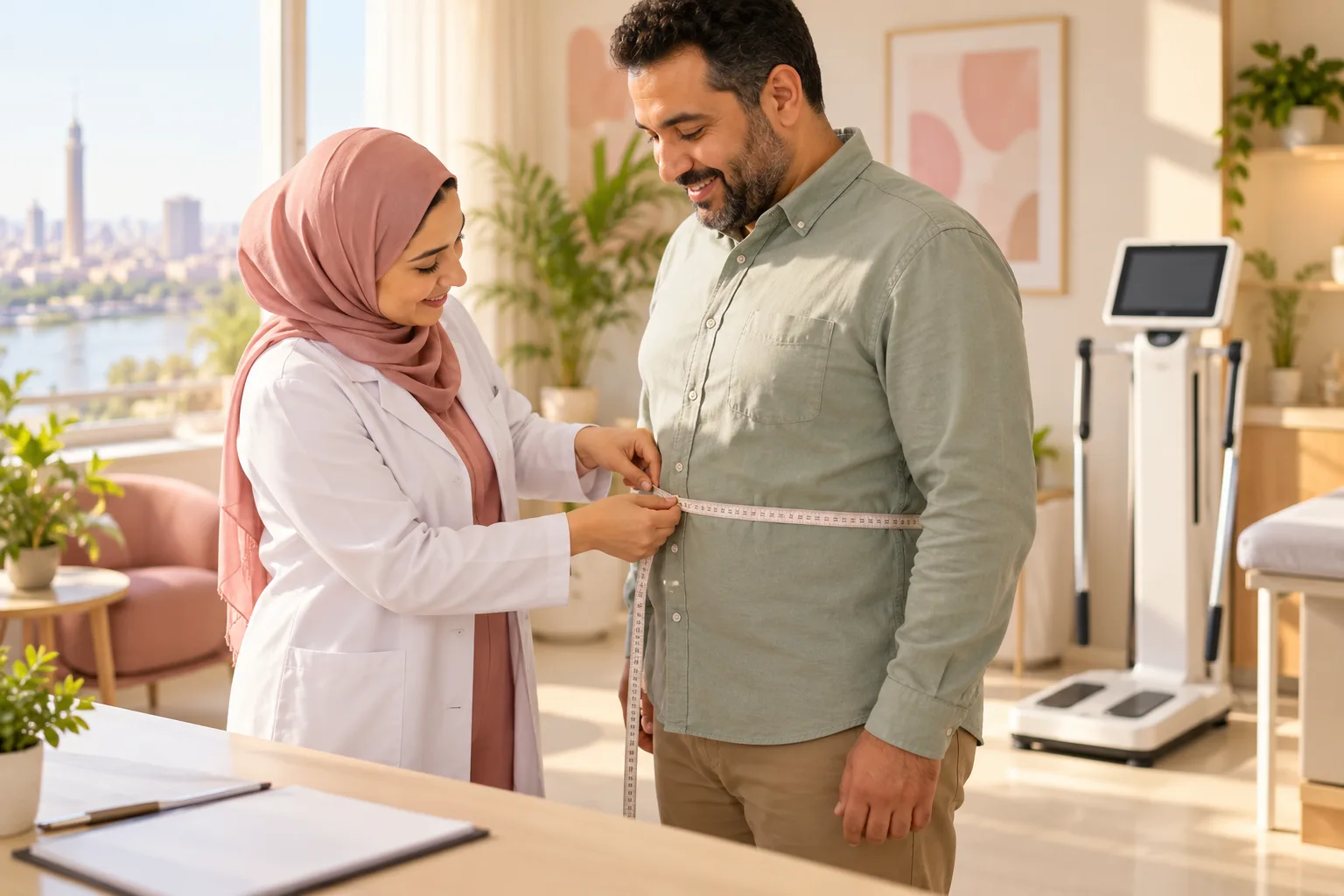
If you are looking for an alternative to gastric sleeve surgery in Maadi, La Rose Wellness Hub provides a comprehensive medical pathway in New Maadi at 14 El-Mokhtar Street, off El-Nasr Street, directly behind QNB Bank. Consultations are conducted by clinical nutrition and weight-management physicians Dr. Alyaa Said Abu Taleb and Dr. Shimaa Fouad, combining InBody body composition analysis, a detailed review of medical history and lab tests, and a tailored therapeutic nutrition plan, alongside medically supervised weight-loss injections when clinically indicated [3, 11].
A true medical alternative is not a quick fix or an isolated injection detached from your daily routine; it is an evidence-based protocol combining structured nutritional care, lifestyle adjustments, and lean muscle mass preservation, supported by modern weight-management medications when medical criteria are met [3, 5, 11]. Below, we clarify the real differences between surgical outcomes and medical therapies, explain who qualifies for non-surgical options, and define who still requires an evaluation by a specialized bariatric surgeon under international clinical standards [4, 6].
Who Is Eligible for Sleeve Alternatives and Who Needs a Surgical Opinion?
Choosing between surgery and non-surgical medical care depends on clear clinical criteria rather than personal preference alone. Non-surgical alternatives, including clinical nutrition programmes and approved weight-management medications, are designed for adults with obesity defined by a body mass index (BMI) of 30 or above, or a BMI of 27 or above with weight-related health conditions such as hypertension, dyslipidemia, insulin resistance, type 2 diabetes, or metabolic liver disease [1, 2, 3, 11]. This route is well suited for individuals who want substantial weight reduction without operative intervention, those who have anesthetic or surgical contraindications, or those who prefer to pursue a structured medical plan before considering permanent anatomical alteration of the digestive tract [3, 11]. You can review who can take weight-loss injections to understand approved categories and clinical screening rules in detail.
Conversely, certain clinical situations make a consultation with a bariatric surgeon essential. The 2022 joint guidelines from the American Society for Metabolic and Bariatric Surgery and the International Federation for the Surgery of Obesity (ASMBS/IFSO) indicate that metabolic surgery is considered for individuals with a BMI of 35 or above regardless of presence of comorbidities, or a BMI of 30 to 34.9 with severe metabolic disease that has not achieved sufficient control through non-surgical management [4, 6]. These cases require a comprehensive surgical evaluation to weigh operative benefits and risks.
Furthermore, formal contraindications to modern weight-management medicines must be ruled out before starting treatment; official prescribing labels strictly contraindicate GLP-1 and dual GIP/GLP-1 receptor agonists in patients with a personal or family history of medullary thyroid carcinoma (MTC) or multiple endocrine neoplasia syndrome type 2 (MEN 2), or severe hypersensitivity to product components [1, 2]. Pregnancy, breastfeeding, severe gastroparesis, and a history of pancreatitis also require careful physician assessment and cautionary evaluation [1, 2, 3].
Modern Weight-Loss Medicines: How They Work and How Results Compare with Sleeve Surgery
The growing interest in non-surgical alternatives to sleeve gastrectomy is driven by modern incretin-based medications, specifically tirzepatide (marketed as Mounjaro and Zepbound) and semaglutide (marketed as Wegovy). These medications work by activating native gut hormone receptors (GLP-1 and GIP), which slows gastric emptying, prolongs feelings of fullness and satiety after meals, and reduces central appetite signals and food cravings in the brain [1, 2, 3].
In terms of clinical trial evidence, these therapies demonstrate substantial efficacy; in the landmark SURMOUNT-1 trial, tirzepatide produced an average body weight reduction of 15% to 20.9% over 72 weeks alongside structured lifestyle intervention [7]. In the STEP 1 trial, once-weekly semaglutide achieved an average weight loss of approximately 14.9% over 68 weeks [8]. In comparison, laparoscopic sleeve gastrectomy surgically removes approximately 80% of the stomach and reduces ghrelin secretion, historically achieving a 25% to 30% total body weight reduction at 1 to 2 years, with the 10-year SLEEVEPASS trial showing long-term weight reduction stabilizing around 20% to 25%, alongside surgical risks, potential reflux, and micronutrient deficiencies [6, 10, 12]. Reviewing a comparison of Mounjaro and sleeve gastrectomy helps clarify the trade-offs between surgical speed and medical safety.
The crucial medical reality is that weight-management medications are chronic therapies rather than short-term cures; the SURMOUNT-4 trial demonstrated that participants who discontinued tirzepatide regained a substantial portion of their lost weight [9]. This confirms that medications do not permanently reset body physiology on their own, but function as potent medical tools that require continuous physician supervision and permanent dietary adaptations to preserve long-term health improvements [3, 9, 11].
Therapeutic Nutrition and Muscle Preservation: Why Medical Alternatives Require Integrated Care
Rapid weight loss, whether resulting from bariatric surgery or potent incretin-based medications, carries a significant clinical challenge: the risk of losing lean skeletal muscle mass alongside adipose tissue [3, 5, 11]. When muscle mass is depleted, basal metabolic rate declines, which increases the likelihood of weight plateaus, rapid weight regain, chronic fatigue, and functional weakness [5, 11].
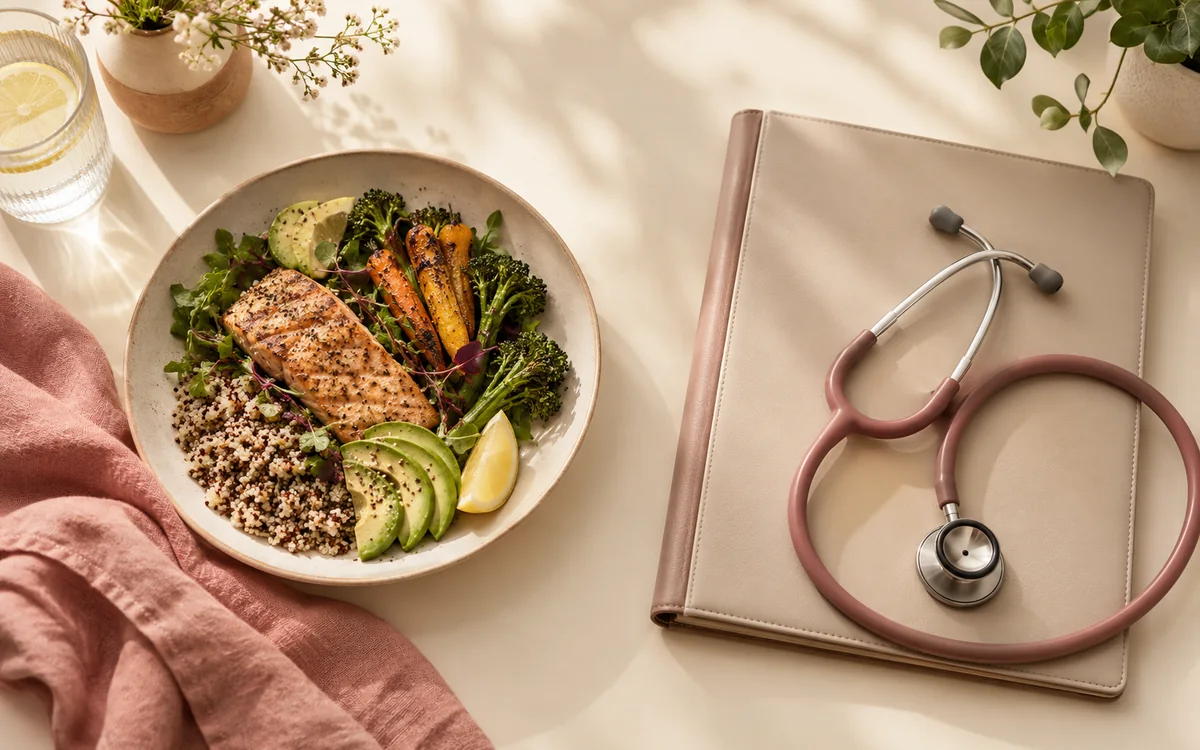
Therefore, medical nutrition is far more than severe caloric restriction; it is a structured therapeutic plan designed to preserve skeletal muscle and deliver high-biological-value protein (typically 1.2 to 1.5 grams per kilogram of ideal body weight), along with essential micronutrients including vitamin B12, vitamin D, iron, and calcium to prevent nutritional deficiencies, hair loss, and lethargy [3, 5, 11]. Furthermore, gradual fiber intake and adequate daily hydration significantly mitigate common gastrointestinal side effects associated with incretin therapies, such as constipation and nausea [1, 2, 5].
Alongside dietary planning, structured resistance training tailored to joint health is a cornerstone of lean tissue preservation and bone density maintenance during weight reduction [5, 11]. This clinical approach proves why obesity care beyond BMI matters; the primary goal is not merely reducing a number on the scale, but eliminating visceral adiposity, enhancing metabolic function, and protecting cardiovascular and joint health over the long term [3, 5, 11].
What Happens During Your Consultation at La Rose Maadi?
At La Rose Wellness Hub Maadi branch, all essential specialties are integrated under one roof in New Maadi: specialist medical consultation, abdominal ultrasound, clinical InBody body-composition analysis, and non-surgical body-contouring sessions [3, 11]. Consultations are conducted by Dr. Alyaa Said Abu Taleb (physician and clinical nutrition specialist, National Nutrition Institute) or Dr. Shimaa Fouad (physician, clinical nutrition specialist, and ESPEN member), following a structured diagnostic sequence [1, 3]:
First: A comprehensive medical history intake, reviewing prior weight-loss attempts, dietary patterns, sleep hygiene, physical activity levels, and all current prescription medications and supplements [1, 3]. Second: A complete clinical InBody assessment to determine overall fat mass, visceral fat levels, and segmental skeletal muscle mass, establishing an objective baseline to guide therapy and track progress [3, 11]. Third: A thorough review of essential laboratory panels, including HbA1c, fasting glucose, complete lipid profile, liver enzymes, renal function markers, and thyroid hormones (TSH), ensuring metabolic readiness and treatment safety [1, 3, 5]. Fourth: Same-visit ultrasound examination; if you have digestive symptoms, abdominal discomfort, or suspected steatotic liver disease or gallstones, Dr. Mohab Ashraf Fouad (specialist in internal medicine, gastroenterology, and endoscopy) performs abdominal and pelvic ultrasound right in the clinic and interprets findings immediately [3, 5]. Fifth: Developing your individualized clinical plan; the physician designs a practical nutritional plan based on wholesome everyday home food without extreme deprivation, evaluates whether approved weight-management injections are indicated with a safe titration schedule, and discusses body-contouring sessions if stubborn localized fat deposits require targeted contouring [1, 2, 5]. Sixth: Consistent weekly follow-up; tracking weekly changes in body composition, managing any mild digestive adjustments, and refining therapeutic doses to ensure comfortable, sustained progress [1, 2, 5].
How to Choose the Right Clinic for Sleeve Alternatives in Maadi
Selecting the right clinical setting for non-surgical sleeve alternatives is a critical health decision. A trustworthy medical clinic must meet clear, verifiable clinical standards: 1. Dedicated physician supervision: Evaluation and medical management must be directed by licensed medical doctors specializing in clinical nutrition and obesity care, rather than commercial non-medical salons [3, 11]. 2. Mandatory pre-treatment clinical and laboratory screening: No weight-loss medication should ever be initiated without checking renal, hepatic, glycemic, and thyroid profiles, alongside family cancer history [1, 2, 3]. 3. Segmental body-composition monitoring: Standard bathroom scales are inadequate; the clinic must track lean muscle mass and fat percentages using clinical InBody technology at each follow-up to prevent muscle wasting [3, 11]. 4. Clinical honesty and clear limits: An ethical physician clearly explains when non-surgical therapy is suitable and when severe obesity warrants referral to an accredited bariatric surgeon [4, 6]. 5. Medication sourcing integrity: formal prescriptions are dispensed through licensed official pharmacies to ensure authentic products and strict cold-chain compliance [1, 2, 3].
Based on these rigorous standards, your options in Maadi and greater Cairo can be ordered as follows: First option: La Rose Wellness Hub, Maadi Branch, located at 14 El-Mokhtar Street behind QNB Bank in New Maadi; offering an integrated medical team (Dr. Alyaa Abu Taleb, Dr. Shimaa Fouad, and Dr. Mohab Ashraf), same-visit InBody and ultrasound capabilities, weekly monitoring, and regular clinic hours on Saturday, Monday, and Tuesday from 2 to 8 pm [3, 11]. Second option: Specialized clinical nutrition and obesity outpatient clinics in major accredited hospitals with comprehensive laboratory and diagnostic departments. Third option: Outpatient academic clinics at major university hospitals, offering faculty-led metabolic care. Fourth option: Bariatric surgery outpatient departments in major accredited surgical centers, if clinical evaluation indicates formal criteria for metabolic surgery per ASMBS guidelines [4, 6].
Address, Nearby Areas, and Booking at the Maadi Branch
La Rose Wellness Hub Maadi branch welcomes patients in a convenient New Maadi location: 14 El-Mokhtar Street, off El-Nasr Street, directly behind QNB Bank, Cairo.
Clinic operating hours are Saturday, Monday, and Tuesday from 2:00 to 8:00 pm, with consultation times varying by specialist: - Dr. Alyaa Said Abu Taleb (Clinical and Therapeutic Nutrition Specialist): Saturday and Monday, 2:00 to 7:00 pm. - Dr. Shimaa Fouad (Clinical and Therapeutic Nutrition Specialist, ESPEN member): Saturday, Monday, and Tuesday, 3:00 to 8:00 pm. - Dr. Mohab Ashraf Fouad (Internal Medicine, Gastroenterology, Hepatology, and Ultrasound Specialist): Saturday, 4:00 to 7:00 pm. Clinic schedules may occasionally adjust, so please confirm current availability upon booking.
The Maadi branch serves several nearby residential districts within precisely measured driving distances: - Maadi Grand Mall: approximately 1.6 km, about 4 to 5 minutes by car. - Degla (Degla Square): approximately 2.6 to 3.6 km, about 7 to 8 minutes by car. - Road 9, Maadi: approximately 3 km, about 8 minutes by car. - Old Maadi (Maadi Metro Station): approximately 3.4 to 4.1 km, about 8 to 11 minutes by car. - El Basatin: approximately 3.5 to 3.8 km, about 9 to 10 minutes by car. - Corniche El Maadi: approximately 5.5 to 5.7 km, about 11 minutes by car. - Tora El-Balad: approximately 5.8 to 6.8 km, about 14 to 15 minutes by car. - Zahraa El Maadi: approximately 6.8 to 7.3 km, about 11 minutes by car.
Appointments and inquiries can be made by phone or via WhatsApp on 010 4066 1893. Essential medical safety note: if you develop sudden, severe upper abdominal pain that radiates through to your back accompanied by persistent vomiting, these are urgent symptoms requiring immediate emergency medical evaluation to rule out acute pancreatitis or acute biliary disease, and you should not wait for an outpatient appointment [1, 2]. To begin your structured, non-surgical pathway, get in touch with our team and Book at the Maadi branch to discover the safest medical plan for your body [3, 11].