Mesotherapy in Mokattam: The Direct Answer and Clinic Options
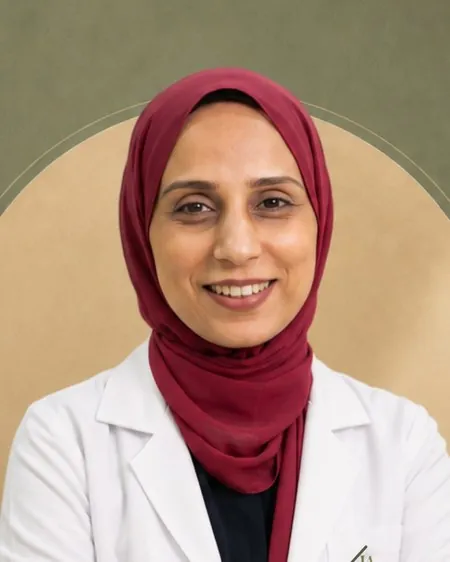
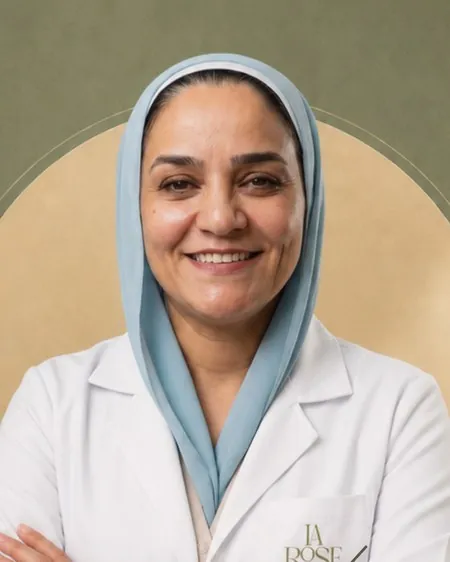
If you are looking for mesotherapy in Mokattam for body contouring or localised fat reduction, the closest medical setting is the La Rose branch in New Maadi. Sessions are conducted under specialised medical supervision with Dr Shimaa Fouad, clinical nutrition and weight management specialist and ESPEN member, and Dr Alyaa Saeed Abotalib, clinical nutrition specialist from the National Nutrition Institute. The clinic is located at 14 El-Mokhtar St, off El-Nasr St, behind QNB Bank in New Maadi, roughly 15 to 20 minutes by car from Nafoura Square or the Middle Plateau via the Autostrad or Ring Road.
Mesotherapy for localised fat is a medical procedure involving precise micro-injections into the subcutaneous adipose tissue to break down stubborn fat deposits that resist diet and physical activity [1]. The procedure is not a generalized weight-loss method and does not treat overall obesity, but functions as a targeted tool to refine contours in areas such as the lower abdomen, flanks, and upper arms [7]. To begin safely, Book your appointment at La Rose Clinic for an objective assessment of fat thickness and tissue suitability before starting any injections.
How Fat-Dissolving Injections and Non-Surgical Contouring Work
Fat-dissolving injections and non-surgical body sculpting work by delivering biologically active compounds directly into the subcutaneous adipose layer. Certain formulations utilize cytolytic agents such as deoxycholic acid, a naturally occurring bile acid that disrupts the outer cellular membrane of adipocytes [4, 6]. Once the cell membrane is compromised, stored intracellular lipids are released as free fatty acids and glycerol, which macrophages and the lymphatic system gradually clear and transport to the liver for metabolic processing over several weeks [1, 4].
In contrast, other traditional mesotherapy protocols utilize metabolic stimulators such as L-carnitine, antioxidants, and botanical extracts to stimulate local microcirculation and encourage cellular lipolysis without rupturing the adipocyte structure [1]. The essential difference between injection contouring and surgical liposuction is that surgery mechanically suctions larger volumes of adipose tissue in a single session under anaesthesia, whereas injection lipolysis refines small, localised pockets with minimal invasiveness and negligible downtime [9].
Selecting the appropriate compound and injection depth depends entirely on physical examination and measuring the fat pinch. Reviewing body contouring services in Maadi provides valuable insight into how injections, non-invasive energy devices, and medical assessments compare before proceeding with treatment.
Subcutaneous Versus Visceral Fat: What Can Mesotherapy Treat?
Many people enquire about abdominal injections to flatten a protruding belly, but clinical practice requires distinguishing between two completely different types of fat: subcutaneous fat and visceral fat. Subcutaneous fat is the soft, pinchable layer located directly under the skin, situated anatomically within Camper fascia and superficial tissue [6]. This superficial pocket is the only fat depot that can safely be targeted with localized injection techniques or non-surgical sculpting [8].
Visceral fat, on the other hand, is stored deep behind the abdominal wall musculature, wrapping around internal organs including the liver, intestines, and pancreas [2]. This deep visceral depot functions as an active endocrine tissue, releasing inflammatory cytokines that elevate insulin resistance and cardiovascular risk [2]. Mesotherapy and fat-dissolving injections cannot, and must never, be delivered into visceral fat, as penetrating the abdominal muscular wall carries grave procedural risks and cannot improve visceral metabolic health [2, 8].
When abdominal prominence is driven by visceral adiposity or abdominal wall laxity, the proper medical pathway requires dietary calorie moderation, reducing refined carbohydrates, and consistent physical activity [2]. You can explore detailed clinical distinctions in our guide on mesotherapy for belly fat to understand whether your tissue qualifies for localized injections or requires comprehensive medical nutrition therapy.
Candidate Suitability Checklist and Procedure Contraindications
Before booking a session, the physician performs a structured clinical assessment to confirm whether you are an appropriate candidate. The ideal candidate for injection lipolysis maintains a stable weight close to their healthy range, with a relatively steady body mass index, and presents with a localised, stubborn pocket of fat that has failed to resolve through exercise and nutritional discipline [7, 11]. Adequate skin elasticity is also essential, because eliminating fat beneath severely lax or stretched skin may accentuate loose folds rather than produce a refined contour [7].
Conversely, clear medical contraindications preclude injection treatments. These include pregnancy, breastfeeding, active dermal infections or inflammatory skin conditions at the target site, bleeding disorders, current anticoagulant therapy, and severe hepatic or renal dysfunction [3, 5]. Furthermore, localized fat injections are unsuitable for generalized obesity with a body mass index exceeding 30, where structured clinical lifestyle intervention and medical weight management remain the mandatory first step [11, 13].
Adhering to these safety boundaries prevents unrealistic expectations and protects patient health from avoidable complications. To examine detailed criteria, review our medical guide on who should not have mesotherapy to understand when sessions must be postponed or replaced with alternative nutritional pathways.
Step-by-Step: What Happens During a Clinic Mesotherapy Session
A mesotherapy visit at the clinic follows a structured sequence designed to maximize procedural comfort and clinical safety. The first step involves physical evaluation, where the physician examines the skinfold thickness using standardized pinching, marks the anatomical boundaries of the targeted adipose deposit, and verifies that the overlying skin is completely free of infection [8]. The treatment field is then meticulously cleansed with hospital-grade antiseptic solution to prevent bacterial introduction, an essential safeguard highlighted in regulatory warnings regarding unverified clinics lacking strict sterile discipline [3].
The next step is anatomical grid mapping. The doctor marks a grid of dots using a medical surgical pen, spaced evenly across the treatment zone, ensuring that the active formulation is distributed uniformly to prevent contour unevenness or focal lumps [7]. Injections are then administered using sterile, ultra-fine micro-needles placed precisely into the subcutaneous adipose tissue. Sensations during the procedure are generally described as mild pinching followed by temporary warmth or stinging that lasts a few minutes as the solution interacts with tissue [7, 8].
Upon completion, the treated skin is disinfected again, and gentle cold compresses are briefly applied to alleviate initial swelling and calm the tissue, alongside immediate post-care guidance. For deeper insight into procedural safeguards, check our reference on mesotherapy safety questions to review answers to frequent clinical questions regarding sterile equipment and technique.
Session Numbers and Intervals: When Do Results Appear?
A common misconception is expecting fat to disappear overnight after a single appointment. The clearance of disrupted fat cells is a gradual physiological process that relies on immune macrophages and lymphatic circulation to break down and clear cellular debris [1, 4]. Typically, a clinical treatment plan involves a series of 3 to 6 sessions depending on fat thickness and biological response, with intervals of 3 to 4 weeks between sessions to allow complete tissue recovery and accurate reassessment [4, 7].
During the first two weeks following treatment, the treated area exhibits mild inflammatory swelling, which can temporarily mask any contour change or make the region appear fuller. However, as the localized swelling resolves and lymphatic clearance progresses, measurable reductions in circumference and smoother contour lines emerge, with peak cumulative results generally visible 4 to 6 weeks following a session [1, 7]. Periodic clinical measurements and standardized photographs determine whether an additional session is required or if the desired contour has been achieved.
Respecting these treatment intervals protects deep tissue from excessive inflammation and prevents irregular healing. To explore structured schedules across various body regions, read our detailed article on mesotherapy session count and intervals for insights into session pacing and realistic clinical progression.
Expected Side Effects, Aftercare Guidelines and Warning Signs
Immediately after an appointment, a localized inflammatory reaction is entirely expected, presenting as mild swelling, redness, superficial bruising at needle puncture sites, and soreness akin to muscular ache after unaccustomed exercise [4]. These transient features reflect active adipocyte disruption and usually peak within 48 hours before subsiding over 3 to 7 days [4]. Occasionally, small temporary nodules or firm areas develop beneath the skin, resolving spontaneously as tissue settles and gentle massage is introduced once acute tenderness subsides [3, 4].
Proper home aftercare includes maintaining generous hydration to assist renal and lymphatic clearance, and wearing loose, breathable cotton clothing to minimize friction over treated skin. Patients should avoid saunas, hot tubs, intense heat, and swimming in the initial days following treatment as advised by their doctor to minimize bacterial contamination risks [3]. Crucially, watch for red flag symptoms that demand prompt medical review: rapidly expanding erythema, severe localized heat, purulent discharge, persistent fever, or intense pain unresponsive to mild analgesia [3]. Such symptoms can signify secondary infection requiring immediate prescription management [3].
Within La Rose's medically supervised S protocol, localized treatments are combined with nutritional review and supportive elements such as berberine for metabolic health and L-carnitine, framed with scientific honesty as supportive measures rather than independent miracles [12, 14]. For a broader perspective on what injections can and cannot achieve, read our medical review on does mesotherapy help with weight loss to understand the evidence regarding localized contouring versus overall weight reduction.
Common Fat-Dissolving Myths and Clinical Nutrition Synergy
Misinformation frequently circulates on social media presenting mesotherapy as an effortless shortcut that melts away fat without personal commitment. The first myth is that injection lipolysis prevents future weight gain; the medical reality is that remaining adipocytes retain full capacity to expand and store lipid reserves if an individual consumes an ongoing caloric surplus [10, 13]. The second myth is that mesotherapy compensates for poor dietary habits or a sedentary routine; the truth is that injections merely contour stubborn superficial pockets and exert zero impact on systemic metabolic expenditure [12].
The third myth involves pairing injections with thermal sweat belts or slimming wraps; sweating loses water and electrolytes rather than adipose tissue, and tight wraps over recently injected skin risk significant irritation and infection [10]. Sound clinical management pairs contouring sessions with individualized clinical nutrition adapted to daily Egyptian meals, moderating refined carbohydrates and bakery goods while prioritizing lean proteins, fiber-rich vegetables, and adequate hydration during hot weather [12, 13].
Approaching localized fat as one element of complete metabolic wellness rather than an isolated cosmetic flaw represents the only reliable strategy to preserve contour improvements over the long term without recurrence [2, 12].
Address, Schedules and Travel Route from Mokattam and Basatin
The La Rose Maadi clinic is located at 14 El-Mokhtar St, off El-Nasr St, behind QNB Bank, New Maadi, Cairo. Traveling from Mokattam to the clinic is straightforward via several primary arteries: from the Upper Plateau, Street 9, or Nafoura Square, descend via the Autostrad toward Saqr Qoraish and El-Laselky, turning into El-Nasr Street, a drive of approximately 15 to 20 minutes under normal conditions. From the Middle Plateau or near Carrefour Maadi, the Ring Road provides immediate access to New Maadi in roughly 10 to 15 minutes depending on traffic flow. The branch is also highly accessible for residents of El-Basatin, Dar El-Salam, and Tora within a 4 to 7 kilometre radius.
The body contouring and clinical nutrition team at the Maadi branch includes Dr Shimaa Fouad (specialist in clinical nutrition and weight management, ESPEN member) on Saturday, Monday, and Tuesday from 3 to 8 pm, and Dr Alyaa Saeed Abotalib (clinical nutrition specialist, National Nutrition Institute) on Saturday and Monday from 2 to 7 pm. Please note that schedules can change and are confirmed when booking.
To book or ask questions regarding session arrangements, call or send a WhatsApp message to 010 4066 1893. Inquiries regarding treatment costs can be sent via WhatsApp to confirm consultation availability and discuss health history. You can consult our mesotherapy guide in Maadi for comprehensive local details, or Book your consultation at the Maadi branch to begin your personalized assessment with the medical team [1, 7].