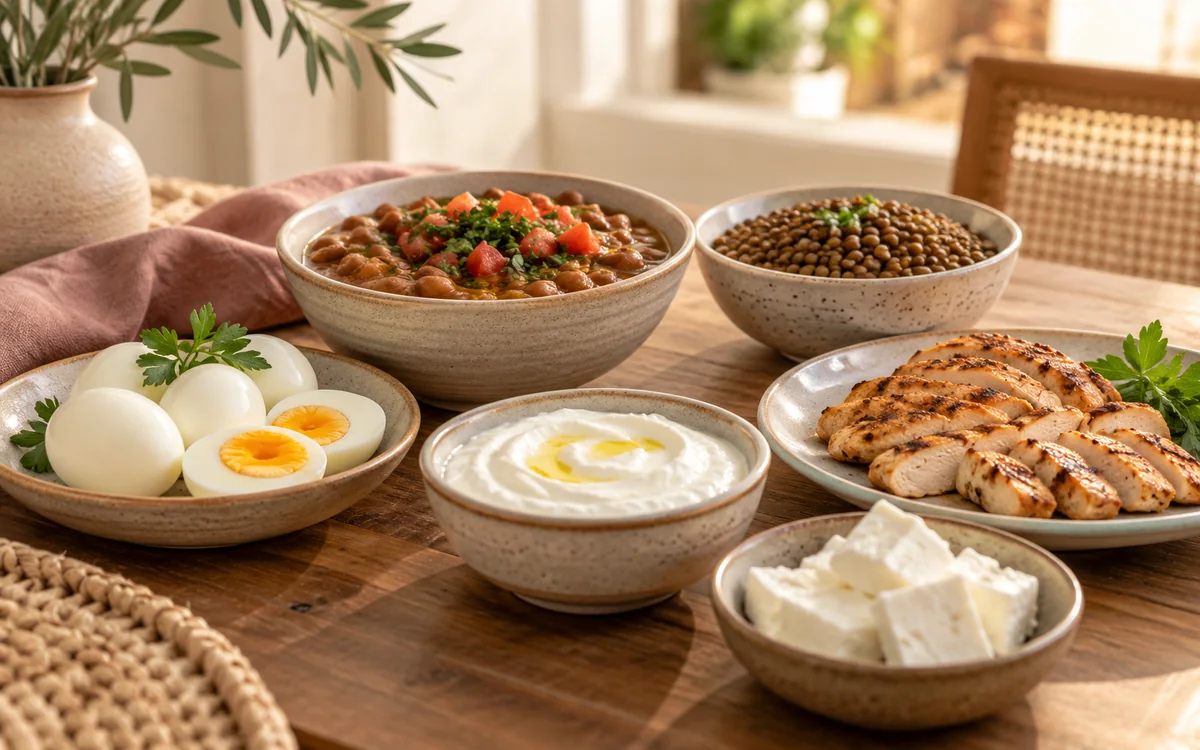
This video provides an actionable roadmap for maintaining target body weight after completing a successful fat loss program. It underscores the critical need to maintain sufficient dietary protein to protect metabolic lean muscle and prevent intense rebound hunger for refined carbohydrates. Additionally, it highlights consuming abundant fibrous vegetables, enjoying fresh fruits in moderation, and permanently avoiding sugar-sweetened sodas and liquid calories. Crucially, it advises letting go of guilt after occasional celebratory meals, emphasizing that consistent daily habits matter far more than single indulgences in keeping weight stable indefinitely.
Key points
Maintaining adequate dietary protein prevents sharp rebound hunger
Abundant vegetable fiber promotes satiety and supports gut health
Eliminating sugar-sweetened beverages safeguards against fat regain
Maintaining weight after dieting requires continuing some helpful habits rather than suddenly returning to the old pattern. The video emphasizes protein because it supports fullness and helps preserve muscle, along with vegetables, fiber, and fruit in an appropriate amount. Sugar-sweetened drinks and liquid calories can add energy without much fullness, so frequent use can make maintenance harder.
One social meal or unplanned choice does not mean the plan is over. The useful step is to return to the next balanced routine without starving yourself or using guilt, then consider what led to overeating. Vitamin or health concerns should be reviewed with a clinician because maintenance does not depend on protein alone or on banning one food group. Tracking what happens around social meals can help separate physical hunger from large portions or stress-related choices. A calm return to routine also reduces the cycle of harsh compensation followed by stronger hunger.
Continue balanced meals with protein, vegetables, and fiber, watch sugary drinks and portions, and keep activity that fits your life. After an overeating episode, return to the next routine meal rather than starving. Maintenance needs consistent habits, and a clinician can help when health factors affect weight.
Protein supports fullness and helps preserve lean mass, but it is one part of a maintenance pattern rather than a stand-alone solution. The right amount and sources depend on health and activity. The muscle-preservation guide explains how protein and movement work together.
Return to your usual next meal without harsh compensation or guilt, and consider what drove the extra eating. One meal does not define the overall trend, but repeated episodes may mean the plan needs adjustment. Use a manageable portion, eat slowly, and plan for social situations.
Sugar-sweetened drinks can add energy quickly without much fullness, and frequent use can make regain easier. Reducing them supports maintenance, but the full daily pattern matters. The body-composition tracking guide explains why trends and health matter more than one reading.
Weight loss is not a race to the lowest number. Learn how adequate food, suitable protein, resistance exercise and strength follow-up can help preserve muscle.
Body-composition measurements help when the same method is compared under similar conditions and read with strength and health trends, not as a verdict from one number.
Protein can support fullness and lean-mass retention, but it does not burn fat by itself. Explore seven everyday choices and see how cooking, portions and the rest of the plate change the meal.