Mounjaro Doctor in Madinaty: The Direct Answer and Nearest Clinic
If you are searching for a Mounjaro doctor in Madinaty or a nearby clinic for structured medical follow-up, the comprehensive choice is consulting Dr Shimaa Fouad at the La Rose Fifth Settlement branch, located in CMC Medical Mall on the fourth floor along North 90th Street. Dr Shimaa is a human physician, clinical nutrition and obesity specialist, and an active member of ESPEN, holding clinical sessions at the Fifth Settlement clinic every Wednesday from 3:30 to 8 pm. You can reach the clinic smoothly by car from Madinaty in approximately 20 to 25 minutes via Suez Road and North 90th Street, and you can Book your appointment in advance to confirm your consultation timing.
Mounjaro (tirzepatide) represents an advanced therapeutic class functioning as a dual GIP and GLP-1 receptor agonist, significantly regulating glycaemic control, delaying gastric emptying, and reducing appetite signals [1, 8]. However, achieving sustainable success without nutritional or metabolic complications depends not on purchasing an injection pen in isolation, but on establishing an integrated clinical protocol that evaluates hydration, micro-nutrient status, and organ function markers [5, 11]. Rapid weight loss without structured dietary pacing can result in substantial skeletal muscle loss and systemic fatigue, which is why ongoing consultation with a qualified clinical nutritionist shapes your therapeutic trajectory [10, 12].
Why Mounjaro Requires Specialist Medical Supervision Rather Than Buying Injections Alone
Many residents in Madinaty and nearby developments hear about Mounjaro on social media and consider purchasing pens independently without a physician, but this approach carries genuine clinical risks. Tirzepatide is not an over-the-counter dietary supplement; it is a potent prescription agent that alters insulin dynamics, gastrointestinal motility, and central appetite pathways [1, 6]. Starting without prior clinical evaluation leaves patients vulnerable to overlooked contraindications, such as a personal or family history of medullary thyroid carcinoma or Multiple Endocrine Neoplasia syndrome type 2, which are absolute contraindications detailed in official labeling [1, 9].
Furthermore, a dedicated physician evaluates your medical background to rule out past pancreatitis, active gallbladder pathology, and severe renal impairment, structuring an individualized treatment plan aligned with your metabolic status [2, 7]. If you manage type 2 diabetes with concurrent insulin or sulfonylurea therapies, the physician must carefully adjust those co-medications to prevent sudden severe hypoglycaemic episodes [1, 11]. Approved initiation guidelines require remaining on the standard introductory dose for a minimum of 4 weeks so the digestive system adapts; rushing dosage progression frequently triggers severe vomiting and dehydration requiring acute hospitalisation [5, 8].
Through structured clinical follow-up, blood pressure, heart rate, and weight changes are tracked routinely, resolving emergent symptoms rather than allowing patients to abandon therapy prematurely due to manageable discomfort. To explore the broader clinical context and comparisons across Egypt, you can review our Mounjaro guide in Egypt as a comprehensive background reference.
What Happens During Your First Weight-Management Consultation
The initial consultation is far more than receiving an injection prescription; it is an extensive clinical assessment aimed at constructing a safe, durable strategy tailored to your physiological profile and daily routine [4, 11]. The consultation proceeds through several structured stages:
1. Detailed Medical History: The doctor reviews your previous weight loss history, chronic health conditions, surgical interventions, and family history of endocrine neoplasms or gastrointestinal disorders [1, 5]. 2. Body Composition Analysis (InBody): We measure skeletal muscle mass, overall body fat percentage, visceral adipose tissue levels, and intracellular/extracellular fluid ratios to define an objective baseline [10, 11]. 3. Laboratory Review: We evaluate fasting plasma glucose, HbA1c, liver enzymes (ALT and AST), renal panels (creatinine and eGFR), lipid profiles, and thyroid-stimulating hormone (TSH) [7, 8]. 4. Preventive Nutritional Planning: We calculate targeted daily protein requirements to protect functional musculature, organizing meal timing and fluid strategies to prevent digestive distress [11, 12].
The overarching goal of these diagnostic steps is verifying that medical therapy is completely safe for your systemic health, preparing your metabolism for positive response without precipitating dizziness or nutritional shortfalls. You can discover more regarding visit protocols at our weight loss clinic in the Fifth Settlement to prepare thoroughly for your clinical consultation.
Pen Administration, Cold-Chain Storage, and Safe Commute to Madinaty
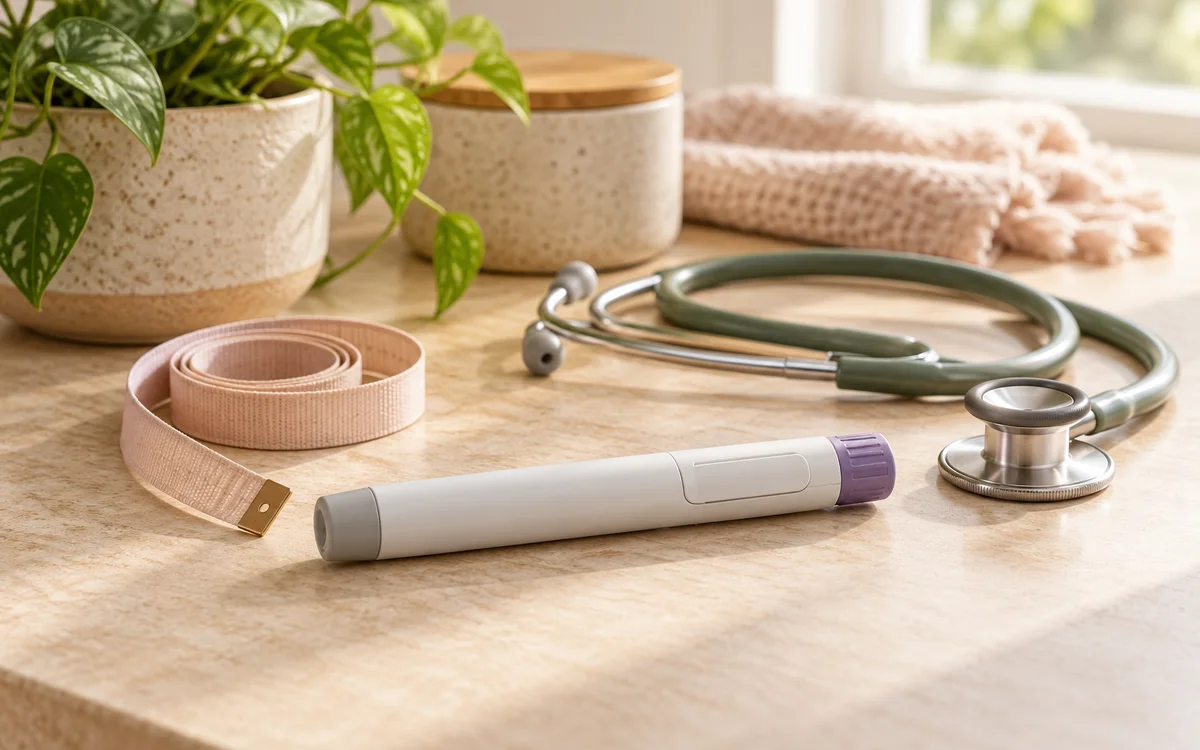
Mounjaro is administered as a subcutaneous injection once weekly on the same scheduled day, targeting the abdomen, anterior thigh, or posterior upper arm, rotating the injection site each week to avoid cutaneous irritation or lipodystrophy [5, 9]. The pre-filled pen is straightforward to use, but cold-chain storage requires precise adherence. Unused pens must remain refrigerated between 2 and 8 degrees Celsius, placed away from freezer components, as freezing irrevocably denatures the peptide structure, rendering it inactive [1, 3].
For residents in Madinaty and Shorouk, commuting along Suez Road during hot summer months demands careful temperature management. Car interior temperatures can climb swiftly, compromising peptide integrity. We advise carrying an insulated thermal travel pouch with a chilled ice pack when picking up your pen from the pharmacy or clinic, transferring it promptly to your domestic refrigerator upon arrival [1, 5]. Once in active weekly use, a single pen may be kept at controlled room temperature below 30 degrees Celsius for up to 21 days while shielded from direct sunlight [1].
If you inadvertently miss your weekly injection day, administer the dose as soon as possible if fewer than 4 days (96 hours) have elapsed. However, if more than 4 days have passed, skip the missed dose entirely and resume on your regular scheduled day without ever doubling up [1, 5]. To review full practical details regarding injection rotation and travel tips, explore our Mounjaro pen use and storage guide for comprehensive instructions.
Managing Common Gastrointestinal Side Effects in Everyday Egyptian Life
The predominant side effects of tirzepatide involve the digestive tract, occurring most noticeably during initial initiation or dose adjustments, including mild nausea, constipation, early fullness, and acid reflux [3, 6]. Within local Egyptian lifestyle patterns, traditional rich dishes featuring ghee, fried favourites like falafel, late-night dinners, and abundant social gatherings can intensify reflux and nausea because gastric transit is intentionally decelerated [6, 12].
To ensure an uncomplicated and comfortable experience, we recommend several practical adjustments:
1. Fractional Meals: Divide daily nutrition into smaller, modest meals throughout the day rather than heavy sittings, stopping eating at the earliest sensation of satiety [11, 12]. 2. Meticulous Chewing: Chewing slowly minimises aerophagia, substantially alleviating uncomfortable postprandial bloating. 3. Posture Awareness: Avoid lying down immediately following meals to minimise reflux and acidity, particularly for patients prone to gastro-oesophageal reflux [5]. 4. Mindful Hydration: Maintain adequate water intake spread consistently throughout the day between meals, rather than consuming excessive volumes alongside food [3, 7]. 5. Dietary Fibre: Incorporate leafy greens, chia seeds, and oats to support gut motility and relieve constipation naturally [7, 12].
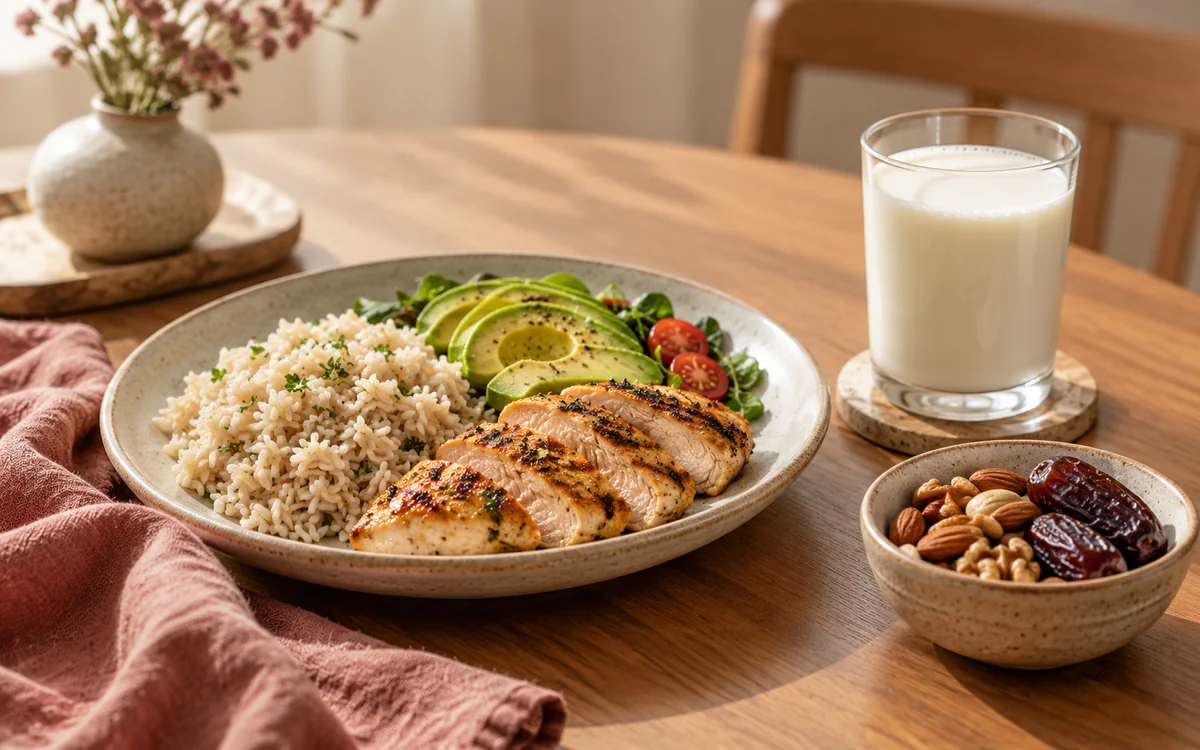
During family gatherings or social dining around Madinaty and New Cairo, choosing grilled proteins alongside prepared vegetables and moderate complex carbohydrates allows you to partake comfortably in social occasions while advancing your metabolic objectives.
Preserving Skeletal Muscle and Preventing Sagging During Weight Reduction
Tirzepatide produces substantial and clinically meaningful body weight reductions, as evidenced across major trials such as SURMOUNT-1 [10]. Nonetheless, rapid weight reduction presents a distinct physiological challenge: a notable proportion of lost mass can stem from skeletal muscle rather than solely adipose tissue if nutritional pacing is neglected [10, 11]. Skeletal muscle depletion depresses resting metabolic rate, complicating long-term weight maintenance while increasing susceptibility to loose skin and facial volume deflation [11, 12].
To ensure weight reduction preferentially targets hazardous visceral and ectopic fat depots, our clinical nutrition team reinforces three primary interventions:
1. Target Protein Intake: Distributing lean, bioavailable protein sources such as skinless poultry, fish, eggs, cottage cheese, and legumes across all daily meals to stimulate muscle protein synthesis [11, 12]. 2. Structured Resistance Training: Performing resistance exercises using weights or resistance bands 2 to 3 sessions weekly to preserve muscular integrity and tone [11]. 3. Periodic InBody Assessment: A structured clinical practice at La Rose tracking fat and skeletal muscle changes monthly, allowing prompt dietary adjustments to help preserve lean tissue during weight reduction.
Prioritising specialised clinical nutrition represents your true safeguard for achieving a toned physique, robust vitality, and lasting wellness beyond reaching target body weight.
Comparing Options Between Madinaty, Shorouk, and Greater New Cairo
Residents across Madinaty, Shorouk, Mostakbal City, and Badr frequently balance neighbourhood proximity against specialised clinical depth. While some seek local practices within Madinaty at East Hub or Medical Center 1, consulting an integrated clinical center equipped with advanced body composition technology and dedicated clinical nutrition physicians provides invaluable continuity of care [4, 11]. Recent regional arterial upgrades, including the Suez Road corridor, the Middle Ring Road, and Mohamed Naguib Axis, make the drive to the Fifth Settlement a straightforward journey of minutes.
If you reside across neighboring communities, clinical selection standards include verifying qualified medical credentialing, regular follow-up cadences, and robust diagnostic capabilities. Rehab residents benefit from similar regional infrastructure; you can explore our guide to a Mounjaro doctor in Rehab as an adjacent local model. Furthermore, reviewing the broader regional criteria through our overview of a Mounjaro doctor in New Cairo clarifies how to select clinical care founded on clinical expertise and comprehensive patient support.
The real priority is never simply finding the closest storefront to acquire a pen, but securing an experienced medical partner guiding every developmental phase of your metabolic journey safely.
Fifth Settlement Clinic Location, Route from Madinaty, and Booking Details
The La Rose Fifth Settlement branch is conveniently located for residents of Madinaty and Shorouk: situated within CMC Medical Mall, 4th floor, North 90th Street, directly behind the Air Force Specialized Hospital. Dr Shimaa Fouad, a human physician, clinical nutrition specialist, and ESPEN member, holds clinical sessions at this branch every Wednesday from 3:30 to 8 pm, alongside her practice at the New Maadi branch on Saturday, Monday, and Tuesday from 3 to 8 pm. Clinic schedules may occasionally be updated and are confirmed upon booking.
The driving route from Madinaty is straightforward: depart via the Madinaty Suez Road gate heading westbound on Suez Road, then take the exit for either the Middle Ring Road or Mohamed Naguib Axis south into North 90th Street, continuing until reaching CMC Medical Mall behind the Air Force Specialized Hospital. The commute takes approximately 20 to 25 minutes under regular traffic conditions, and roughly 25 to 35 minutes from Shorouk City via Suez Road.
To schedule your consultation or enquire about appointment availability, call or send a WhatsApp message to 010 4066 1893. For questions regarding consultation fees and pricing, send a WhatsApp message for direct details without fixed figures. Before starting tirzepatide, the clinician should review contraindications, medical history, and current medicines [1]. To explore comprehensive guidance on GLP-1 and GIP options locally, consult our resource covering Mounjaro and Wegovy in the Fifth Settlement for extensive clinical context.
Red-Flag Symptoms That Require Immediate Emergency Evaluation
While the majority of side effects associated with tirzepatide are mild and transient, there are rare yet significant warning signs that demand immediate cessation of the medication and prompt attendance at a hospital emergency facility without waiting for a scheduled clinic visit [1, 5]:
1. Severe, Persistent Abdominal Pain: Intense, unrelenting pain in the upper abdomen that radiates through to the back, especially accompanied by vomiting, suggests acute pancreatitis, which represents a medical emergency requiring rapid intervention [1, 6]. 2. Right Upper Quadrant Distress: Severe discomfort in the biliary region, potentially accompanied by fever or jaundice (yellowing of the sclera and skin), necessitates urgent assessment to exclude acute cholecystitis or gallstone complications [1, 8]. 3. Intractable Vomiting with Dehydration: Complete inability to retain fluids for beyond 24 hours, alongside pronounced postural dizziness, dry mucous membranes, and oliguria, placing renal function at acute risk [3, 5]. 4. Systemic Hypersensitivity Signs: Rapid swelling of the lips, tongue, or throat causing difficulty breathing or swallowing, or generalised urticaria [1, 9]. 5. Severe Hypoglycaemic Reactions: Severe tremors, cold diaphoresis, tachycardia, and altered mental state, predominantly in individuals using concurrent insulin secretagogues [1, 11].
Should any of these red-flag symptoms arise, your safety is paramount. Present directly to the emergency department of your nearest hospital rather than awaiting a regular clinical follow-up appointment.