Postpartum weight loss in Maadi: the direct answer
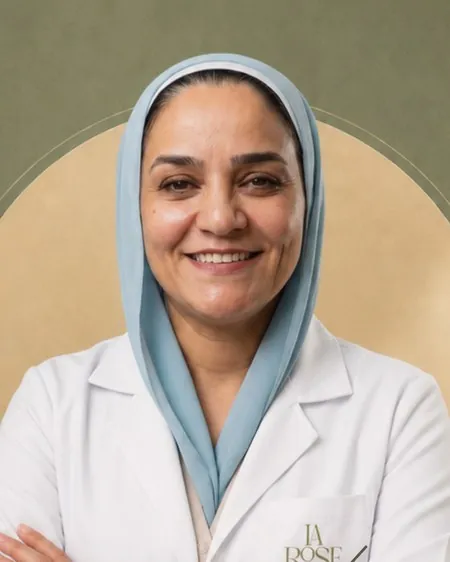
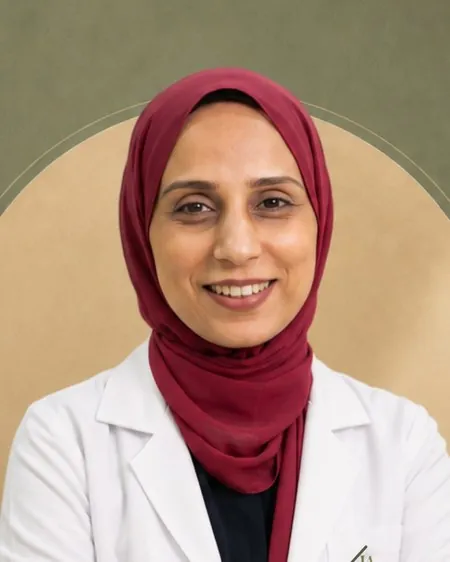
If you are looking for postpartum weight loss in Maadi, you can begin with a dedicated consultation led by the clinical nutrition and weight-management team at La Rose Clinics (Dr Shimaa Fouad and Dr Alyaa Said Abu Taleb) at 14 El-Mokhtar Street, off El-Nasr Street, behind QNB Bank, New Maadi. Branch hours in Maadi are Saturday, Monday and Tuesday from 2 to 8 pm, with Dr Shimaa Fouad attending Saturday, Monday and Tuesday from 3 to 8 pm, and Dr Alyaa Abu Taleb attending Saturday and Monday from 2 to 7 pm. To book or ask a question, contact the clinic by phone or WhatsApp on 010 4066 1893.
The visit at the Maadi branch is never designed to impose an aggressive crash diet or deprivation that undermines maternal stamina or milk supply. The aim is to review recovery, identify actual nutritional requirements during lactation [1], and assess body composition to guide gradual weight loss. The Maadi clinic combines clinical nutrition consultations and clinical InBody analysis, with internal medicine input from Dr Mohab Ashraf if digestive problems or anemia arise.
This guide is dedicated specifically to the maternal journey in Maadi and surrounding neighborhoods: you will discover the medically appropriate timeline to start after vaginal delivery or caesarean birth, which laboratory tests and delivery records to bring, how body composition is evaluated to shape realistic home-cooked meals, what official drug labels state regarding weight-loss medicines during lactation, and how to reach the clinic smoothly from major Maadi landmarks without deceptive shortcuts or unrealistic claims.
When to start postpartum weight loss: recovery phases and red flags
The clinical timing for postpartum weight loss is never a rigid date on a calendar; it depends on actual recovery, delivery type, maternal healing, and infant feeding. During the first 6 weeks after birth the body adapts in many ways: the uterus returns to its normal size, perineal tissues or caesarean incisions heal, and milk production begins [14]. Severe, unguided calorie restriction in this window can cause dizziness and fatigue and may strain breastfeeding [13].
Guidelines from the American College of Obstetricians and Gynecologists emphasize that postpartum care is not a single isolated visit, but an ongoing process with contact within the first 3 weeks and a comprehensive postpartum assessment before 12 weeks [3]. That assessment covers physical recovery, mood, sleep and management of chronic conditions [3]. Once your obstetrician confirms satisfactory recovery and incision stability, you can begin nutrition guidance to improve dietary quality, which is fundamentally different from starvation. For a broader perspective on maternal physiology, explore our guide on weight loss after birth while breastfeeding.
Red-flag symptoms requiring urgent obstetric or emergency assessment before considering any nutritional changes include: heavy vaginal bleeding soaking more than one sanitary pad per hour, persistent high fever or chills indicating uterine, wound, or breast infection, sudden severe chest pain or acute shortness of breath raising suspicion of pulmonary embolism, unilateral calf swelling, redness, and tenderness pointing to deep vein thrombosis, intractable severe headache accompanied by visual disturbances or epigastric pain signaling late postpartum preeclampsia, or profound despair and thoughts of self-harm [14]. Any such symptom demands immediate emergency obstetric care.
Nutrition and breastfeeding support: preserving milk supply and energy
Lactation is an energetically demanding process; guidance from the US Centers for Disease Control and Prevention indicates that breastfeeding mothers need roughly 330 to 400 additional calories daily compared with before pregnancy, and the figure varies from mother to mother [1]. Although popular belief often claims breastfeeding automatically sheds all pregnancy weight, a systematic review found little or no association between breastfeeding and postpartum weight change in most studies [4], so weight loss during breastfeeding varies widely and is not guaranteed.
Evidence on cutting calories during breastfeeding is still limited: a systematic review of clinical trials in lactating women found that a measured calorie reduction was associated with weight loss and no self-reported adverse effects on breastfeeding, but the effect on milk composition is unknown, so any calorie deficit is set with the dietitian [5]. Lifestyle programmes after birth were associated with modest average weight loss [7], and so was exercise [8]. A sound dietary framework for nursing mothers builds on structured meals: a protein source in every meal and snack (such as eggs, cottage cheese, yoghurt, lentils, beans, poultry and fish), complex carbohydrates rich in fibre to support fullness, and fresh vegetables and fruit [13].
Avoiding extreme dietary regimens is a vital boundary during lactation: a systematic review of case reports linked severe carbohydrate restriction, such as ketogenic diets, during breastfeeding with maternal ketoacidosis [6]. We also advise against prolonged fasting, which reduces the energy available to a nursing mother. Commercial herbal teas and unverified fat-burning mixtures should be avoided as well; their ingredients are often unknown and there is no sufficient evidence they are safe during breastfeeding. Drinking fluids according to thirst helps maintain hydration and milk supply [13].
What happens during the first postpartum nutrition visit in Maadi?
The initial consultation at the Maadi nutrition clinic with Dr Shimaa Fouad or Dr Alyaa Abu Taleb begins with an attentive clinical discussion rather than handing out a generic printed diet sheet. The physician reviews the complete obstetric history: delivery method (vaginal or caesarean), recovery progression, presence of perinatal complications such as hemorrhage, hypertension, or gestational diabetes, lactation status (exclusive breastfeeding, combination, or formula), actual sleep duration, and daily physical demands. The consultation also assesses actual dietary habits, meal timing, hunger patterns, and routine household foods to construct a sustainable, realistic nutritional framework. Lactation status matters because breastfeeding raises daily energy needs [1].
The second clinical phase is comprehensive body composition testing using the on-site InBody analyzer at the Maadi branch. Relying on a standard bathroom scale after childbirth produces misleading and discouraging readings, because a simple scale reports total weight only and cannot distinguish fluid, muscle and fat. An InBody assessment precisely quantifies body fat percentage, skeletal muscle mass, visceral fat levels surrounding abdominal organs, and intracellular and extracellular fluid distributions. This data enables the clinician to establish an accurate objective: safeguarding functional muscle while progressively mobilizing excess fat stores without depleting maternal vitality.
Based on diagnostic metrics and medical history, the physician crafts a personalized dietary plan built around everyday family meals and sets a structured follow-up timeline. Follow-up visits are scheduled according to your situation to monitor progress, recheck body metrics, and troubleshoot challenges such as sleep deprivation or metabolic fatigue. To prepare effectively for testing and understand measurement reports, read our practical InBody test first visit guide before your appointment.
Medical tests and reports: what to bring to the Maadi clinic
To gain maximum benefit from your consultation, assemble your medical records in an organized folder before your visit. First, bring your hospital discharge summary or delivery report if accessible, as this document records delivery date, anesthesia method, estimated blood loss, surgical wound status, and immediate postpartum medications. Additionally, bring recent laboratory test results conducted during late pregnancy or following childbirth, particularly complete blood counts and iron profile reports. It also helps to bring the summary of your comprehensive postpartum visit with your obstetrician, which is recommended before 12 weeks after birth [3].
Key diagnostic laboratory investigations that provide meaningful clinical insight include: a complete blood count to rule out residual postpartum iron-deficiency anemia, which can cause fatigue; a thyroid-stimulating hormone and thyroid function panel to screen for postpartum thyroiditis, a thyroid inflammation that can appear after birth with fatigue or weight changes; fasting plasma glucose, glycated hemoglobin, and insulin resistance parameters, especially with a history of gestational diabetes or polycystic ovary syndrome; and a lipid panel alongside hepatic and renal profiles if concurrent chronic conditions exist.
It is equally vital to bring a complete list of all current medications, prescription therapies, and dietary supplements with package labels, including therapeutic iron preparations, calcium, vitamin D, lactation herbal supplements, and blood pressure medications. A crucial clinical tip: do not order broad laboratory test bundles on your own before consultation; the physician at La Rose Maadi reviews your records and selectively identifies the specific investigations that directly alter treatment strategy without redundant tests.
Postpartum belly protrusion and sagging: what is happening and when to wait
Postpartum abdominal protrusion and skin laxity are common concerns for mothers, but understanding the clinical anatomy of the abdominal wall is the first step toward effective management. The postpartum belly is not merely accumulated subcutaneous fat; it represents a physiological combination of uterine enlargement (the uterus gradually returns to pelvic dimensions), stretched skin with reduced elasticity, separated rectus abdominis muscles (diastasis recti), visceral adiposity, and transient bowel distension or constipation.
Surgical abdominoplasty or liposuction carries anaesthetic and surgical risks and wound-healing complications, and is normally postponed until recovery is complete; that decision belongs to a surgeon and your obstetrician, not to the nutrition clinic. The safe pathway begins with gradual walking [12], progressing with your obstetrician's approval toward 150 minutes of moderate-intensity physical activity per week, as outlined by US CDC guidance [2]. If you need pelvic floor exercises, a physiotherapist outside the clinic can guide them.
Body-contouring procedures are not part of our postpartum nutrition plan; any such procedure is a decision for a specialist outside the clinic, after recovery is complete and breastfeeding has ended. The priority now is gradual weight loss and tracking progress with InBody.
Weight-loss medications and injections during breastfeeding
With extensive public attention on modern weight-loss medicines, nursing mothers in Maadi often ask whether injections such as Wegovy or Mounjaro are acceptable during lactation. Our clinic does not recommend any weight-loss medicine during breastfeeding, and the official prescribing labels indicate that safety data in breastfed infants are insufficient [9, 10, 11].
The official US prescribing information for Wegovy (semaglutide) and Zepbound (tirzepatide) notes that data on the presence of the medicine in human milk and its effects on the breastfed infant and milk production are limited or unavailable [9, 10]. A recent narrative review of these medicines before, during and after pregnancy likewise indicates that safety data during lactation remain limited [11].
Our nutrition clinic does not recommend any weight-loss medicine for a breastfeeding mother; any medicine decision belongs to the prescribing doctor after assessing your situation. If you were prescribed medication before pregnancy or after delivery, never alter or stop it on your own, avoid taking another person's prescription, and consult your treating doctor.
Clinic hours, route, and booking a nutrition visit at the Maadi branch
Clinic address: La Rose, 14 El-Mokhtar Street, off El-Nasr Street, directly behind QNB Bank, New Maadi, Cairo. General clinic hours at the branch are Saturday, Monday and Tuesday from 2 to 8 pm. Appointments with Dr Shimaa Fouad in Maadi are Saturday, Monday and Tuesday from 3 to 8 pm, and appointments with Dr Alyaa Said Abu Taleb are Saturday and Monday from 2 to 7 pm. To arrange an appointment or inquire about care, call or send a WhatsApp message to 010 4066 1893. The reception team will outline available appointment times prior to confirming your booking, and any cost questions are answered via WhatsApp.
Measured travel distances and driving times to the Maadi branch from nearby districts: from Maadi Grand Mall, distance is approximately 1.6 km, taking about 5 minutes by car; from Degla (Degla Square), approximately 2.6 km and 7 minutes; from Road 9, Maadi, approximately 3 km and 8 minutes; from Old Maadi and Maadi Metro Station, approximately 3.4 km and 8 minutes; from El Basatin, approximately 3.5 km and 10 minutes; from Corniche El Maadi, approximately 5.5 km and 11 minutes; from Tora El-Balad, approximately 6 km and 15 minutes; and from Zahraa El Maadi, approximately 7 km and 11 minutes by car. Travel times vary with traffic conditions.
Prior to traveling to the clinic, assemble your hospital discharge report, previous laboratory investigations, and current medication and supplement packages to maximize the clinical value of your assessment. If you experience emergency warning symptoms such as severe hemorrhaging, high fever, acute chest pain, or sudden calf tenderness, seek urgent medical or emergency department care without delay. For scheduled, non-emergency care to support recovery and sustainable body composition, Book at the Maadi branch. If you have not yet had your comprehensive postpartum visit with your obstetrician, arrange it first, as it is recommended before 12 weeks after birth [3]. Warning signs such as heavy bleeding or high fever call for urgent care [14].