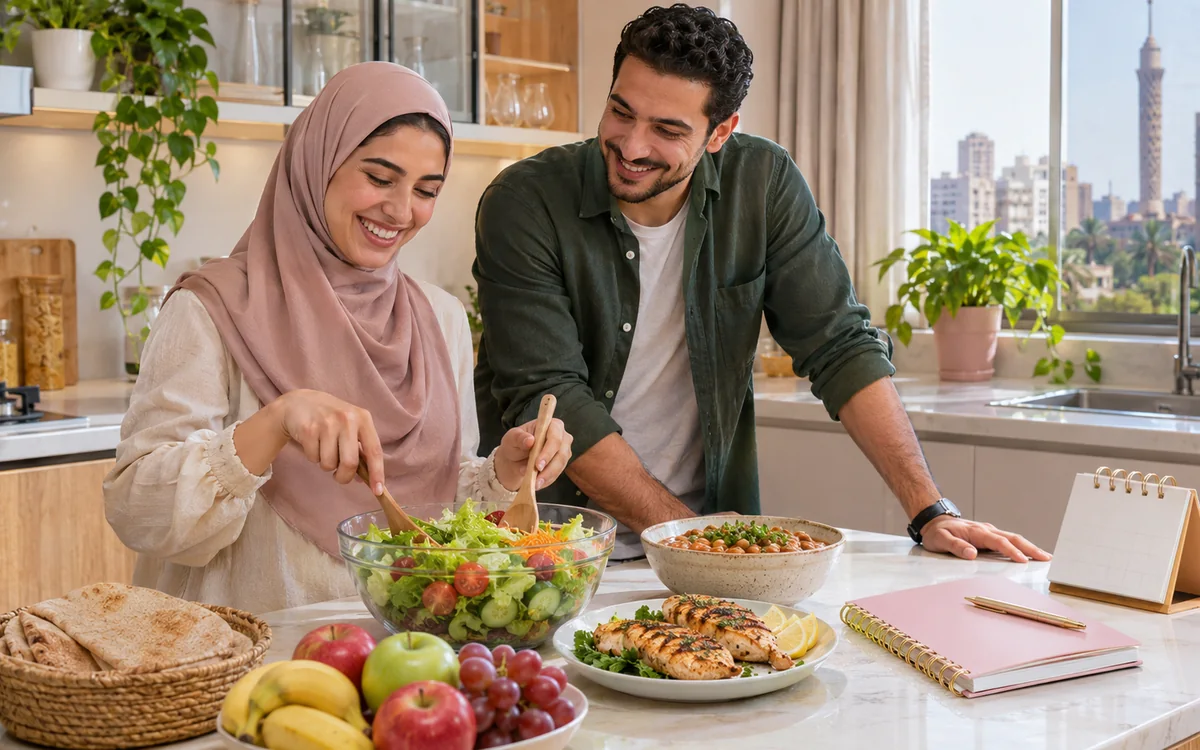
Pre-wedding diet plan for brides and grooms: the direct answer
If you are preparing for your wedding and looking for a healthy pre-wedding diet plan, the direct answer is that the safest, scientifically proven rate of weight loss is 0.5 to 1 kg per week, which translates to about 2 to 4 kg per month of true body fat rather than muscle or water [1, 2]. Any promise of losing 10 kg in two weeks or crash dieting based on severe restriction results in deep fatigue, facial dullness, hair shedding before the wedding day, and rapid rebound weight regain afterward [5, 6]. The clinical nutrition and weight-management team at La Rose Clinics helps brides and grooms build an individualized, balanced plan tailored to their wedding timeline, blood tests, and body composition, with consultations available at the Maadi branch and the Fifth Settlement branch at CMC Medical Mall, where you can book easily on WhatsApp [1, 2].
Preparing for your wedding does not mean starvation or chasing miraculous shortcuts; sensible preparation begins by assessing body composition and establishing realistic goals for the time remaining, whether you have 3 months or just 4 weeks [1, 5]. This guide explains how to structure your goals across the remaining weeks, what to eat daily using wholesome everyday Egyptian foods, why crash dieting damages your health and appearance, and how to avoid abdominal bloating before the wedding without unregulated pills or unproven herbs [2, 6]. If you have an event coming up very soon and want to understand the true limits of short-term weight reduction, read our guide on rapid weight loss before an event to learn the clinical facts without exaggeration.
Why crash diets backfire before a wedding
The pressure of wedding preparations and the desire to fit into a wedding dress or suit often lead people into the trap of fad diets or very low calorie regimens below 800 to 1000 kcal per day without medical supervision [6, 11]. Most of the rapid initial drop on the scale in these diets consists of water, glycogen, and precious muscle tissue rather than stored body fat; when the body experiences sudden starvation, it breaks down muscle protein to generate energy, which significantly reduces resting metabolic rate at the exact time when you need maximum vitality [8, 9]. Losing lean tissue leaves the body looking depleted and less toned rather than firm and healthy [8, 9]. Read our detailed article on protecting muscle while losing weight to understand how to safeguard muscle mass practically.
The harm extends far beyond body contour; severe calorie restriction creates sudden deficiencies in vital micronutrients such as iron, zinc, and B vitamins, leading directly to acute hair shedding, skin dryness, dullness, dark under-eye circles, and brittle nails right when brides and grooms want radiant skin and vibrant energy [6, 8]. Extreme restriction also triggers elevated cortisol and stress hormones, leading to mood swings, headaches, dizziness, and cognitive fatigue amidst hectic wedding planning [6, 8]. From a medical standpoint, rapid weight loss dramatically increases the risk of symptomatic gallstones due to rapid cholesterol mobilization into bile, as demonstrated in clinical trials comparing very low calorie diets with moderate approaches [6, 11]. Above all, as soon as the wedding ends and normal eating resumes, the body rapidly regains all lost weight and frequently more, driven by a suppressed metabolic rate and elevated appetite hormones [6, 8].
Timeline by remaining weeks: from 3 months out to the wedding day
Successful pre-wedding nutrition relies on dividing the remaining calendar into distinct phases, as each phase has specific physiological priorities [1, 2]:
1. With 3 months or more remaining (12+ weeks): This is the ideal window to begin. A safe, evidence-based rate allows for a realistic loss of 6 to 12 kg of true body fat without starvation, preserving muscle while increasing daily physical activity [1, 2, 8]. The focus here is creating a modest energy deficit of about 500 kcal per day, establishing consistent meal timing, and consuming adequate protein and dietary fiber to build sustainable habits that last into married life [3, 4, 7].
2. With 1 month remaining (4 weeks): The realistic and safe target is 2 to 4 kg of weight loss [2, 3]. During this stage, avoid radical diet shifts or crash restrictions; instead, stabilize your balanced eating routine, eliminate takeout meals and added sugars, and drink 2 to 3 liters of water daily to minimize fluid retention and support skin hydration [4, 7].
3. The last 2 weeks before the wedding: This is definitely not the time for dietary experiments or extreme calorie slashing. The priority shifts to digestive comfort and stable garment measurements [4, 6]. Begin curbing excess sodium from pickles, canned goods, processed snacks, and salty cheeses, because sodium retention causes subcutaneous water holding and abdominal puffiness [4, 7].
4. The final week: Prioritize 7 to 8 hours of restful sleep every night to keep stress hormones in check, distribute your water intake steadily across the day, and avoid heavy gas-producing beans, spicy foods, and fried dishes [4, 7].
5. The wedding day itself: One of the biggest mistakes couples make is skipping food completely due to anxiety or packed schedules. Start the day with a familiar, gentle breakfast combining lean protein and slow-digesting carbohydrates, such as boiled eggs with half a local baladi bread and sliced cucumber, accompanied by steady water sips to prevent blood sugar crashes, dizziness, or tremors during the event [1, 7].
A sample balanced day of meals using everyday Egyptian foods
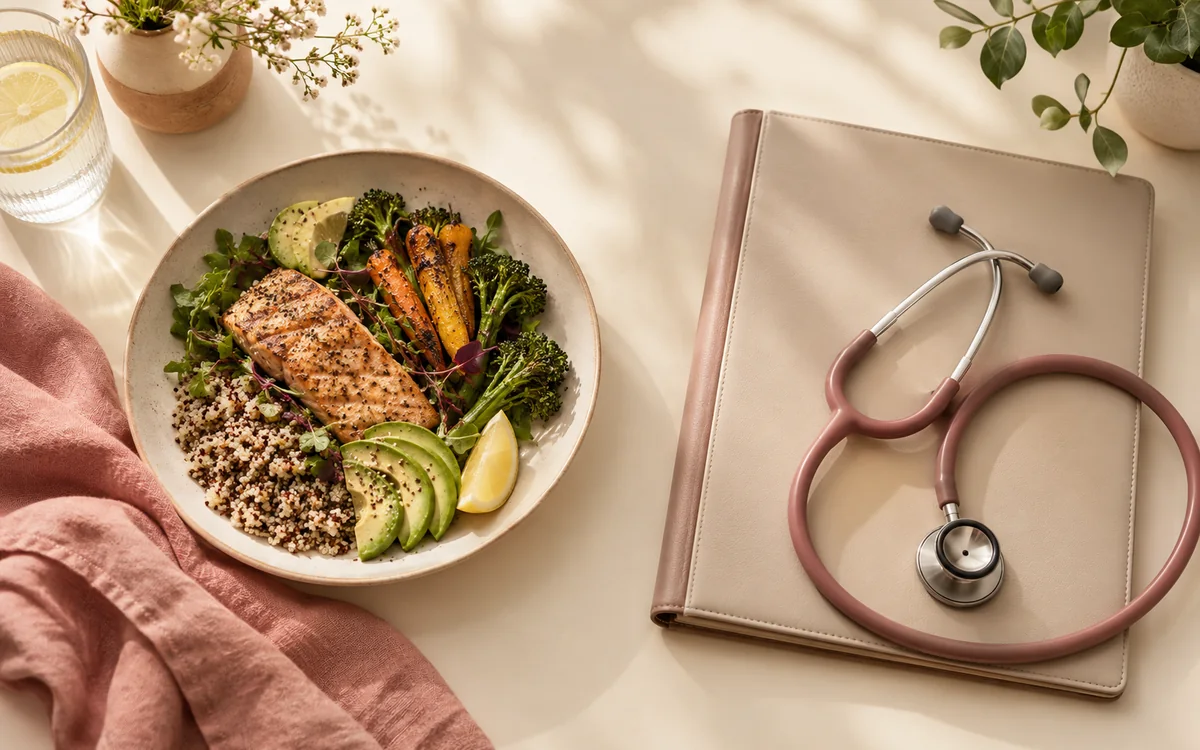
A healthy pre-wedding diet does not require exotic or expensive foods; everyday Egyptian cuisine offers outstanding, nutrient-dense ingredients when prepared correctly and portioned wisely [4, 7]:
- Breakfast: 4 to 5 tablespoons of homemade foul medames with one teaspoon of extra virgin olive oil, fresh lemon juice, and a pinch of cumin, accompanied by one boiled egg, half a round of whole-grain Egyptian baladi bread, and a plate of fresh greens (cucumber, arugula, and lettuce). This meal delivers high-quality protein and soluble fiber that stabilize blood sugar and maintain satiety for hours [1, 4, 7].
- First snack (mid-morning): One fresh fruit, such as a medium orange or apple, or 20 to 30 grams of raw unsalted nuts (almonds or peanuts), providing essential fatty acids and antioxidants for skin elasticity [4, 7]. For more practical ideas on the go, check our guide to healthy snacks for weight loss in Egypt.
- Lunch: Grilled or skinless baked chicken breast (about 150 grams) or a grilled local tilapia fish seasoned with lemon and herbs, paired with 4 to 6 tablespoons of plain cooked rice, a bowl of stewed green beans or courgettes in a light fresh tomato base, and a generous mixed colorful salad (cucumbers, tomatoes, carrots, parsley, and bell peppers) [3, 7].
- Second snack (afternoon): One cup of plain low-fat natural yoghurt dusted with a pinch of cinnamon or ground flaxseeds, supporting gut microbiome diversity and lowering digestive discomfort [4, 7].
- Dinner: 100 to 150 grams of fresh Egyptian cottage cheese (gebna areesh) mixed with one teaspoon of olive or flaxseed oil, diced tomatoes, cucumbers, and fresh mint, or a two-egg vegetable scramble, eaten with one quarter to one half of a baladi bread [1, 7].
Clinical nutritional guidelines emphasize that total daily energy should not dip below safe physiological baselines (generally around 1200 kcal for women and 1500 kcal for men) without direct clinical supervision, ensuring robust metabolic function while preventing weakness and fatigue [5, 6].
Wedding diet planning for grooms and brides: key physiological differences
Many engaged couples choose to diet together for mutual motivation, but applying the exact same meal sheet and calorie targets to both bride and groom is a frequent error that leads to frustration or physical burnout [2, 8]. Sex-specific physiological differences play a critical role in diet architecture; men generally possess larger lean muscle mass and higher basal metabolic rates, meaning the groom requires higher baseline calories and total protein even during energy restriction, and placing him on a bride's calorie target rapidly strips muscle and causes severe exhaustion [2, 9]. Furthermore, adipose distribution patterns differ: men tend to store excess weight viscerally around the midsection and abdomen, whereas women more frequently store subcutaneous fat around the hips and thighs, meaning tape measurement shifts and clothing fit progress differently than raw scale weight [2, 8].
Couples must also steer clear of the myth of "fat-burning drinks," detox herbal teas, or unlicensed slimming capsules advertised on social media before weddings. Rigorous systematic reviews and clinical trials confirm that no herbal compound, tea, or over-the-counter dietary supplement has proven efficacy in burning fat or accelerating metabolic rate meaningfully [4, 10]. Most commercial teas merely contain laxative or diuretic herbs that force temporary water loss, inducing dangerous dehydration, electrolyte disturbances, gastrointestinal cramping, and lethargy [6, 10]. True progress stems from controlled energy deficits and adequate protein, not unverified mixtures. Partner support thrives when both individuals respect their distinct nutritional targets while sharing healthy home cooking, brisk walking, and resistance workouts [2, 9].
The first clinical nutrition visit: InBody analysis and follow-up
A specialized clinical nutrition consultation before your wedding at La Rose begins with an exhaustive medical assessment rather than a generic printed meal plan. The clinical nutrition specialist conducts a comprehensive history review, screening for conditions that impact weight control such as insulin resistance, polycystic ovary syndrome (PCOS), hypothyroidism, or iron-deficiency anemia, alongside a full audit of current medications and supplements to ensure total safety [3, 5]. The consultation incorporates an advanced InBody body-composition analysis available directly on-site, measuring exact body fat mass and distribution, skeletal muscle weight, and intra- and extracellular water balance, clearly distinguishing true fat loss from fluid shifts or menstrual water retention [8, 12]. For complete preparation tips, read our first InBody test guide.
To maximize the value of your first visit, bring any lab results completed within the last 6 months, particularly a complete blood count (CBC), thyroid profile (TSH), fasting glucose or HbA1c, and lipid panel if available, along with a written list of any current prescriptions or supplements [3, 5]. Following the clinical evaluation, the clinician crafts a customized meal strategy tailored to your exact wedding countdown, daily schedule, and culinary preferences [3, 5]. Follow-up at La Rose is scheduled weekly or bi-weekly depending on individual needs, focusing not simply on numbers on a scale, but on verifying energy levels, tracking body measurements, ensuring digestive comfort, and adjusting macronutrient portions dynamically to keep you progressing smoothly without stress or extreme deprivation [1, 3].
Where to get assessed: La Rose branches and booking
La Rose Clinics provides clinical nutrition and weight-management services for brides and grooms across two primary locations in Cairo [1, 5]:
1. Maadi Branch: 14 El-Mokhtar Street, off El-Nasr Street, directly behind QNB Bank, New Maadi, Cairo. Clinic hours are Saturday, Monday, and Tuesday from 2 to 8 pm. The branch is conveniently close to central Maadi hubs: about 1.6 km from Maadi Grand Mall (5 minutes by car), 2.6 km from Degla Square (7 minutes), 3 km from Road 9 (8 minutes), 3.4 km from Maadi Metro Station in Old Maadi (8 minutes), and 7 km from Zahraa El Maadi (11 minutes), with street parking available in front of the building.
2. Fifth Settlement Branch: CMC Medical Mall, 4th floor, North 90th Street, behind the Air Force Specialized Hospital, Fifth Settlement, New Cairo. The nutrition clinic operates on Wednesdays from 3:30 to 8 pm. The branch easily serves New Cairo neighborhoods: approximately 5.2 km from Cairo Festival City (10 minutes by car), 5 km from El Yasmeen (10 minutes), 6.5 km from Al Narges (12 minutes), 6.9 km from El Banafseg (10 minutes), and 7.4 km from First Settlement (12 minutes).
Clinical nutrition, weight management, body contouring, and InBody analysis are fully available at both locations; internal medicine with Dr Mohab is located exclusively at Maadi, while DEXA scans and physiotherapy sessions are arranged externally at specialized diagnostic centers. If you experience alarming symptoms during any weight loss journey, such as fainting, severe persistent vertigo, chest pain, or intractable vomiting, seek immediate emergency medical care [5, 6]. To book or ask questions, call or message us on WhatsApp at 010 4066 1893 to reserve your appointment.
Read also: Book your consultation at La Rose