How to choose a filling snack
A snack may help with weight loss if you get very hungry between meals and then eat more than you planned. It does not make your body burn calories faster. Choose a snack with protein and fiber, and count its calories as part of your day. Eating small amounts throughout the day when you are not hungry can add calories you miss and slow weight loss [1, 2, 8]. Studies do not show that eating every two hours boosts your metabolism. Weight loss still depends on a modest calorie deficit over days and weeks [5, 8].
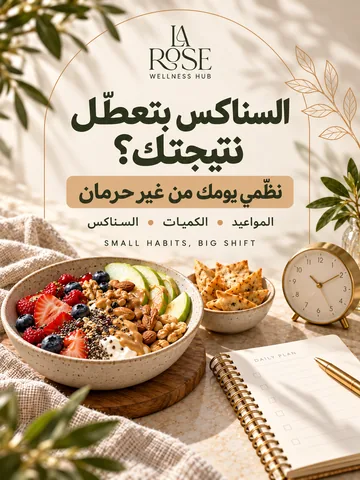
At La Rose, you can discuss nutrition and weight care at the New Maadi and Fifth Settlement branches, according to each branch’s services and current appointment times. If you want a plan that fits your work and home routine, Book your appointment to review it. This guide gives you 12 snack ideas from Egyptian kitchens and explains how to choose filling foods, watch calories in packaged diet foods, and handle hunger at work or late at night.
When a snack helps and when it adds calories
Prior to reaching for an in-between snack, it is vital to distinguish between two fundamentally distinct scenarios: when a snack serves as an effective nutritional bridge, and when it simply adds redundant calories that stall fat reduction [1, 2, 8]:
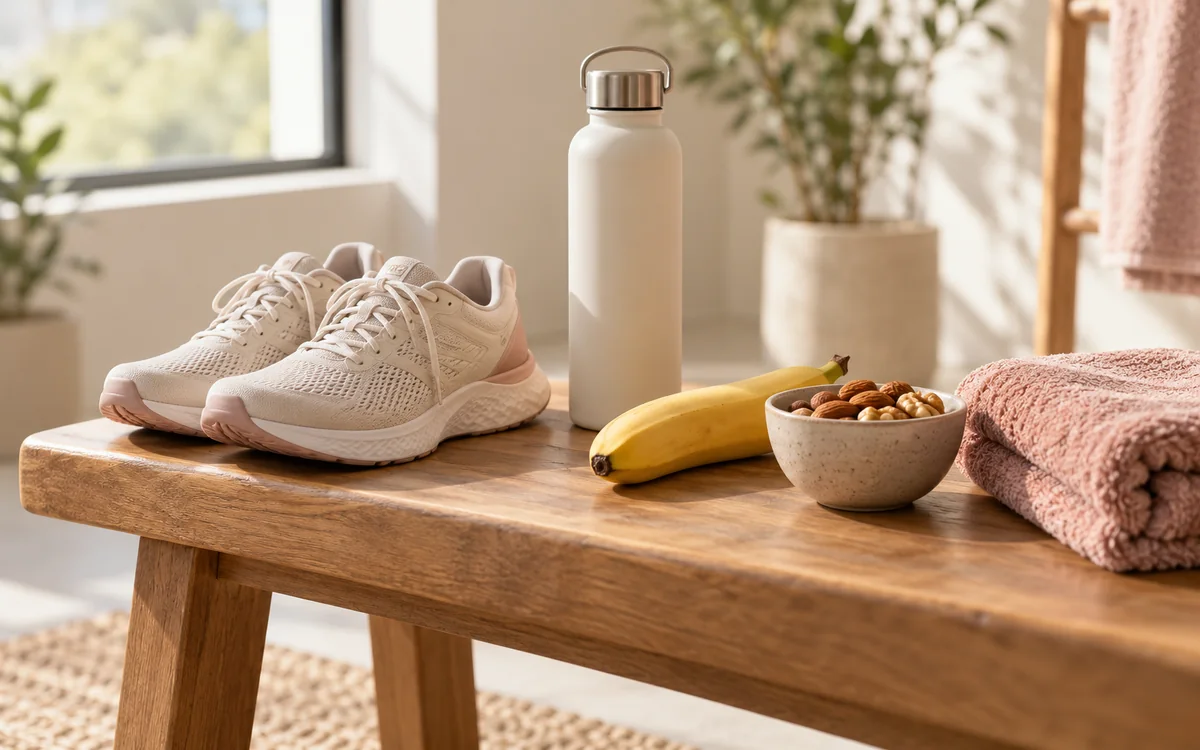
First: When Does a Snack Genuinely Help? 1. Extended Intervals Between Main Meals: When the time gap between breakfast and lunch, or lunch and dinner, exceeds five to six hours due to commute or workplace demands, a targeted protein-rich snack prevents debilitating fatigue and prevents extreme strong hunger later at the next meal [1, 2, 9]. 2. Athletic Conditioning and Exercise Recovery: Consuming a strategic small snack an hour before structured resistance or cardiovascular training supports workout capacity and muscle recovery after exercise [3, 5]. 3. Glycemic Stability and Medication Timing: For people managing borderline blood sugars or taking medications that need consistent carbohydrate distribution, planned snacks prevent unexpected dips [1, 7].
Second: When Does Snacking Impede Weight Loss? 1. Boredom, Habitual, and Emotional Grazing: Snacking in front of digital screens, driving, or unwinding from occupational stress without genuine physical hunger signals delivers extra calories you may not notice [2, 8]. 2. Continuous Grazing Patterns: Nibbling every thirty minutes keeps chronically elevated circulating insulin, which inhibits fat burning and pauses the mobilization of stored body fat [2, 5].
To determine the exact calorie deficit necessary for steady progress, consult our practical resource detailing how to calculate a calorie deficit to align snack selections with your daily energy budget [5, 8].
Why protein and fiber help you feel full
Why does a commercial bag of chips or diet crackers leave you hungry forty minutes later, whereas a small bowl of cottage cheese with cucumber sustains fullness for three hours? The biological answer lies in the simple reason you feel full: pairing complete protein with viscous fiber [3, 4, 11].
Dietary protein is the most potent macronutrient stimulus for signals that tell you you are full. Clinical investigations by Paddon-Jones and colleagues demonstrate that protein ingestion prompts strong secretion of gut hormones that signal fullness, notably peptide YY (PYY) and glucagon-like peptide-1 (GLP-1), while suppressing the hunger hormone ghrelin [11]. Furthermore, protein features the highest energy needed to digest food (TEF), requiring 20% to 30% of its caloric value simply for digestion and use [3, 11]. A randomized controlled trial by Ortinau and colleagues found that an afternoon yogurt snack higher in protein clearly improved appetite control, delayed next meal initiation, and naturally reduced caloric intake at dinner compared to with the same calories high-fat or high-carbohydrate snacks [9].
Concurrently, fiber slows how quickly food leaves the stomach rates, absorbs luminal water to physically distend the stomach, and activates stretch sensors that signal fullness to brain, all while smoothing after-meal glucose transitions [4, 7].
To explore localized, affordable protein staples, review our guide covering high-protein foods for weight loss across familiar Egyptian foods. A simple rule is never consuming isolated simple carbohydrates alone; always ensure every snack includes tangible protein or fiber from plants [2, 3, 4].
12 filling snack ideas from Egyptian kitchens
To translate clinical nutrition into daily Egyptian life without deprivation, here are 12 practical, filling snack options prepared with familiar household items, calibrated between 100 and 180 calories [1, 2, 8]:
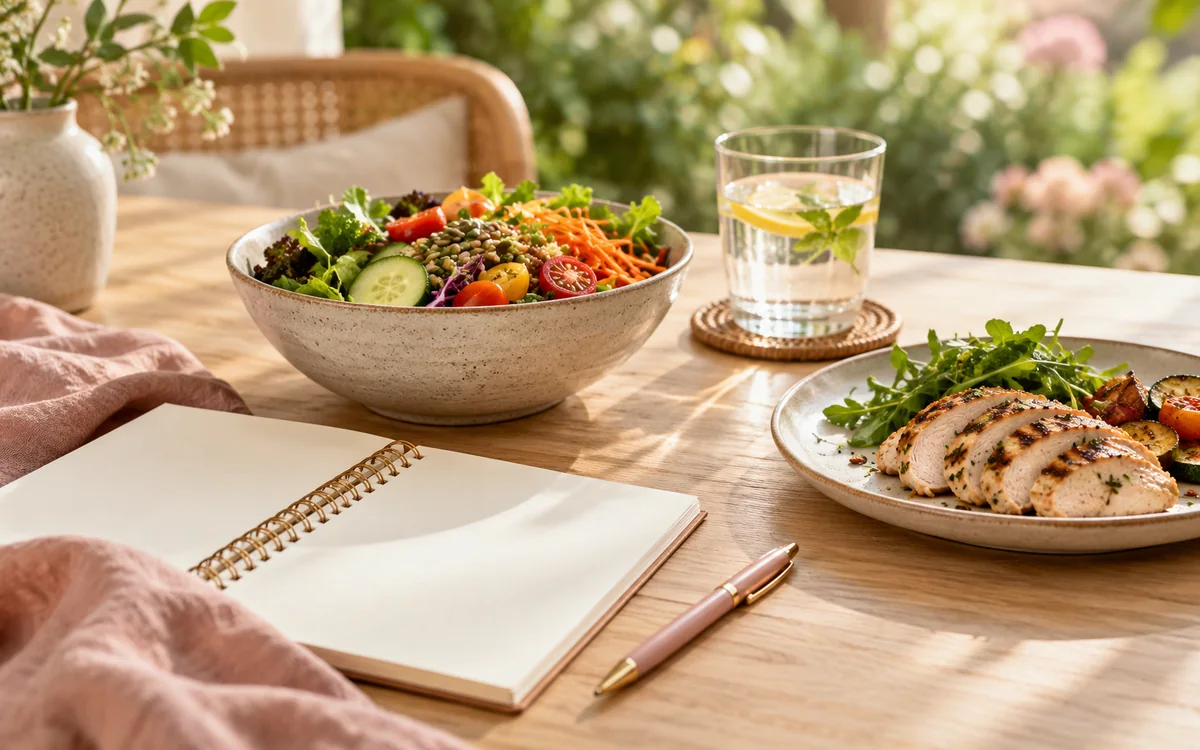
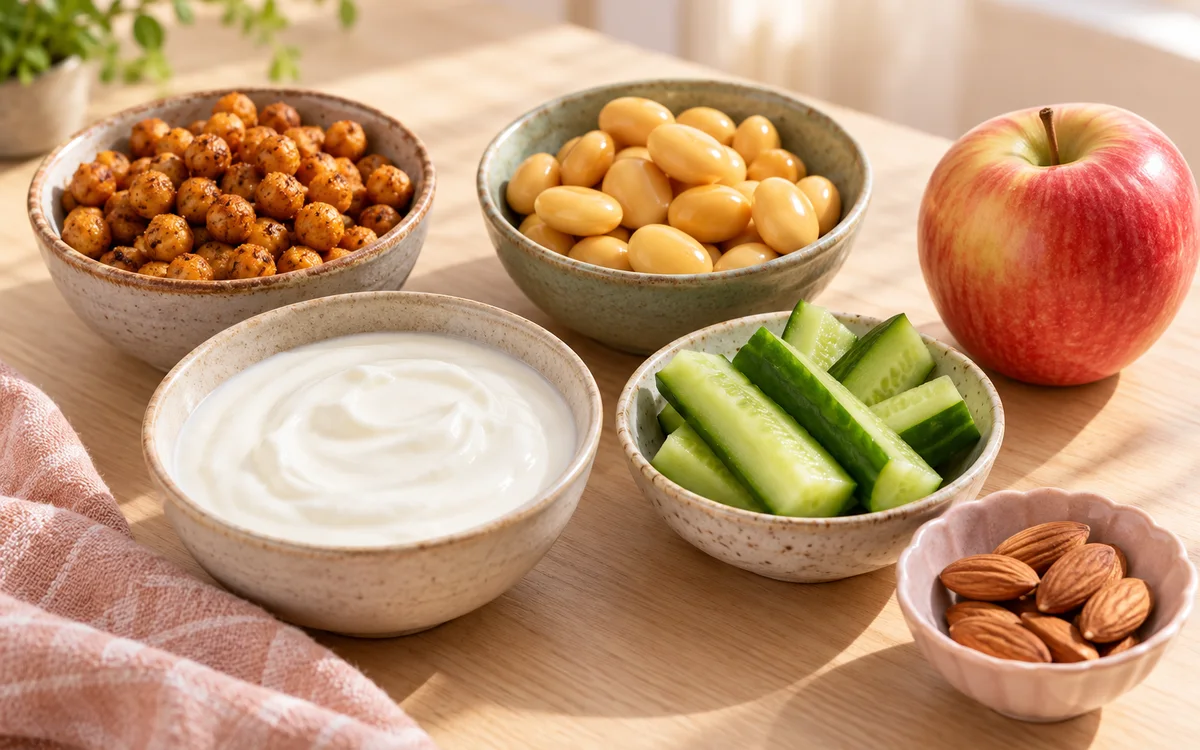
1. Plain Yogurt with Sliced Apple and Cinnamon: One cup of plain unsweetened Egyptian or Greek yogurt (120 to 150 grams) combined with one half of a diced apple and ground cinnamon; delivers intact whey protein and soluble pectin [4, 9]. 2. Fresh Cottage Cheese with Cucumbers and Thyme: A 100-gram serving of traditional gibna quraish mashed with sliced cucumbers, green bell pepper, dried wild thyme, and half a teaspoon of extra-virgin olive oil; supplies slow-digesting micellar casein [3, 8]. 3. Boiled Lupin Beans (Termes) with Cumin and Lemon: Three-quarters of a cup of boiled sweet lupin beans seasoned with lemon juice and cumin; an Egyptian plant staple packed with prebiotic fiber and amino acids [3, 4]. 4. Oven-Roasted Spiced Chickpeas: One-half cup of cooked chickpeas tossed with paprika, cumin, and sea salt, baked until crisp without heavy oil; provides an exceptional crunchy alternative to commercial fried crisps [3, 8]. 5. Hard-Boiled Eggs with Fresh Vegetables: One to two boiled eggs seasoned with black pepper, paired with two whole cucumbers or fresh tomato wedges; offers complete biological value protein [1, 3]. 6. Fresh Whole Fruit with a Handful of Raw Nuts: A medium fresh orange or guava paired with a measured closed fist of raw, unsalted almonds or peanuts (10 to 12 nuts); blends cellular fiber with cardioprotective monounsaturated fats [8, 13]. 7. Stovetop Whole-Grain Popcorn: Three generous cups of air-popped or light-oil stovetop popcorn; is a high-volume whole grain that expands gastric volume for barely 110 calories [2, 4]. 8. Raw Vegetable Crudités with Hummus: Crisp carrot sticks and cucumber spears dipped into two level tablespoons of tahini-lemon blended chickpea dip [2, 4]. 9. Whole-Wheat Toast with Light Labneh: One slice of 100% whole-grain toast spread with one tablespoon of reduced-fat labneh, garnished with fresh mint leaves and tomato slices [1, 4]. 10. Unsalted Roasted Sunflower or Pumpkin Seeds: Two measured tablespoons of unsalted hulled seeds (roughly 20 grams) accompanied by unsweetened herbal or green tea [8, 13]. 11. Green Rocket and Feta Bowl: A fresh bowl of arugula (girgeer), romaine lettuce, and radish tossed with two small cubes of low-fat white cheese and apple cider vinegar [2, 4]. 12. Blended Strawberry Yogurt Smoothie: Half a cup of plain yogurt blended with five fresh strawberries and cold water without added syrups or sucrose [4, 9].
If you enjoy preparing portable treats in advance for office work or children's lunch boxes, review our tested formulation for chocolate date and oat bars to prepare a clean, portion-calibrated alternative to commercial confectionery [2].
Watch portions of nuts and diet bars
Many people pursuing weight reduction in Egypt encounter baffling weight plateaus despite strict adherence to their breakfast and lunch menus. Meticulous dietary auditing frequently uncovers hidden snack traps marketed as healthy that deliver surprising caloric excesses [1, 2, 8]:
1. Unmeasured Nut Grazing: Raw almonds, walnuts, cashews, and peanuts provide heart-healthy unsaturated lipids and plant compounds called polyphenols, yet they are extraordinarily energy-dense; a large open handful easily delivers 300 to 400 calories. Mindlessly snacking directly from a bulk bag while driving or working obliterates a daily caloric deficit. Landmark research by Tan and Mattes published in the European Journal of Clinical Nutrition emphasizes that the metabolic benefits of tree nuts are maximized only when strictly confined to a single measured portion of roughly 28 grams (a small, closed fist) [13]. 2. Commercial Diet and Oat Biscuits: Packaged biscuits boldly labeled as digestive, diet, or fiber-rich routinely rely on refined vegetable fats and palm shortening to achieve shelf stability and crisp texture, complemented by hidden sugars such as maltodextrin and invert syrups. Three ordinary diet biscuits frequently match an entire loaf of baladi bread in caloric energy [1, 2, 8]. 3. High-Sugar Commercial Protein Bars: Numerous commercially marketed protein bars mimic confectionery candy, containing 15 to 20 grams of added simple sugars alongside synthetic sugar alcohols (polyols) that induce abdominal bloating, cramping, and flatulence without conferring satiety [2, 8]. 4. Liquid Calorie Traps: Freshly squeezed fruit juices, sweetened iced coffees, and blended dairy beverages deliver liquid carbohydrates that fail to stimulate natural mastication reflexes or gastric volume receptors, leaving patients famished an hour later [1, 7]. 5. Dried Fruit Concentrations: Commercially dried prunes, figs, and raisins concentrate simple sugars as moisture evaporates; consuming an unmonitored bowl delivers the carbohydrate equivalent of several full fruit servings at once [1, 2].
Snacks to take to work or university
Extended professional hours in corporate offices or busy university lecture schedules represent the most vulnerable environments for dietary adherence. Mid-afternoon hunger paired with an absence of pre-planned nourishment inevitably drives people toward food delivery apps, vending machine confections, or high-fat bakery pastries [1, 2].
The research-backed solution is proactive snack preparation: 1. The Evening Prep Habit: Allocate five minutes each evening to pack a dedicated, sealed container for your work bag. Stock it with rinsed raw vegetables, such as sliced cucumbers, sweet bell peppers, and carrot batons, alongside two hard-boiled eggs or a single cup of plain yogurt [2, 4]. 2. The Emergency Office Drawer: Maintain non-perishable, portion-controlled staples in your workplace locker or desk; excellent choices include an airtight jar of measured raw almonds or peanuts, a portion of roasted chickpeas or dry lupin beans, and unsweetened whole-grain crispbreads [1, 2]. 3. Navigating Workplace Celebrations: When colleagues distribute traditional Egyptian sweets, birthday cakes, or fast food, drink a large glass of water, eat your prepared high-protein snack first, and politely decline or take a minimal tasting portion to prevent after-meal reactive lethargy and sugar crashes [2, 8]. 4. Continuous Hydration: Neuroendocrine thirst signals frequently masquerade as acute sugar cravings. Maintain a personal water bottle at your workstation, sipping regularly throughout working hours to sustain cognitive focus and metabolic comfort [1, 5].
What to eat if you get hungry at night
Late-night snacking in front of television screens is a frequent behavioral hurdle for people pursuing fat reduction. A thorough review by Kinsey and Ormsbee published in Nutrients regarding the chronobiological health impacts of nighttime eating found that large, high-carbohydrate meals eatd immediately before recumbency exacerbate visceral adipogenesis, impair insulin sensitivity, and disrupt sleep architecture through nocturnal acid reflux [10].
Managing evening hunger needs a systematic clinical protocol: 1. Differentiating True Hunger from Dehydration and Fatigue: When evening cravings arise, drink a full glass of water or a warm cup of unsweetened herbal tea such as chamomile or peppermint, waiting fifteen minutes; cravings frequently dissipate once the nervous system unwinds [1, 10]. 2. Auditing Dinner Composition: If your dinner consisted of isolated carbohydrates or fruit without substantial protein, rapid how quickly food leaves the stomach will inevitably trigger nocturnal hunger pangs. Re-engineering your evening meal with lean protein and high-volume vegetables, as detailed in our guide to a low calorie Egyptian dinner, ensures sustained satiety through the night [5, 8]. 3. The Clinically Sound Late-Night Snack: If real hunger persists and prevents sleep, select a small portion of slow-release protein, such as half a cup of cottage cheese with sliced cucumber, a small cup of warm skimmed milk, or a single hard-boiled egg. These options deliver tryptophan, an amino acid precursor to melatonin and serotonin, promoting restful sleep without inducing hyperblood sugar rises [10, 11].
To see how balanced snacks integrate into a structured daily schedule, explore our thorough 7-day diet plan for weight loss using familiar Egyptian meals for sustainable, non-restrictive progress [5, 8].
Nutrition care at La Rose
At La Rose Clinics, research-backed snacking and clinical nutrition principles are tailored into a personalized lifestyle plan fitted to your work schedule, medications, laboratory markers, and daily habits, steering clear of rigid, unsustainable crash diets. A specialized clinical nutrition consultation begins with an in-depth review of your medical history, typical meal timings, vulnerable craving hours, and daily physical activity [5, 8].
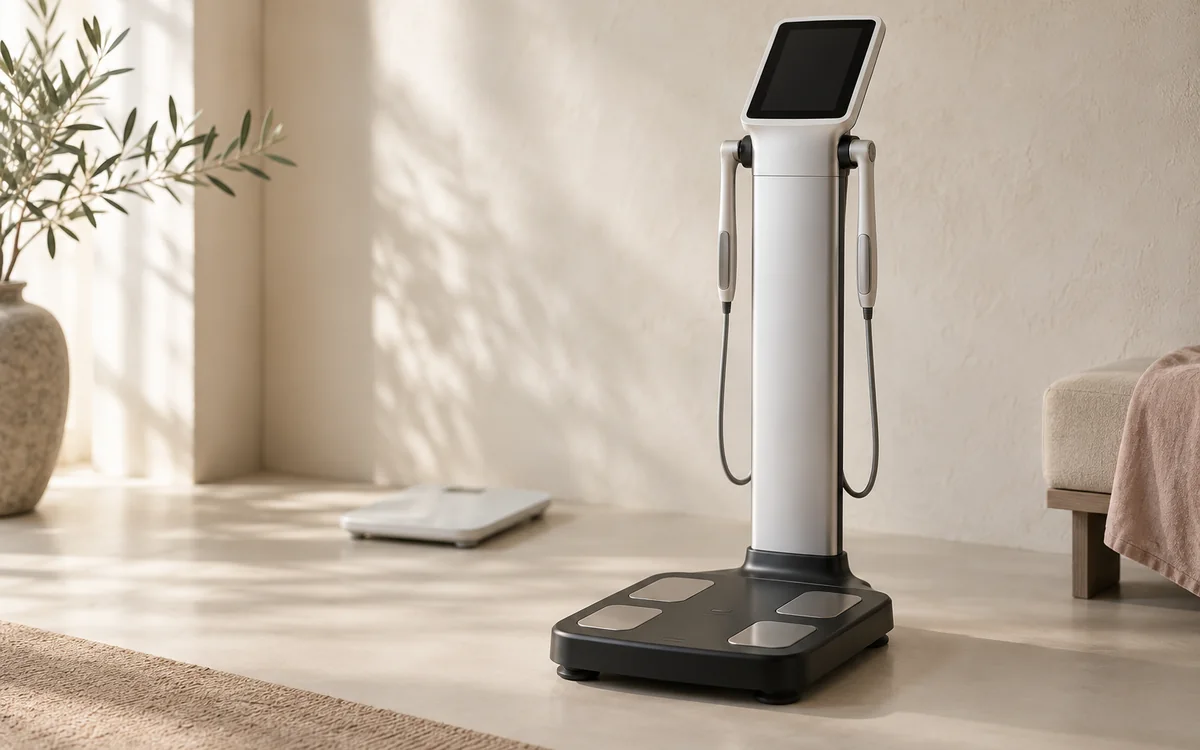
Our medical team outlines manageable, specific modifications, including selecting the most filling snack combinations for your natural profile, distributing carbohydrates strategically across the day, and identifying accessible household choices that fit your budget. Specialized bioelectrical impedance body composition analysis provides helpful guideposts to monitor lean muscle mass and fat reduction, yet clinical medical evaluation remains the primary foundation of safe progress [5, 8].
Clinical nutrition and weight-management services are available across both La Rose locations: 1. New Maadi Branch: 14 El-Mokhtar St, off El-Nasr St, behind QNB Bank, New Maadi. 2. Fifth Settlement Branch: CMC Medical Mall, 4th floor, North 90th Street, behind the Air Force Specialized Hospital.
Bring any recent laboratory investigations and your complete medication list to your appointment, and discuss what works practically for your daily routine. Clinic schedules are confirmed upon scheduling; you can call or send a WhatsApp message to 010 4066 1893 to coordinate your visit and embark on a medically supervised, sustainable weight management journey.