Online dietitian in Egypt: can remote follow-up really help?
Yes. Online nutrition follow-up can be practical if you live outside Cairo, are based abroad, travel often, or cannot fit repeated clinic visits into your day. Its value is not a diet sheet sent by message. It comes from a real assessment, a clear goal, a plan that fits your health and food, and regular reviews that adapt the plan to your response. Reviews of remotely delivered nutrition programs have found improvements in parts of diet quality and some measurements, but the size and certainty of benefit vary, and no outcome is guaranteed for every person [1, 3, 4].\n\nIf you search for the “best online dietitian,” better questions are: who is qualified for my needs? Will they review conditions, medicines, and tests? Is follow-up and response time clear? Do they have a route to direct examination when remote information is not enough? The World Health Organization describes telemedicine as a useful complement to face-to-face care, not a complete replacement, and emphasizes qualified providers and protection of health information [2].\n\nThis guide helps you assess the service step by step: who it suits, what should happen in the first session, how to monitor from home, and when a clinic visit or another specialty is needed. The aim is reviewable care, not a fast promise or one menu sent to everyone [5, 6].
Who suits online diet follow-up, and who needs a different route?
Online follow-up suits many people who want to improve eating patterns, manage weight gain or loss in an organized way, arrange food around work and travel, or support a sports goal without repeatedly disrupting their day. It can also support someone with a diet-related chronic condition when the diagnosis is known, the treating clinician agrees, and coordination is clear. Research on dietitian-led interventions and real-time video counseling supports the potential value of personal contact and structured follow-up, but quality comes from assessment, personalization, and continuity, not from the word “online” alone [5, 6, 7].\n\nIn other situations, the first remote contact may appropriately lead to an in-person assessment. Examples include unintentional weight loss, dizziness or fainting, repeated vomiting, persistent pain, swelling, unstable glucose symptoms, marked weakness, or concern about an eating disorder. Pregnancy, child nutrition, advanced kidney or liver disease, and multiple medicines do not automatically prevent an online conversation, but they require the right professional, coordination with the treating clinician, and sometimes examination, measurements, or tests before a plan is written [8, 12].\n\nOnline nutrition is also not a shortcut to a medicine or dose change without medical assessment. A nutrition professional can review eating patterns, educate, and suggest changes within their scope, while diagnosis, prescribing, and decisions to start or stop medicine are separate medical responsibilities. If your goal involves weight-management medicine, read our guide to eating with Mounjaro and Wegovy as supporting information, and do not start, stop, or change treatment yourself [2, 12].
What should happen in the first online nutrition consultation?
A good consultation starts with more questions than instructions. The professional asks about your goal and why it matters now, weight trend, height and available measurements, a usual day of eating, work and sleep times, movement and exercise, hunger and fullness, eating away from home, allergies, foods you enjoy, and choices that do not fit your culture or budget. They should also know about conditions, operations, current symptoms, medicines and supplements, previous diets, and what helped or stopped you. The US NIDDK includes review of health habits, medical problems, and medicines among the foundations of assessment before a weight-management program [9].\n\nThe next step is a goal that can be reviewed, not merely a final number. It may involve organizing breakfast, adding suitable vegetables or protein, reducing unplanned night eating, improving training energy, or a gradual change in weight and waist. A useful plan explains choices, swaps, portions, workdays, and social meals; it need not be a rigid list. Evidence for technology-delivered personalized nutrition suggests possible benefits, but certainty is not high for every outcome, so the plan must be reviewed against real life rather than treated as a guaranteed prescription [3, 4].\n\nBefore the session, prepare a medicine and supplement list, recent test results if available, an average weight from the same scale, a waist measurement if you can take it correctly, and a two- or three-day food record that includes a day off. Do not order new tests yourself; the professional or treating clinician selects them from your history and symptoms. Bring a clear aim: learning sustainable choices, not receiving a menu and disappearing [5, 9].
How does follow-up work, and how often should the plan change?
There is no single follow-up schedule for everyone. Closer contact at the beginning may help solve practical problems quickly; once routines settle, the interval can change with the goal and condition. Before starting, ask whether sessions use video or voice, who replies between appointments, the expected response window, what is reviewed each time, and when the plan is adjusted. A randomized trial comparing telenutrition methods found that synchronous counseling, with added follow-up components in one protocol, improved eating practices during the study period [10].\n\nFollow-up is not only a weight reading. Review trends over weeks: meal regularity, hunger and fullness, diet quality, activity, sleep, digestive symptoms, energy, sports performance, waist, and measurements or tests connected to a medical goal when the treating clinician requests them. Weigh under similar conditions on the same scale instead of chasing a one-day difference. If weight is unchanged while behavior, a measurement, or a relevant test improves, that belongs in the review. Digital studies show modest and variable results, and long-term behavior change is not always certain [4, 11].\n\nThe plan changes when the information shows a need: severe hunger, difficulty following it, symptoms, a new work or travel pattern, a new training load, a long plateau after adherence is reviewed, or a treatment change. Adjustment is not punishment and does not mean cutting food every time. A good professional explains the reason, chooses one testable step, and agrees with you on the marker to review next [1, 5].
When is a home scale enough, and when do you need InBody or a clinic visit?
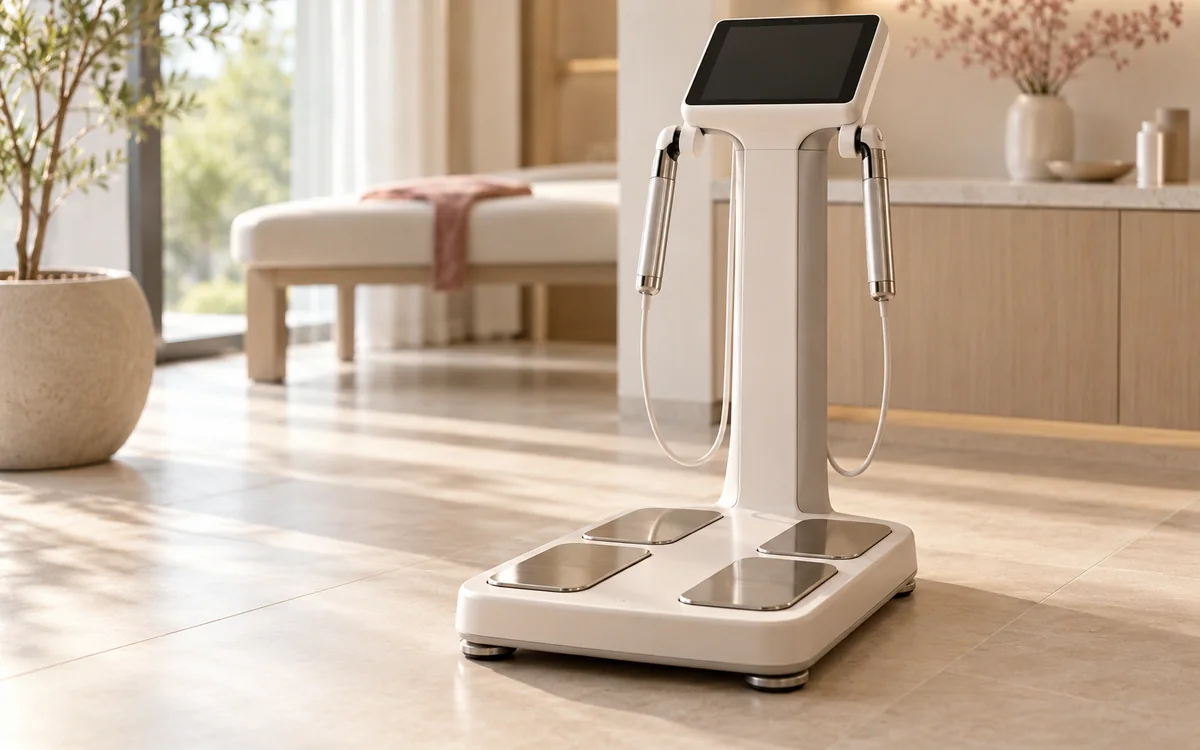
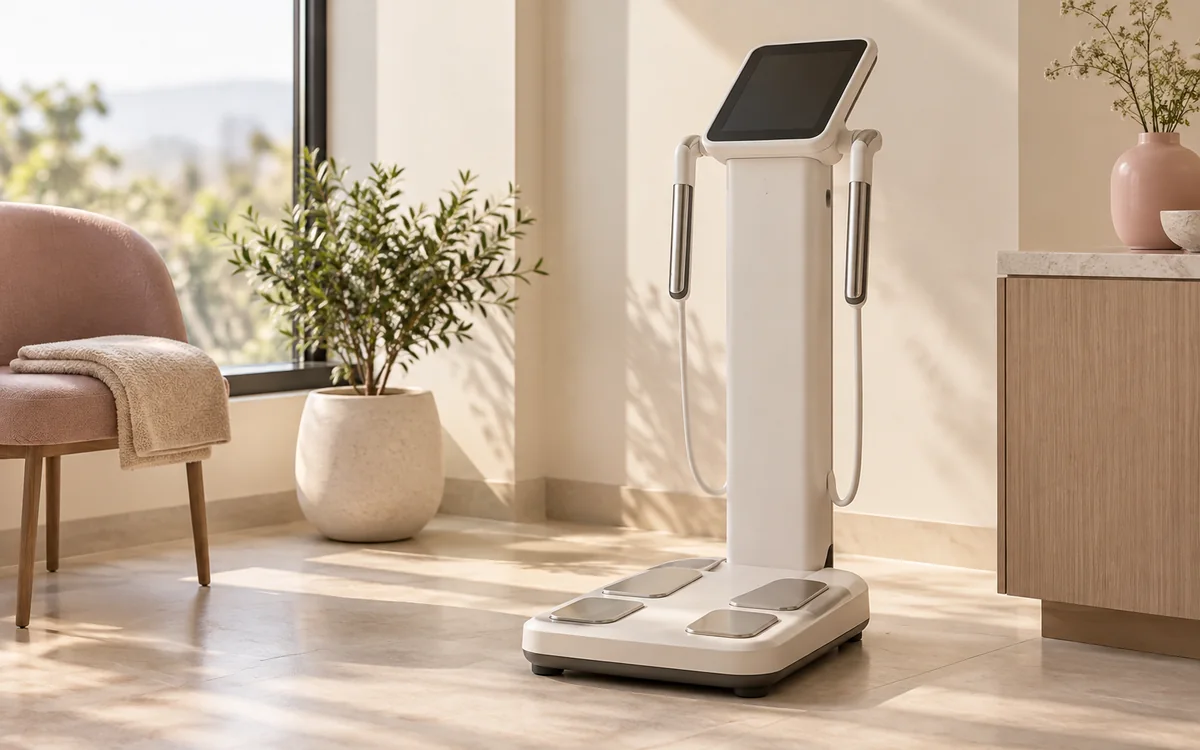
A home scale, waist measurement, and meal photographs can provide useful trends when the method stays consistent. They do not perform a medical examination, identify the cause of weight change, or show by themselves whether a change is fat, fluid, or muscle. If your goal is athletic, weight has changed substantially, low muscle mass is a concern, or the decision needs body-composition information, an in-clinic InBody measurement may add context, with the understanding that hydration, food, exercise, and timing affect the result [5, 9].\n\nFor a fairer comparison, read how to prepare for InBody for more reliable follow-up before the appointment. Repeat measurements under similar conditions and do not interpret one number away from weight, waist, symptoms, and performance. The device is not a stand-alone diagnosis, and it is not required for every person at every visit. A measurement should answer a useful question and influence follow-up, rather than create another page of numbers [3, 5].\n\nDirect assessment becomes more important when the professional needs blood pressure or pulse, an abdominal or swelling examination, a dehydration assessment, review of malnutrition signs, or confirmation of unreliable home measurements. Tests are selected for the individual; there is no fixed “diet test package” for everyone. You can use the nutrition clinic in Maadi or the nutrition clinic in Fifth Settlement if the team directs you to an in-person visit, while keeping part of follow-up online when appropriate [2, 12].
How do you choose a good online nutrition professional?
Start with qualifications and scope, not follower count. Ask for the full name, core qualification, nutrition training, and the kinds of cases the person manages. Confirm who conducts the session and who answers messages. If you have a condition or use medicines, the service should know when to coordinate with your clinician or refer to another specialty. Evidence for dietitian-led interventions supports individualized nutrition care, but it does not make everyone using the title “nutrition coach” equally qualified for the same cases [5, 6].\n\nAssess the process itself. Is a health history taken before a plan is written? Does the professional ask about your real food and circumstances? Are goals and actions documented? Are review appointments and adjustment criteria clear? Do you know how to report a symptom? Is direct assessment available when needed? Platform ratings can describe experiences with timing and communication, but they do not independently prove the quality of a clinical decision or whether a plan fits you [7, 9].\n\nA coach may help a healthy person with organization and motivation within their training, and an app may record food and send reminders. Neither replaces a qualified professional when diagnosis, medicine, complex chronic disease, symptoms, pregnancy, a child, or a possible eating disorder is involved. Ask who reviewed an app's rules and what happens when data are missing or advice is unsuitable. Technology is a tool, not the clinical decision-maker [2, 11, 12].
Service red flags and symptoms that need urgent care
Avoid a service that guarantees a fixed number of kilograms, promises loss from one body area, removes whole food groups without a clear reason, or sells a secret mixture, pill, or injection without a name and prescription. Be cautious if a plan arrives before anyone asks about health and medicines, every answer is copied, there is no follow-up, or every symptom is described as “toxins leaving.” NIDDK advises that a responsible weight program includes healthy eating, suitable activity, behavioral support, and maintenance planning, and warns against exaggerated promises [9].\n\nSome signs need specialist assessment rather than an ordinary diet: severe restriction, overwhelming fear of weight gain, binge episodes, self-induced vomiting, laxative or diet-pill misuse, compulsive exercise, rapid or unintentional loss, dizziness, palpitations, or fainting. NICE guidance explains that suspected eating disorders require physical and mental health assessment and appropriate referral, and that BMI alone should not determine access to treatment [12].\n\nIf you have chest pain, trouble breathing, fainting, marked confusion, continuing vomiting that prevents fluid intake, severe dehydration, strong persistent abdominal pain, or severe low-glucose symptoms, do not wait for an online nutrition session; seek urgent care according to severity. If a new symptom appears after a medicine, contact the prescriber or emergency care as appropriate, and do not stop or alter the dose yourself [2, 12].
Privacy, preparation, and cost: questions to ask before starting
Before sending test results, photographs, or sensitive details, ask where the information goes, who can see it, how long it is stored, and whether the session is recorded. Use a quiet place, a stable connection, and headphones when privacy matters, and hide notifications that could expose your information. The World Health Organization emphasizes privacy and security of patient information as core conditions for digital health services [2].\n\nAlso ask about communication boundaries. Are messages monitored for emergencies? Who replies and when? Are there regular video sessions, or only messages? What is included: an initial assessment, written plan, swaps, reviews, adjustments, education, or only an app? An all-day messaging channel does not mean continuous medical assessment. Agree on what happens if the connection fails, you travel, or you need a direct examination [1, 10].\n\nFor cost, ask on WhatsApp and the team will tell you the cost before you book. Request a clear explanation of the follow-up period, number of sessions, adjustment process, and inclusions so that you compare services on the same basis. The cheapest or most expensive option is not proof of quality; what matters is a clear qualification, enough assessment, a suitable plan, measurable follow-up, and a safe referral route [6, 9].
How do you start online nutrition follow-up from Egypt or abroad?
Start with a short message stating your country of residence, time difference, goal, age, and whether you have diagnoses, medicines, or symptoms that need review. The medical team at La Rose decides whether an online start is suitable and what information is required before the consultation. This article is written by Thoria Al Alfy as a sports-nutrition and diet content contributor, but she is not a branch clinician who can be booked; consultations and follow-up are with the medical team at La Rose.\n\nPrepare an available scale if you have one, a tape measure, a medicine and supplement list, and recent tests related to your condition. Choose a quiet place and agree on the communication method and review schedule. If assessment shows that you need an examination, InBody, blood pressure measurement, a selected test, or another specialty, the team explains the next step instead of continuing remotely with insufficient information. This follows the principle that digital care complements rather than removes direct assessment [2, 9].\n\nFor non-urgent needs, message 010 4066 1893 on WhatsApp and ask about the program and cost before booking, or Book a consultation with the medical team. If you are in Cairo and need direct assessment, the Maadi and Fifth Settlement branches are available according to service and appointment. If you have an urgent warning sign, do not wait for a WhatsApp response or nutrition appointment; seek appropriate urgent care [2, 12].