Where to find a trusted nutrition clinic in Fifth Settlement
If you are looking for a trusted clinical nutrition clinic in Fifth Settlement to begin a healthy weight-loss journey or optimize your metabolic wellbeing, the La Rose Fifth Settlement branch offers an evidence-based medical setting in the heart of New Cairo. The clinic is located in CMC Medical Mall on the 4th floor, North 90th Street, directly behind the Air Force Specialized Hospital, and is led by Dr. Shimaa Fouad, a physician, specialist in clinical and therapeutic nutrition, and member of the European Society for Clinical Nutrition and Metabolism (ESPEN). Your medical consultation includes a comprehensive InBody body-composition scan, baseline body-contouring measurements, and a thorough review of your medical history, laboratory tests, and medications to build an individualized management plan [1, 2].
The true goal of medical nutrition is never handing out generic meal sheets or enforcing arbitrary starvation; it treats your body and metabolism as an integrated system [2, 6]. Whether you struggle with stubborn weight plateaus, insulin resistance, hypothyroidism, or the need to preserve lean muscle while losing fat, structured clinical evaluation provides the only safe starting point [1, 4, 8]. In this comprehensive guide, we explain who needs clinical nutrition, the critical difference between a physician nutritionist and a non-medical dietitian, how to balance nutrition with demanding New Cairo work schedules, what happens during your consultation, and how to choose the right clinical team for your care [2, 3, 7].
Who clinical nutrition is for, and who it is not for
A clinical nutrition consultation is far more than a cosmetic fix for losing weight before an upcoming social event; it represents an evidence-based diagnostic and therapeutic intervention for specific metabolic conditions [1, 2, 6]. This care is specifically designed for adults with overweight or obesity who require a sustainable, safe medical pathway rather than punishing crash diets that inevitably trigger rapid weight regain [2, 10, 11]. It is equally essential for patients managing metabolic disorders, such as insulin resistance, prediabetes, type 2 diabetes, dyslipidemia (elevated triglycerides and LDL cholesterol), hypertension, and metabolic dysfunction-associated steatotic liver disease [2, 6, 8]. Women experiencing polycystic ovary syndrome (PCOS) or hypothyroidism gain immense benefit from targeted endocrine-aligned nutrition, as do individuals who have lost lean muscle through unmonitored dieting and need to restore body composition balance [4, 5]. To understand how clinical assessment differs from simple calculations, you can read our guide on how obesity care goes beyond BMI [1, 6] to explore modern international diagnostic criteria.
Conversely, clinical nutrition consultations are not intended for acute medical conditions that demand immediate specialist or hospital interventions [2, 11, 12]. If you experience rapid, unexplained weight loss without dieting, intractable vomiting, severe abdominal pain, or black stools, these represent critical red flags requiring prompt emergency or gastroenterology evaluation to rule out malabsorption or hidden organic pathology [11, 12]. Similarly, individuals with active, severe eating disorders such as anorexia nervosa require specialized multi-disciplinary psychiatric and inpatient medical stabilization before routine outpatient dietary plans can be initiated [2]. Finally, our clinical practice is not suitable for individuals seeking unregulated fat-burning pills or counterfeit injections promoted online, as licensed medical ethics strictly reject unproven commercial shortcuts to protect organ safety [9, 10, 11].
Doctor vs dietitian: why medical training matters for metabolic health
Many people in Egypt confuse the terms “nutrition doctor” and “dietitian,” assuming both professionals provide identical services [2, 6]. In clinical reality, the fundamental distinction lies in physician training and the clinical capacity to connect nutrition directly with complex internal medicine disorders [2, 6, 8]. A physician nutritionist is a medical doctor who completed undergraduate medical education, clinical rotations, and extensive coursework in physiology, pathology, and clinical pharmacology before pursuing specialized clinical nutrition and obesity credentials [2, 6]. This enables the physician to assess how blood pressure agents, anti-hyperglycemic medications, or corticosteroids influence metabolism, while ordering and interpreting diagnostic lab panels including HbA1c, liver enzymes, renal function, and thyroid hormones [2, 8].
In contrast, non-physician dietitians or nutritionists (often graduates of science or home economics faculties) focus on meal planning, caloric counting, and educational coaching around food choices. However, non-physicians are neither licensed nor clinically trained to perform medical examinations, diagnose underlying endocrine disease, evaluate pharmaceutical drug interactions, or manage organ-level complications of obesity [2, 6]. When you consult a medical specialist, obesity is recognized and managed as a chronic, complex medical disease rather than an isolated matter of discipline or portion size [2, 6, 11]. The physician evaluates visceral adipose tissue risk affecting the liver and cardiovascular system, prioritizing muscle preservation; this is the primary reason we rely on muscle assessment in nutrition care [4, 5] as a cornerstone to protect metabolic rate over the long term and prevent rebound weight gain [4, 5, 7].
Medical nutrition for busy New Cairo schedules: practical success and what to bring
Daily life across Fifth Settlement and New Cairo presents distinct challenges for anyone attempting to establish a healthy nutrition routine [3, 10, 11]. Demanding executive hours, heavy commutes along North and South 90th Streets, frequent business lunches, and frequent restaurant dining in commercial malls quickly derail rigid, unrealistic diets [3, 10]. A successful clinical nutrition plan in this setting does not demand hours of complicated cooking every single day; instead, it teaches you how to navigate restaurant menus strategically, incorporate convenient protein-rich workplace snacks, and sustain mental energy without glycemic crashes [3, 4, 10]. For this reason, our Fifth Settlement clinic runs on Wednesday evenings from 3:30 to 8 pm, allowing professionals and residents to attend after business hours without disrupting their weekly schedule [3].
To maximize the clinical value of your initial consultation, systematic preparation ensures thorough and focused care [2, 3, 7]. First, bring copies of any blood tests or ultrasound scans completed over the preceding 3 to 6 months, particularly fasting blood sugar, HbA1c, lipid profiles, liver enzymes, renal function, and thyroid panels [2, 8]. Second, compile an accurate inventory of all prescription medications, over-the-counter drugs, and dietary supplements with their dosages, allowing your doctor to examine metabolic side effects [2, 9]. Third, keep a simple 2- to 3-day food log noting your typical meal times, portion sizes, and hunger peaks, and wear lightweight clothing to ensure your InBody scan is accurate [4, 7, 10]. To organize your records and make the most of every minute during your visit, check our first therapeutic nutrition visit guide [2, 3] before your appointment.
What happens during the nutrition consultation at La Rose Fifth Settlement
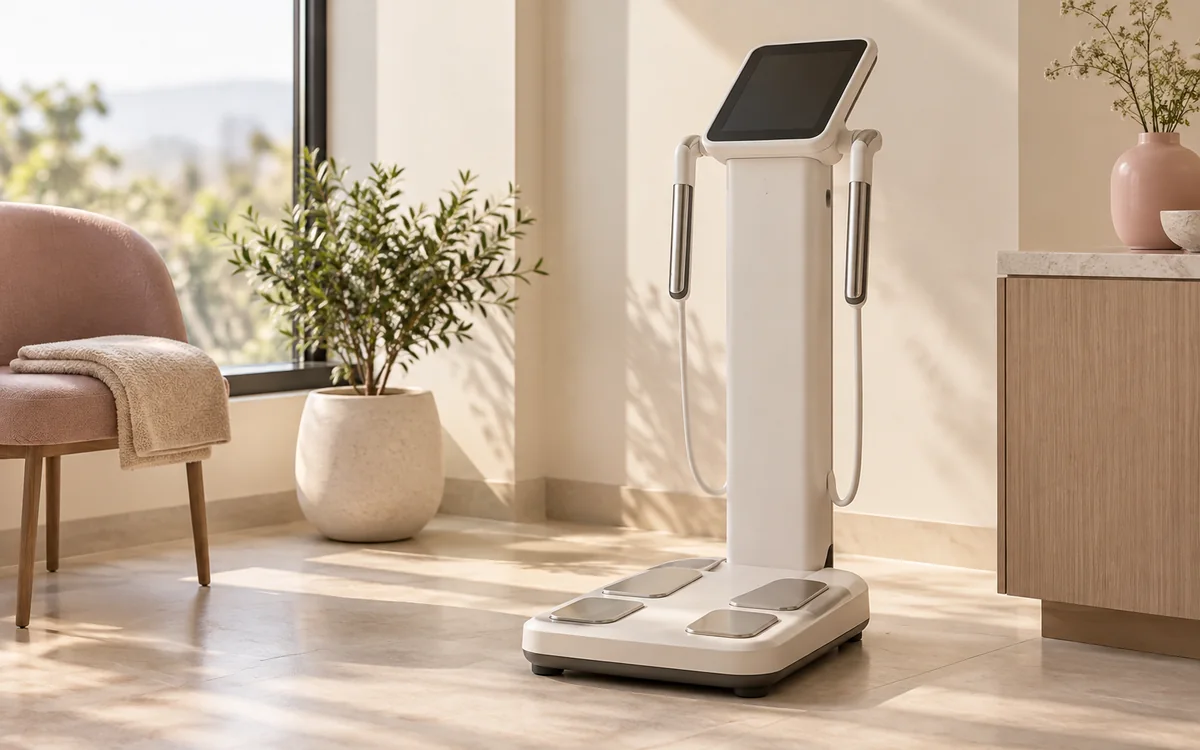
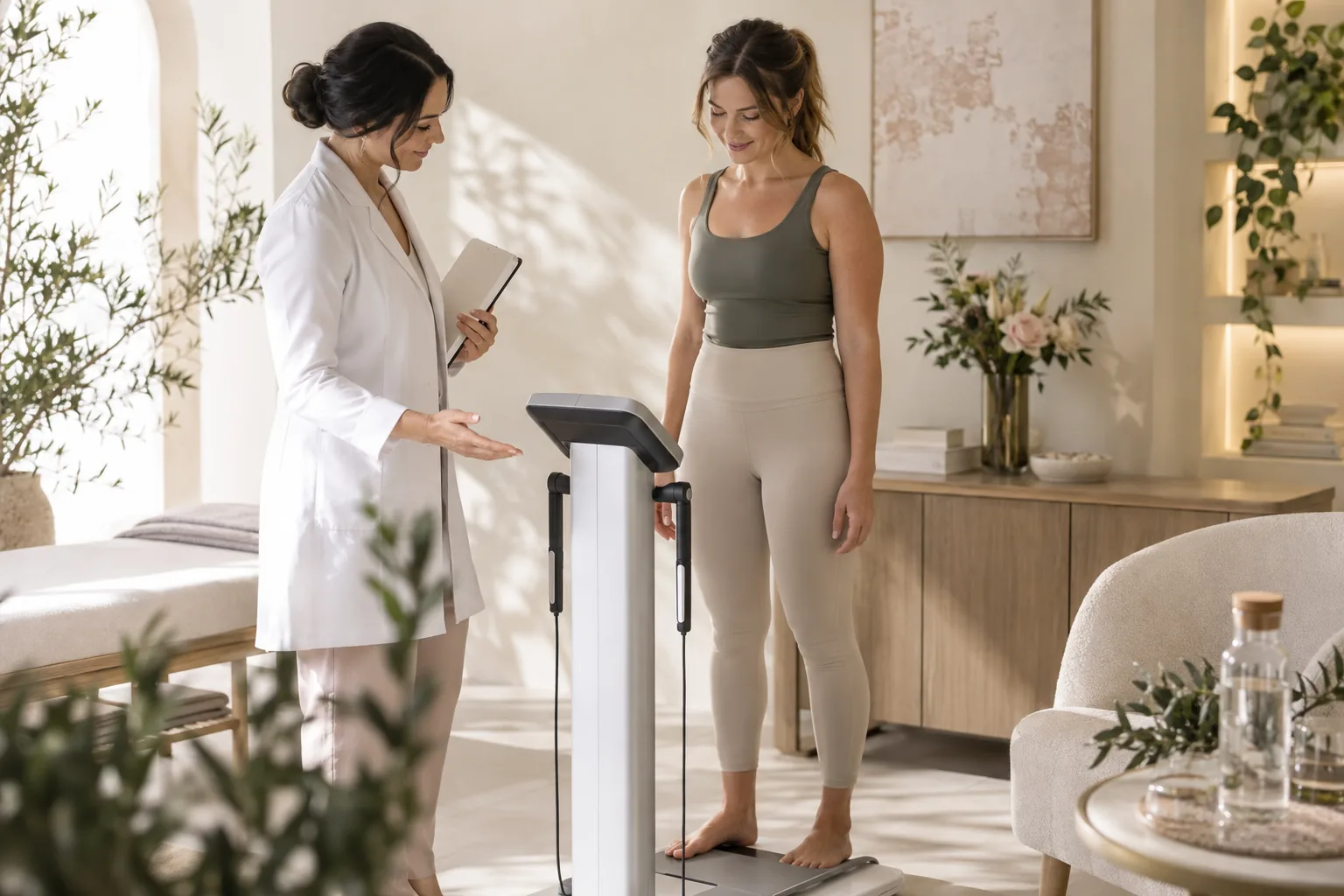
When you arrive for your clinical nutrition appointment at La Rose Fifth Settlement in CMC Medical Mall, the consultation follows a structured medical sequence designed for diagnostic thoroughness [2, 3, 7]. The initial step involves an InBody medical body-composition assessment; this test quantifies total weight, skeletal muscle mass, segmental fat distribution, visceral adiposity surrounding internal organs, and intracellular-extracellular fluid balance [4, 5, 7]. These objective metrics provide the clinician with a detailed physiological baseline far superior to an isolated bathroom scale number [1, 7]. The second step is a baseline body-contouring measurement using anatomical tape tracking, recording circumferences at localized fat depots so physical body reshaping is measured objectively in centimeters over time [1, 2].
The third step is an in-depth clinical consultation with Dr. Shimaa Fouad, physician and clinical nutrition specialist [2, 3]. The doctor reviews your personal and familial health history, past weight trajectories, previous diet attempts, diagnostic blood test results, and complete medication profiles [2, 8]. Synthesizing these clinical findings leads to the fourth step: co-designing an individualized therapeutic management plan. This plan may encompass specialized therapeutic medical nutrition, clinic-based body-contouring sessions, or medically supervised weight-management protocols including GLP-1 receptor agonists (such as Mounjaro or Wegovy) when clinically indicated and deemed suitable [2, 9]. The final step establishes your structured follow-up rhythm; visits scheduled every one to two weeks do not merely check scale weight, but adjust caloric goals, address lifestyle challenges, and protect lean muscle mass to ensure safe, sustained progress [3, 4, 11].
How to choose a nutrition clinic in Fifth Settlement: standards and options
When evaluating the best clinical nutrition clinic in Fifth Settlement, your decision should be guided by transparent medical and professional standards rather than commercial marketing claims or impossible promises [2, 3, 11]. A reputable clinical practice displays distinct hallmarks: first, it is led by a licensed physician specializing in clinical nutrition who understands internal medicine complexities [2, 6]. Second, it utilizes objective diagnostics such as InBody scans, anthropometric circumferences, and routine laboratory monitoring rather than distributing pre-printed diet sheets [1, 7]. Third, it actively protects lean muscle mass while targeting visceral adipose depots [4, 5]. Fourth, it offers realistic expectations; evidence-based fat loss ranges from 0.5 to 1 kg per week, firmly rejecting crash protocols that suppress metabolism and induce muscle wasting [10, 11]. Fifth, it incorporates continuous follow-up and behavioral coaching to sustain healthy lifelong habits [2, 3].
Applying these rigorous criteria, you can compare available options across Fifth Settlement and Greater Cairo in structured clinical order: First, La Rose Fifth Settlement branch at CMC Medical Mall (4th floor, North 90th Street); consultations with Dr. Shimaa Fouad integrate medical InBody testing, body contouring measurements, laboratory evaluations, and tailored therapeutic plans with structured weekly follow-up [2, 3, 7]. Second, specialized clinical nutrition and bariatric departments in accredited tertiary hospitals in Cairo, which provide sound medical evaluations within multidisciplinary teams [2]. Third, outpatient clinical nutrition and endocrinology units at university teaching hospitals, which are suitable for complex cases requiring specialized academic workups [2]. Fourth, an evaluation with a certified bariatric surgeon for individuals meeting formal surgical criteria (BMI of 40 or above, or 35 with severe comorbidities) who wish to evaluate surgical management [1, 2].
Location, nearby New Cairo areas, and booking your appointment
The La Rose Fifth Settlement branch serves New Cairo residents from a convenient, easily accessible medical setting [1, 2]. The exact clinic address is: CMC Medical Mall, 4th floor, North 90th Street, behind the Air Force Specialized Hospital, Fifth Settlement, New Cairo. Dr. Shimaa Fouad sees patients on Wednesdays from 3:30 to 8 pm; clinical schedules may vary, so confirming your slot during booking is always recommended.
If you are traveling from surrounding New Cairo neighborhoods, approximate driving times based on mapped distances are: El Yasmeen: about 5 km, approximately 10 minutes by car via North 90th Street or Moustafa Kamel Axis. Cairo Festival City (Ring Road side): about 5.2 km, approximately 10 minutes via South 90th Street. Al Narges: about 6.5 km, approximately 12 minutes via South 90th Street. El Banafseg: about 6.9 km, approximately 10 minutes via North 90th Street. First Settlement: about 7.4 km, approximately 12 minutes via Moustafa Kamel Axis. Point 90 Mall and AUC Avenue: about 9 km, approximately 12 minutes via North or South 90th Street. We cover this in more depth in our guide to clinical nutrition for El Yasmeen residents.
If you develop acute severe symptoms such as sudden severe dizziness with fainting, chest pain, or rapid unexplained weight loss without cause, do not wait for a routine visit; seek emergency care or an immediate internal medicine consultation [11, 12]. To coordinate your clinical nutrition consultation and ongoing care, you can contact the clinical team via phone and WhatsApp on 010 4066 1893 or Book at the Fifth Settlement branch [1, 2] to start your personalized medical nutrition plan.