What Did the 2025 Lancet Series Add?
On 18 November 2025, The Lancet published the first paper in a three-paper Series on ultra-processed foods. The lead paper, by Carlos Monteiro and an international team, combined narrative and systematic reviews, new analyses, prospective studies, and short trials to examine three propositions: whether this dietary pattern displaces simple foods and cooked meals, whether it worsens diet quality, and whether it is linked with multiple chronic diseases. The authors concluded that the totality of evidence supports displacement of long-established diets by ultra-processed foods as an important driver of the global burden of diet-related chronic disease [1].
What changed was not the discovery that sugary drinks, packaged snacks, and confectionery are poor everyday choices; dietary guidance already advised limiting foods high in free sugars, sodium, and unhealthy fats. The Series brought a broad evidence base together around processing, product formulation, and the way foods are consumed, rather than isolated nutrients alone [1, 8]. It was not one trial proving that every product causes disease in every person, a diagnosis, or a personalised prohibition list. It assessed dietary patterns and public health [1, 7].
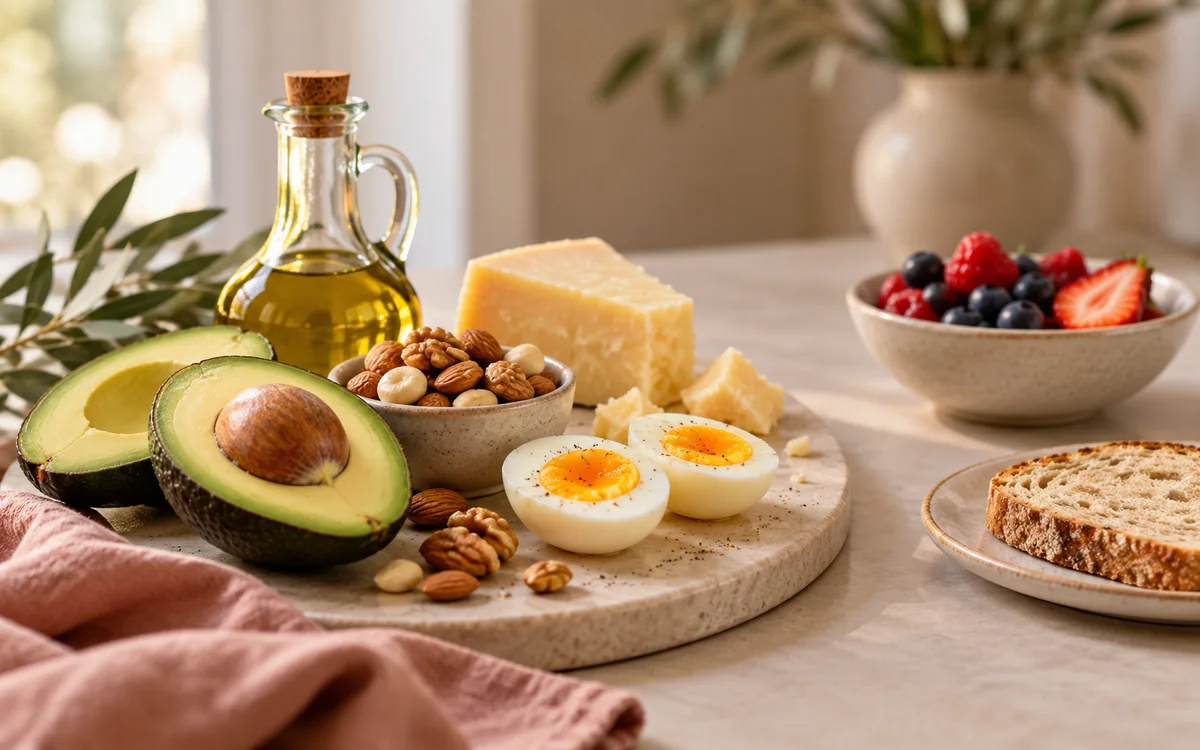
Nor did it change the fact that your needs depend on age, health, budget, food culture, and cooking capacity. The practical message is not to fear every package. It is to make simple foods and meals prepared from recognisable ingredients the foundation of your diet, while reducing products that repeatedly displace them [1, 8].
What Is an Ultra-Processed Food, and Is All Processing Harmful?
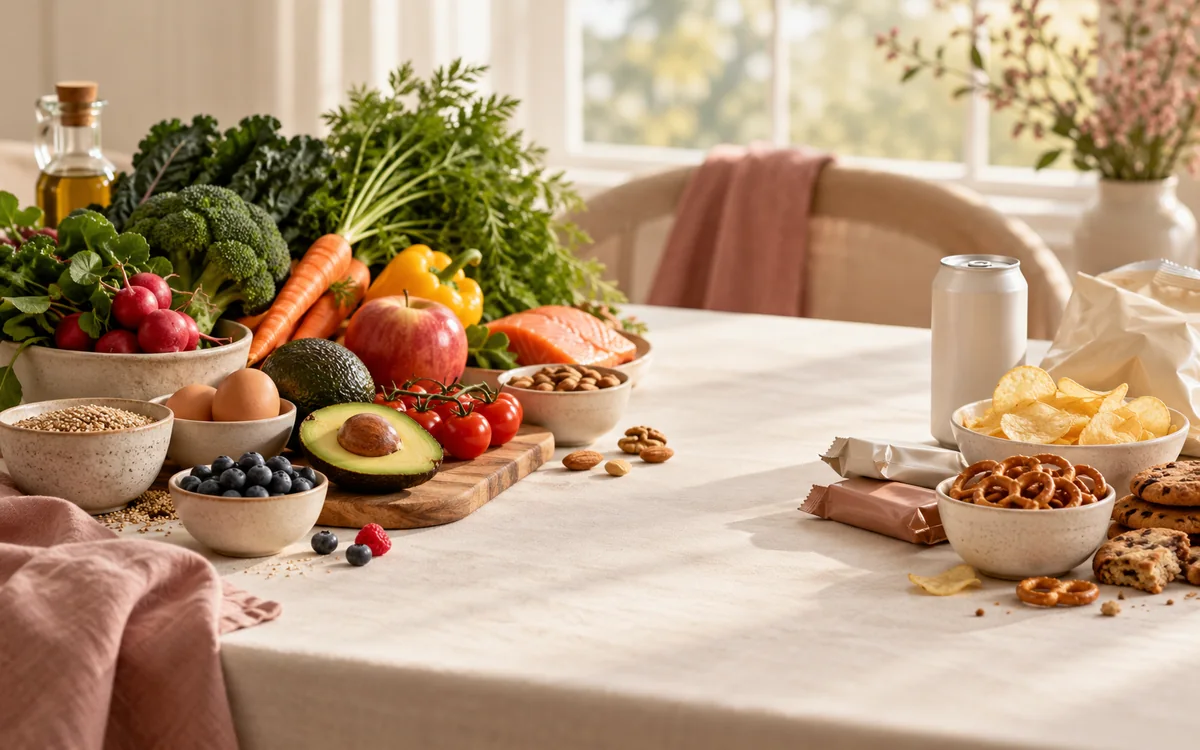
The NOVA system divides food into four groups according to the extent and purpose of processing. These are unprocessed or minimally processed foods such as vegetables, fruit, pulses, grains, milk, eggs, and fresh meat; culinary ingredients such as oil, sugar, and salt; processed foods made by adding simple culinary ingredients, such as some breads, cheeses, and preserved vegetables; and ultra-processed industrial formulations. Freezing, drying, milling, pasteurising, or simple canning alone does not automatically make a food ultra-processed [1, 3, 10].
The fourth group usually comprises commercial formulations made from substances extracted or derived from food, with ingredients rarely used in a home kitchen and additives that change flavour, colour, or texture. NOVA markers include modified starches or oils, protein isolates, reconstituted meat, flavours, flavour enhancers, colours, sweeteners, and emulsifiers. Common examples include sweetened drinks, packaged sweet or savoury snacks, luncheon meats, sausages or reconstituted meat products, packaged confectionery, and some instant meals [1, 3].
A food name or package is not enough to classify it. Boiled beans, or canned beans with simple ingredients, remain beans; frozen vegetables remain vegetables; and pasteurised milk is not ultra-processed because it was pasteurised. Bread and cheese can be conventionally processed or ultra-processed depending on their formulation, so inspect the ingredients instead of condemning the whole category. Rice, foul, lentils, eggs, vegetables, fruit, and traditional bread are not dangerous merely because they are familiar Egyptian staples [1, 3, 10].
What Does the Evidence Show About Obesity, Diabetes, and Heart Disease?
The Lancet paper analysed more than 100 prospective studies in adults. Most reported associations between greater exposure to an ultra-processed dietary pattern and adverse outcomes, while pooled analyses found associations with outcomes including overweight or obesity, type 2 diabetes, hypertension, cardiovascular disease, depression, and all-cause mortality. The word association matters: most evidence on long-term disease comes from observational studies, not trials randomly assigning people to diets for years [1].
A 2024 BMJ umbrella review brought together 45 pooled analyses and found direct associations with 32 health outcomes, but evidence quality differed by outcome. It was moderate for a small number of findings and low or very low for many others. The overall signal deserves attention, but it is inaccurate to present every disease with equal certainty or turn group-level relative risks into an individual forecast [2].
In contrast, a short randomised inpatient feeding trial compared two diets presented as broadly matched for several listed nutrients. Participants consumed more energy and gained weight during the ultra-processed phase, with the opposite pattern during the unprocessed phase. This supports a plausible mechanism involving eating rate, convenience, and energy density, but it was small and short and does not prove every chronic outcome [4]. The Lancet team also acknowledges residual confounding and food-classification error and calls for more trials, mechanistic work, and subgroup comparisons [1].
Are All Products in This Category Equivalent?
No. NOVA is broad, and its own researchers state that products within it vary in composition and nutritional profile. A sweetened drink, reconstituted meat, and fibre-rich packaged bread may sit under the same broad label, but that does not mean their effects or dietary roles are identical. A large European subgroup study found that associations with multimorbidity did not appear uniformly across all subgroups, which is one reason not to treat the phrase ultra-processed as a final health score by itself [1, 5].
The American Heart Association's 2025 science advisory described high intake as a public health challenge but also stressed the need to identify higher-risk subgroups and avoid unintended consequences because some products can be affordable, convenient, or nutritionally more favourable than others. The UK's Scientific Advisory Committee on Nutrition regarded the associations as concerning while noting that it remains difficult to separate processing effects from the high energy, saturated fat, sodium, and free sugars found in many products [6, 7].
Use two questions together: is this an industrial formulation displacing real meals, and what is its nutritional quality? Start by reducing sweetened drinks, reconstituted meats, confectionery, and snacks that are easy to overconsume, especially when they are high in sodium, sugar, or saturated fat and low in fibre. Do not discard a useful or fortified product you rely on before checking its replacement, particularly if you have food allergies, chewing difficulties, or a specific nutritional need [6, 7, 8].
How to Read the Ingredients List and Nutrition Label
Start with the ingredients list. One unfamiliar ingredient does not automatically make a product toxic, and list length alone is not a scientific test. However, substances characteristic of industrial formulations, such as protein isolates, modified starches, hydrogenated or modified oils, flavours, flavour enhancers, colours, sweeteners, and emulsifiers, make ultra-processing more likely under NOVA [3]. Ingredients are generally ordered by quantity, so the first items reveal what makes up most of the product [9].
Then inspect the nutrition panel, ideally comparing products per 100 grams or 100 millilitres rather than relying on a stated serving, which may be smaller than what you actually eat. Compare sugars, sodium, and saturated fat, and consider fibre and protein when relevant to that food type. Claims such as light, fitness, natural, or no added sugar are not enough if the overall formulation is poor [7, 9].
Ask what role the product plays in your day. A sauce used in a small amount is different from a drink that replaces water, and an occasional sweet is different from grazing on packaged snacks and confectionery throughout the day. Consider frequency, amount, and what the product displaces. If the label is confusing, compare two options and choose the simpler ingredient list and stronger nutritional profile rather than searching for a perfect product [6, 8, 9].
Practical Egyptian Swaps Without an All-or-Nothing Ban
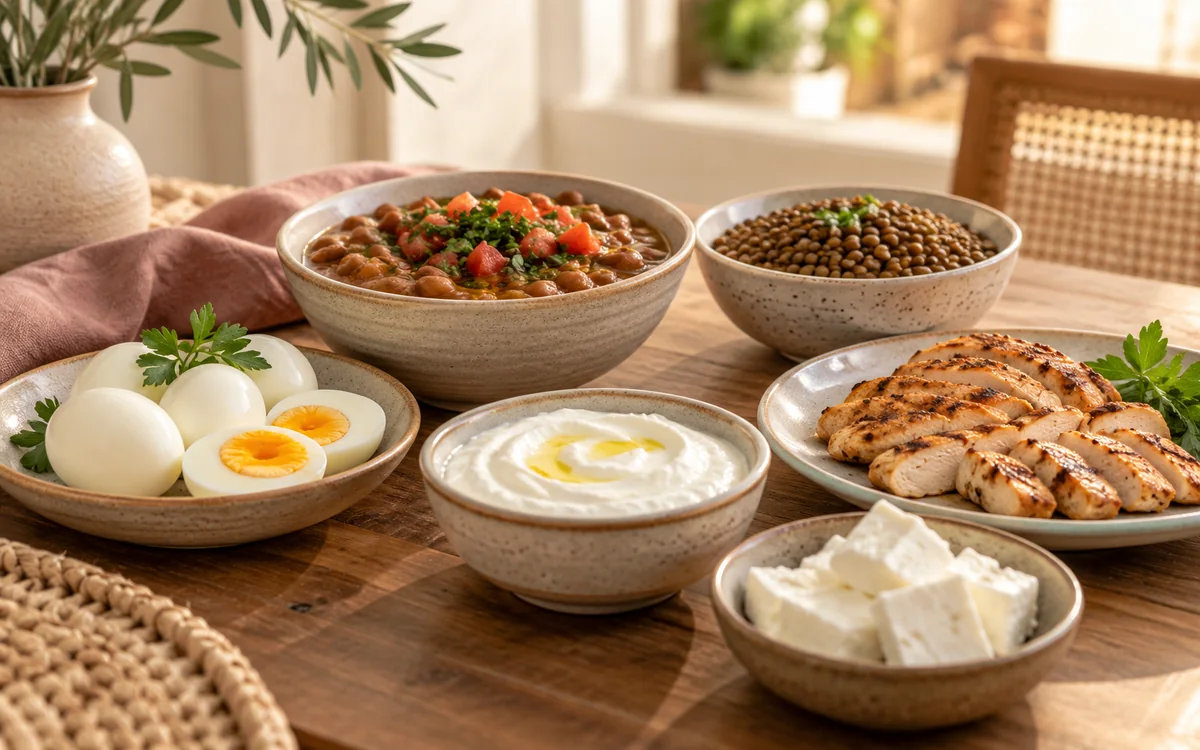
Do not try to rebuild your kitchen in one day. Choose one frequently consumed product and make a sustainable change. If sweetened drinks are daily, make water the default and choose whole fruit instead of packaged juice when practical. Replace repeated salty snacks with fruit, cucumber or carrot, unsalted nuts, home-popped corn, or plain yoghurt as appropriate for you. Instead of daily luncheon meat or reconstituted meat, rotate eggs, foul, lentils, tuna or fish, poultry, and freshly cooked meat [1, 8].
If packaged sweets are a daily habit, reduce purchase frequency and portion size and keep an obvious alternative available, such as fruit with yoghurt or a modest portion of a homemade dessert. The aim is not to turn every meal into diet food; it is to let real meals provide fullness and variety again. Our guide to foods that support fat loss explains why satiety and meal quality matter more than claims that one food burns fat, while the guide to high-protein foods for weight loss offers familiar choices without setting one protein target for everyone [6, 8].
Save time by preparing two or three meal foundations: a pot of lentils or foul, washed or cooked vegetables, and eggs or cooked protein for more than one meal. Simple frozen foods and canned foods with limited ingredients can be practical tools, not failures. If you have insulin resistance, read our balanced diet for insulin resistance rather than removing every carbohydrate or buying products labelled diet [1, 8].
What This Means for You
Start with a simple two- or three-day inventory. Which packaged products recur, and which ones replace a meal, water, or fruit? Choose one target, such as reducing a sweetened drink or preparing a breakfast from eggs, foul, and yoghurt instead of a ready-made product. Track hunger, energy, digestion, and sustainability, not only the scale. The Lancet Series supports reducing the dominance of ultra-processed foods across the dietary pattern, but it does not set a magic personal percentage or demand perfection [1].
If you have diabetes, kidney or liver disease, food allergy, an eating disorder, pregnancy, swallowing difficulty, or a need for a specialised nutrition product, do not replace key foods at random. Do not start, stop, or change any medicine or supplement because of a news story about ultra-processed foods; speak with your treating clinician. Dietary change complements medical care and does not replace it [6, 8].
If you need a plan adapted to your food and health, you can book a consultation with the medical team at La Rose in Maadi or Fifth Settlement. After assessment, you may continue through online nutrition follow-up when suitable for your situation. The author is a content contributor and medical researcher, not a clinic doctor available for booking; appointments are with the medical team at La Rose [8].