Weight Loss Doctor in Shorouk City: Direct Answer and Clinical Pathway
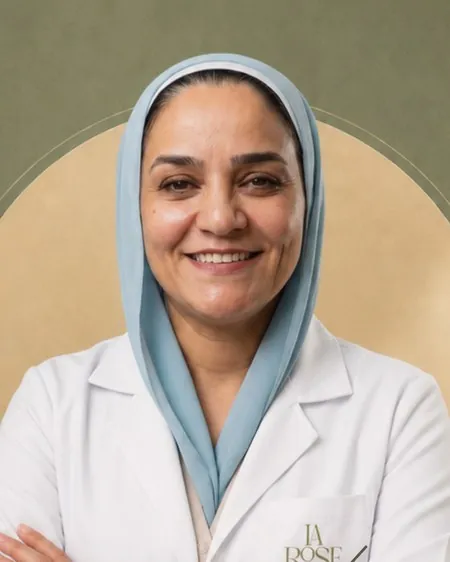
If you are looking for a weight loss doctor in Shorouk City or neighbouring areas such as Mostakbal City and Badr City, the nearest comprehensive medical assessment is available at the La Rose Fifth Settlement branch in CMC Medical Mall on North 90th Street. The clinic provides clinical nutrition, obesity management, and non-surgical body contouring under the supervision of Dr Shaimaa Fouad, a medical doctor, clinical nutrition and weight management specialist, and member of ESPEN. She receives patients at the Fifth Settlement clinic on Wednesday from 3:30 pm to 8:00 pm. A consultation with a dedicated obesity physician is far more than receiving a generic printed diet sheet; it is a structured clinical assessment that identifies the metabolic drivers of weight gain [1].
Contemporary obesity management requires a clear understanding of the interaction between dietary patterns, physical movement, hormonal regulation, and individual body composition. During your clinical visit, the doctor begins by listening to your medical history and previous weight reduction experiences, followed by diagnostic and physical assessments to design a tailored management plan. This pathway may involve personalized medical nutrition therapy, approved pharmacological support, or targeted non-surgical body contouring [1, 2]. You can arrange your consultation and confirm suitable timings when you Book your appointment at the clinic.
How Clinical Assessment and Body Composition Testing Work
The fundamental difference between a medical evaluation in an obesity clinic and stepping on a standard bathroom scale is the precise analysis of internal body tissues. A standard scale offers only an aggregate number, failing to distinguish between fluid retention, deep visceral adiposity, and healthy lean muscle mass. In our clinic, body composition is evaluated using advanced bioelectrical impedance analysis, which accurately measures total body fat percentage, anatomical fat distribution, skeletal muscle mass, and intracellular versus extracellular fluid ratios [8].
A vital component evaluated during this assessment is the volume of visceral fat surrounding abdominal organs. Robust scientific literature demonstrates that visceral adipose tissue is not merely passive storage, but an active endocrine tissue secreting pro-inflammatory cytokines that elevate the risk of insulin resistance, type 2 diabetes, arterial hypertension, and cardiovascular disorders [7]. Periodic body composition monitoring ensures that weight reduction reflects genuine loss of visceral and subcutaneous fat while preserving metabolic active lean muscle [8]. You can explore the full procedure and technical parameters during InBody testing in the Fifth Settlement.
Alongside physical body analysis, medical assessment includes targeted laboratory investigations to establish physiological baselines. The doctor assesses parameters such as fasting plasma glucose, HbA1c, comprehensive lipid profiles, thyroid stimulating hormone, renal function, and hepatic transaminases where clinically indicated. These tests help exclude secondary endocrine causes of adiposity and confirm that metabolic organs are healthy before initiating active weight management [4, 9].
The Medical Weight Management Ladder: From Nutrition to Clinical Procedures
Managing obesity as a chronic medical condition relies globally on a stepped-care clinical ladder established by authoritative clinical guidelines, rather than jumping impulsively into invasive surgeries or unsustainable crash routines [1, 4]. The foundation of this clinical ladder is comprehensive behavioural lifestyle and medical nutrition therapy. At this tier, the clinician designs a nutritionally complete eating plan that achieves a moderate energy deficit while supplying essential micronutrients. This supports sustainable reductions of 5% to 10% of total body weight, an outcome proven to produce clinically significant improvements in glycaemic control, blood pressure, and lipid profiles [1, 12].
When an individual presents with a body mass index of 30 or higher, or 27 or higher in the presence of weight-related comorbidities such as dyslipidaemia or hypertension, clinical assessment progresses to the second tier: regulated pharmacotherapy under direct physician monitoring [3]. Contemporary weight management medicines target appetite-regulating neuroendocrine pathways, delay gastric emptying, and enhance insulin sensitivity, helping patients maintain dietary consistency without battling relentless hunger pangs [3, 10].
The third tier involves targeted non-surgical body contouring modalities that address stubborn localized subcutaneous adipose deposits unresponsive to generalised weight loss. Finally, the fourth tier involves multidisciplinary referral for bariatric metabolic surgery in patients with severe obesity meeting strict surgical indications after conservative pathways have been evaluated [1, 4]. Understanding where you sit on this clinical continuum is essential, and you can review critical evaluation criteria in our guide on how to choose a weight loss doctor.
Applying Medical Nutrition in Everyday Egyptian Lifestyles
Successful clinical nutrition cannot be achieved by transcribing rigid Western templates or distributing generic diet sheets that ignore local social realities. Residents in Shorouk City and Mostakbal City face practical lifestyle factors, including extended daily commutes across expressways, prolonged sedentary office hours, and reliance on convenience foods during workdays. An experienced clinical nutritionist structures the dietary plan around the patient's actual routine rather than imposing unrealistic restrictions, ensuring comfortable adherence without psychological burnout [2, 13].
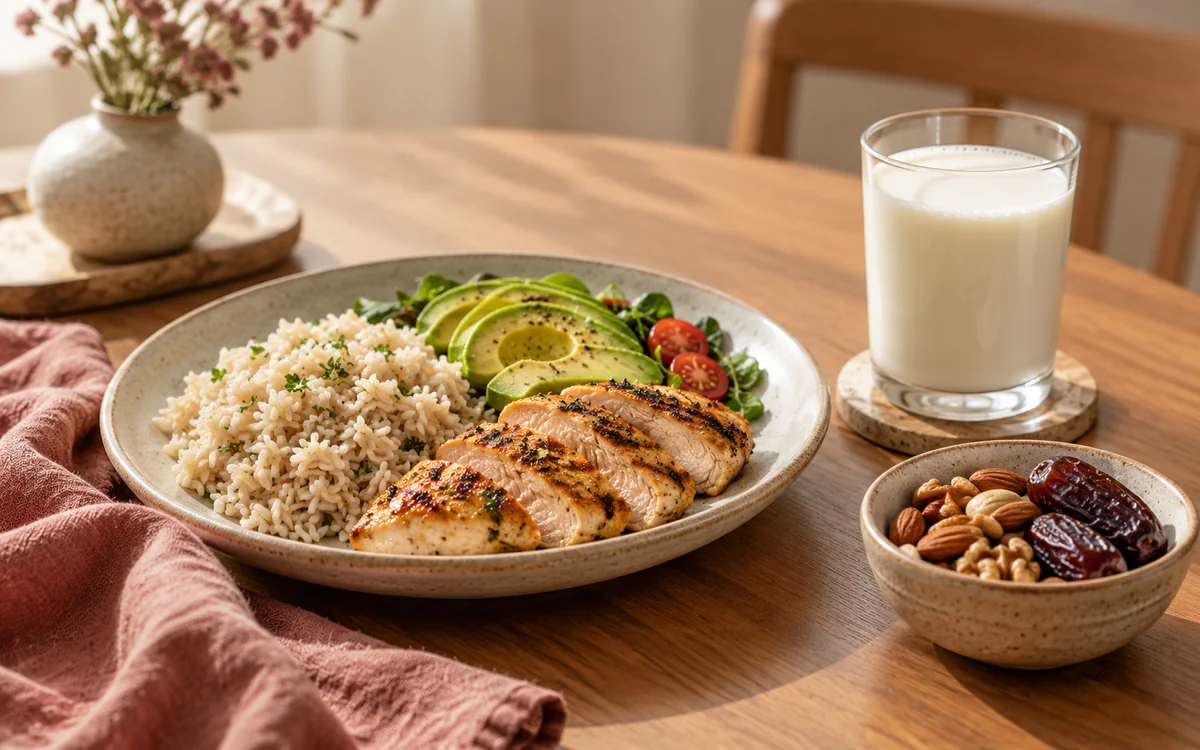
In Egyptian households, staples such as rice, baladi flatbread, stuffed vegetables, and pulses form the heart of family dining. Imposing total carbohydrate exclusion frequently triggers rapid rebound eating and weight regain once the severe restriction ceases. Clinical nutrition focuses instead on portion distribution, prioritising complex high-fibre carbohydrates, and ensuring adequate dietary protein at each meal to maintain satiety and protect lean tissue during negative energy balance [5, 13]. The doctor helps you identify practical meal options for busy workdays and manageable strategies for family gatherings.
Adequate fluid intake and sleep hygiene represent core behavioural pillars emphasized during consultations. Sleep deprivation and irregular circadian cycles elevate cortisol secretion and disrupt appetite-regulating hormones, specifically ghrelin and leptin, driving intense late-night cravings for refined carbohydrates. Systematically addressing these behavioural patterns step by step provides the true foundation for sustained weight maintenance and metabolic health [2, 13].
The Role of Approved Weight Loss Medications and Clinical Supervision
Recent years have witnessed a major therapeutic transformation in obesity medicine with the emergence of incretin-based therapies, including GLP-1 receptor agonists and dual GIP/GLP-1 receptor agonists such as tirzepatide and semaglutide [10, 11]. These pharmacological agents do not replace nutritious food and regular exercise, but serve as powerful clinical adjuncts for patients facing significant physiological barriers to appetite control caused by dysregulated neuroendocrine satiety signaling. Clinical guidelines require that these therapies be initiated and monitored by a qualified physician following comprehensive laboratory and history reviews to confirm clinical eligibility and exclude contraindications [3, 9].
Initiating these therapies necessitates careful step-up titration over multiple weeks based on individual tolerance, thereby minimizing common gastrointestinal side effects such as transient nausea, mild constipation, and reduced gastric motility. During routine follow-up visits, the clinician actively monitors hydration status, electrolyte balance, and adequate protein consumption to safeguard lean muscle tissue and skin health during rapid fat reduction [10, 11]. You can review detailed clinical protocols and follow-up standards in our article on Mounjaro and Wegovy in the Fifth Settlement.
Clinical safety remains the paramount priority. Incretin-based medications are strictly contraindicated in individuals with a personal or familial history of medullary thyroid carcinoma, Multiple Endocrine Neoplasia syndrome type 2, or serious hypersensitivity; while pregnancy, breastfeeding, and a history of pancreatitis require strict precaution or avoidance under clinical guidelines [10, 11]. A specialist physician is exclusively qualified to assess whether these pharmacotherapies suit your medical profile, ensuring maximum clinical efficacy alongside rigorous physiological safety [3].
Targeted Body Contouring and Non-Surgical Sleeve Alternatives
Many individuals reach a healthier body weight following disciplined nutritional adjustments, yet encounter stubborn localized fat pockets across areas such as the lower abdomen, flanks, or outer thighs. Subcutaneous localized adipose tissue behaves differently from visceral fat, demonstrating slower responsiveness to generalised calorie deficits. In these scenarios, targeted non-surgical body contouring provides a viable method to refine body contours without general anaesthesia, surgical incisions, or lengthy downtime [7]. Modalities such as targeted mesotherapy and lipolysis micro-injections aid in disrupting adipocyte membranes in localized areas, facilitating natural lymphatic clearance.
Within this clinical context, La Rose clinics offer the medically supervised S protocol to support weight management and stubborn localized fat reduction, to help lower cravings, and to support metabolic rate. Its clinical components comprise berberine, L-carnitine, targeted peptides, localized lipolytic agents, and a tissue firming agent. The physician evaluates whether and how each component fits the patient following a detailed assessment. Current scientific literature demonstrates modest effects for dietary supplements in clinical trials, and they must be paired with nutrition and movement rather than seen as standalone fat burners. Contraindications such as pregnancy, lactation, or significant hepatic or renal impairment must be clinically checked.
For individuals who do not qualify for surgical sleeve gastrectomy or who wish to avoid operative risks, structured non-surgical pathways combining clinical nutrition, incretin-based appetite support, and localized contouring offer effective alternatives with high safety margins. You can read a thorough review of comparative options in our guide to sleeve alternatives in the Fifth Settlement.
Warning Signs: When to Schedule a Visit and When to Seek Emergency Care
Weight management must always be conducted with clinical vigilance to avoid unforeseen health complications. Certain symptoms warrant a prompt consultation with your doctor to modify the therapeutic plan, such as rapid unexplained weight loss, persistent fatigue, postural dizziness upon standing, noticeable hair shedding, or severe constipation unresponsive to hydration and dietary fibre. These manifestations typically signal acute nutritional deficiencies or dehydration requiring medical adjustments to nutritional plans or pharmacological regimens [6, 9].
Conversely, distinct red-flag symptoms require immediate emergency department evaluation at the nearest hospital rather than waiting for an outpatient appointment. These critical symptoms include sudden, severe, persistent upper abdominal pain radiating into the back that worsens following meals, which may indicate acute pancreatitis or gallbladder inflammation with biliary calculi [6, 9]. Intractable vomiting preventing oral fluid retention with risk of dehydration, severe dehydration with dry mucous membranes and oliguria, or jaundice (yellowing of the sclera or skin) necessitate urgent hospital care [6, 9].
If you are undergoing pharmacotherapy with approved weight loss medications and experience intense persistent abdominal pain or intractable nausea, you must discontinue the medication immediately and seek hospital assessment prior to taking further doses [10, 11]. Distinguishing mild transient side effects from acute emergencies provides an indispensable safety net throughout your treatment journey.
Clinic Location and Travel Route from Shorouk and Mostakbal City
For residents of Shorouk City, Mostakbal City, Badr City, and neighbouring communities across east Cairo, the primary La Rose location providing clinical nutrition and obesity care is the Fifth Settlement branch. The clinic is located at CMC Medical Mall, 4th floor, North 90th Street, directly behind the Air Force Specialized Hospital. Travel from Shorouk City or Mostakbal City is straightforward via the Suez Road or the Middle Ring Road, taking approximately 20 to 30 minutes by car under standard traffic conditions. La Rose also maintains its other branch in New Maadi at 14 El-Mokhtar St, off El-Nasr St, behind QNB Bank.
Dr Shaimaa Fouad welcomes patients at the Fifth Settlement clinic on Wednesday from 3:30 pm to 8:00 pm, and is also present at the Maadi branch on Saturday, Monday, and Tuesday from 3:00 pm to 8:00 pm, alongside Dr Alyaa Saeed Abou Taleb who consults exclusively in Maadi on Saturday and Monday from 2:00 pm to 7:00 pm. Clinical schedules are subject to periodic updates and are confirmed when booking to ensure sufficient consultation time for each patient. For appointment confirmations or inquiries, you can call or send a WhatsApp message to 010 4066 1893, where our patient coordination team assists with scheduling.
A significant advantage of this clinic setup is that comprehensive clinical consultation and InBody testing take place during the same appointment, enabling an immediate personalized roadmap without repetitive visits. Body composition analysis accurately evaluates body fat percentage and skeletal muscle mass to guide targeted dietary planning [8]. You can read more about full facility services at our weight loss clinic in the Fifth Settlement, and explore regional clinical care with a weight loss doctor in New Cairo.
Common Myths and Commercial Traps in Weight Loss
The commercial weight loss market is saturated with unsubstantiated promises and quick fixes that exploit people's desire for effortless rapid results. A prominent misconception involves commercial herbal slimming teas promoted as fat burners. Rigorous clinical evidence confirms that these mixtures do not reduce adipose tissue; instead, they frequently contain potent laxatives and diuretics that trigger transient fluid and electrolyte depletion. This creates an illusion of weight loss on a standard bathroom scale while risking severe dehydration and renal strain [5].
Another pervasive myth is that severe food deprivation and chronic meal skipping accelerate healthy fat loss. When the human body faces acute calorie starvation, it initiates adaptive thermogenesis, down-regulating basal metabolic expenditure to conserve vital energy. The body subsequently catabolises skeletal muscle proteins to derive glucose, culminating in muscular wasting, physical lethargy, and immediate rebound weight gain upon resumption of normal eating [5, 12]. Clinically sound weight loss requires a calculated, moderate deficit that sustains cellular nutrition and daily physical vitality.
Lastly, relying solely on numbers displayed by a standard scale remains a widespread misconception that discourages dedicated patients. During a medically structured nutritional programme combined with resistance exercise, an individual may gain functional skeletal muscle while simultaneously shedding an equivalent mass of subcutaneous and visceral fat. Under these circumstances, total scale weight may remain unchanged despite dramatic improvements in waist circumference, body composition, and metabolic biomarkers [7, 8].