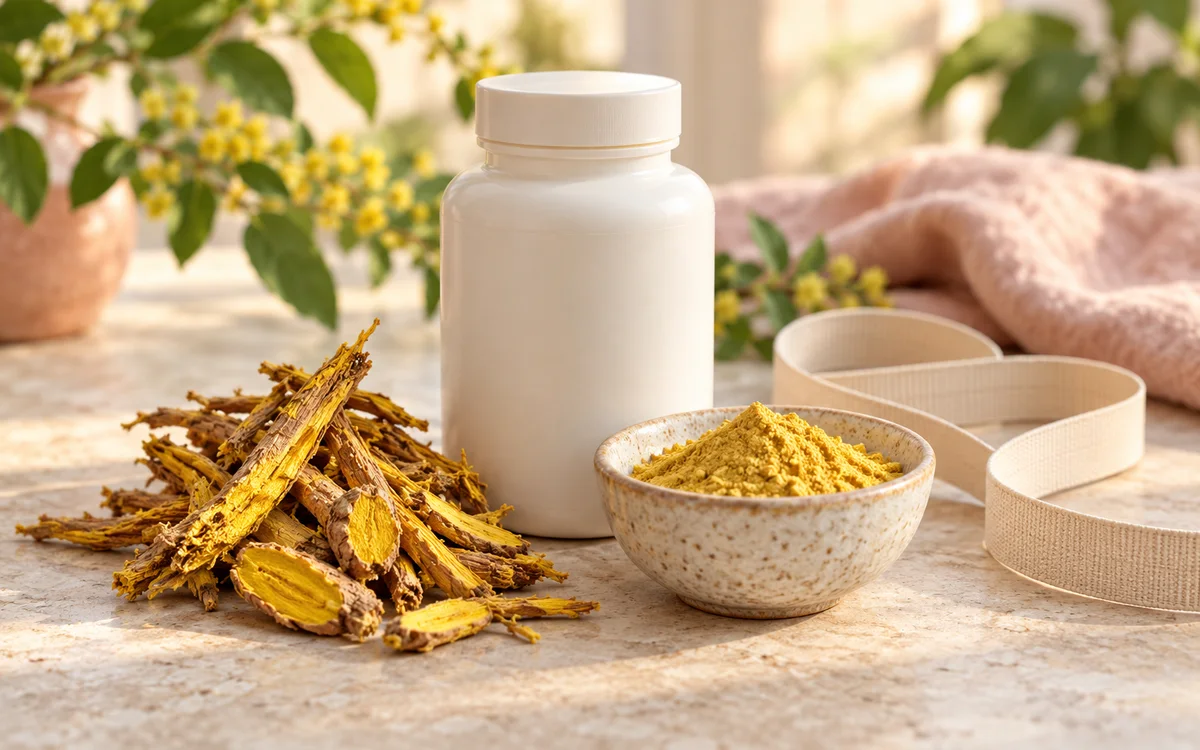
Berberine for Weight Loss: The Direct Answer and Reality
Berberine is not a magic weight loss solution or a direct substitute for modern prescription injections, but it is a botanical supplement that offers modest metabolic support by helping improve insulin sensitivity. Pooled clinical trials indicate that when paired with nutritional improvements and physical activity, it supports an average weight reduction of approximately 2 kilograms over two to three months, primarily in individuals with underlying glycemic and metabolic imbalances [1, 8].
At La Rose Clinics in New Maadi and the Fifth Settlement, our clinical nutrition and weight management team, led by Dr Shaimaa Fouad and Dr Alyaa Saeed Aboutaleb, conducts comprehensive metabolic and body composition assessments; you can Book your appointment directly to review your personalized plan.
Viral social media claims branding berberine as “nature's Ozempic” have led many people to expect dramatic fat loss simply by purchasing an over-the-counter supplement bottle. The clinical reality is fundamentally different; berberine is a plant-derived alkaloid that operates through intracellular metabolic pathways rather than mimicking gastrointestinal satiety hormones that delay gastric emptying and strongly curb appetite [3, 12]. This comprehensive guide provides trial numbers, pharmacological mechanisms, and everyday guidance to help you navigate evidence versus marketing.
Clinical Trial Numbers vs GLP-1 Injections Side by Side
To separate clinical reality from social media exaggeration, one must examine pooled meta-analyses and randomized controlled trials published in recognized medical journals. A systematic review and meta-analysis published in Clinical Nutrition ESPEN evaluated 12 clinical trials and demonstrated that berberine supplementation produced a statistically significant weighted mean reduction in body weight of 2.07 kilograms, a body mass index reduction of 0.47 points, and modest decreases in waist circumference and C-reactive protein [8]. Another dose-response meta-analysis in Complementary Therapies in Clinical Practice confirmed similar modest improvements in anthropometric indices [9].
In sharp contrast, landmark phase-3 clinical trials evaluating prescription GLP-1 and dual GIP/GLP-1 receptor agonists (such as semaglutide and tirzepatide) document mean weight reductions ranging from 15% to 20% of baseline body weight, routinely representing 15 to 24 kilograms of weight loss over 68 to 72 weeks of treatment [12]. This substantial numerical disparity demonstrates why popular marketing comparing berberine to prescription obesity injections is biologically and clinically unfounded [3, 4].
Berberine retains a supportive role within structured metabolic regimens, and you can explore S-protocol ingredients and their evidence to see how different components are selected under medical supervision; however, it cannot replace standardized pharmaceutical care for severe obesity or advanced cardiometabolic disease [8].
Key comparative distinctions include: 1. Average Weight Reduction: Berberine averages roughly 2 kilograms across trials, whereas approved GLP-1 therapies produce 15% to 20% total body weight loss. 2. Biological Mechanism: Berberine stimulates cellular AMPK, whereas GLP-1 agonists mimic incretin gut hormones, slow gastric emptying, and suppress central appetite pathways. 3. Trial Duration: Berberine trials rarely extend beyond 8 to 12 weeks, whereas prescription obesity medications possess multi-year clinical safety data. 4. Regulatory Oversight: Berberine is regulated as an over-the-counter supplement with variable batch purity, unlike rigorously standardized pharmaceuticals.
How Berberine Works: Cellular Mechanisms and Insulin Resistance
To comprehend berberine's true physiological impact, one must examine its primary intracellular target: AMP-activated protein kinase (AMPK), often termed the body's master energy sensor. When AMPK is activated, cells shift their metabolic priority toward glucose uptake and fatty acid oxidation while suppressing new hepatic lipid synthesis [1, 7].
Insulin resistance represents the central metabolic hurdle preventing fat loss for millions of individuals; when peripheral tissues fail to respond adequately to circulating insulin, the pancreas produces compensatory hyperinsulinemia. Chronically elevated insulin suppresses lipolysis and promotes visceral fat accumulation in the abdomen and liver [11]. Berberine helps increase insulin receptor expression on cell surfaces and promotes the translocation of glucose transporter type 4 (GLUT4) to cell membranes, facilitating glucose clearance without requiring excessive insulin secretion [7, 8].
You can explore this pathophysiology further in our guide to understanding insulin resistance mechanisms, alongside structured guidance on adopting insulin resistance diet principles, because no supplement can override the glycemic load of a poorly planned diet. Berberine also exerts favorable shifts in gut microbiota composition, reducing intestinal permeability and mitigating the low-grade systemic inflammation that drives metabolic dysfunction [1, 8].
The practical consequence of these pathways is a gradual improvement in tissue sensitivity; berberine does not directly incinerate adipose tissue, but rather helps repair the biochemical resistance that impedes natural fat loss during caloric restriction and exercise [11].
Berberine vs Metformin: Similarities, Differences, and Prediabetes
Many clinical researchers compare berberine's cellular profile to the conventional biguanide metformin rather than modern incretin mimetics. Both agents share the ability to stimulate cellular AMPK, suppress hepatic gluconeogenesis, and enhance peripheral muscle glucose uptake [2, 10]. Several randomized comparative trials have noted similar glycemic improvements in fasting glucose and glycated hemoglobin among adults with type 2 diabetes [10].
However, the decisive distinction lies in pharmacokinetic bioavailability, standardization, and long-term safety data. Metformin is a strictly regulated prescription medication evaluated across millions of patient-years, with standardized dosing, confirmed cardiovascular outcomes, and rigorous batch quality assurance [2]. Conversely, native berberine exhibits extremely poor oral bioavailability of approximately 1%, commercial dietary supplements vary widely in purity and potency, and long-term human safety trials beyond several months remain scarce [7].
For individuals managing borderline glucose levels, our analysis of whether prediabetes requires prescription medication clarifies when clinical intervention is indicated. Furthermore, prescription metformin therapy involves distinct nutritional considerations, as detailed in our guide discussing how metformin affects vitamin B12.
Crucially, combining berberine with metformin without explicit medical supervision poses substantial risks; their synergistic glucose-lowering actions can precipitate unexpected hypoglycemia, while compounding gastrointestinal distress, abdominal cramping, and diarrhea [2, 7].
Berberine in PCOS and Stubborn Weight in Women
Polycystic ovary syndrome (PCOS) is one of the most common endocrine conditions where women encounter severe challenges in losing weight, driven largely by underlying insulin resistance. When compensatory insulin levels remain elevated, they stimulate ovarian androgen synthesis, perpetuating stubborn abdominal adiposity, irregular menstrual cycles, hirsutism, and persistent weight plateaus [1, 5].
Clinical trials evaluating berberine in women with PCOS have shown promising metabolic benefits. Evidence demonstrates meaningful reductions in HOMA-IR, decreases in waist-to-hip ratios, improvements in lipid profiles, and favorable support for ovulatory regularity [8, 10]. By improving peripheral insulin sensitivity, berberine helps alleviate the hyperinsulinemic stimulus driving excess androgen production in ovarian theca cells.
A thorough examination of these biological factors is available in our clinical resource on PCOS and weight loss challenges, detailing strategies to overcome weight plateaus without extreme caloric deprivation. Nevertheless, berberine must not be regarded as a solitary remedy; optimal management requires dietary modifications that reduce glycemic load, progressive resistance training to enhance glucose disposal, and regular medical monitoring [5, 8].
Crucially, berberine must be discontinued immediately if a woman is attempting to conceive or becomes pregnant, as the alkaloid can induce uterine contractions and cross the placenta, posing risks to fetal development [5, 6].
Safety, Side Effects, and Cytochrome P450 Drug Interactions
The plant-derived origin of berberine does not confer universal safety. In reality, berberine acts with pharmacological potency, and its most frequent adverse reactions involve the digestive tract. Patients frequently experience abdominal cramping, watery diarrhea, flatulence, bloating, nausea, and paradoxically severe constipation, particularly when taking high single doses or taking the supplement on an empty stomach [5, 7].
The most critical clinical risk involves berberine's pronounced inhibition of hepatic and intestinal cytochrome P450 enzymes, specifically CYP3A4, CYP2D6, and CYP2C9. By inhibiting these metabolic clearance pathways, berberine impairs the elimination of numerous concurrent prescription drugs, potentially elevating their systemic concentrations to toxic thresholds [5, 7].
Major clinically documented drug interactions include: 1. Antidiabetic agents (metformin, sulfonylureas, insulin): Concurrent use compounds glycemic reduction, precipitating symptomatic or severe hypoglycemia. 2. Antihypertensive medications: Concomitant administration can trigger excessive hypotension, lightheadedness, and syncope. 3. Statin lipid-lowering therapies (such as atorvastatin and simvastatin): Elevated plasma levels heighten the risk of myopathy and muscle toxicity. 4. Immunosuppressants (including cyclosporine and tacrolimus): Berberine significantly increases blood trough levels, risking nephrotoxicity. 5. Anticoagulants and antiplatelet drugs: Altered metabolism may increase bleeding risks.
Furthermore, berberine is strictly contraindicated in pregnancy, breastfeeding, and neonates. The compound displaces bilirubin from serum albumin binding sites, which can precipitate kernicterus, a life-threatening form of neurological damage in infants [6, 7].
Berberine in Daily Egyptian Life: Diet, Fasting, and Heat
Translating clinical evidence into practical daily habits requires addressing the realities of Egyptian lifestyle and cuisine. Traditional Egyptian meals often feature high carbohydrate loads, including baladi bread, rice, pasta, stuffed vegetables, and rich desserts. Expecting an over-the-counter berberine capsule to neutralize a high-glycemic meal is unrealistic; the compound does not prevent the intestinal absorption of substantial carbohydrate volumes or erase excess calories [1, 4].
During warm summer months in Cairo, common digestive reactions such as loose stools can accelerate dehydration and electrolyte depletion. Maintaining robust fluid intake and monitoring blood pressure becomes essential, particularly for individuals prone to orthostatic dizziness [7].
During Ramadan and intermittent fasting schedules, timing is paramount. Berberine should only be taken alongside substantive, balanced meals containing adequate protein and dietary fibre at Iftar or Suhoor, rather than on an empty stomach, to prevent gastric mucosal irritation and cramping. Individuals with pre-existing gastritis or peptic disease must exercise heightened caution [4, 7].
The overarching clinical principle is that dietary supplements are targeted rather than a default choice, requiring precise laboratory justification, personalized dietary coordination, and medical oversight rather than casual, unguided use [11].
Clinical Evaluation, Laboratory Tests, and Urgent Warning Signs
Prior to initiating any metabolic supplement, the most prudent step is undergoing a structured clinical evaluation. During an initial consultation, the physician reviews complete medical history, dietary patterns, physical activity, and concurrent medications, paired with precise body composition analysis. Objective assessment relies on targeted laboratory investigations, including fasting blood glucose, HbA1c, fasting insulin, HOMA-IR, comprehensive lipid profiles, and liver enzymes (ALT and AST) [8, 11].
Based on objective clinical findings, the physician determines whether the patient requires prescription metabolic therapy, advanced weight management injections, or structured nutritional intervention with targeted adjunctive support. This personalized medical framework distinguishes structured care from unmonitored experimentation [11].
You should remain vigilant for red flag symptoms that necessitate immediate supplement cessation and urgent medical evaluation: 1. Severe Hypoglycemia Symptoms: Marked tremors, profuse cold sweats, rapid palpitations, intense lightheadedness, or acute mental confusion. 2. Intractable Abdominal Pain: Severe, progressive cramping or continuous vomiting preventing oral hydration. 3. Hepatic Warning Signs: Evident yellowing of the sclera or skin (jaundice) accompanied by unusually dark urine. 4. Acute Hypersensitivity: Sudden urticaria, facial or lip swelling, or respiratory distress [6, 7].
Clinical Nutrition Care at La Rose: Branches and Appointments
If you are seeking physician-led care for weight management and insulin resistance, La Rose Clinics provides dedicated clinical nutrition consultations across two accessible locations in Greater Cairo:
1. New Maadi Branch: 14 El-Mokhtar St, off El-Nasr St, behind QNB Bank, New Maadi. 2. Fifth Settlement Branch: CMC Medical Mall, 4th floor, North 90th Street, behind the Air Force Specialized Hospital.
Our specialized clinical nutrition medical team includes: - Dr Shaimaa Fouad: Physician and clinical nutrition specialist, member of the European Society for Clinical Nutrition and Metabolism (ESPEN); available at the Maadi branch on Saturday, Monday, and Tuesday from 3 to 8 pm, and at the Fifth Settlement branch on Wednesday from 3:30 to 8 pm. - Dr Alyaa Saeed Aboutaleb: Physician and clinical nutrition specialist (National Nutrition Institute), specializing in metabolic nutrition and weight regulation; available exclusively at the Maadi branch on Saturday and Monday from 2 to 7 pm.
Clinic schedules are subject to periodic confirmation upon scheduling; you can call or send a WhatsApp message to 010 4066 1893 to arrange your appointment. For questions regarding service options and evaluation steps, send a WhatsApp message to receive thorough coordination from our clinic team. Keep in mind that insulin resistance and prediabetes usually cause no symptoms, so doctors rely on blood tests such as fasting glucose and HbA1c to detect them [11].