DASH Diet for High Blood Pressure: The Direct Answer and Evidence
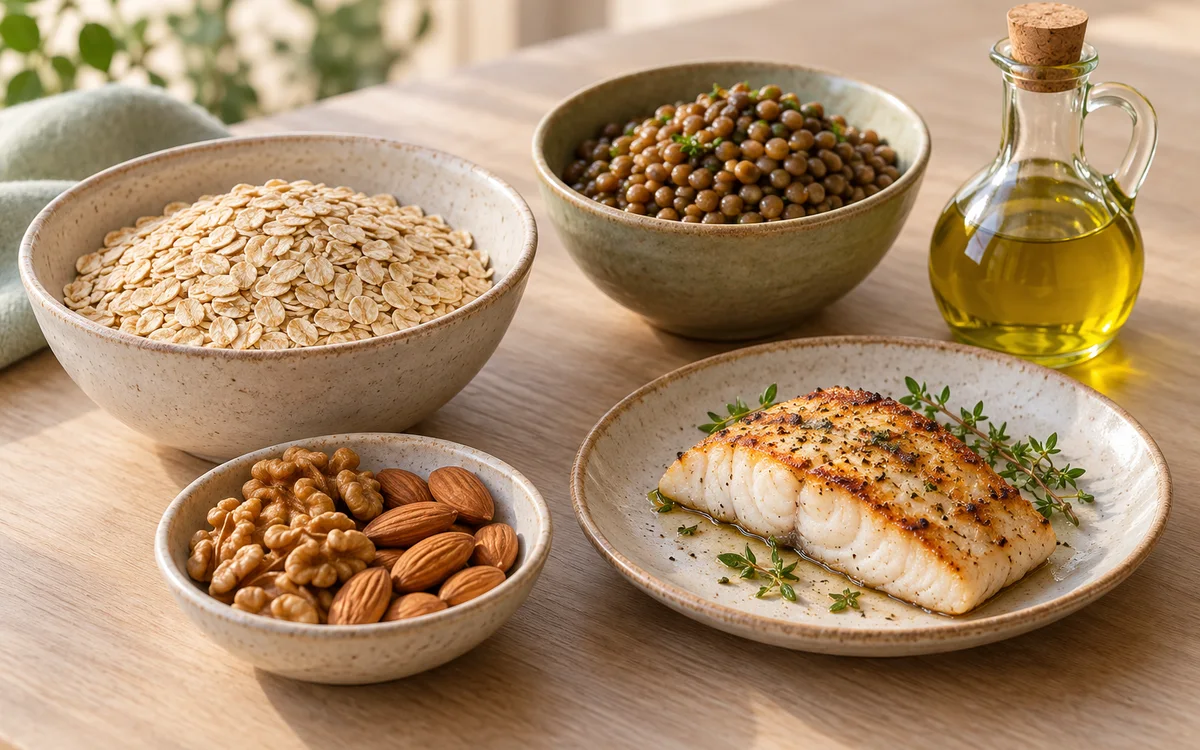
The DASH diet is an eating pattern that helps lower high blood pressure. You eat more vegetables, fruit, whole grains, beans and low-fat dairy, which are rich in potassium, magnesium, calcium and fibre. At the same time, you cut back on sodium (salt) and saturated fat. Large trials run by the US National Heart, Lung, and Blood Institute (NHLBI) found that this way of eating lowers systolic blood pressure (the top number) by 5 to 11 mmHg within a few weeks [1, 9, 10].
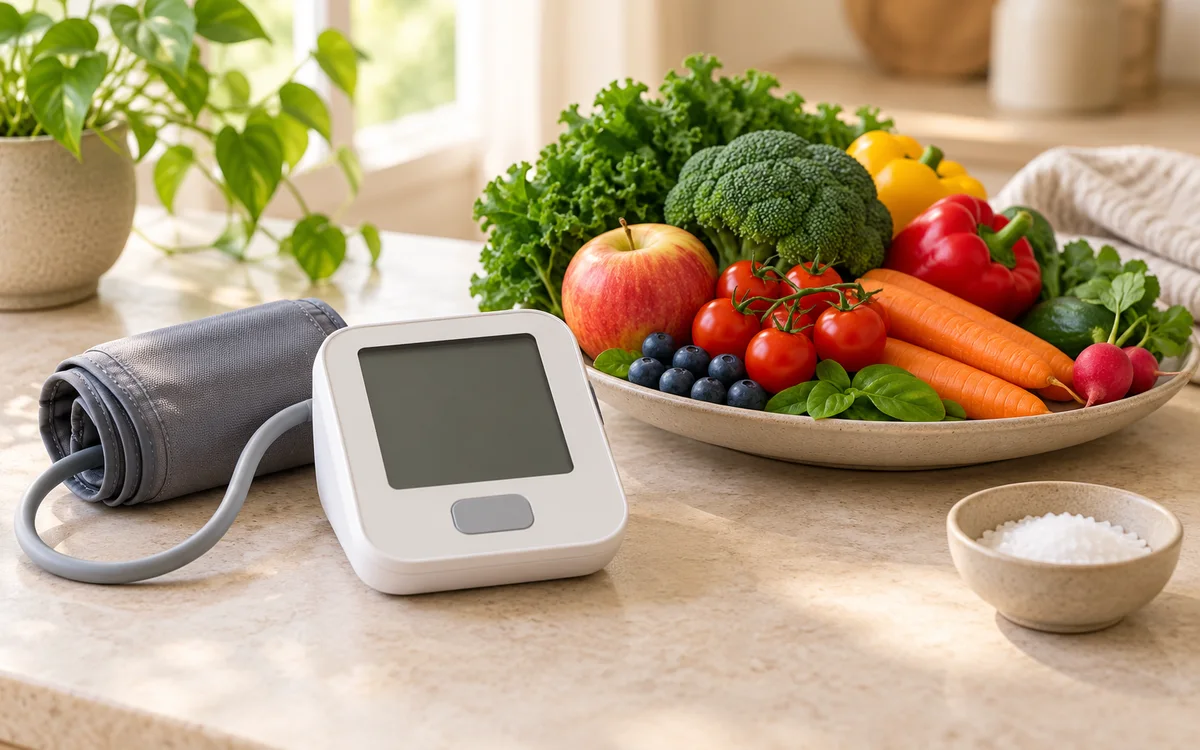
Changing what you eat protects your arteries and lowers your risk of stroke and kidney failure. But it does not replace regular check-ups. High blood pressure is called the "silent killer" because it can damage your blood vessels for a long time without clear symptoms [2, 3, 6]. If you take blood pressure tablets, do not stop them just because you started eating better. Food works alongside your medicine, helps it work better and protects your heart [2, 6].
At La Rose Clinics in New Maadi and Fifth Settlement, our clinical nutrition team reviews your health, how much salt you eat and your blood pressure readings. When you are ready, Book your appointment and we will go through the options that suit you.
Clinical Trial Evidence: Landmark Findings from DASH and DASH-Sodium
DASH is trusted because of big, well-run studies, not because of opinions. In these studies the researchers provided all the food, and the US National Institutes of Health (NIH) paid for them. The first trial was published in the New England Journal of Medicine (NEJM) in 1997. It compared three diets with the same sodium level: a typical American diet, a diet with more fruit and vegetables, and the full DASH diet [9].
The full DASH diet lowered blood pressure clearly within two weeks. On average, systolic pressure dropped by 5.5 mmHg and diastolic by 3.0 mmHg. In people who already had high blood pressure, the systolic drop was 11.4 mmHg [9]. This suggests the nutrients work together (potassium, calcium, magnesium and fibre) to help the artery walls relax [1, 9].
In 2001, the researchers ran the DASH-Sodium trial to test cutting salt on top of the diet. Eating the DASH way and keeping sodium to 1500 mg a day gave the biggest drop in blood pressure ever recorded from food alone. That is why it is part of international guidelines [7, 10].
To know your real numbers, do not decide from one reading. You can read our guide on diagnosing high blood pressure needs a pattern to learn how to record your home readings properly [2, 6].
Sodium Targets and Hidden Salt in Egyptian Foods: Flavor Swaps
The World Health Organization (WHO) advises adults to eat less than 2000 milligrams of sodium a day. That is about one level teaspoon of table salt (around 5 grams of salt) from all foods put together [3, 4]. The US National Heart, Lung, and Blood Institute (NHLBI) and the American Heart Association set a lower target of 1500 mg a day for people who have high blood pressure, to get the most benefit for the blood vessels [1, 5].
In Egyptian homes, the problem is usually not the salt shaker. It is the "hidden sodium" in everyday foods [4, 5]. Aged cheeses such as mish, gebna roomi and baramili are very salty, and one small piece can use up your whole sodium allowance for the day. Pickles (torshi), salted fish like herring and fesikh, stock cubes and ready spice packets also add a lot of sodium without you noticing [4, 5].
Bread is another hidden source. Baladi and white fino bread both have salt added to the dough. If you eat four or five loaves a day, the sodium adds up fast [3, 4].
The smart swap is not bland food. Train your taste buds slowly with natural flavours: fresh lemon juice, white vinegar or apple cider vinegar, crushed garlic, onion, cumin, dried coriander, paprika, thyme and mint. They give strong flavour, so you do not need to add so much salt [1, 5, 8].
Potassium-Rich Egyptian Foods: Vascular Action and Kidney Caution
Potassium works against sodium in your body. It tells the kidneys to flush extra sodium out in the urine. It also helps the smooth muscle in your artery walls relax and widen, so there is less resistance and blood pressure falls [3, 11]. A meta-analysis (a review pooling many studies) in the British Medical Journal (BMJ) found that eating more potassium lowers systolic pressure by about 3.49 mmHg and cuts the risk of stroke by 24% in adults [11].
Egyptian markets have plenty of cheap, potassium-rich foods: leafy greens like spinach, molokhia and arugula; boiled potatoes with the skin on; baked sweet potatoes; beans and lentils; and fresh fruit such as bananas, oranges, guavas and cantaloupe [1, 4, 11]. Four to five servings of these a day gives you the potassium you need naturally, with no supplements [1, 7].
An important warning: potassium-rich food is great if your kidneys work normally. But it can be dangerous if you have chronic kidney disease or take medicines that hold potassium in the body, such as ACE inhibitors, angiotensin receptor blockers (ARBs) or spironolactone. When potassium builds up in the blood (hyperkalemia), it can cause serious heart rhythm problems. So check with your doctor and get a blood test before you deliberately eat more potassium [3, 6, 11].
A Practical Egyptian DASH Day: Household Meals and Portion Guidance
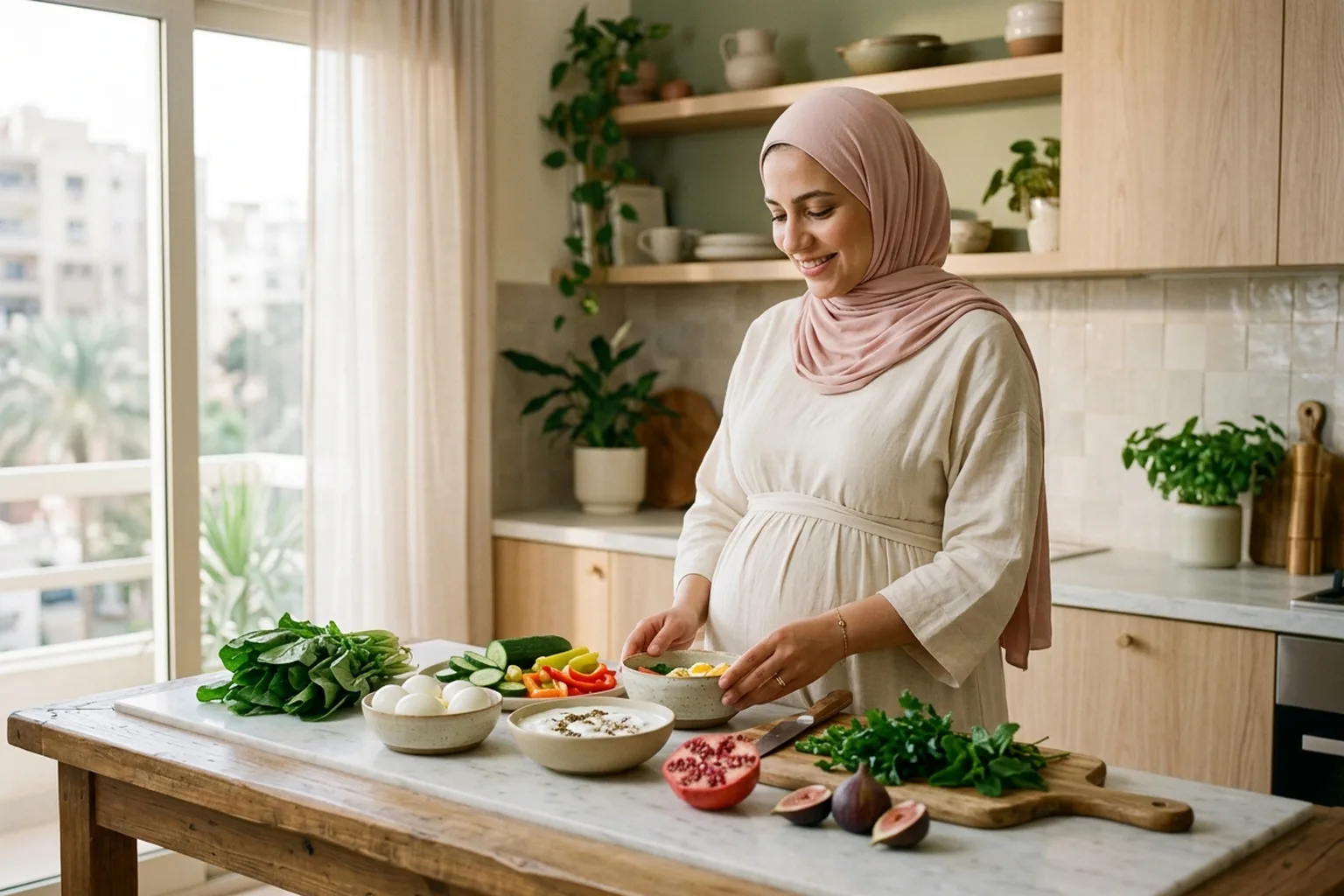
Following DASH at home in Egypt is easy and needs no complicated meals. Fill half your plate with vegetables and fruit, choose low-salt dairy and eat whole grains [1, 7].
For breakfast, you can have four to five tablespoons of fresh unsalted cottage cheese mashed with a teaspoon of olive oil, with plenty of sliced cucumber and tomato. Or have a bowl of ful medames with olive oil, lemon and cumin and no added salt, with half a loaf of whole-grain baladi bread and a cup of weak tea or herbal tea [1, 4, 7].
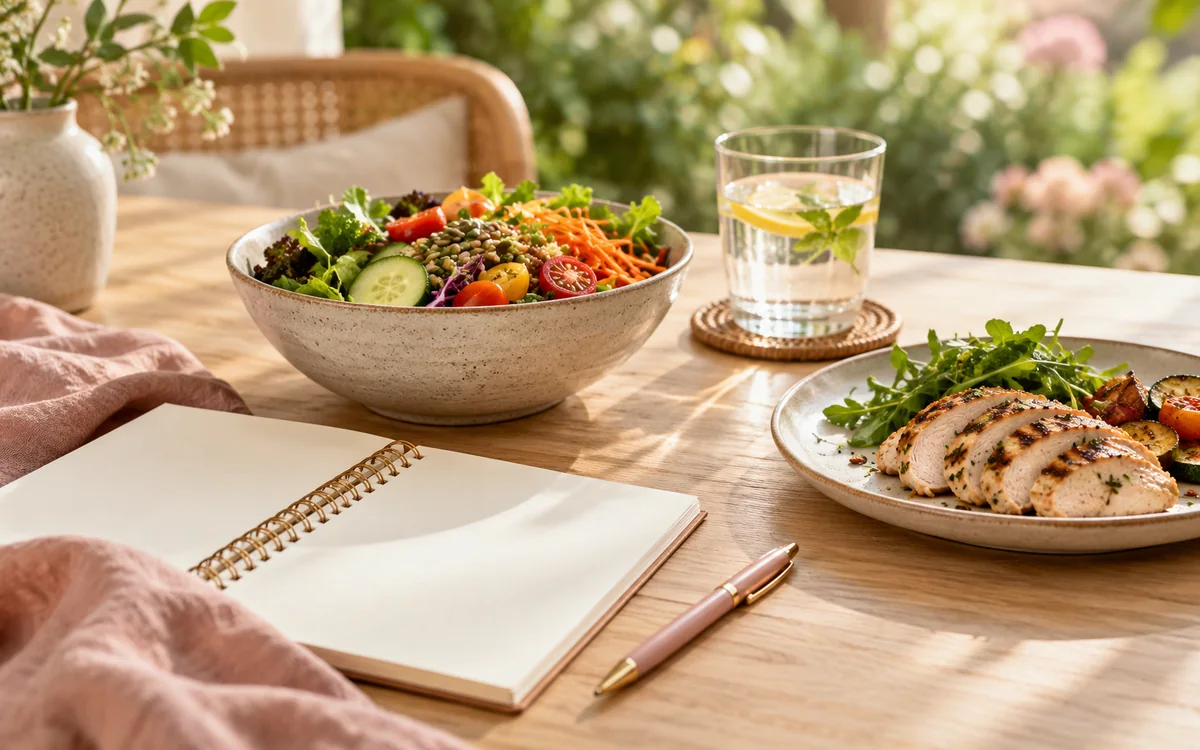
For lunch, have a palm-sized piece of grilled chicken without the skin, or a piece of grilled fish like tilapia or mullet. Add four tablespoons of freekeh or brown rice, a dish of vegetables such as courgettes or green beans cooked in fresh tomato sauce without stock cubes, and a big green salad with lemon, vinegar and olive oil [4, 7, 8].
For dinner, keep it light: a pot of plain unsweetened yoghurt with half a sliced banana and a spoonful of oats, or a slice of wholegrain bread with a boiled egg and some arugula and cucumber. For snacks between meals, have a fresh orange or apple, or a small handful of unsalted almonds or peanuts [1, 7].
If you want more evening meal ideas that help both blood pressure and weight, see our low-calorie Egyptian dinner ideas for quick, filling options [1, 4].
Weight and Hypertension: How Moderate Energy Deficits Lower Pressure
Extra body weight, especially belly fat, puts a heavy load on your circulation. Extra fat releases substances that cause inflammation and switches on the sympathetic nervous system. The heart then pumps harder and the kidneys hold on to sodium and water [1, 2, 8].
Studies show that every kilogram of extra weight you lose lowers systolic blood pressure by about 1 mmHg. So losing 5 to 10 kilograms in a healthy way can make a real difference, often similar to the effect of a single blood pressure tablet [2, 8]. You do not need a harsh diet or to starve yourself. A small calorie deficit is enough. It helps you lose fat safely while keeping the minerals your body needs [1, 8].
To find out how many calories you need each day, read our guide on how to calculate a calorie deficit. You can also follow our 7-day diet plan for weight loss in Egypt to balance fewer calories with DASH principles [1, 2].
Caffeine and Blood Pressure: Scientific Nuance and Sensible Habits
Many people with high blood pressure ask whether they have to give up tea and coffee. Some believe coffee causes long-term high blood pressure and must be avoided completely. A review published in the American Journal of Clinical Nutrition shows that caffeine does raise blood pressure for a short time, about one to three hours after drinking, because the blood vessels tighten briefly. But regular, moderate drinking does not cause long-term high blood pressure, and it is not linked to higher heart disease deaths in people who are used to it [12].
The rule is simple: keep it moderate and avoid misleading readings. Have one or two cups of coffee or tea a day if you tolerate them well. Do not have anything with caffeine in the 30 minutes before you measure your blood pressure, so you do not get a false high reading [2, 6, 12]. Avoid energy drinks completely. They contain a lot of caffeine and stimulants that put extra strain on the heart [6, 12].
These habits fit well with heart-healthy eating in general. You can read our guide on the Mediterranean diet with Egyptian foods to learn about healthy drinks and fats that protect your arteries [1, 4].
Diet and Pharmacotherapy: Why Nutrition Complements but Never Replaces Drugs
One of the most dangerous mistakes some people with high blood pressure make is stopping their tablets suddenly once they start the DASH diet or drink hibiscus tea. Healthy eating is powerful, but it lowers blood pressure by about 5 to 11 mmHg on average. That is a good drop for mild cases, but it is not enough on its own if your pressure is above 140/90 mmHg or you already have damage to your organs [2, 3, 9].
If high blood pressure is left uncontrolled without medicine, it can permanently damage the tiny blood vessels in your eyes, kidneys and brain. This damage cannot be reversed later [3, 6]. The DASH diet is a strong helper that lets your medicines work better. Your doctor may be able to lower the dose or the number of tablets over time. But only your doctor should make that decision, based on your regular home readings [1, 2, 6].
Take your medicines on schedule, see DASH as long-term protection for your heart, kidneys and arteries, and talk to your doctor before changing any treatment [2, 6].
Hypertension Clinical Nutrition at La Rose: Maadi and Fifth Settlement
At La Rose Clinics, we turn the DASH principles into a realistic plan that fits Egyptian food, your household budget and your daily routine. A clinical nutrition visit starts with a look at your blood pressure record, your home readings, your current medicines, and your kidney and blood salt tests. Then we agree on clear steps to cut hidden salt and bring in potassium-rich vegetables in ways your family will enjoy [1, 2].
Clinical nutrition and metabolic care are available at both branches. The New Maadi branch is at 14 Al Mokhtar Street, off Al Nasr Street, behind QNB Bank. The Fifth Settlement branch is in CMC Medical Mall, fourth floor, North 90th Street, behind the Air Force Specialized Hospital. You can call or send a WhatsApp message to 010 4066 1893 to ask questions and confirm available times.
Our goal is to give you practical tools to control your blood pressure and protect your arteries with confidence, without feeling cut off from the family table or giving up the foods you love [1, 4].