What does the kit solve, and what does it not do?
After birth, feeds can arrive at your mealtime or last longer than expected. If water and food are elsewhere, it is easy to finish a feed thirsty, move straight to another task, and forget to eat. The kit is not a new diet. It is a small environmental change that shortens the distance between noticing hunger or thirst and having a usable option. Breastfeeding guidance explains that milk production raises energy needs for many people, although needs vary with body size, activity, and stage of lactation rather than following one number for everyone [1].
A small snack is not meant to replace meals throughout the day. A varied, balanced pattern remains the foundation: fruit and vegetables, a carbohydrate source, protein, and dairy or a fortified alternative when suitable [2, 3]. The kit is a bridge to the next meal or support through a long feed. If nearly all food is eaten from the chair, or two meals are missed most days, the problem needs more planning and support than a snack box can provide.
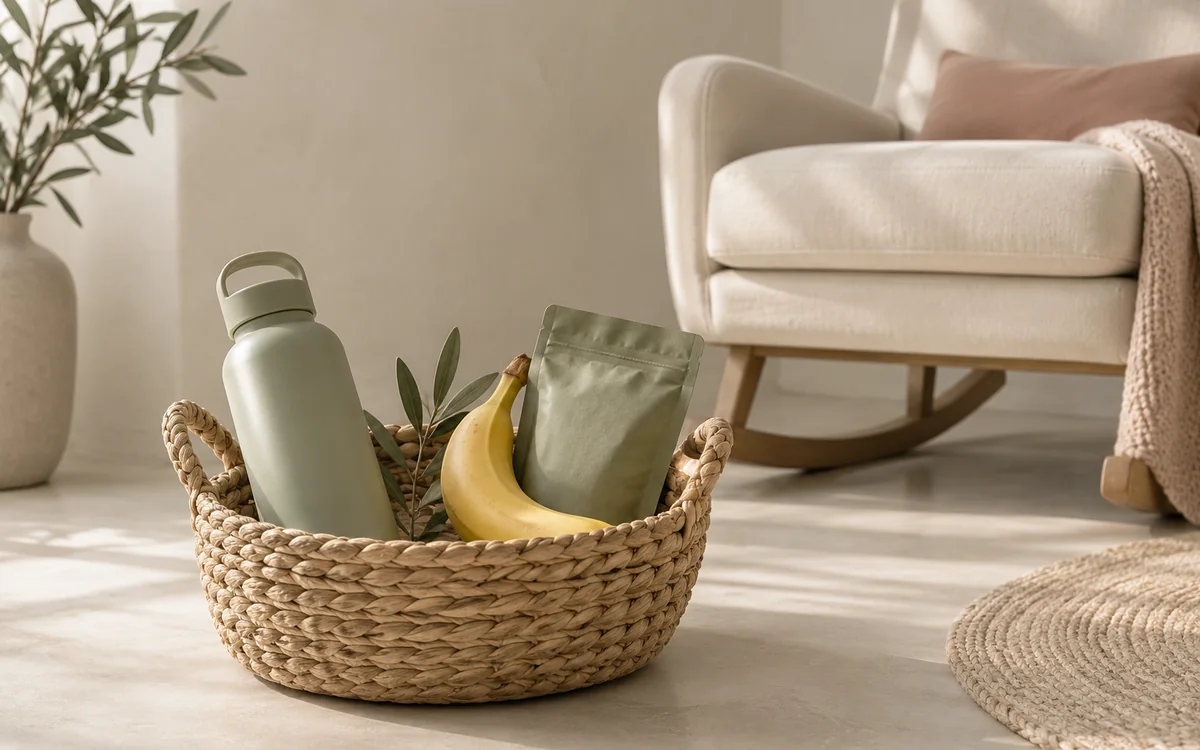
Start with one place you use often: the feeding chair, bedside table, or pumping area. Put a sealed water bottle, a napkin, and one suitable snack there. Do not build a crowded store; what matters is seeing, using, and replacing the items. For the wider question of appetite or gradual weight change, Breastfeeding hunger and safe weight loss covers that separate topic without turning this practical page into a weight-loss plan [1, 2].
Build the kit in two minutes and reset it daily
Keep the kit small and obvious. The first part is a clean water bottle with a lid that opens easily with one hand and will not leak near the baby or equipment. The second is either a shelf-stable snack or a note reminding you to collect a chilled snack before the feed. The third is a place for the empty wrapper or container, so you can see that the kit has been used rather than assuming it is still ready. If you regularly feed in two places, two bottles may be simpler than carrying one around all day.
Attach the reset to something that already happens: after breakfast, while washing feeding equipment, or before the first night feed. Clean the bottle according to its instructions, refill it, remove open packages, and check product dates. One deliberate reset is more reliable than memory when you are tired. Do not keep medicines or dietary supplements in the kit for automatic use. Supplements have doses and interactions, and their place should be decided with the treating clinician or dietitian [1, 4, 5].
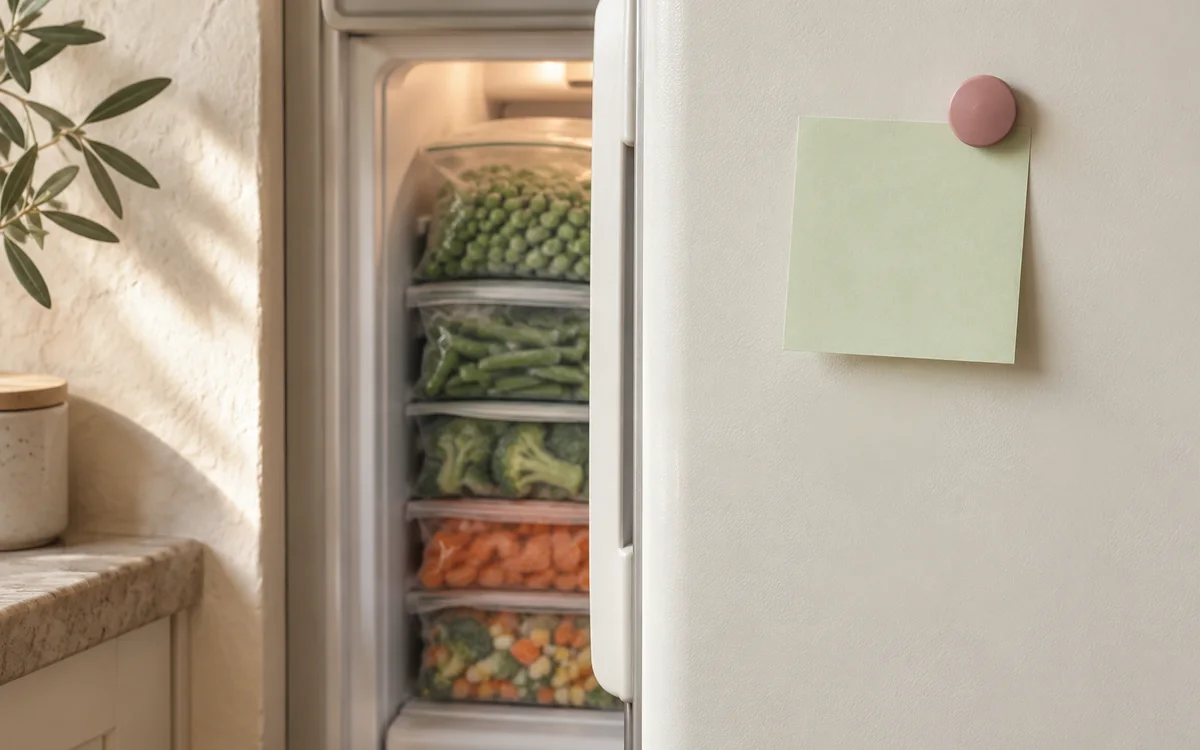
Make a short rotation of three options: one dry shelf-stable choice, one refrigerated choice, and one backup from the freezer or kitchen. If one runs out, the station does not quietly become a biscuit shelf. When meal preparation itself is the barrier, Write three freezer-meal pairs explains a separate system for main meals. The chair-side kit is a small support point, not a replacement kitchen [2, 3].
Choose a snack that satisfies and is easy to eat
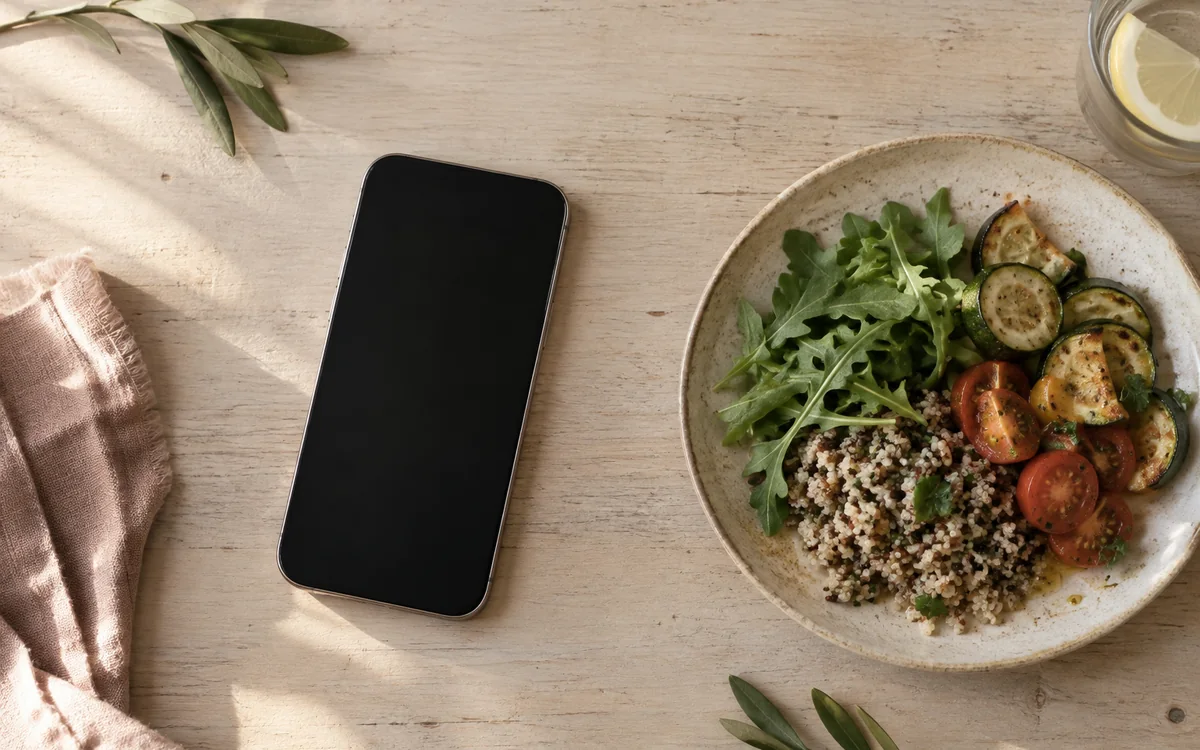
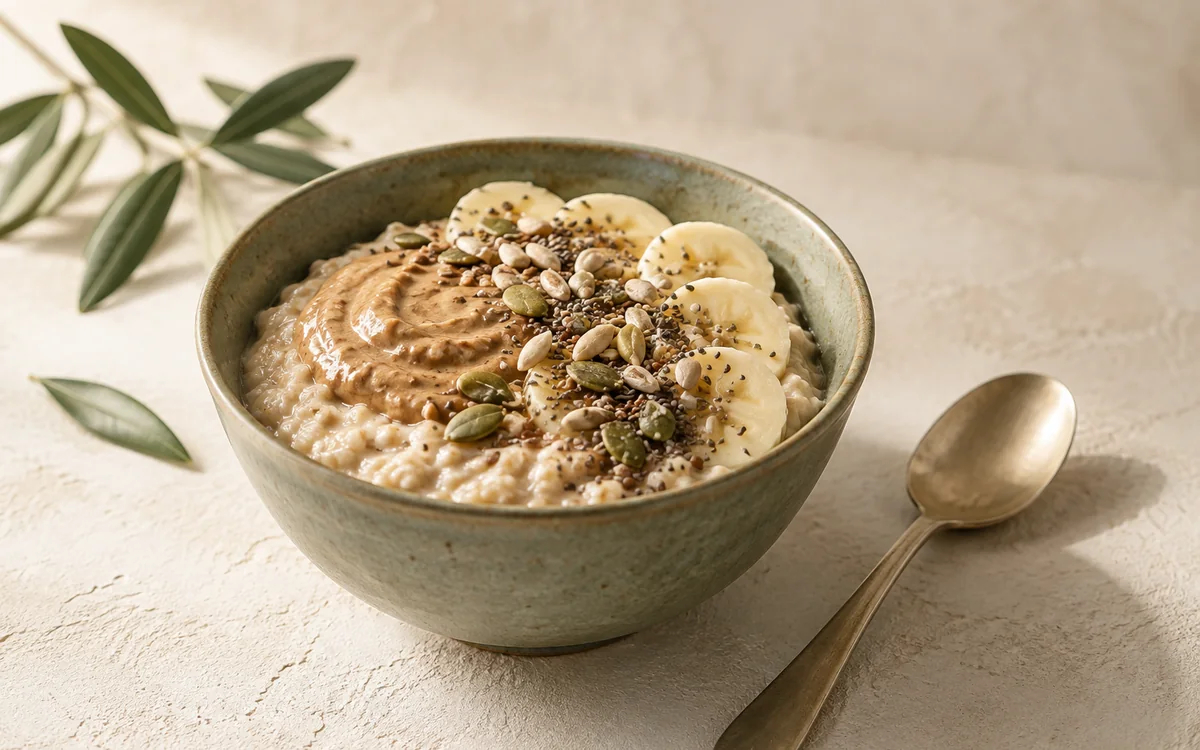
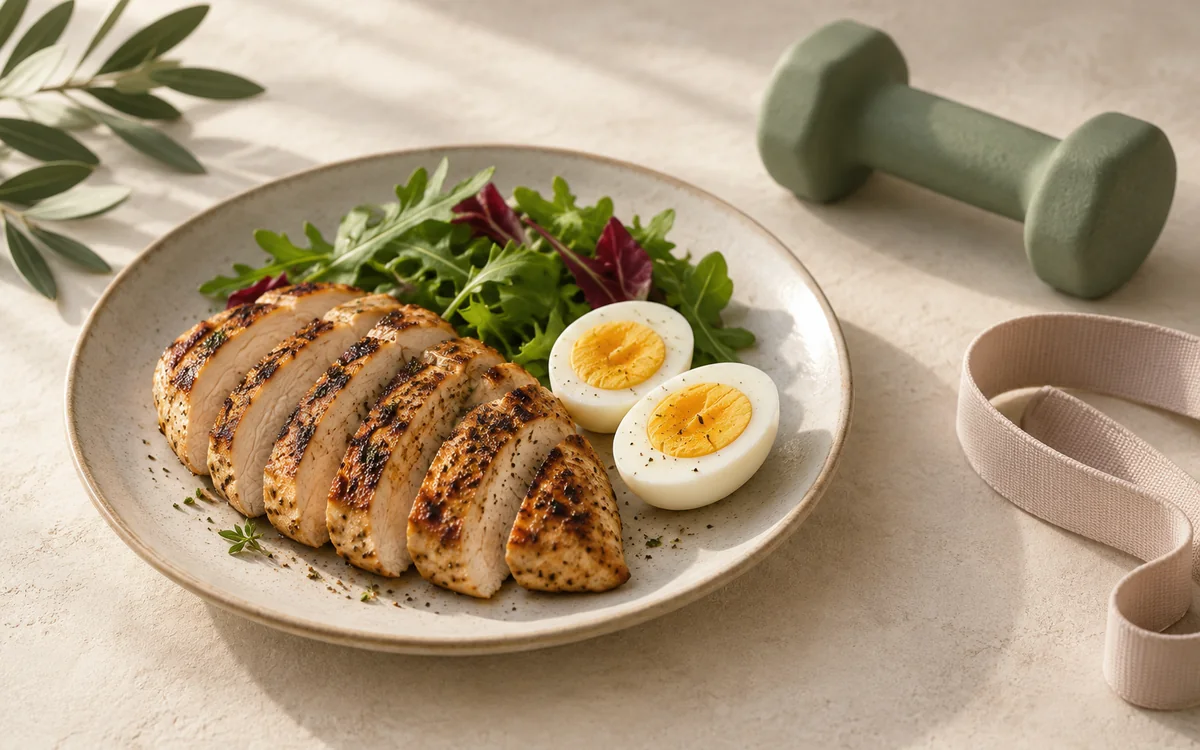
Instead of searching for a perfect snack, assemble one from two or three parts: a protein source, fruit, vegetables, or a carbohydrate, and a modest source of fat when appropriate. Simple examples include fruit with nuts when allergy and choking are not concerns; yoghurt with oats kept refrigerated; a small sandwich with thoroughly cooked egg or pasteurised cheese; hummus with bread and cucumber; or pasteurised milk with a banana. Variety helps cover nutritional needs, and the snack does not need to be a special breastfeeding product [1, 2, 3].
Choose something you can open and close without balancing a knife or plate over the baby. Cut fruit or prepare a sandwich before sitting down, but store it safely until use. Keep hot drinks away from the baby; one sudden movement can cause a burn, so use a sealed cup placed beyond the baby's reach. Whole nuts are also inappropriate if an older mobile child could take them, because they can be a choking hazard. Keep small foods in a closed container and out of children's reach.
A snack is not a test of virtue. If the day calls for a larger amount or a full meal, eat a meal. Diabetes, kidney disease, allergy, coeliac disease, or a postpartum treatment plan can change the suitable choice and amount. Do not copy another person's list. Work with foods that are available, tolerated, and consistent with advice from your own clinician. The aim is to prevent exhausting hunger, not to obey one fixed format when the day changes [1, 3].
Know what can sit out and what must stay cold
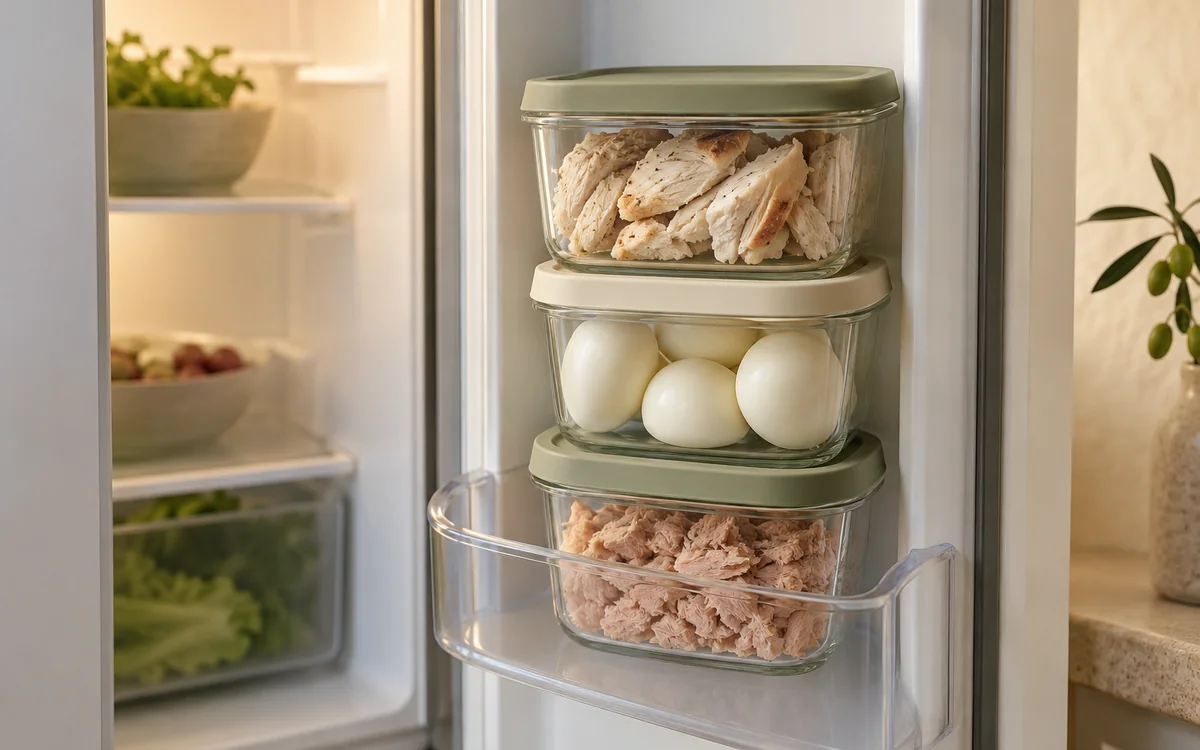
Whole fruit washed at the point of use, a sealed container of nuts, crackers, or dry oats may work as shelf-stable choices when their labels allow it. Yoghurt, milk, cheese, eggs, meat, prepared sandwiches, and leftovers are perishable and should not sit beside the chair for hours. Food-safety guidance says to refrigerate perishable food within two hours, or within one hour when the surrounding temperature is above 90°F (32°C). The refrigerator should be at 40°F (4°C) or below [6].
A practical boundary is to keep only the water bottle and dry snack in the permanent kit, with a reminder for the chilled item. Collect its container from the refrigerator at feed time and return unused food promptly. If refrigeration is not nearby, use an insulated bag with an appropriate cold source; a cool-feeling room is not refrigeration. Do not trust smell or appearance alone, because harmful germs can be present without an obvious warning [6, 10].
Wash hands before preparation, separate raw food from ready-to-eat food, and cook eggs and meat thoroughly. Rinse fruit and vegetables under running water before cutting. Check each product's label because storage limits differ; the cold-storage chart, for example, gives a short refrigerated life for prepared egg or chicken salads [7]. If you cannot tell how long food has been out, discard it rather than tasting it. Write three freezer-meal pairs contains the fuller cooling, thawing, and reheating guidance, so this page does not duplicate it [6, 7].
Keep water close without turning it into a numbers challenge
Keeping a bottle nearby helps prevent delayed drinking, but you do not have to finish a bottle with every feed or force very large volumes. Drink to thirst and watch practical signs. Persistently dark-yellow urine, less frequent urination, dry mouth, headache, or dizziness can indicate dehydration. Needs rise with heat, sweating, vomiting, or diarrhoea, when regular small sips may be easier than a large amount at once [9].
Water is a straightforward choice, while pasteurised milk, soup, and some fruit and vegetables also contribute fluid. Coffee and tea are not automatically forbidden during breastfeeding. Caffeine reaches milk in small amounts, and the CDC says low-to-moderate intake usually causes no problem, while younger or premature infants clear it more slowly. If the baby becomes unusually irritable or sleep changes after a high intake, reduce it and discuss the pattern with a clinician [1]. Count coffee, tea, cola, energy drinks, and chocolate together rather than considering coffee alone.
If your question is whether everyone must drink eight glasses, Do I need eight glasses of water every day? covers that rule and why individual needs vary. The goal here is behavioural: a clean bottle within reach and regular drinking in response to thirst, weather, and health. If you have heart or kidney disease, or a clinician has set a fluid limit, follow that individual plan instead of general advice [1, 9].
The snack is one part of the picture, not a substitute for variety or treatment
The snack can prevent missed eating, but it cannot cover every lactation need if the rest of the day is very limited. Requirements for some nutrients, including iodine and choline, rise during breastfeeding, and the CDC advises reviewing supplements with a healthcare provider rather than assuming everyone needs the same product [1]. Iodine sources include fish, dairy foods, and eggs, although content varies, and excessive supplemental iodine can cause harm or interact with medicines [4]. Vitamin D occurs naturally in relatively few foods, while some products are fortified. A milk or yoghurt label does not by itself prove fortification, so read the label [5].
If you eat an entirely vegan diet, have a history of anaemia, thyroid disease, malabsorption, or exclude a whole food group, do not try to solve the issue with one snack. A clinician or dietitian can use laboratory results, medicines, and the dietary pattern to decide what is needed. Do not add herbal milk-supply mixtures to the kit on the assumption that natural means safe. Effectiveness, safety, and interactions vary, while a milk-supply concern also requires assessment of the feed itself [1, 4, 5].
Your hunger or thirst does not determine milk supply. Useful signs include audible swallowing, frequent feeding, age-appropriate nappies, and a growth trend reviewed by the baby's clinician. Persistent pain, cracked or bleeding nipples, difficulty keeping the baby attached, or too few wet nappies deserves early help from the baby's clinician or a lactation professional [11]. The kit supports you during a feed; it cannot treat attachment or supply problems.
When is a snack not enough, and when should you seek help?
Ordinary hunger after several hours without food usually improves after eating and drinking. Ongoing dizziness, fainting, a racing heart or chest pain, trouble breathing, a severe headache that will not resolve, vision changes, a temperature of 100.4°F (38°C) or higher, vomiting that prevents fluids, severe abdominal pain, heavy bleeding after birth, marked pain or swelling in one leg, or thoughts of harming yourself or the baby are not problems to solve with a snack. Pregnancy-related complications can arise for up to a year after delivery, so seek immediate medical care and say that you gave birth within the past year [12].
After stored food, seek medical assessment for bloody diarrhoea, high fever, diarrhoea lasting more than three days, or repeated vomiting that prevents fluids. Little urination, dry mouth, and dizziness on standing are important dehydration signs [8, 9]. For the baby, markedly fewer feeds, no audible swallowing, continuing weight loss, jaundice, or fewer nappies than expected for age warrants prompt contact with the baby's clinician. Do not try to correct those signs only by increasing your own food or fluid [11].
When there is no emergency but meals are repeatedly missed, weight is changing unintentionally, fatigue is disabling, or a medical condition or allergy complicates snack choice, you can request a clinical nutrition appointment at the clinic. Bring a medicines and supplements list and a record of one ordinary day of eating. Individual decisions remain with the treating clinician or dietitian. The kit is a small organisation tool, not a diagnosis or treatment [1, 12].