What Is a Good Hot Winter Drink Without Added Sugar? A Raw Cocoa Cup with 9 g of Protein
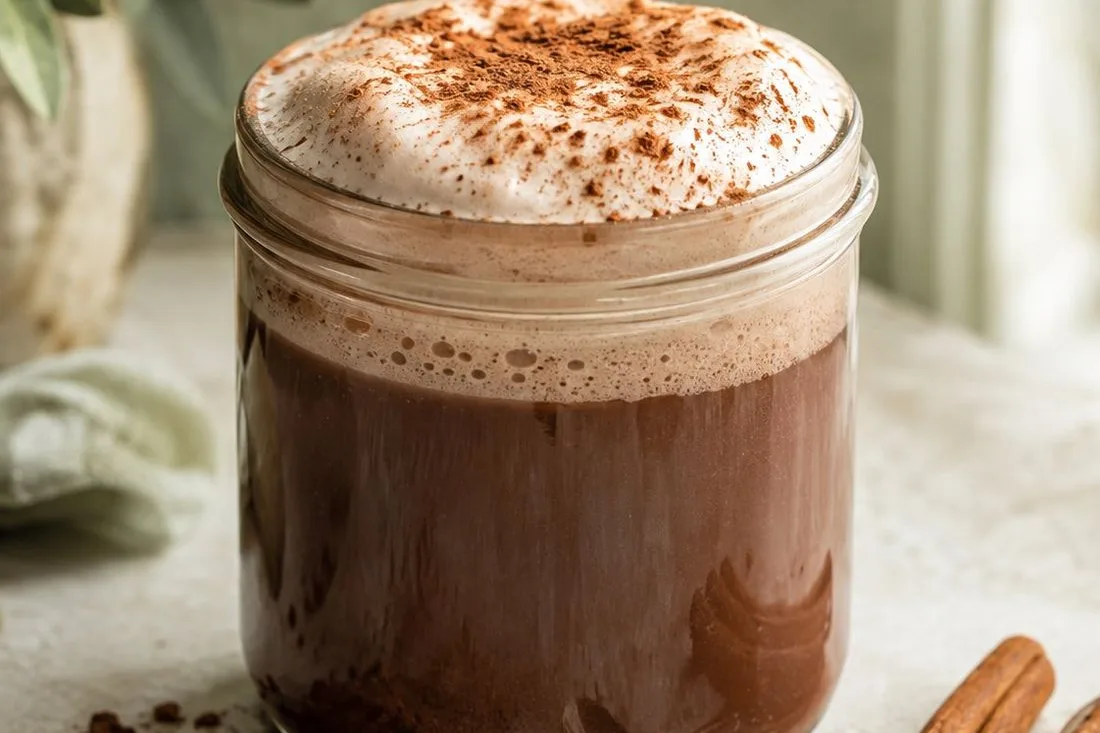
When the weather turns cold, most people look for a sweet hot drink that warms them up without becoming a full cup of sugar. A raw cocoa cup made with milk is a simple answer: one tablespoon of unsweetened raw cocoa, a quarter teaspoon of cinnamon and about 240 ml of low fat milk, heated and frothed. It takes 3 minutes to prepare and 5 to cook, and one cup has 120 kcal, 9 g of protein, 15 g of carbohydrate and 3 g of fat, according to the La Rose Recipe Guide.
This drink is healthy and suits most of the family, adults and children, and it is also safe in pregnancy provided it is made with pasteurised milk and your total caffeine for the day is counted, which we detail below. It needs no diet and no special occasion. It is simply a lighter alternative to the ready made hot chocolate that is usually prepared from a powder high in sugar.
The main difference between the two is the ingredient list. In a ready or sweetened mix, sugar is often the first ingredient. Raw cocoa is the cocoa powder itself, with its strong bitter flavour, and you control the sweetness. The World Health Organization recommends keeping free sugars below 10 percent of daily energy [1], so a cup with no added sugar saves part of that limit without you noticing.
The article answers what people actually ask: what raw cocoa means, how much caffeine it has, whether zero calorie sweetener means zero calories, how to make it without milk, and how to reheat it without scorching. If you want a filling bite beside it, the article on Greek yogurt protein bowl with eggs offers a quick protein idea.
What Does Raw Cocoa Mean, and How Is It Different from Ordinary Cocoa Powder?
Names get tangled in the market. Raw or natural cocoa is usually sold as a dark brown powder with no sugar or milk, and its flavour is bitter and a bit sharp. Dutched cocoa powder is treated with an alkali, so it is darker and smoother in taste. Ready hot chocolate and "cocoa with milk" mixes are a blend with sugar, milk powder and other ingredients, which is a different product.
To choose well, read the pack. The only ingredient should be "cocoa" or "cocoa powder". If you find sugar, starch or sweeteners in the list, it is not raw cocoa even if the pack carries attractive wording.
The word "raw" can be used on many products with different marketing meanings, so a higher price does not necessarily mean higher quality. What matters is to check the ingredients and the expiry date and to keep the tin somewhere dry, away from humidity.
Cocoa contains plant compounds called flavanols, which are an ongoing research topic. But this cup is not a treatment for any condition, and there is no need to exaggerate its claims. Its main value is a richly flavoured drink without added sugar, with protein coming from the milk. Harvard counts low fat dairy as part of a healthy plate in moderation [3].
On quantity, a tablespoon of cocoa is roughly 5 g, which gives enough flavour for a 240 ml cup. If it tastes too bitter, start with one and a half teaspoons and increase gradually.
How Many Calories and How Much Protein Does a Cup Have, and Where Do They Come From?
Per cup the numbers are 120 kcal, 9 g of protein, 15 g of carbohydrate and 3 g of fat. Almost all of it comes from the milk: 240 ml of low fat milk gives about 8 g of protein and the carbohydrate comes from lactose, while the cocoa adds only a few grams.
An important point: if you use a zero calorie sweetener, the calories stay around 120, because they come from the milk and not from the sweetness. "Sugar free" does not mean "calorie free". This answers a question that comes up often. If you want more calories, full fat milk adds about 60 kcal and 6 g of fat per cup.
Milk is also a source of calcium. The NHS says adults need 700 mg of calcium a day [10], and milk and dairy are main sources. It also supplies iodine, a mineral the NHS links with thyroid health [11].
At the same time, one cup does not cover your protein needs. Harvard explains that protein is best spread across meals and drawn from varied sources including legumes, nuts, fish, poultry and dairy [4]. So treat the cup as a pleasant addition to your meal and not a replacement for it.
A quick comparison: a ready made hot chocolate with sugar and cream can reach double these calories or more in one cup, depending on the product and the size of the cup, so read the nutrition table on whichever pack you use.
Does Cocoa Contain Caffeine, and Is It OK Before Bed or for Children?
Yes, cocoa contains caffeine, and also a close relative called theobromine. The amount in a tablespoon of cocoa is very small compared with a cup of coffee or a strong tea, but it is not zero. So if someone is sensitive to caffeine, sleeps poorly, or already drinks a lot of coffee and tea during the day, they should keep an eye on the total.
For pregnancy, the NHS advises not going above 200 mg of caffeine a day from all sources combined: coffee, tea, energy drinks, chocolate and cola [7]. The cocoa cup counts toward that total, so add up the caffeine from coffee, cocoa and any other source using the labels, keep the total under 200 mg a day, and review the figure with your doctor.
For children, caffeine and theobromine intake should be reviewed with a paediatrician or dietitian, especially if the child is young or sensitive, so if you serve it to a young or sensitive child, ask the doctor first and reduce the cocoa.
As for sleep, there is no basis for saying cocoa improves sleep, nor that it blocks sleep for everyone. It differs from person to person, so test yourself: if your sleep is affected, move the cup earlier.
A practical tip: start with half a tablespoon the first time and watch how you feel. Spreading caffeine across the day instead of collecting it in one hour is lighter on the body.
How Do I Make the Hot Raw Cocoa Cup Step by Step?
Ingredients for one cup: one tablespoon of unsweetened raw cocoa, an optional zero calorie sweetener, a quarter teaspoon of cinnamon, one tablespoon of hot water and about 240 ml of low fat milk.
1. Put the cocoa, cinnamon and sweetener in the cup, add the hot water and stir until it becomes a smooth paste without lumps. This step stops the cocoa from clumping on the surface. 2. Heat the milk in a small pot over a gentle flame to about 65 to 70 C, meaning clear steam without a hard boil. Higher heat scorches the milk and gives a cooked taste. 3. Whisk the milk with a small wire whisk or a milk frother for 20 seconds to create foam. 4. Pour the milk gradually over the cocoa paste and stir. 5. Serve immediately. Sprinkle a little cinnamon if you like.
If you prefer a less sweet drink, reduce the sweetener or leave it out. If you want a stronger flavour, add half a tablespoon more cocoa.
The recorded recipe with all its numbers is in the full recipe in the Recipe Guide, with the steps and nutrition values per serving.
Which Milk Should I Pick, and Can I Make It Without Milk or During Pregnancy?
The key safety point is the type of milk. Raw unpasteurised milk can carry harmful bacteria, and the FDA warns it is a risk for children, pregnant women, older adults and people with weak immunity [5]. So choose pasteurised or UHT milk from a pack with a clear expiry date. That is also a basic condition during pregnancy, according to the FDA and the NHS [6][7].
If you do not drink milk or have lactose intolerance, alternatives are available:
1. Lactose free milk: nearly the same values and a close taste. 2. Fortified soy milk: protein close to cow's milk and the most suitable plant alternative for protein. 3. Almond or oat milk: lighter in protein, so the cup will have about 1 to 4 g instead of 9. Choose unsweetened and calcium fortified if possible. 4. Coconut milk drink: lowest in protein, and its flavour is noticeable with cocoa.
Heat gently, because plant alternatives sometimes separate if boiled hard.
If you make the drink for children, reduce the cocoa to a teaspoon, increase the milk, and serve it warm and not very hot to avoid burns. In pregnancy, pasteurised milk and total caffeine under 200 mg a day are the two rules.
By the way, if your breakfast needs more protein in the morning, the article on pregnancy breakfast with eggs, yogurt and chickpeas suits the whole family, not only pregnancy, and follows the same principle of varied protein.
Sugar and Sweeteners: How Do I Sweeten It Without Undoing the Idea?
A drink with no added sugar does not have to be bitter. There are several ways:
1. A mashed date in the cup: it gives sweetness and fibre and adds about 20 kcal for a small date. It is natural fruit sugar, but it is still sugar, so count it within your daily allowance [1]. 2. Half a mashed banana: natural sweetness and a creamy texture. 3. A zero calorie sweetener: it gives sweetness without extra calories but does not change the milk's calories. Use it in moderation, and get used gradually to less sweetness. 4. More cinnamon or a pinch of vanilla: they improve the sense of sweetness with no sugar at all. 5. Using less cocoa: sometimes the bitterness is what makes people add extra sugar.
Do not forget that a daily cup with two tablespoons of sugar adds about 100 kcal, which can accumulate. It is better to count across the whole day.
As for hunger, if you find yourself drinking cocoa because you are hungry and not because you want warmth, the question matters. The article on I eat well and get hungry an hour later, why? explains the causes of quick hunger, and the article on How do I tell physical hunger from emotional eating? helps you separate real hunger from a wish for something sweet.
In the end the drink should be a regular pleasure and not a habit that turns into hidden sugar. If you want a cold drink sweetened by fruit, see the article on beetroot, pomegranate and date juice, and keep in mind that juice sweetness is free sugar too.
Can I Prep It Ahead, and How Do I Reheat It Without Scorching?
There is no problem preparing a dry mix: combine cocoa, cinnamon and sweetener in a clean dry jar and use a tablespoon of it per cup. The mix lasts weeks in a dry place if well closed, provided it has no milk powder or sugar.
The finished milk cup is best drunk fresh. If you have leftover cocoa milk:
1. Cool it fast and refrigerate within two hours of making it, or one hour in hot weather. That is the USDA rule for cooked food [8]. 2. It is best eaten within 3 to 4 days, according to the USDA, with the fridge at 4 C or below [8][9]. 3. Reheat on a gentle flame while stirring, or in the microwave in 30 second bursts with stirring between, until it is properly hot. 4. Whisk it again because the cocoa settles at the bottom.
Reheating problems are mostly caused by high heat. Milk sticks to the bottom of the pot and scorches quickly, so use a heavy bottomed pot and keep stirring.
If you are making for more than one person, multiply the quantities but do not go past one tablespoon of cocoa per 240 ml of milk, or it will taste chalky.
For a cold drink in summer, make the same paste, then add cold milk and ice.
What Are the Common Mistakes, and When Should I Ask for Advice?
Mistakes that repeat:
1. Buying a "cocoa" that is really a sugar blend, believing it is raw. 2. Adding a lot of honey and sugar, so the drink turns into liquid dessert. 3. Boiling the milk over high heat until it scorches and loses flavour. 4. Ignoring the caffeine from other drinks, especially in pregnancy. 5. Giving children large amounts in the evening. 6. Relying on the drink as a meal replacement. Harvard explains that a healthy plate rests on vegetables, fruit, whole grains and healthy protein, with water as the main drink [3]. 7. Forgetting to drink water. The NHS suggests about 6 to 8 glasses of fluid a day [2]. Cocoa milk is one of them but not a replacement for water.
When should you ask for advice? If you have diabetes, high blood pressure, a milk allergy, or are pregnant and drink a lot of coffee, or you want a nutrition plan that suits your schedule. The clinical nutrition team at La Rose clinics reviews the drinks you have each day and adjusts them with you.
If you want a personal plan based on your needs, book a nutrition consultation at La Rose clinics in Maadi and the 5th Settlement.
Finally, this cup is a small part of a varied diet, and its best feature is that it is simple and you can enjoy it every day in winter without counting every millilitre.