Healthy meal prep meals: how do I cook air-fryer chicken and rice that lasts 3 days?
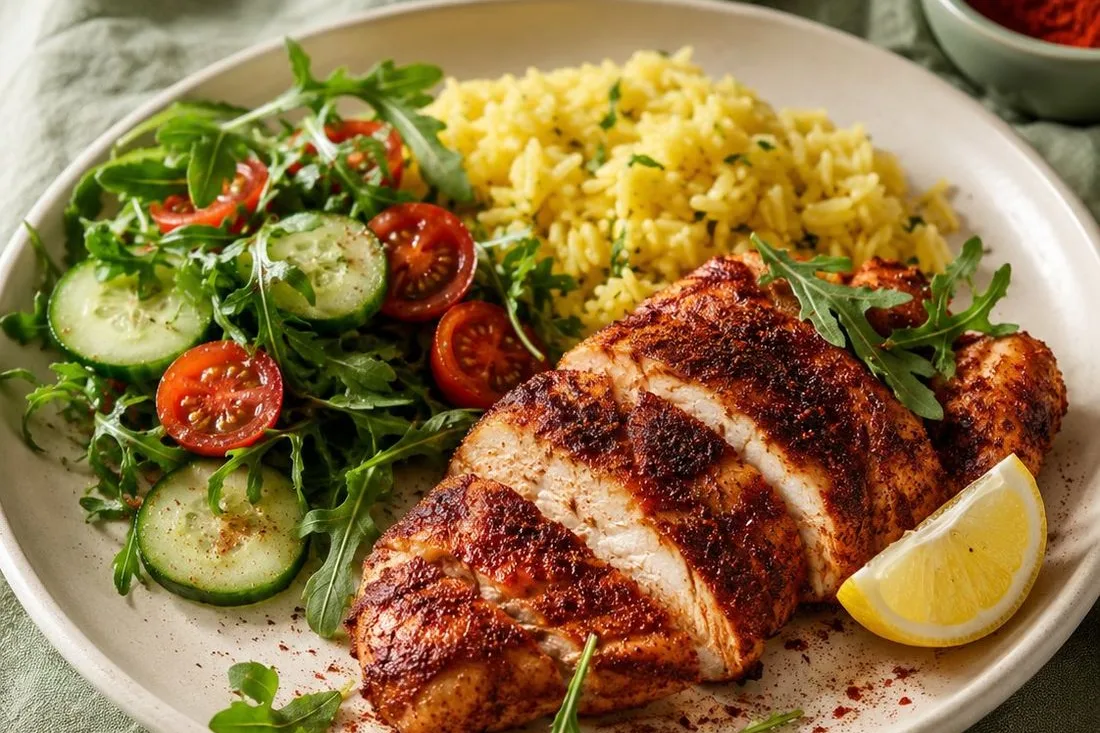
Meal prep means cooking once and eating three times. This recipe makes 3 complete lunch boxes from 500 g of skinless chicken breast cooked in the air fryer, with yellow rice and a rocket and cucumber salad, and each box carries roughly 445 kcal, 38 g protein, 49 g carbohydrate and 11 g fat.
The idea suits anyone who works, studies or feeds a family and has no time to cook every day: the employee taking lunch to the office, the student, the person who trains and wants steady protein, and the person watching their weight. Total time is about an hour, of which only 15 minutes is hands-on work, and the rest is the oven doing its job.
In this article you will find answers to questions such as "How do I prepare food for the week?", "Why does air-fryer chicken for lunch come out dry?" and "How do I keep work food from spoiling before noon?" You will see the 38 g arithmetic, the safe doneness temperature, the trick of cooling rice, fridge and freezer times, a shopping list and how to pack the boxes.
How do I prepare food for the week without getting bored?
The first rule: do not prepare the whole week from one dish. What works is preparing 3 days, then a new cycle. One meal repeated for 7 days turns into boredom, and after that people start ordering takeaway. Think of prep as a system: protein, starch, vegetable and sauce, and all four rotate between cycles.
The first cycle can be chicken, yellow rice and rocket as in this recipe. The second might be grilled fish with potatoes, labneh and a salad. The third lentils and rice with boiled eggs and tomatoes. And if you want to organise your protein options, see the article on high-protein foods that help with weight loss.
Also think of prep on two levels: ingredients (marinated chicken, cooked rice, washed vegetables) or complete ready boxes. I prefer ready boxes for the first 3 days because they save the morning decision, but separate ingredients suit a family where each person builds their own plate. Harvard's Healthy Eating Plate suggests half the plate vegetables and fruit, a quarter protein and a quarter whole grains [4], so measure your box against that.
What do I buy at the market for this recipe?
The shopping list for 3 boxes: 500 g skinless chicken breast (or skinless thighs if you like a richer taste), a small tub of yoghurt, 2 lemons, a head of garlic, paprika, turmeric, chicken seasoning, salt and pepper, 2 cups rocket, a cucumber, a cup of cherry tomatoes, and 1 1/2 cups cooked yellow rice (about half a cup of raw rice).
The marinade: 2 tablespoons yoghurt, 2 tablespoons lemon juice, 2 minced garlic cloves, 1 teaspoon paprika, 1/2 teaspoon turmeric, 1 teaspoon chicken seasoning, salt and pepper. Yoghurt and lemon tenderise the chicken, because the acid loosens the surface fibres, and the yoghurt protects the meat from drying in the high heat of the air fryer.
If the breasts are frozen, thaw them in the fridge overnight and not on the marble counter, because the surface warms before the centre softens, which lets bacteria multiply [1][2]. Wash your hands, knife and board after touching raw chicken, and use a separate board for the vegetables.
Air-fryer chicken for lunch: how do I keep it tender and not dry?
The recipe with quantities and steps is here: Full recipe in the Recipe Guide. The practical gist: mix the marinade and turn the chicken in it, then leave it at least 30 minutes (overnight in the fridge is better). Preheat the air fryer to 200 degrees Celsius and arrange the pieces in a single layer without crowding, because crowding makes steam and stops browning. Cook 18 to 25 minutes depending on thickness, and turn the pieces halfway.
The secret to tenderness is temperature, not time. A meat thermometer is the cheapest way to avoid dryness: chicken is safe when the centre reaches 74 degrees Celsius [1], and going far past that dries it out. Take the pieces out and let them rest 5 minutes before slicing so the juices redistribute. Slice across the grain.
Preheat the air fryer before the chicken goes in, and do not open the drawer too often. Thighs forgive mistakes better than breasts because they are richer in fat, while breasts are lighter in calories. In meal prep, cook the chicken until the centre reaches 74 degrees Celsius the first time, cool it quickly, and reheat it later until it is steaming hot all the way through.
Approximate time at 200 degrees Celsius by thickness (start with the shortest time and check the temperature):
- Thin pieces or breast strips about 1.5 cm thick: 15 to 18 minutes. - Breasts or thighs about 2.5 cm thick: 20 to 25 minutes. - Thick bone-in pieces or about 3 cm: 25 to 30 minutes, and you may need to lower the heat a little at the end so the outside does not brown too much.
The table is a guide, not a guarantee, because air fryers differ. The final arbiter is the thermometer: when the centre reaches 74 degrees Celsius the chicken is done, and if it is still lower, give it 2 more minutes and check again [1].
Where does the 38 g of protein per box come from, and is it enough?
The arithmetic is simple. 500 g of raw breast gives about 375 g of cooked chicken, each 100 g of which has roughly 30 g protein, so about 112 g for the whole recipe, and divided by 3 that is 37 g per box. The rice and yoghurt add a gram or two, so the figure lands around 38.
Is it enough? The International Society of Sports Nutrition gives 1.4 to 2.0 g per kilogram a day for people who train and prefers spreading doses across the day, around 0.25 g per kilogram per meal or 20 to 40 g [7]. A 38 g box is near the top of that range, so it suits someone above 70 kg or anyone who wants a large lunch serving. If your need is smaller, cut the chicken to 400 g and add more vegetables.
Harvard notes that the source of protein matters as much as the amount, and that chicken, fish and legumes are better choices than processed meats [6]. To guarantee a backup protein on busy days, see the article on the tip of backup protein portions that save your day.
Why do we cool rice quickly, and how do I store it safely?
Rice is the ingredient most often mishandled in meal prep. The CDC explains that uncooked rice often carries bacterial spores that survive cooking, and if cooked rice is left at room temperature the bacteria make a toxin that survives brief heating such as stir-frying. That is why rice left for hours on the counter while warm is the one that causes trouble, and reheating afterwards does not remove the toxin. The fix is simple: spread it thin on a tray or in the boxes while hot, let it cool about a quarter of an hour, and then put it in the fridge within an hour of cooking [3].
For storage, the US FSIS advises refrigerating leftovers within two hours of cooking and eating them within 3 to 4 days [13]. When reheating, heat it until it is steaming hot all the way through, and do not reheat it more than once. Brown rice or rice with vegetables handles reheating in the same way, so make your rule: fast cooling, fridge, reheat once.
If you want to swap the rice for bulgur, it brings more fibre and follows the same storage rule. Fibre and whole grains have evidence of health benefit [8][9][10][12].
How long does prepared food keep in the fridge and freezer, and how do I reheat it?
In the fridge (below 5 degrees Celsius) the boxes keep 3 to 4 days [13], which is why the recipe is made for 3 boxes and not 7. If you want more days, freeze two of the three on day one. Freezing stops bacterial growth, and the key is to freeze while fresh, not after two days in the fridge.
For the freezer: divide the boxes into portions, write the date on them, and thaw in the fridge overnight. Reheat the chicken to 74 degrees Celsius at the centre [1]. The best reheating methods: the air fryer for 3 to 4 minutes at 180 degrees so the chicken does not turn soggy, or the microwave covered with a splash of water for steam. Never heat or freeze the salad.
In the article on the freezer pairs tip you will find a way to freeze items that cooperate easily, which is useful here. And honestly, fridge food past day four is not worth the risk, so if you doubt it, throw it away. Also review the CDC's general safety guidance on cleaning hands, separating, cooking and chilling [2].
How do I pack the boxes and carry work food without spoilage?
Pack the work box in layers: rice at the bottom, chicken on top, and the salad in a separate small container with the lemon beside it. The rocket, cucumber and tomato salad is dressed at the time of eating, not at home, so it does not wilt. Yoghurt and garlic sauce goes in a small jar away from the rice.
For carrying: a small cooler bag with an ice pack lasts 4 hours, which matters if work is hot or far, because food should not stay more than two hours at room temperature [13]. For reheating at work: the microwave for two minutes, or eat it warm. This also answers "How do I keep work food from spoiling before noon?": cooling before packing and the ice pack are the fix.
In the first week, try one box before you multiply the quantity. And if you want to change the meal with a breakfast or a dessert, start with the article on a high-protein breakfast or the article on high-protein healthy desserts, and on other days the article on healthy pizza for weight loss; they all complement each other.
Container sizes per portion: a box of about 750 to 900 ml fits one meal (rice, chicken and salad), and a compartment box is best. The sauce goes in a small compartment or a separate 50 ml jar, and you add it to the chicken only at mealtime so the crispness stays.
Can I swap ingredients, and what are the Egyptian alternatives?
Certainly. The chicken can swap for grilled minced meat, white fish or kofta in the air fryer. Yellow rice can swap for bulgur, basmati or cubed potatoes. Rocket can swap for parsley with lettuce. All change the calories somewhat, so estimate the box approximately.
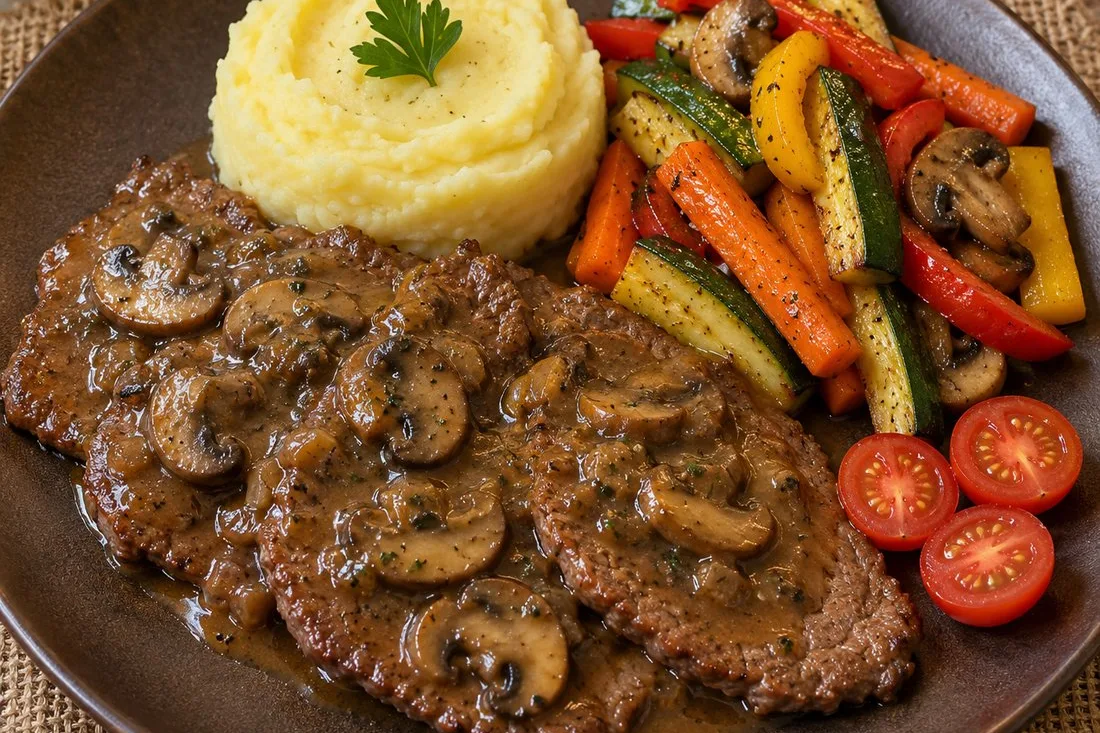
If you avoid rice, add roasted vegetables: courgette, pepper and onion in the air fryer with the chicken for the last 10 minutes. On the fibre side, boiled chickpeas or lentils are a great starch replacement because legumes are rich in fibre and protein [11]. A cup of boiled chickpeas instead of rice raises fibre and protein and keeps you full.
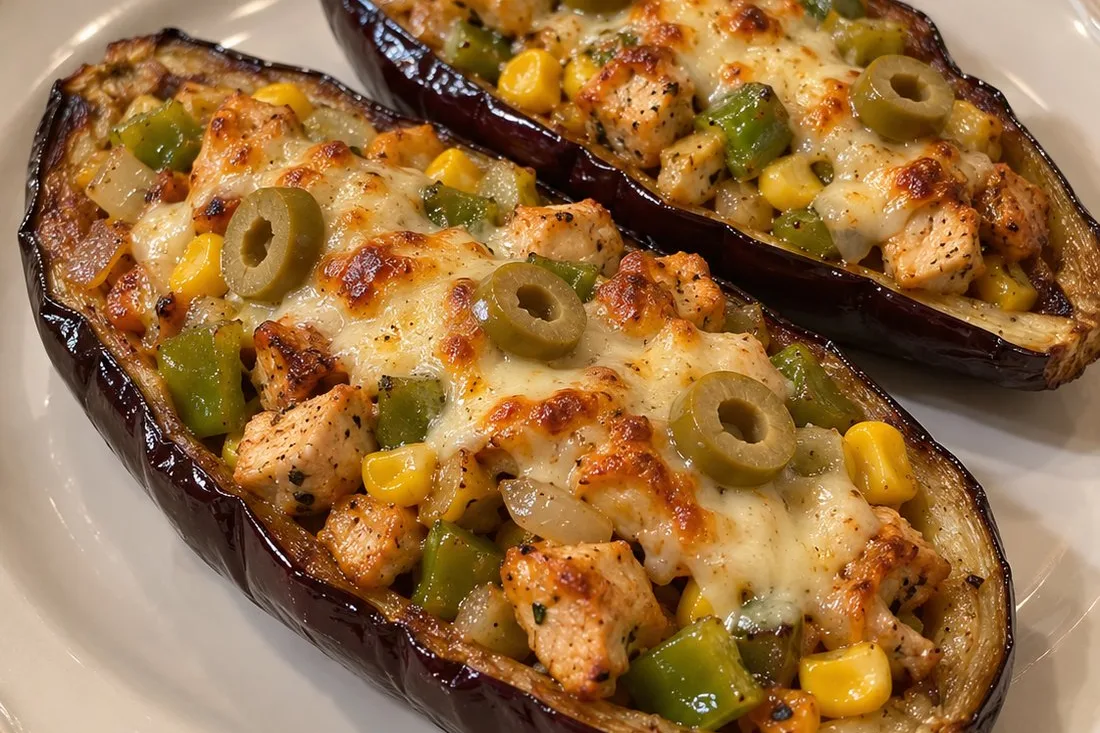
The article on chicken-stuffed eggplant for weight loss has a way to cook chicken with vegetables in the oven if you want a different cycle. For flavour: cumin, coriander and chilli change the taste with almost no calories.
A practical schedule: how do I split the one-hour prep session?
Time is what breaks most meal prep attempts, so organise the hour. Minute 0 to 10: mix the marinade, turn the chicken in it, and set it aside. Minute 10 to 15: put the rice on the stove (half a cup of raw rice with about 1 cup of water, turmeric and salt). Minute 15 to 20: preheat the air fryer and wash the rocket, cucumber and tomatoes and dry them well with towels.
Minute 20 to 45: the chicken goes in the air fryer, in two batches if the drawer is small, and meanwhile the rice finishes and is spread into the boxes to cool. Minute 45 to 55: slice the chicken and divide it among the boxes, and prepare the salad and sauce containers. Minute 55 to 60: cover the boxes once they have cooled and put them in the fridge. In this order the chicken never waits for the rice and the rice never waits for the chicken.
Common mistakes: covering boxes while hot traps steam and makes the rice too soft. A salad dressed with lemon two days ahead wilts. Under-seasoned chicken turns dull after day two, so add garlic and lemon without hesitation. And taste the rice before packing and adjust the salt, because cold food tastes less salty.
Who should adjust the recipe, and when should I ask a dietitian?
The numbers here are general. People with diabetes need a personal carbohydrate count per box, and the CDC's diabetes meal planning guidance is a good starting point [14]. People with kidney disease must have protein set medically. Pregnant women, older adults and anyone with weak immunity must reheat leftovers to a high temperature. With allergies, check the ingredients.
A weekly plan for your own case is better as a written plan. If you want to follow up with a dietitian, book a nutrition consultation here: Book a nutrition consultation.