Can I eat taameya for breakfast and still eat healthily?
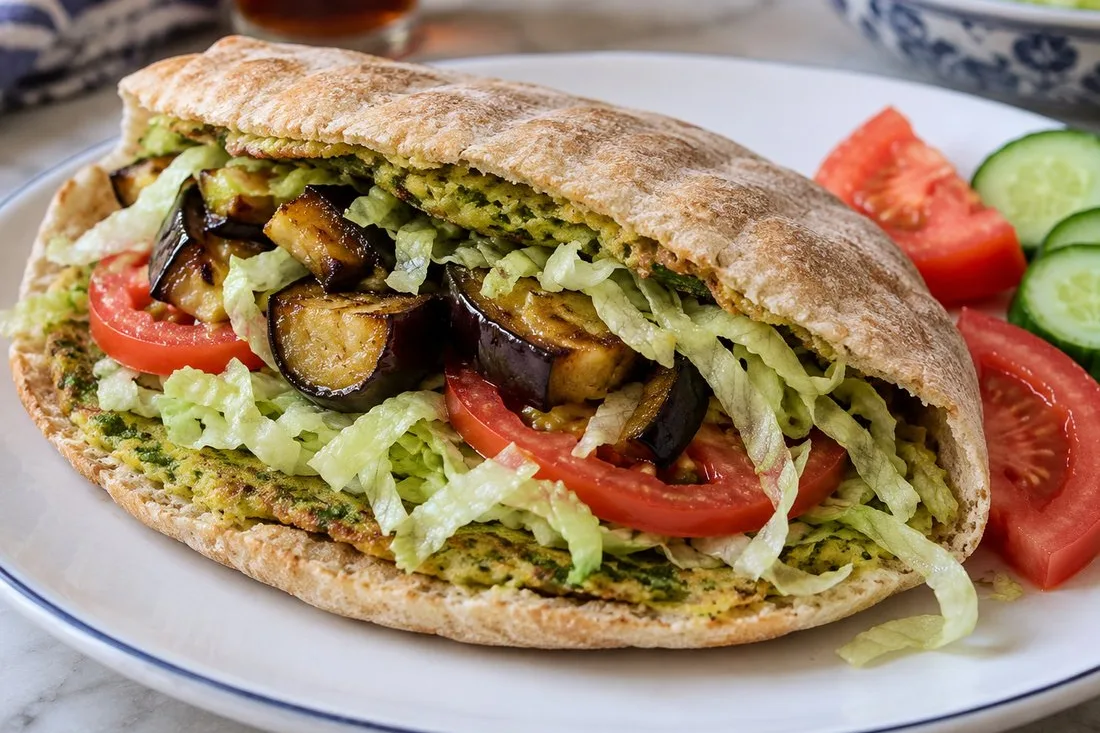
Yes, as long as you change the cooking method and not the taste. Classic taameya fried in plenty of oil soaks it up like a sponge, and that is what drives the calories up. In this recipe we use the same taameya paste, but mix it with an egg and cook it as small pancakes in a dry non-stick pan with not a drop of oil. According to the La Rose Recipe Guide, the full plate is 435 kcal with 28 g of protein, 33 g of carbohydrate and 22 g of fat.
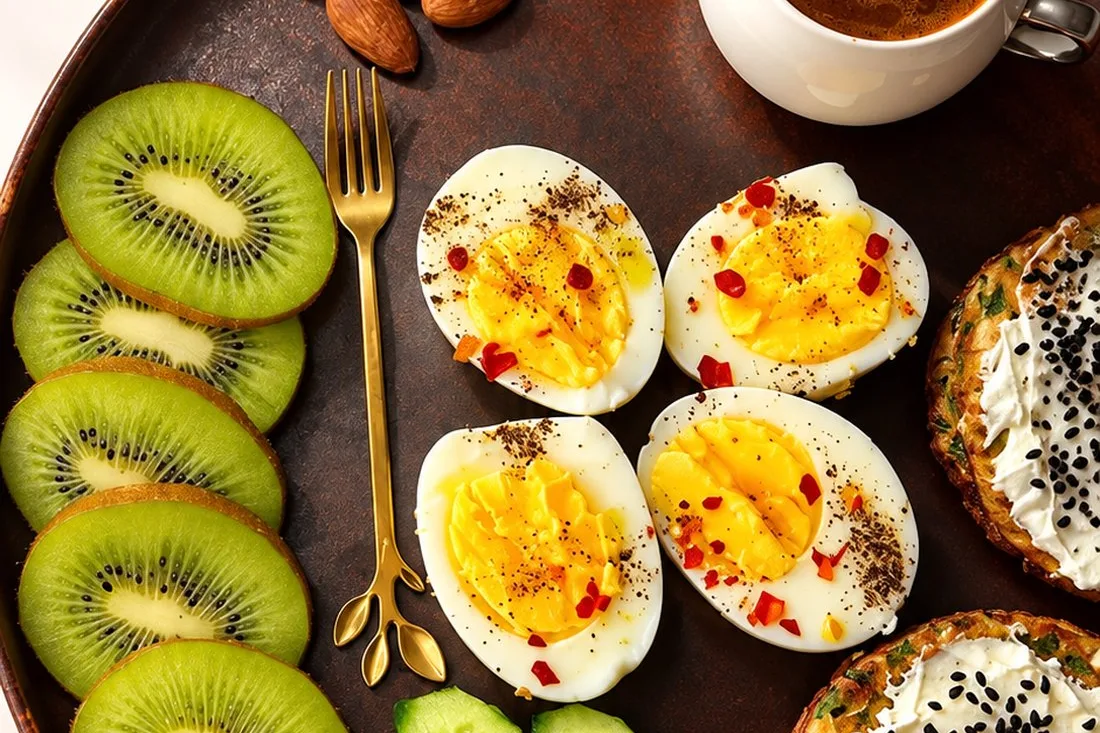
It is not taameya alone. It is a complete Egyptian breakfast plate: two boiled eggs, a spoon of light cream cheese with nigella, kiwi, cucumber and almonds, and a small Turkish coffee. That means protein from eggs and taameya, fibre from the beans in the paste, and vitamin C from the kiwi.
The idea is that it works for anyone at the table. The person heading to work who needs a breakfast that lasts until lunch, the one at home wanting something baladi without heaviness, and the one trying to fry less without feeling deprived. The quantities are written for one person and can be doubled easily if the whole household is eating.
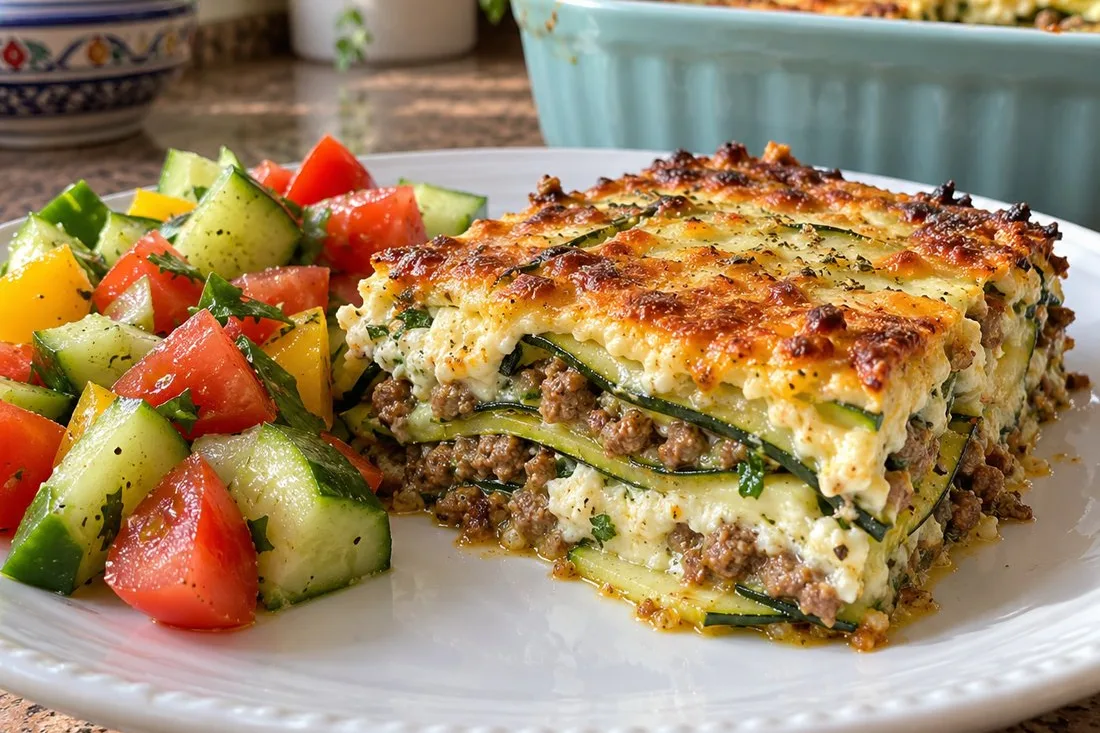
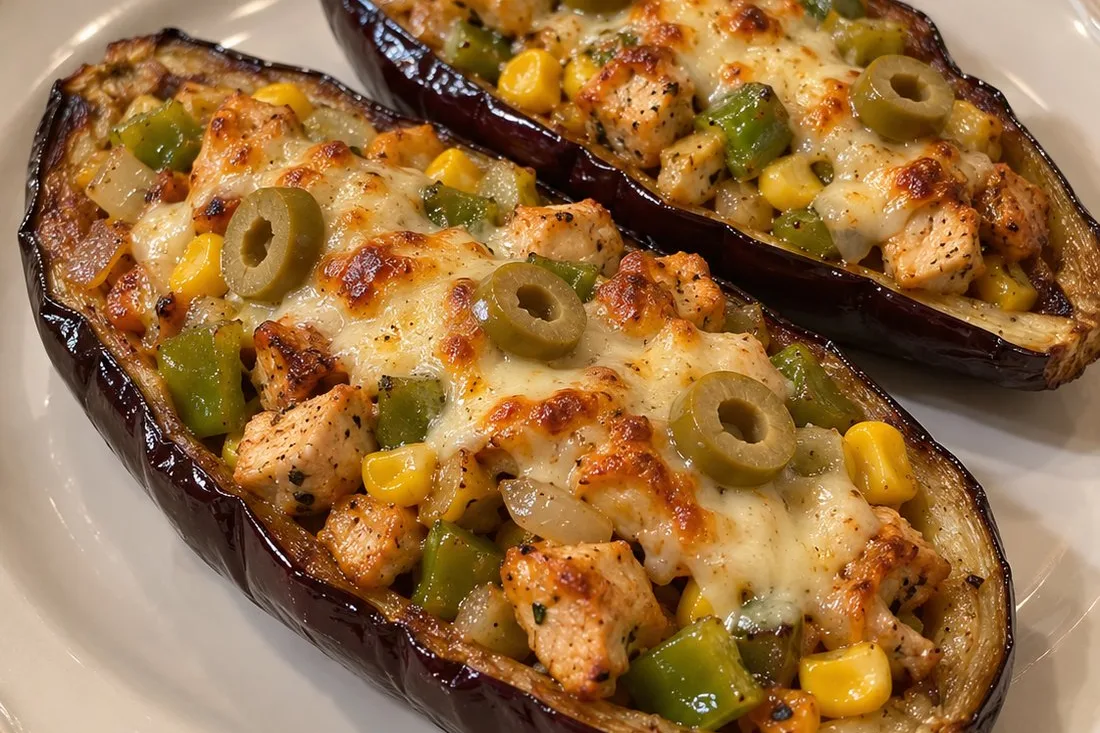
If you want a healthy Egyptian breakfast in a wider sense, the article on healthy family meals offers a baked dinner to carry the day on, and we link the rest at the bottom of the page.
How much oil and how many calories separate fried taameya from the pan version?
Deep frying makes each taameya disc take about a spoonful of oil or more, depending on the oil temperature and the disc size. When the oil is not hot enough, more of it sinks into the paste. This is the real issue: the calories are not in the beans themselves but in the oil they absorb.
In our recipe there is no frying at all. A dry non-stick pan heats the paste and egg together until they set, which produces a light brown crust outside and a soft centre. The fat content falls noticeably, and the WHO advises cutting saturated and trans fats and relying on unsaturated fats [1]. The 22 g of fat on the plate mostly comes from the egg yolks, almonds and cheese, which is fat that arrives with protein and vitamins, not frying oil.
If you want a version closer to the usual, there are two no-deep-fry methods: the oven after misting the discs very lightly, or the air fryer. Both give a crispier crust than the dry pan, though they need a little oil spray. Try them and see what you prefer, because the calorie gap against frying stays large.
You can measure the difference yourself: make one serving as two small pancakes from a heaped tablespoon of paste, which keeps the plate within 435 kcal. If you enlarge the discs, the paste itself grows and so do the calories.
What is on the plate and why these quantities?
The ingredients for one person: a heaped tablespoon of taameya paste, ready-made or homemade, one large egg for the batter, two boiled eggs, a spoon of light cream cheese, a teaspoon of nigella seeds, one kiwi, half a cucumber, 5 almonds, salt, pepper, spices and chilli flakes if you like, and a small Turkish coffee of about 120 ml.
Taameya paste is built on crushed fava beans or chickpeas, so it is made of legumes. Harvard explains that legumes are an excellent source of plant protein, fibre, iron and potassium [3]. Adding egg rounds out the amino acids so you get a complete protein on one plate. Protein extends the feeling of fullness, and Harvard notes that varied protein sources, including legumes and eggs, can fit any healthy diet [4].
The kiwi is not decoration. It is richer in vitamin C than an orange, which helps the body absorb the iron in the beans. The cucumber adds water and crunch that balance the heaviness. The almonds are a small handful of unsaturated fats. Nigella on the cheese is a familiar flavour in Egyptian kitchens.
The small Turkish coffee is a morning habit for many people, and the right amount of caffeine varies from person to person. If you are pregnant, or have blood pressure or anxiety issues, ask your specialist about the amount. The WHO advises a varied diet with vegetables, fruit, legumes and nuts [1], which is exactly what the plate contains.
To control the portion, use a level, heaped tablespoon of ready paste. A bigger spoon means two heavier pancakes and higher calories.
How do I make taameya pancakes without oil?
There are five steps and it takes about 20 minutes, 10 for prep and 10 for cooking:
1. Boil the two eggs for 9 to 10 minutes for a firm set, cool them in cold water, peel, halve and season with salt and pepper. 2. In a small bowl, mix the taameya paste with the raw egg and spices until you have a thick paste you can shape with a spoon. 3. Heat a non-stick pan over medium heat with no oil. Place two spoonfuls of paste and spread them with the back of the spoon into two small discs, under a centimetre thick. 4. Leave them 2 to 3 minutes until the top sets, flip carefully and cook two more minutes. 5. Top the discs with the cream cheese and nigella, arrange the eggs, kiwi, cucumber and almonds beside them, and serve with the coffee.
Key notes: the pan has to be genuinely non-stick and not scratched, and if the paste clings to it, the pan needs replacing. Keep the discs small because big ones are hard to flip. If the batter is loose, add a teaspoon of flour or ground oats.
Eggs do well when boiled, but always make sure they are kept refrigerated. The US FDA advises buying refrigerated eggs, storing them below 4°C, and cooking eggs until the yolk and white are firm [8].
The full recipe is in the Recipe Guide with all the figures, free.
Will this breakfast keep me full until lunch, and are eggs every day okay?
The plate has 28 g of protein plus fibre from legumes, vegetables and fruit, a mix that slows digestion. Sports nutrition research recommends spreading protein through the day at roughly 20 to 40 g per meal for active adults [6], and this plate covers most of that.
On eggs every day: a large review of many studies found that moderate egg intake is not linked to higher heart disease risk in most healthy people, with mixed results depending on the condition [9]. The serving contains two boiled eggs plus one in the batter, and how it fits depends on your overall diet and health condition. If you have type 2 diabetes, high cholesterol or a family history, ask your specialist about the right number.
If you are hungry again after two hours, that does not always mean the breakfast is weak. It may be little sleep, little water or a rushed meal. Read the article on eating well and being hungry again an hour later, because it explains the causes in detail.
As a principle, Mayo Clinic explains that foods rich in water and fibre fill you up on fewer calories [12]. The cucumber and kiwi here do more than add flavour.
For more protein during the week from home cooking, the article on 7 protein-rich foods for weight loss from home cooking has other ideas you can swap in.
What if I want ful and baladi bread with it?
For many people an Egyptian breakfast without ful is incomplete, and that is fine. Ful medames is also a legume, and with taameya it makes a strong plant-protein meal. What matters is portion and balance.
If you add ful: a quarter to half a cup of ful with a teaspoon of olive oil, lemon and cumin instead of heavy oil. In that case cut the pancakes to one disc or drop the cream cheese, because the Guide's figures are calculated without ful. Combining ful, taameya and eggs in one meal gives very high protein, which most people do not need.
For baladi bread: a quarter to half a loaf depending on the day and activity. Baladi bread (whole wheat) is better than white because it has more fibre, and Harvard recommends whole grains over refined ones [5], and a wide review linked higher fibre with lower heart disease risk [7]. If the plate already has kiwi, almonds and eggs, you might skip the bread entirely or take just a quarter.
To make the breakfast plate balanced by eye, use Harvard's Healthy Eating Plate idea: half vegetables and fruit, a quarter protein and a quarter whole grains [2]. Here the vegetables and fruit are kiwi and cucumber, the protein is egg and taameya, and the whole grain is a quarter of a baladi loaf if you need it.
Pickles and tahini work in small amounts, but note that pickles are rich in sodium, so one small spoon is enough for anyone watching blood pressure.
How should the portion change for a worker, a student or an older adult?
The plate is written for an average adult with moderate activity, but a household holds people of different sizes. Someone with physical work, such as a labourer, driver or teacher standing all day, can add a quarter of baladi loaf or a spoon of ful, because they need more energy before lunch. Someone at a desk for hours can have the plate as it is, or leave out the almonds.
A high school or university student needs a breakfast that helps focus, so two eggs, two taameya discs and fruit work before lectures, with water nearby instead of relying on coffee alone. Children over five can have one disc and an egg with cucumber and kiwi slices, and whole almonds should not go on the plate of very young children, because whole nuts should not be given to children under 5 as they can choke; grind them finely or leave them out [13].
Older adults usually eat less but still need enough protein, and the WHO stresses variety and moderation in salt, sugar and fat for all ages [1]. The pancakes are soft and chew easily, which helps anyone with dental trouble.
In every case, the right size is the one that lets you leave the table comfortable and not stuffed. If you keep feeling hungry after two hours, add a little protein or fibre instead of sugar or pastries.
Try placing the side dishes in bowls in the middle of the table, with each person serving to their own hunger. That makes breakfast calmer and reduces waste.
How do I prepare the batter ahead and store it?
Taameya paste can be prepared the night before and kept in a closed container in the fridge. Add the raw egg right before cooking, not overnight, because paste with raw egg should not sit for long.
Cooked discs, according to the USDA, should be cooled within two hours of cooking and kept in the fridge 3 to 4 days [11]. Reheating them in a non-stick pan for two minutes per side restores the crust. The microwave softens them.
For freezing: freeze the cooked discs on a tray, then bag them, and they last for weeks. Thaw in the fridge overnight and reheat in the pan. Boiled eggs do not freeze well, so boil them fresh.
An important safety point: staph bacteria multiply when food sits in warm conditions, and its toxin is not destroyed by ordinary reheating [10]. So do not leave cooked breakfast on the counter for hours, and washing your hands before making the batter lowers the risk.
If you are preparing breakfast for the household, double the quantity and spread the discs on a tray. Each person takes two discs with their plate. For someone eating breakfast outside the home, a box with the discs, boiled eggs, cucumber, kiwi and cheese kept separate lasts several hours in a cool bag.
In every case, quality is better when reheated in the pan at the moment of eating rather than in the microwave.
When is a home breakfast not enough and I need follow-up?
A good recipe is no replacement for a personal assessment. If you are trying to lose weight without progress, or you have diabetes, high blood pressure, fatty liver or anaemia, or you tire mid-morning repeatedly, it is better to build a plan around your situation. The numbers quoted here, 435 kcal and 28 g protein, are Guide averages and do not suit everyone in the same way.
If you want to count breakfast, lunch and dinner together, the clinical nutrition team can arrange the Egyptian dishes you enjoy across your week.
If you want a breakfast plan that fits your job and your tests: Book a nutrition consultation at either La Rose branch.
In the same series you will find our piece on healthy family meals with baked eggplant and minced beef, the article on healthy food kids actually like with a small cottage cheese pizza, and the guide to healthy romantic dinner with steak and mushroom sauce. For a healthy snack with coffee after breakfast, see the article on healthy date and granola bars, and for pregnancy there is the article on a healthy egg, yogurt and chickpea breakfast with other morning options.