What healthy food do children actually like, and can pizza be part of it?
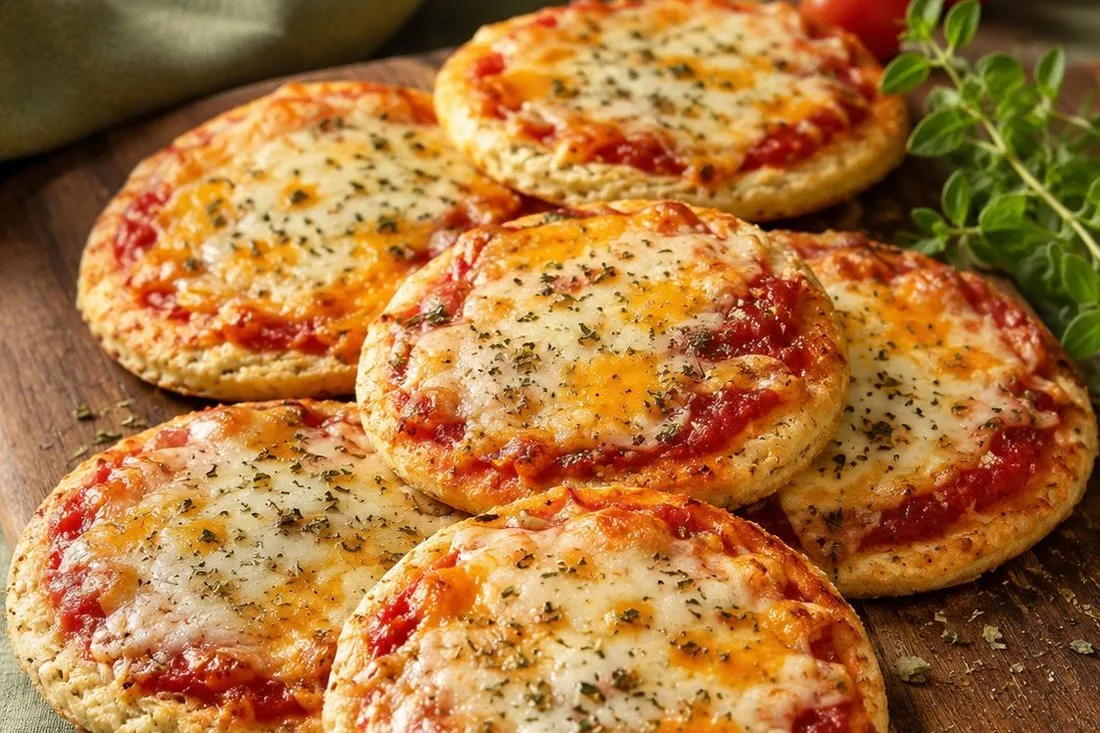
Children like food that looks familiar and tastes cheesy or slightly sweet, and pizza has both. The problem is not the idea of pizza but the white dough, heavy cheese and sweetened sauce. In this recipe we swap the dough for a base made of cottage cheese, egg and oat flour, then top it with tomato sauce with no added sugar, plus light mozzarella and cheddar.
According to the La Rose Recipe Guide, one serving, meaning two of the six mini pizzas, has 235 kcal, 27 g of protein, 19 g of carbohydrate and 6 g of fat. The recipe makes 3 servings, with 15 minutes of prep and 20 of cooking. The number that matters is protein: 27 g in a small meal and that figure is for the stated serving, so you can make the portion smaller to suit the child's age and appetite.
The recipe is not just for children. Adults eat it as a light dinner or a work sandwich filling, and many parents make it for themselves and the children at once. One dish serves the whole table without cooking two things.
Since you are looking for healthy food kids actually like, one tip before we start: let the child join in the preparation. Let them spread the sauce and sprinkle the cheese. A child who helped prepare the dish is often more willing to taste what they made.
At the end of the article you will find links to other dishes in the same series, such as the article on healthy Egyptian breakfast.
How much protein and how many calories are in a mini pizza, and what gives it value?
The two pizzas in a serving give 235 kcal and 27 g of protein, about 13 g of protein per pizza. Most of it comes from 250 g of cottage cheese and a large egg, two complete animal protein sources. Harvard explains that choosing varied protein sources, dairy and eggs among them, is part of a healthy diet [8].
Oat flour provides soluble fibre and holds the base together without white flour. Harvard explains that oats are a whole grain that helps regulate cholesterol and blood sugar [10], and fibre in general slows digestion and extends fullness [9].
The 6 g of fat is low thanks to the light mozzarella and cheddar and the absence of oil. The WHO advises that fat should be under 30 percent of daily energy, with less saturated fat [7].
One number to know about is sodium. Cottage cheese, mozzarella and cheddar all contain salt, so choose lower-salt types if available and cut the salt you add yourself. Children need much less salt than adults.
Of course these numbers are averages. If a child eats two pizzas with cucumber, tomato and a cup of water, that is a complete meal. If they eat all six alone, that is two and a half servings.
Harvard's Healthy Eating Plate suggests half the plate be vegetables and fruit [12]. Put cucumber and carrot slices and a piece of fruit beside the pizza.
What ingredients do I need and how do I get the base right?
For the full batch of 6 pizzas: 250 g cottage cheese, one large egg, 3 tablespoons of oat flour, half a teaspoon of baking powder, a quarter teaspoon of salt, a teaspoon of dried oregano, a third of a cup of tomato sauce with no added sugar, half a cup of grated light mozzarella and a quarter cup of grated light cheddar.
The key is the cottage cheese. If it is watery, drain it in a sieve for 10 minutes and press with a spoon. The base needs a batter that holds, and extra liquid makes the pizza soft and crumbly. If the curds are large, blend the cheese for a minute until smooth, which solves the problem for children who dislike lumps.
The sauce: read the label. Some canned sauces contain added sugar and high sodium. Replace it with tomato paste thinned with water, a little oregano and garlic powder. Nothing stops you from making it at home.
The topping cheese: mozzarella melts and cheddar adds character. If the child prefers a certain cheese, use it but keep the amount limited.
Make the oat flour yourself by blending plain oats. This matters with allergies, because oats can be contaminated with wheat during processing, so anyone with gluten sensitivity must buy oats labelled gluten free.
Alternatives: without oats, 3 tablespoons of almond flour work. With an egg allergy, the recipe will not hold the same texture and you would need a different recipe.
How do I make cottage cheese pizza step by step?
Preheat the oven to 200°C and line a tray with parchment.
1. Blend the cottage cheese and egg until smooth. 2. Add the oat flour, baking powder, salt and half the oregano, stir, and leave the mixture for two minutes so the oats absorb the liquid. 3. Spoon 6 mounds onto the tray and spread each with a wet spoon into a round of about 8 cm. 4. Bake the bases for 10 to 12 minutes until the edges turn golden. 5. Spread a spoon of sauce on each base and sprinkle with mozzarella, cheddar and the remaining oregano. 6. Return to the oven for 6 to 8 minutes until the cheese melts.
Tip: wet the spoon each time, because the mixture sticks. And let the pizzas cool two minutes on the tray before lifting, as they firm up while cooling.
The full recipe is in the Recipe Guide with quantities and figures, free.
The egg in the recipe must be cooked through. The US FDA advises cooking eggs until firm and avoiding raw egg in foods that are not baked enough [5]. The bases here bake 10 to 12 minutes at 200°C and then bake again, which is sufficient, but do not taste the raw mixture.
For children: keep the tray away from their hands while hot, and serve the pizza after a short cooling, because cheese holds heat and burns the mouth easily.
Is this pizza safe at every age, and what is the choking risk?
Choking is a real issue with young children, and it needs plain words. The CDC identifies small, round, hard foods as the highest risk for young children, such as whole grapes, hot dogs cut into rounds, nuts, popcorn, hard raw vegetables and large pieces of carrot [1]. Sticky foods, such as a thick lump of cheese or a spoonful of peanut butter, raise the risk as well.
These mini pizzas are soft, which works in their favour, but they need care by age:
1. Under two years: the NHS advises cutting food into small pieces suited to chewing and avoiding food that can stick [2]. Cut the pizza into thin strips or cubes the size of a small thumb, keep the child seated upright, and stay with them while they eat. 2. Two to four years: cut the pizza into halves or quarters and serve vegetables cooked or grated. 3. Over five: chewing is good, but sitting still and a calm table remain the rule.
Remember: a child should not run, laugh or play while eating. Any small child eating without direct supervision can choke.
On eggs and dairy: the NHS says pasteurised full-fat cheese can be introduced from around 6 months, and cheese made from unpasteurised milk should be avoided [13][2]. Full-fat dairy is recommended up to the age of 2, and lower-fat dairy can be introduced gradually after that [13]. So for a child under two, use full-fat pasteurised cottage cheese, mozzarella and cheddar; calories and fat will then be higher than the Guide figures. For older children the figures in this article apply to the lower-fat versions. If you are unsure about introducing cottage cheese to a baby, ask the paediatrician.
If a child refuses food in general, read the article on a fussy eater, because it offers practical strategies. The school lunchbox article also has more ideas.
How do I make sure a child gets enough iron and fluids without too much salt?
The pizza is high in protein but low in iron, since cheese and egg are not strong iron sources. So if a child eats little meat or is vegetarian, complete the day with ful, lentils or spinach, and add a vitamin C source in the same meal, such as tomato slices or an orange, because it helps the body absorb plant iron. The article on protein, iron and B12 for a vegetarian child has a detailed plan for families who eat without meat.
On salt, the WHO advises under 5 g of salt a day for adults [7], and children less, depending on age. Cottage cheese, cheddar and canned sauce are all sources. Use lower-salt cottage cheese, reduce the cheddar and do not add salt to the sauce.
On fluids: an active child needs water throughout the day. The NHS recommends water and milk as the main drinks for children and cautions against sweetened drinks and packaged juices [4]. Instead of ready juice with the pizza, serve water or milk, and whole fruit rather than juice.
If you suspect iron deficiency or a poor appetite, do not rely on home cooking alone. Read the article on a child's appetite, and see the paediatrician if there is no improvement. Anaemia is diagnosed by a test, not by guessing.
None of this means the pizza is not useful. It is a good source of protein and calcium, and the rest of the day completes it.
How do I prepare ahead and pack them in a school lunchbox?
The bases can be baked the night before and stored in the fridge, then in the morning add the sauce and cheese and put them in the oven for 6 minutes. Or bake the full pizzas early, let them cool and pack them in a box.
For school meals: the CDC explains that school meals support children's nutrition and focus [3], and if you pack a box from home, keep it balanced: two pizzas, thinly sliced cucumber and carrot, a piece of fruit and a bottle of water. Do not add small, round, hard items for a young child.
For food safety: food should be cooled within two hours of cooking, or one hour in hot weather. Pizza with cheese and egg can spoil if left in a hot bag. Use an insulated box with a small ice pack, which matters in summer. The CDC explains that staph bacteria multiply in warm food and their toxins resist heating [6].
Storage: the pizzas keep 3 days in the fridge in a sealed container. To freeze, freeze the bases before the sauce, then add sauce and cheese while frozen and bake. Reheat in the oven or toaster, not the microwave, so they do not go soft.
You can also serve them as a sandwich: two pizzas with a lettuce leaf and a tomato slice in a small baladi bread.
The school lunchbox article has ideas to complete the box all week without repeating meals.
When is home cooking not enough for a child?
Recipes help, but in some cases a child needs individual assessment: if weight or height are not rising normally, if they persistently refuse whole food groups, if they have allergies, chronic diarrhoea or constipation, or if anaemia is suspected. The numbers quoted here, 235 kcal and 27 g protein, are Guide averages and do not replace a specialist's opinion.
The clinical nutrition team can build a plan matched to the child's age, activity and habits, and help the family handle picky eating without pressure.
If your child eats very little or has an allergy: Book a nutrition consultation at La Rose clinics and we will build a plan for his or her age.
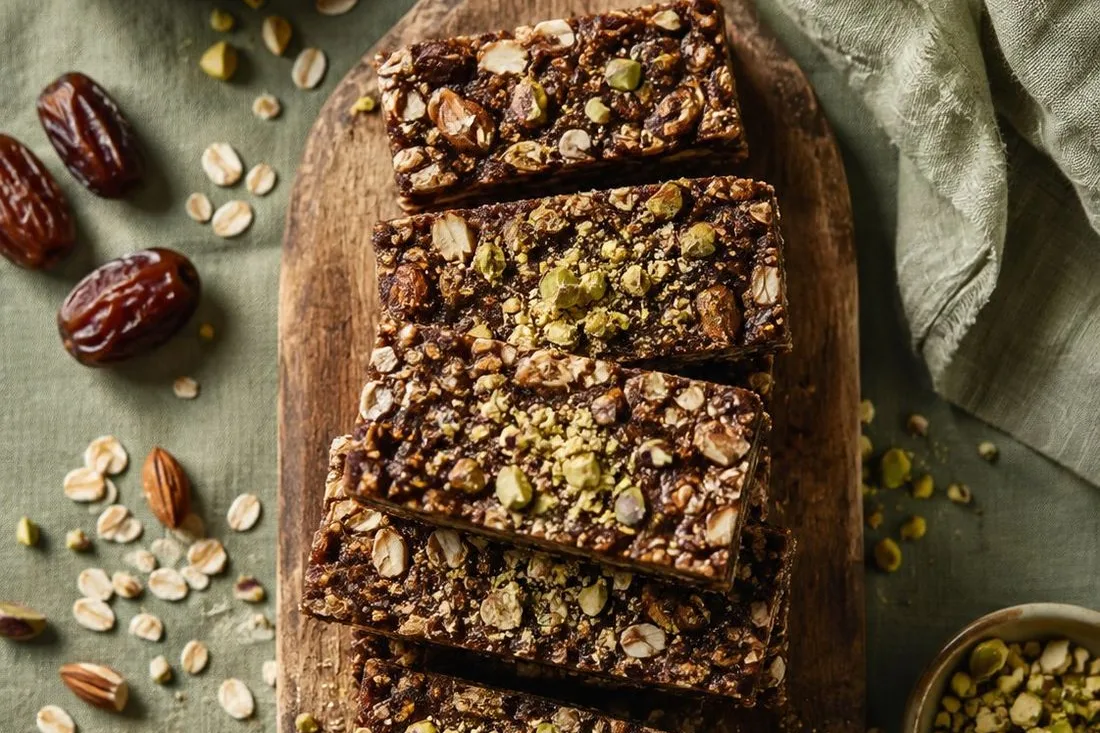
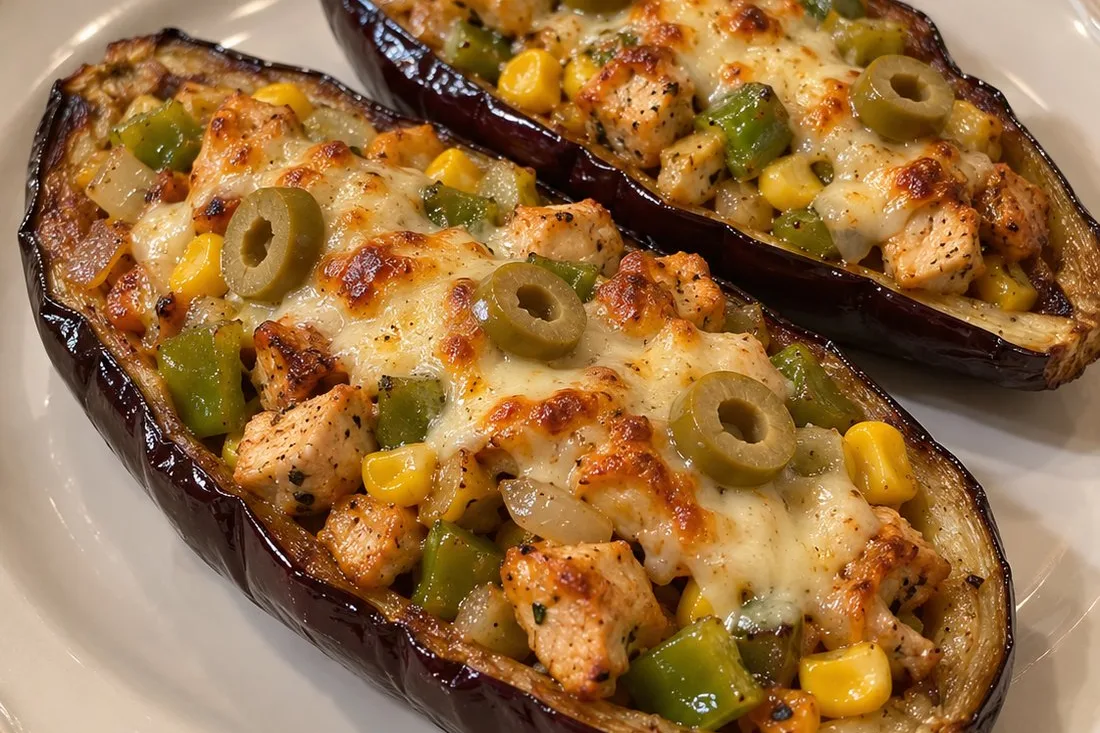
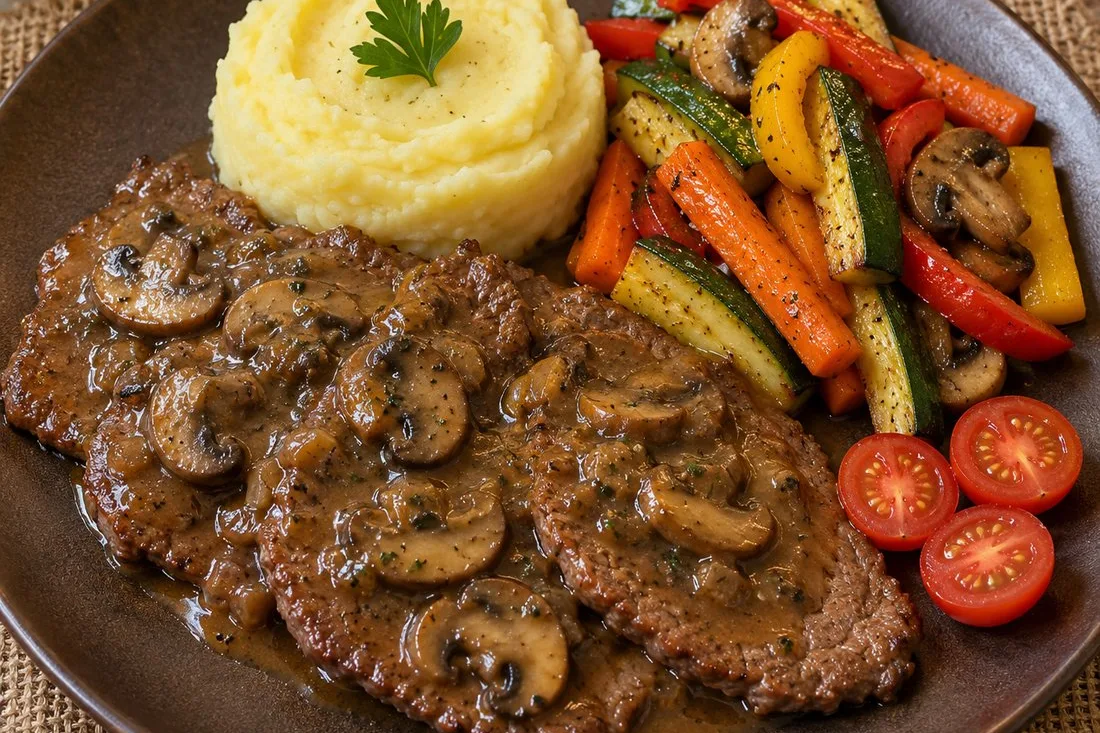
In the same series, see our piece on healthy family meals with baked eggplant, the article on healthy Egyptian breakfast with no-fry taameya, and the guide to healthy romantic dinner with steak and mushroom sauce. For a school snack, the article on healthy date and granola bars, and for a pregnant woman in the family, the article on a healthy egg, yogurt and chickpea breakfast.