Can I make a romantic dinner that is healthy without feeling like I am on a diet?
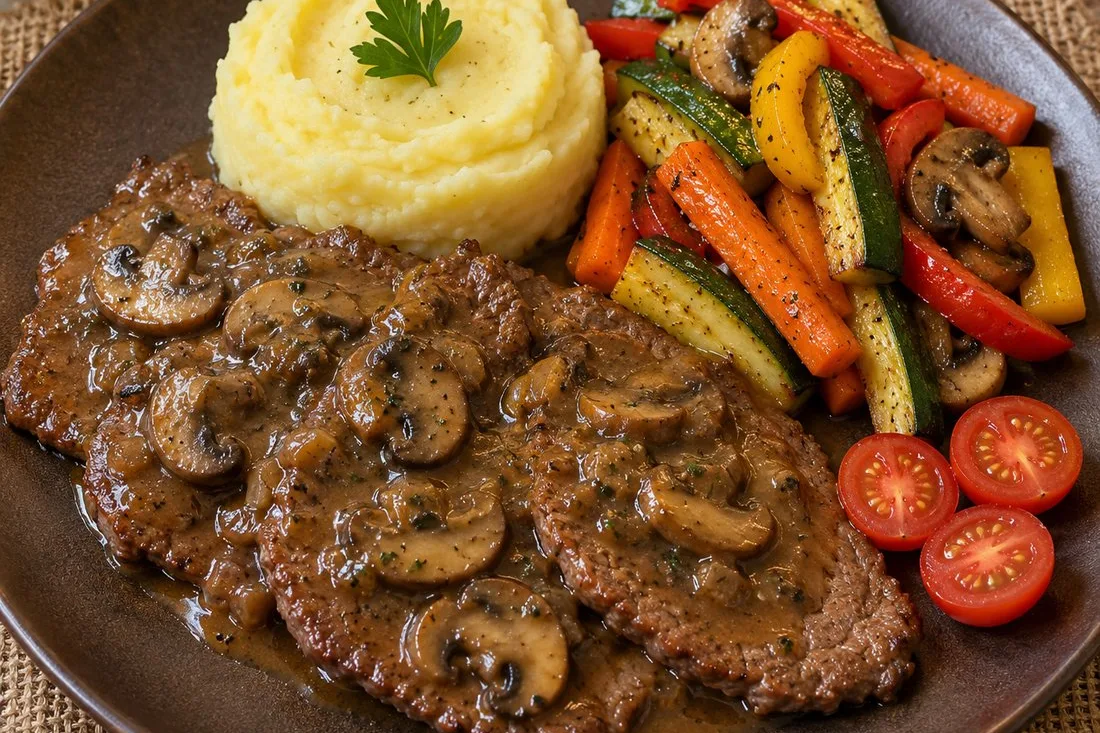
Yes, and the secret is to keep the look of a special dinner and change the details nobody sees. The dish is thin beef slices in mushroom sauce, with smooth mashed potato and colourful sautéed vegetables of carrot, zucchini and pepper, finished with cherry tomatoes and a parsley leaf. It looks like a restaurant plate and tastes warm, and the steps are simple.
According to the La Rose Recipe Guide, one plate has 755 kcal, 52 g of protein, 69 g of carbohydrate and 30 g of fat. The figure is fairly high because this is a full dinner with starch, protein and fat in balance, not a light snack, and that is deliberate: a romantic dinner is eaten slowly, and high protein gives real fullness. If you want a lighter version, the portion section below covers it.
The recipe is written for one plate so you can multiply it by the number at the table, so it suits a romantic dinner for a couple, a surprise guest or a small family table. It is not food with a single audience: it is respectable home cooking that pleases every age.
Total time is about 40 minutes: 15 prep and 25 cooking. The level is moderate, so if you have made a sauce at home before you will handle it easily. The WHO advises a varied diet with vegetables, protein and moderate fat and salt [1], and this plate fits that.
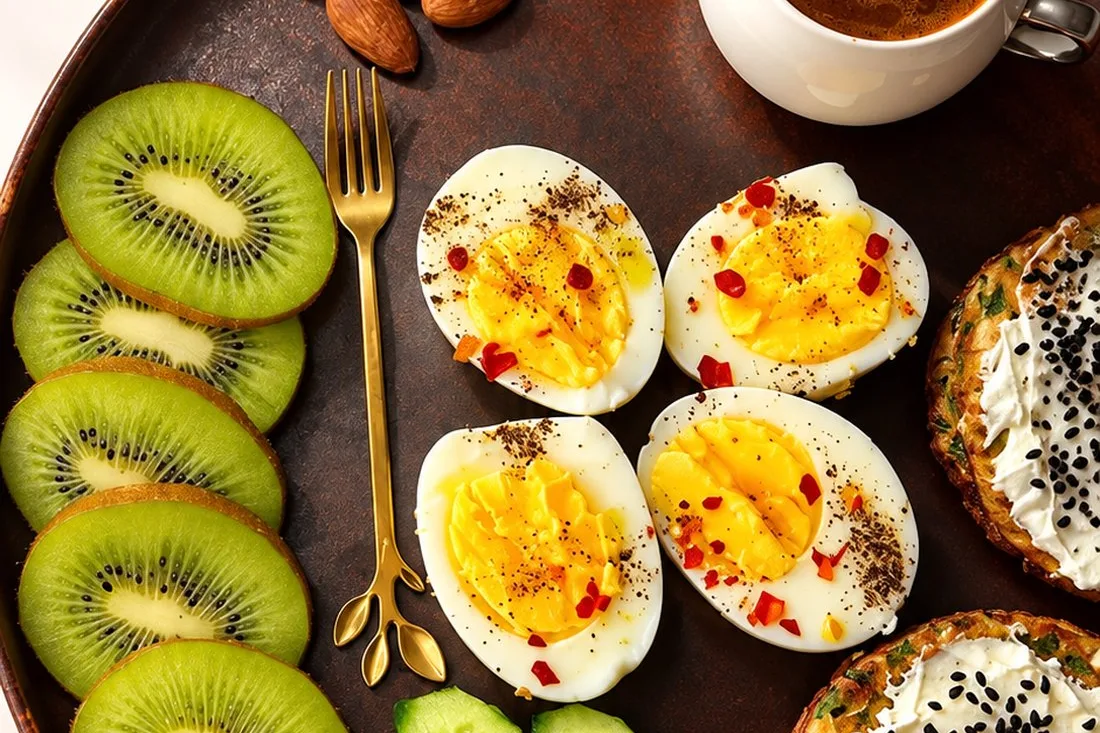
And if you want to continue the next morning with healthy food, the article on healthy Egyptian breakfast has an easy idea with taameya and eggs.
What do 52 g of protein and 755 kcal actually mean in this plate?
The 52 g of protein comes mainly from 200 g of beef slices, with a little from the milk in the mash, the potatoes and the vegetables. Sports studies mention 20 to 40 g of protein per meal to stimulate muscle building in active adults [4], so a plate with 52 g is a high-protein plate. You can reduce the beef to 150 g and keep the rest, according to your total daily protein, and if you train, your daily total and its distribution across meals matter more than a single meal.
The 69 g of carbohydrate comes from the potatoes, milk and carrot. The Lancet study on carbohydrate quality found that diets rich in fibre and whole grains are linked to lower risk of heart disease and diabetes than refined ones [6]. Potatoes with the skin have more fibre, so if you like leaving the skin in the mash, that is a good choice. Fibre in general slows digestion and improves fullness [5].
The 30 g of fat comes from a spoon of butter for the sauté, the beef's own fat and the milk. Swapping butter for olive oil lowers saturated fat, which agrees with the WHO advice to favour unsaturated fats [1].
And the vegetables: carrot, zucchini and coloured peppers. A large review of fibre studies linked higher fibre with lower risk of heart and metabolic disease [7]. The vegetables make the plate larger and attractive, and Mayo Clinic explains that foods rich in vegetables and water give a feeling of fullness on fewer calories [8].
The bottom line: the full plate suits an active person or a special dinner. If you eat it weekly, you can lighten the starch and increase the vegetables.
What should I buy and how do I choose the cut of beef?
The shopping list for one plate: 200 g thin beef slices, a tablespoon of butter, salt and pepper, 150 g mushrooms, 2 garlic cloves, 200 ml water for the sauce, a tablespoon of starch, a tablespoon of soy sauce, two medium potatoes of about 200 g, 120 ml milk for the mash, a carrot, a small zucchini, half a red and half a yellow pepper, 5 cherry tomatoes and a parsley leaf.
Beef: choose a lean cut without visible gristle. Fillet or a cut from the round suits thin slices. It does not need to be expensive imported meat. What matters is that the butcher slices it thin (about 3 mm) and against the grain so it comes out tender. Ask him to slice it in front of you.
Mushrooms: fresh or canned. Fresh gives a better flavour, so rinse them quickly and dry them. Canned must be drained and rinsed to remove salt.
The sauce without wine: water with starch and soy gives a glossy texture. For a richer flavour, use diluted low-salt beef stock in place of water, and reduce the soy sauce because it is high in sodium.
Potatoes: wash them well with the skin on. Milk instead of cream makes the mash lighter. Cut the vegetables into even sticks so they cook together.
Harvard's Healthy Eating Plate says half the plate is vegetables, a quarter protein and a quarter starch [2], so if the vegetables look less than half, add more or reduce the mash. The plate's protein also fits Harvard's advice to vary protein sources [3].
How do I make the beef in mushroom sauce with mash, step by step?
Start with the potatoes because they take longest.
1. Boil the potatoes, peeled and cubed, for 15 to 20 minutes until tender. 2. Season the beef slices with salt and pepper. Heat the butter in a pan over high heat, brown the beef for a minute and a half per side and lift it onto a plate. Do not crowd the pan or the meat will stew. 3. In the same pan, cook the mushrooms and garlic for 4 minutes until the liquid evaporates. 4. Dissolve the starch in the water first, add it with the soy sauce, and stir until the sauce thickens. 5. Return the beef and leave it two minutes in the sauce only, because overcooking dries it out. 6. In another non-stick pan, sauté the carrot, zucchini and pepper with a cup of water until tender but not mushy, about 6 minutes. 7. Mash the potatoes with the milk, salt and pepper until smooth. 8. Spread the mash, place the vegetables beside it and the beef on top, then garnish with cherry tomatoes and parsley.
The most important point: dissolve the starch in cold water before adding it to the pan, or it will clump. And let the beef rest a minute before serving so the juices stay inside.
The full recipe is in the Recipe Guide, with every figure for a single plate.
On doneness: timing depends on thickness. A thin slice (3 mm) takes a minute and a half per side, and the thicker the slice the longer it needs. But for a pregnant woman, someone with weak immunity, or children, the meat must be cooked through with no pink part.
How often can red meat be on the dinner table?
Since the plate contains 200 g of beef, it is worth talking calmly about frequency. The World Cancer Research Fund (WCRF) recommends limiting red meat to about 3 portions a week, which means 350 to 500 g cooked weight, and keeping processed meats such as sausage and pastrami to a minimum [13]. The 200 g raw in the plate comes out around 140 to 150 g cooked, roughly one portion of the three.
The WHO explains in a Q&A that red meat is classified "probably carcinogenic" and processed meat "carcinogenic", but the classification expresses the strength of evidence, not the size of risk [14]. So there is no need for fear, a call for moderation. An occasion dinner once or twice a week fits within these limits easily.
To keep the rest of the week balanced, vary the protein: fish, chicken, eggs, lentils. And if you want to keep muscle mass while losing weight, the article on protecting muscle while dieting explains how to arrange protein from different sources.
If you are watching weight, the usual formula of thin slices, light mash and plenty of vegetables keeps the same look at fewer calories. The article on the best diet for weight loss in Egypt gives a general picture of spreading the week.
A note: if you buy minced or frozen meat, make sure it is fresh and stored correctly. And meat that is salted or smoked, like pastrami, is processed and falls under the reduce advice.
How do I lighten the plate, and what if there is diabetes, high blood pressure or pregnancy?
Changes that lighten the plate without changing how it looks:
1. Cut the beef to 150 g and double the sautéed vegetables, bringing the plate closer to 600 kcal. 2. Replace half the potatoes with mashed cauliflower, or reduce the mash to half a cup. 3. Swap the butter for half a tablespoon of olive oil. 4. Use low-sodium soy sauce or half the quantity. 5. Trim visible fat from the beef before cooking.
With diabetes: the CDC recommends the plate method, half the plate non-starchy vegetables, a quarter protein and a quarter starch [9]. In this case reduce the mash to half a portion and increase the vegetables. Quantities should be adjusted with a specialist according to medication.
With high blood pressure: salt in soy sauce, canned mushrooms and ready spice mixes is the issue. Cook with other flavours such as garlic, lemon and herbs.
For a pregnant woman: the beef must be cooked through, hygiene must be careful, and your doctor should be asked about any special limits. Avoid mushrooms of unknown source.
With insulin resistance or fatty liver, keep the potato a small part and make vegetables the base, which resembles the approach in any balanced meal plan.
All of this is general. If you need a specific number for your condition, it is better to start with a first visit with a specialist, and the article on the first weight management visit explains what happens in it and which tests are needed.
How do I prepare ahead and store the leftovers?
A romantic dinner needs calm time, so prepare what you can early. Chop the vegetables in the morning, boil the potatoes an hour before and keep them in warm water, and make the sauce a few minutes before the beef. The beef itself is browned last because it changes quickly.
For safety, the USDA advises cooling leftovers within two hours, or one hour when it is above 32°C [11]. After cooling, leftovers keep in a sealed container for 3 to 4 days, according to the FoodSafety.gov chart [12]. Reheating must reach full heat throughout. The CDC warns that staph bacteria multiply in food left warm and their toxins are not destroyed by heating [10], so do not leave the dish on the table for hours.
Cooked beef in sauce reheats over low heat with a splash of water, not in a microwave on high power, so it does not dry out. Mash reheats with a spoon of milk. Vegetables are best fresh but can be reheated quickly in a pan.
For freezing: the beef and mushroom sauce freezes well in single containers. Mash freezes but changes texture slightly. The article on freezer meal pairs has excellent ideas for batch cooking for the week.
For guests: multiply the quantities but cook the beef in batches. This lets every slice brown instead of stewing.
For multiplied quantities: multiply each ingredient by the number of people, but the sauce needs less than double the water for each extra person, so test the texture with a spoon.
How do I plate it romantically, and when do I need a consultation?
Presentation is half the effect. Use a flat white plate, put the mash in the centre with a spoon, the vegetables to one side in colour order, and the beef over the mash with the sauce around it, not over it. Cherry tomatoes and parsley go last. A quiet candle, light music and two glasses of water with lemon and ice are enough for a different evening without anything else.
If food is part of an ongoing health plan, a single recipe is not the point. The overall pattern of your week is. The figures quoted, 755 kcal and 52 g protein, are Guide averages. If you have diabetes, blood pressure, excess weight, or are trying to conceive, an individual plan is better.
Book a nutrition consultation if you want these quantities fitted to your own case, in Maadi or the 5th Settlement.
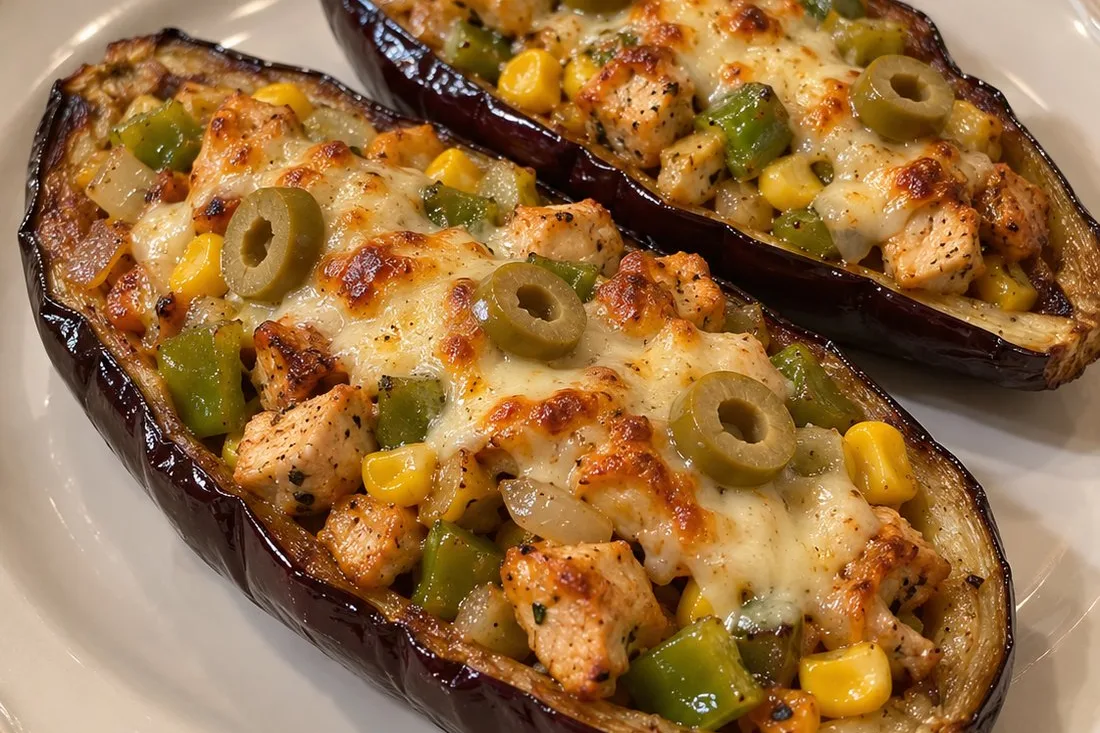
In the same series you will find our piece on healthy family meals with baked eggplant, the article on healthy Egyptian breakfast with no-fry taameya, and the guide to healthy food kids actually like with a small cottage cheese pizza. After dinner, for something sweet and light, see the article on healthy date and granola bars, and for pregnancy, the article on a healthy egg, yogurt and chickpea breakfast.