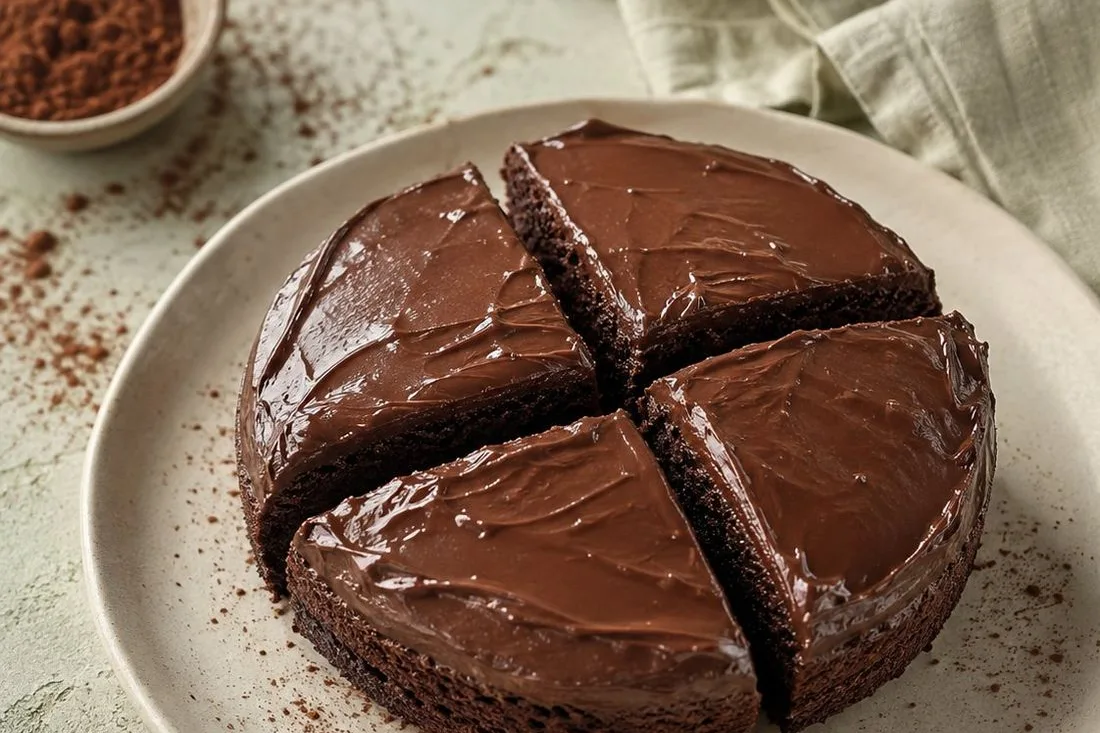
Can I eat sweets while on a diet, and which diet desserts actually work?
Yes, you can eat something sweet while trying to lose weight, and a small measured portion may be easier for some people to stick with inside a balanced plan, though responses vary from person to person. The sharper question is not "may I eat sweets?" but "how much, when, and made from what?". The World Health Organization advises that free sugars (table sugar, honey, sweetened drinks) stay under 10 percent of daily calories [1], so there is room, though not unlimited room.
That is where the idea of diet desserts comes in: something sweet with few calories and ingredients that give you fullness, rather than a "no sugar" sweet that still has white flour and butter. The 70-calorie chocolate cake in the La Rose Recipe Guide is an example: a slice with 70 kcal, 6 g protein, 7 g carbohydrate and 2 g fat, made from an egg, Greek yogurt, oat flour and cocoa.
This recipe suits a diet very well, and also anyone who wants something lighter than a traditional cake: families, older children, anyone cutting sugar for health reasons. It is not limited to one group.
One caution: any sweet, however light, is still a sweet. One slice is 70 kcal, but four slices in one sitting is 280, which equals a small meal. The idea of the recipe is the measured portion, not permission for an open quantity.
How can a slice be only 70 calories? The calculation in detail
The cake is cut into 4 slices, and each slice holds a quarter of the ingredients. The approximate calculation for the whole cake:
1. One large egg: about 70 kcal. 2. 150 g Greek yogurt (75 in the batter and 75 in the frosting): about 90 to 100 kcal depending on the fat content. 3. 20 g fine oat flour: about 75 kcal. 4. Unsweetened raw cacao (one tablespoon and one teaspoon): about 25 kcal. 5. Baking powder, vanilla and a zero-calorie sweetener: close to zero.
The total is about 270 to 290 kcal for the whole cake, which means 68 to 72 per slice. This is an estimate and shifts with brands, which is why the guide says "about 70".
The core idea is that the batter has no butter, no oil and no sugar. Oat flour replaces white flour, and yogurt replaces fat, giving moisture and protein. Harvard explains that oats are a whole grain with beta-glucan fibre [3], and fibre in general slows digestion and adds to fullness [5, 7].
If you want to check the figures yourself, open the Full recipe in the Recipe Guide and calculate with the brands you have. Any change in ingredients changes the number, so if you swap the yogurt or the flour, recalculate.
Is a no-sugar cake the same as a low-calorie cake? The difference many people mix up
Many people search for a chocolate cake with no sugar when what they really want is a low-calorie cake, and the two are not the same thing:
1. "No added sugar" means no sugar was put in, but the cake may still have white flour and butter and therefore high calories. 2. "Low calorie" means total energy is low, whether sugar is present or not.
The 70-calorie cake combines both: it has no added sugar and no added fat, so the calories really are low. But ingredients such as yogurt and milk contain natural sugar (lactose), and oat flour contains starch, which is the source of the 7 g of carbohydrate per slice.
That matters if you have diabetes: the slice here is not "zero carbohydrate". It is 7 g to be counted within your meal, and the right amount and timing is a decision you take with your doctor or dietitian [11]. The cake is not a treatment and not a substitute for your treatment plan.
For comparison, a traditional chocolate cake is usually much higher in calories and sugar per slice. But do not go back to counting every tiny thing. What matters is knowing the difference and choosing with awareness.
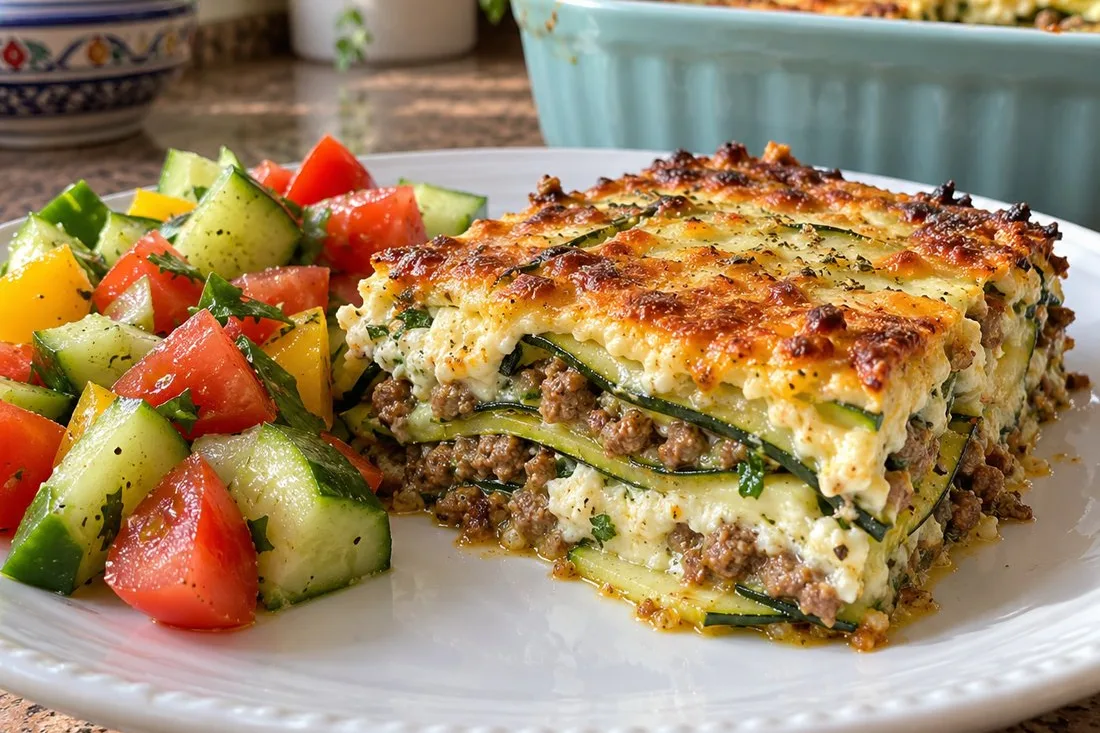
If you like sweets in general, see the article on Date and Granola Healthy Snack Bars for a date-sweetened snack instead of an artificial sweetener, and the article on Low-Carb Zucchini Lasagna for a low-carbohydrate main dish to go with it.
What are the ingredients, and where do I find them in Egypt?
The quantities for a small cake cut into 4 slices:
1. One large egg. 2. Half a teaspoon of vanilla. 3. Zero-calorie sweetener: two sachets for the batter and one for the frosting (diet sugar or stevia, whichever you prefer). 4. 150 g Greek yogurt: 75 g for the batter and 75 g for the frosting. 5. 20 g fine oat flour, about two tablespoons. 6. Unsweetened raw cacao: one tablespoon for the batter and one teaspoon for the frosting. 7. Half a teaspoon of baking powder.
Where to find them: oats, raw cacao and baking powder are in any supermarket, and zero-calorie sweeteners in pharmacies and diet sections. Greek yogurt is available in most large chains.
Practical swaps:
1. No Greek yogurt? Strain baladi yogurt in cheesecloth for an hour and you get a close texture. 2. No oat flour? Grind rolled oats in a coffee grinder for 30 seconds. 3. Almond flour is a substitute but raises fat and calories, so the slice will no longer be 70. 4. A quarter teaspoon of instant coffee gives a mocha taste. 5. Strawberries or pomegranate seeds on top of the frosting add looks and flavour for few calories.
Before all of that, read the label: a product marked "diet" is not always low in calories. And note that the cacao must be raw and unsweetened, because sweetened cocoa mix adds sugar.
How do I bake the diet chocolate cake step by step?
1. Heat the oven to 180 degrees C and line a small round tin, 10 to 12 cm across, with parchment. 2. Whisk the egg with the vanilla, the sweetener (two sachets) and 75 g of the yogurt until smooth. 3. Sift the oat flour, the cacao (the tablespoon) and the baking powder over the mixture and fold gently with a spoon until the flour disappears. Do not whisk hard, or the cake turns out heavy. 4. Pour the batter into the tin and bake 13 to 15 minutes on the middle rack, until the top sets and the centre stays slightly moist. 5. For the frosting, stir the remaining yogurt (75 g) with a teaspoon of cacao and the last sachet of sweetener. 6. Let the cake cool completely before frosting, then spread it and cut 4 slices.
Common mistakes:
1. Baking beyond 15 minutes, which gives a dry, rubbery cake. 2. Frosting a warm cake, which makes the frosting melt. 3. Eating all four slices at once, which loses the measured portion.
If the tin is bigger than needed, the cake comes out thin and dries faster, so use the small tin or cut the baking time by two minutes.
The egg must be cooked well. Baking 13 to 15 minutes at 180 degrees C does that in a small cake, but do not eat raw batter [8].
Why does my diet cake turn out dry or rubbery, and how do I fix it?
With no fat in the batter, there is less room for error than with a butter cake. The usual problems:
1. Dry: it baked too long. Every oven differs, so start watching from minute 12 and pull it out when a toothpick comes out with moist crumbs, not completely clean. 2. Rubbery: it was mixed too much after adding the flour. Fold gently until the flour just disappears. 3. Does not rise: the baking powder is old, so replace it. Test it with a drop of water: if it fizzes, it is good. 4. Runny yogurt: unstrained baladi yogurt will thin the batter, so strain it before use. 5. Slight bitterness: raw unsweetened cacao tastes a little bitter, and the frosting balances it. If it is still bitter, add a quarter sachet more of sweetener.
One thing that matters: the oat flour must be very fine. If the grind is coarse, the texture will be grainy.
If you tried all that and it did not please you, consider changing the goal: this diet cake does not copy a butter cake exactly. It is something else, lighter and closer to a moist brownie. If you like a softer, set texture, see the article on Chocolate Protein Souffle, another answer to the same craving.
Sweeteners, yogurt and flour: what should I choose so the cake suits me?
The choices that affect the result:
1. Sweetener: diet sugar and stevia give sweetness with almost no calories, but the taste differs between brands. Try one brand and adjust the amount to your taste. Your preferences and health situation, such as diabetes or pregnancy, are worth discussing with your doctor, and overdoing any sweet is not a good idea. 2. Yogurt: Greek yogurt gives more protein and a thicker texture. If you want it lower in fat, choose the low-fat type, and the calories drop a little. 3. Flour: oats are the base. You can change to whole wheat flour at the same weight, but the result will be heavier. Whole grains are linked to better health outcomes than refined starch in many reviews [6], though that does not make the cake a therapeutic food. 4. Egg: replacing the egg in this recipe is hard because it binds the batter. If you have an allergy, try a plant-based egg replacer, and you will need to recheck the nutrition numbers. 5. Cacao: dark bitter raw cacao is nicer with yogurt, and a lighter one is sweeter, so that is your choice.
For balance with the rest of the day: you could serve the slice after a meal with protein and vegetables if that suits you. Keep sweets once or twice a week rather than daily. The article on Foods That Burn Fat Better shows that real fullness comes from a complete meal, not from a sweet on its own.
Most important: look at how you eat overall, not one cake. A balanced plate [2], movement and drinking water matter more than any recipe.
How do I store and freeze the cake?
The cake contains egg and yogurt, and the yogurt frosting is sensitive to heat, so store it with care:
1. After it cools and is frosted, refrigerate within two hours of baking, or within one hour in hot weather above 32 degrees C [10]. 2. Keep it in an airtight box and eat within 3 to 4 days [10]. 3. If you want to freeze it, freeze the cake without frosting, for up to a month. Thaw it in the fridge and add fresh frosting before serving. 4. Cut it into single portions so you take only what you need instead of thawing the whole cake.
For work or school: take a slice in a small box with an ice pack and eat it within two hours. Do not leave the frosting out of the fridge for long.
Another thing: a cake made without preservatives will not live on the shelf like a packaged one. That is the difference between homemade and factory food: a short shelf life is a sign it is fresh.
For pregnancy or breastfeeding, dedicated nutrition guidance is the better reference. The key point here is that the egg must be fully cooked and dairy should be pasteurized [9]. To be sure for your own situation, Book a nutrition consultation, and the team can build a fitting solution with you.
How do I fit sweets into my week without feeling deprived?
The practical way is simple:
1. Set the sweets portion for the week: twice, for example, instead of setting a strict "forbidden" rule. 2. Choose the timing: you could try serving it after a main meal with protein and vegetables, and the timing that suits you best is the right one. Harvard's healthy plate idea suggests half vegetables and fruit, a quarter protein and a quarter whole grains [2]. 3. Use the lighter sweet as a replacement for the old one, not an addition: if you were drinking a soda after lunch, replace it with a slice of cake. 4. Make the cake once and store the slices, so you do not turn to a ready sweet in a weak moment. 5. Drink water and move: a 10 minute walk after eating makes a difference, which is covered in the tip on walking after the hardest meal of the day.
Other things help with cravings: enough sleep, not being very hungry before meals, and not living on sugary foods all day. Filling food is also what reduces the craving for sweets, as the Mayo Clinic explains in its piece on feeling full on fewer calories [12].
Remember: no result is guaranteed at any particular weight from one cake or one plan. The recipe helps you stay on your plan, but the outcome depends on your whole lifestyle. If you need follow up, the La Rose clinics team in Maadi and Fifth Settlement is available.
What do I eat during the rest of the day alongside the sweet?
The cake is a small part of a day, and it is best placed beside filling food. Ideas from the same series:
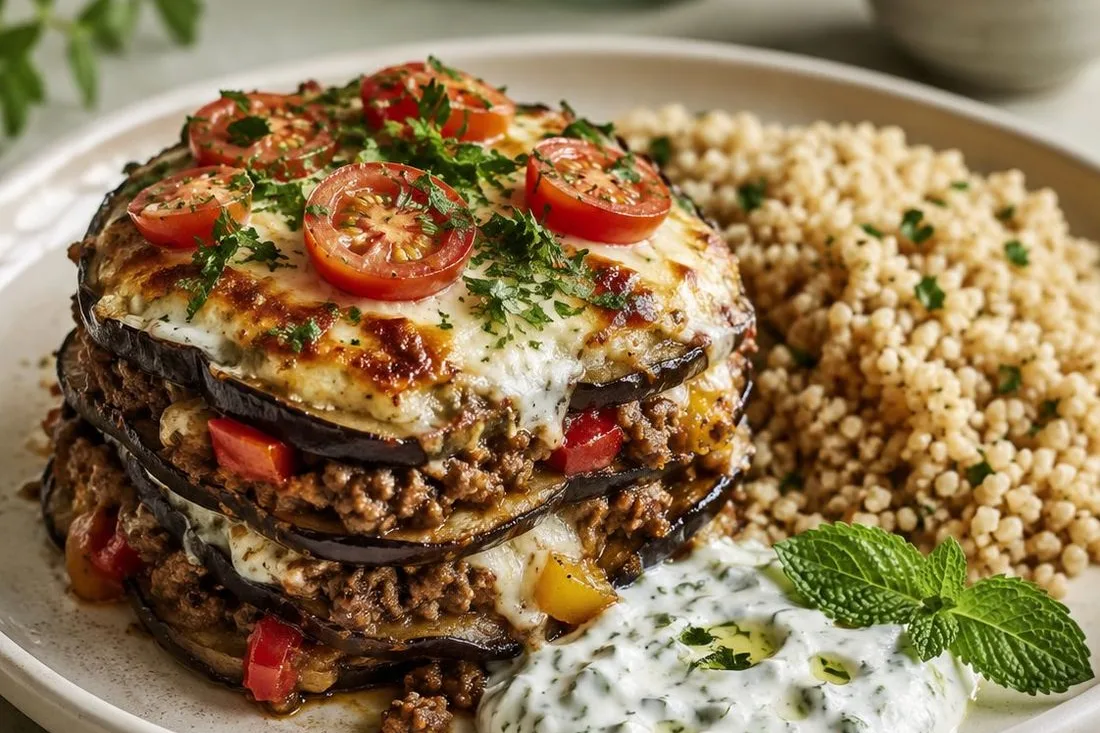
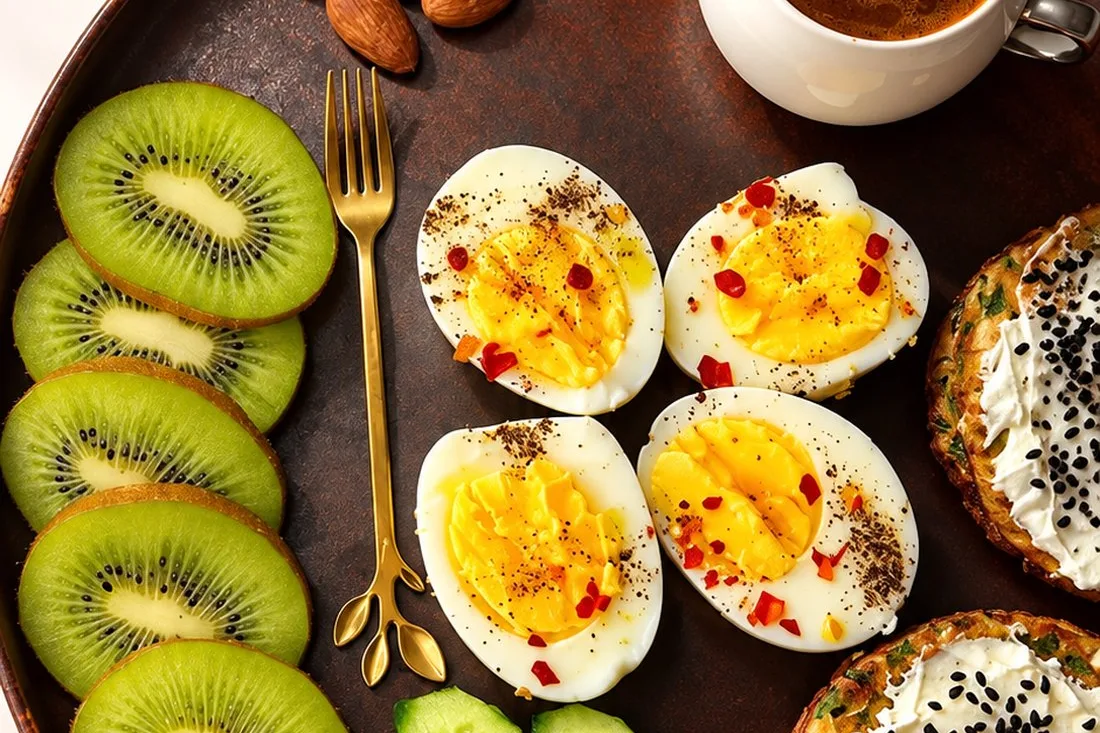
1. Light dinner: the article on Light Dinner for a Diet: Chicken Stuffed Eggplant has 45 g of protein per serving. 2. Lunch for work: the article on Turkey Egg Salad Rolls is no-oven and low in carbohydrate. 3. An oven main: the article on Low-Carb Zucchini Lasagna for a family dinner dish. 4. Morning protein: the article on 7 High-Protein Foods From Home Cooking gives ideas for breakfast and snacks.
Each of these comes with numbers and swaps. Together you can build a whole week without boredom or complication.
The protein in the cake itself (6 g per slice) counts toward your day, but do not rely on it. Harvard prefers varied protein sources: fish, chicken, pulses, eggs and nuts [4].
If you want a personal plan that respects your work hours and your Egyptian food, Book a nutrition consultation, and the team will help you fit the sweet inside your plan instead of outside it.